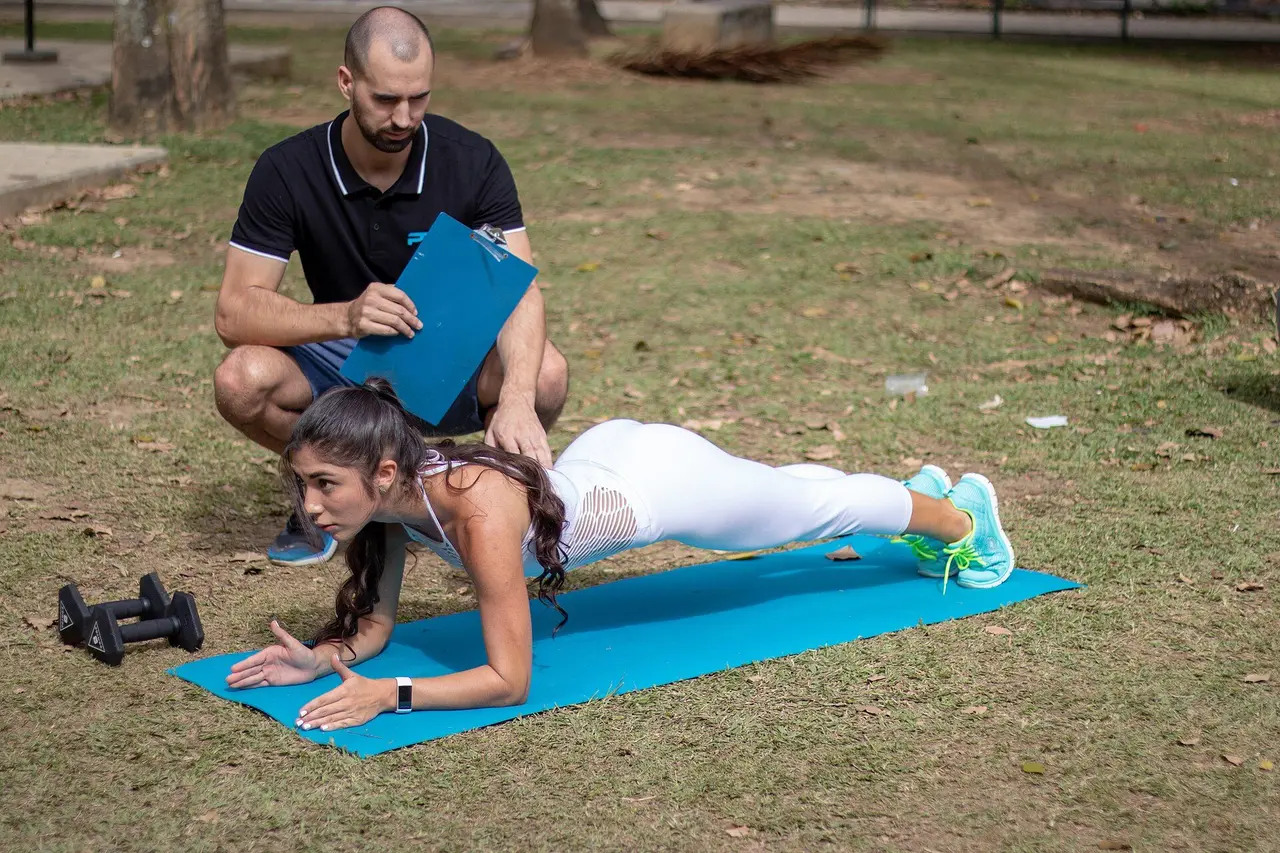
A gym personal trainer's (PT) pay in Vietnam in 2026 usually combines base salary, a fee per session taught and commission on training packages sold: new PTs earn about 7-12 million VND per month (roughly USD 270-460), PTs with 2-4 years' experience about 12-25 million, and top PTs or private trainers with a steady client base about 20-40 million (2026 reference, varies by region and gym, not an income guarantee). In the same gym, two PTs can earn twice as much as each other, mainly because of how many sessions they teach each month and how many clients renew. This lesson breaks down each component the way an experienced PT coaches a newcomer, with a worked example of one month's income whose figures add up, plus how to choose a PT certificate and how long training takes.
By the end of this lesson, you will be able to:
- Name the components of PT income: base pay, session fees, package commission and bonuses.
- Calculate a month's income from sessions taught, package prices and the commission rate in your contract.
- Compare reference income levels by experience and type of work.
- Choose a PT certificate path and estimate how long you will need to study.
- Sell packages honestly and retain clients for stable income, without pressuring them to hit targets.
Want to become a PT properly? Certification, selling packages and client retention is step 8, the final step of the roadmap, after safety and first aid, exercise anatomy, exercise technique, fitness assessment, programming, nutrition and a 3-client training project. See the 8-step personal trainer roadmap to learn in the right order.
What makes up a gym PT's pay?
Unlike an office worker on a fixed salary, a PT's income is the sum of several parts. Read your contract carefully to know which parts are guaranteed and which depend on sales.
Base salary
A fixed monthly amount, usually tied to floor hours (helping general members, re-racking weights, safety checks on machines). At many gym chains a PT's base pay is only about 3-7 million VND (2026 reference); some pay no base at all, only session fees and commission. Low base pay does not mean low income, but in a month with few clients you carry more of the risk.
Session fees
For each one-to-one session (usually 60 minutes) the PT receives a fixed amount, commonly about 50,000-200,000 VND per session in gyms, depending on the PT's level and the package price (2026 reference). This is the largest part of income for a PT with a full diary: 4-6 sessions a day, 25 days a month is 100-150 sessions.
Package commission and bonuses
When you advise a client to buy a PT package (for example 12, 24 or 36 sessions), the gym pays commission as a percentage of the package value, often around 5-15% with tiers based on monthly sales (2026 reference, depends on the contract). On top of that there may be target bonuses, renewal bonuses, and lunch or parking allowances.
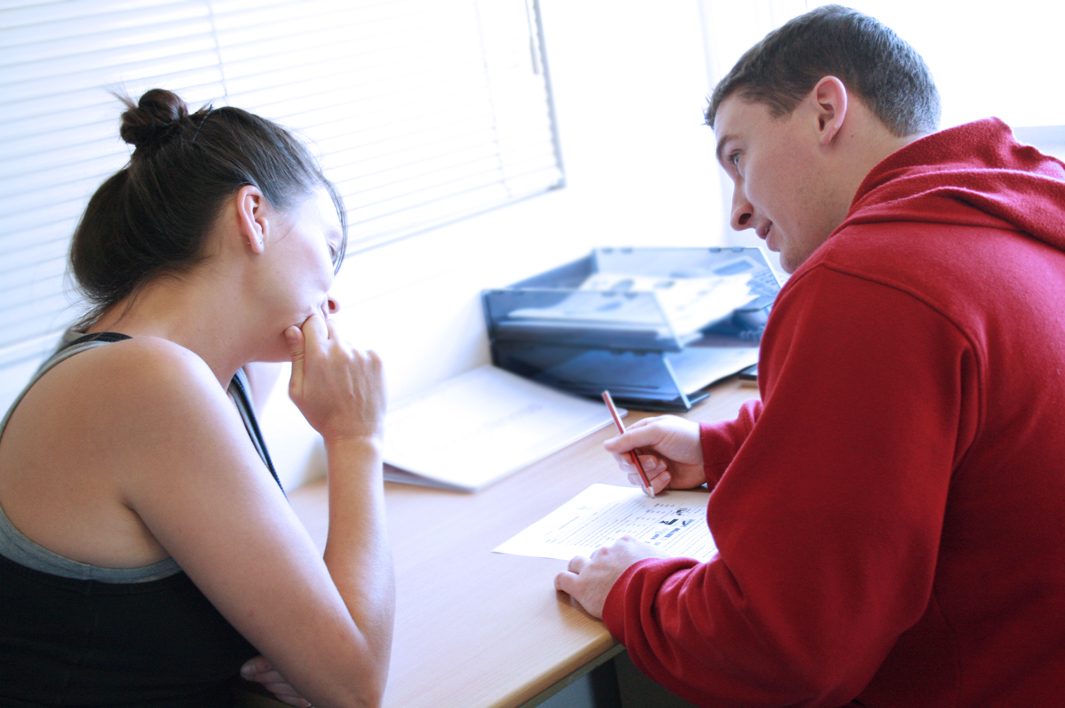
Photo: www.localfitness.com.au / Wikimedia Commons, CC BY-SA 3.0

PT income by experience level
The table shows 2026 reference ranges in large Vietnamese cities, including base pay, session fees and commission, before compulsory insurance and tax (if any). Smaller provinces are usually lower; premium gyms in Hanoi and Ho Chi Minh City can be higher.
| Level / type of work | Typical profile | Monthly income (2026 reference) |
|---|---|---|
| Intern, assistant, floor trainer | Still studying, no personal clients, helps general members | 4-7 million VND |
| New PT (0-1 year) | 20-60 sessions a month, building a client base | 7-12 million VND |
| Experienced PT (2-4 years) | 80-120 sessions a month, regular renewals | 12-25 million VND |
| Senior PT, PT team lead | Premium clients, mentors new PTs, team targets | 20-40 million VND |
| Freelance, private or online PT | Finds own clients, pays gym access fees or trains at clients' homes | Highly variable, 10-40 million VND or more |
Why the gap is so wide
PT income is almost proportional to the number of sessions taught. New PTs often have only a few clients and many empty slots; after 1-2 years, if clients get results and refer friends, the diary fills up. The renewal rate is the number gym managers watch most closely.
Is freelancing better?
Freelance PTs keep most of the session price, but must find their own clients, pay gym access fees for clients or rent space, have no base pay and arrange their own insurance. It usually only makes sense once you have a loyal client group and experience handling safety situations.
Worked example: one month's income for a PT
The situation: a PT with 2 years' experience at a gym chain in Ho Chi Minh City. The contract says: base salary 5,000,000 VND, 100,000 VND per one-to-one session taught, 10% commission on new or renewed PT packages sold in the month, and a 1,000,000 VND bonus when monthly sales reach 20,000,000 VND or more. The figures are only to illustrate the calculation.
Sessions and sales in the month
- An average of 4 sessions a day × 25 days = 100 sessions.
- 2 packages of 24 sessions sold at 9,600,000 VND each (400,000 VND per session): 2 × 9,600,000 = 19,200,000 VND.
- 1 client renews a 12-session package at 5,400,000 VND (450,000 VND per session).
- Monthly sales: 19,200,000 + 5,400,000 = 24,600,000 VND, above the 20,000,000 VND threshold, so the bonus applies.
Income table
| Component | Calculation | Amount |
|---|---|---|
| Base salary | Per contract | 5,000,000 VND |
| Session fees | 100 sessions × 100,000 VND | 10,000,000 VND |
| Package commission | 24,600,000 VND × 10% | 2,460,000 VND |
| Sales bonus | Sales ≥ 20,000,000 VND | 1,000,000 VND |
| Total income before deductions | 18,460,000 VND | |
Check: 5,000,000 + 10,000,000 + 2,460,000 + 1,000,000 = 18,460,000 VND. Session fees make up 10,000,000 / 18,460,000 ≈ 54%, which shows that keeping a steady teaching schedule matters more than chasing package sales. This figure is before compulsory insurance and personal income tax (if any); these are calculated under your contract and the current regulations in Vietnam, so ask HR for the exact amounts.
The same PT in a quiet month
If next month there are only 60 sessions and no packages sold: 5,000,000 + 60 × 100,000 = 11,000,000 VND, which is 7,460,000 VND less than the previous month. So PTs should budget for the low months and invest in keeping clients rather than constantly hunting new ones.
Selling packages honestly and keeping clients
Package commission is where new PTs most often go wrong: overpromising, pushing clients into the longest package, or selling products outside their expertise. That earns money once and loses clients and reputation for good.
Recommend packages that fit the need
- Ask about goals, daily routine, budget, past injuries and medical conditions (the screening form from step 1).
- Do an initial fitness assessment and explain the results in plain words.
- Suggest a sensible number of sessions per week and duration, for example 2-3 sessions a week for 8-12 weeks for beginners.
- State the price, number of sessions, expiry, and the gym's freeze and refund policy clearly.
- Never promise fixed numbers such as "lose 10 kg in a month"; talk about realistic goals and what it takes to reach them.
Keep clients so they renew
Take measurements and progress photos every 2 weeks, as in the 3-client project; send reminders, congratulate clients on small milestones, and adjust exercises when progress stalls. Clients who see progress and feel cared for renew and refer friends (Figure 2).
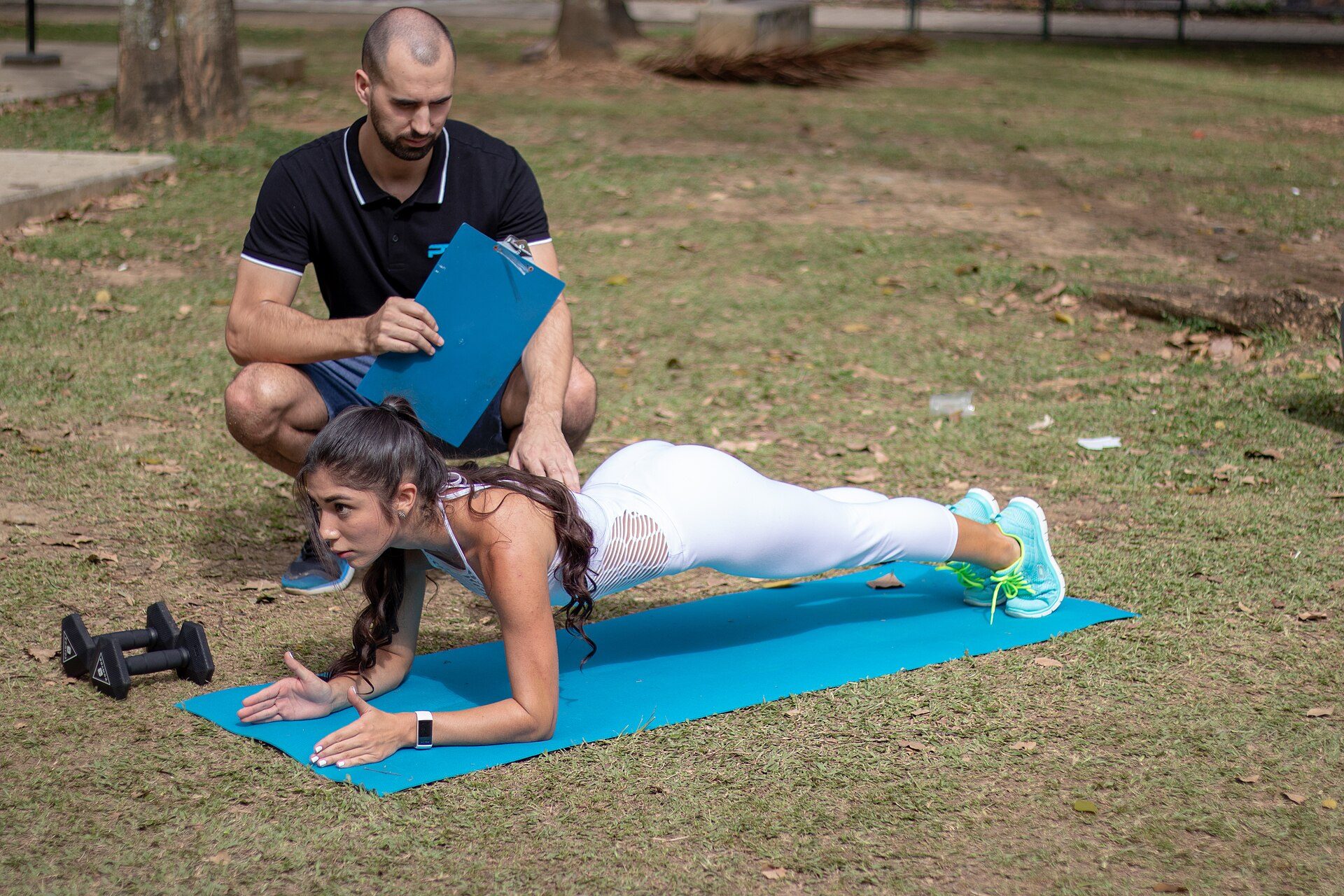
Photo: PTPioneer / Wikimedia Commons, CC BY 2.0

Professional limits when selling
PTs advise on basic nutrition and lifestyle; they do not prescribe medicine or diagnose injuries. Mention supplements only as general information; clients with medical conditions should ask their doctor, and you should never upsell for commission.
Safety at work: when clients need a doctor
Higher PT pay comes with responsibility for clients' health. One incident in the gym can cost you your job or even lead to a lawsuit.
Safety warning: PTs do not diagnose or treat injuries and do not replace a doctor. Stop the session immediately and call 115 (Vietnam's emergency number) if a client has chest pain or pressure, unusual breathlessness, dizziness, fainting, an irregular heartbeat, weakness or slurred speech; in these situations give first aid as you were trained (including CPR if the client stops breathing) while waiting for the ambulance. Advise clients to see a doctor before starting or continuing training if they have heart disease, high blood pressure or uncontrolled diabetes; are pregnant or have recently given birth; have persistent joint or back pain, pain spreading into the arms or legs, or numbness; or have recently had surgery or an injury. Always spot clients on heavy bench presses and squats, and check collars and machine pins before every set.
Spotting and managing risk
Spot correctly (Figure 3): stand close behind the head of the bench, hands ready under the bar, follow the movement, and do not touch the bar while the client can still press it alone. Dropped weights usually happen on the last rep, when the PT is looking at a phone or chatting.
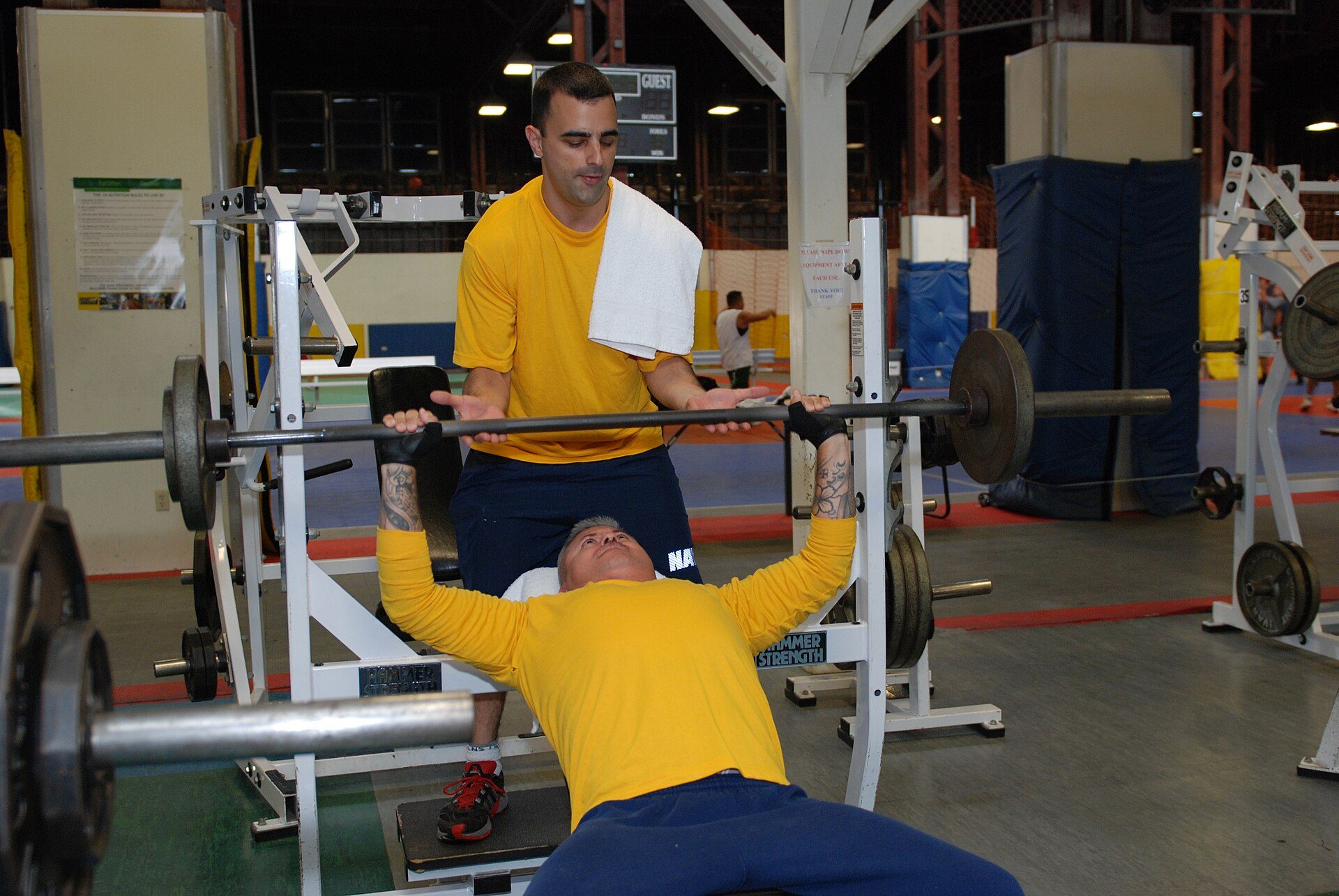
Photo: U.S. Navy photo by Lt. Nicole R. Schwegman / Wikimedia Commons, Public domain

The PT's own health
Teaching 6-8 sessions a day back to back easily leads to burnout, a sore throat from talking, and injuries from demonstrating without warming up. Keep to the number of sessions you can teach well, take days off, eat and sleep enough: that is more sustainable than a fully booked month followed by sick leave.
Which PT certificates do gyms recognise?
A certificate does not raise your pay by itself, but it is a requirement at many gym chains, especially those with premium and foreign clients.
International certificates
Common international PT certificates are issued by organisations such as ACE, NASM, ISSA and ACSM, usually with an English-language theory exam and self-study or partner-led courses in Vietnam. Before enrolling, check the organisation's official website for eligibility, exam format, fees and renewal periods, and ask the gym you want to join which certificates it recognises.
Courses in Vietnam
Training centres, sports universities and colleges, and some gym chains run PT courses in Vietnamese with practice in the gym. Quality varies widely: ask about practical hours, instructors, whether the syllabus covers anatomy, first aid and programming, and where previous graduates work.
First aid certificates and workplace rules
A first aid and CPR certificate belongs alongside the PT certificate, and many gyms require it. Some types of sports business in Vietnam have rules about professional staff; check the current regulations with the local culture and sports authority where you work rather than relying on hearsay.
How long does it take to train as a PT?
For someone who already trains regularly, it typically takes about 3-6 months of structured study and practice to start taking clients under supervision, and 1-2 years to build a stable client base.
| Stage | Reference duration | Main content |
|---|---|---|
| Foundations | 1-2 months | Safety, first aid, anatomy, exercise physiology |
| Technique and assessment | 1-2 months | Exercise technique, form correction, fitness assessment |
| Programming and nutrition | 1-2 months | Fat-loss and muscle-gain programmes, special groups; basic nutrition |
| Supervised practice | 2-3 months | Training 3 clients for 8 weeks, assisting at a gym |
| Building a client base | 12-24 months | Retention, renewals, private clients |
Reference course fees
Vietnamese PT courses and international certificates range from a few million to a few tens of millions of VND depending on the programme, format and whether an exam is included (2026 reference). Compare total cost including tuition, exam fees, materials and renewal fees, and work out the payback time against the income table above.
Growing your income once employed
Specialise (older adults, postnatal training with a doctor's approval, functional fitness, assisted stretching techniques as in Figure 4), improve your English to train foreign clients, run small-group classes of 3-5 people, or coach clients online combined with in-person sessions.
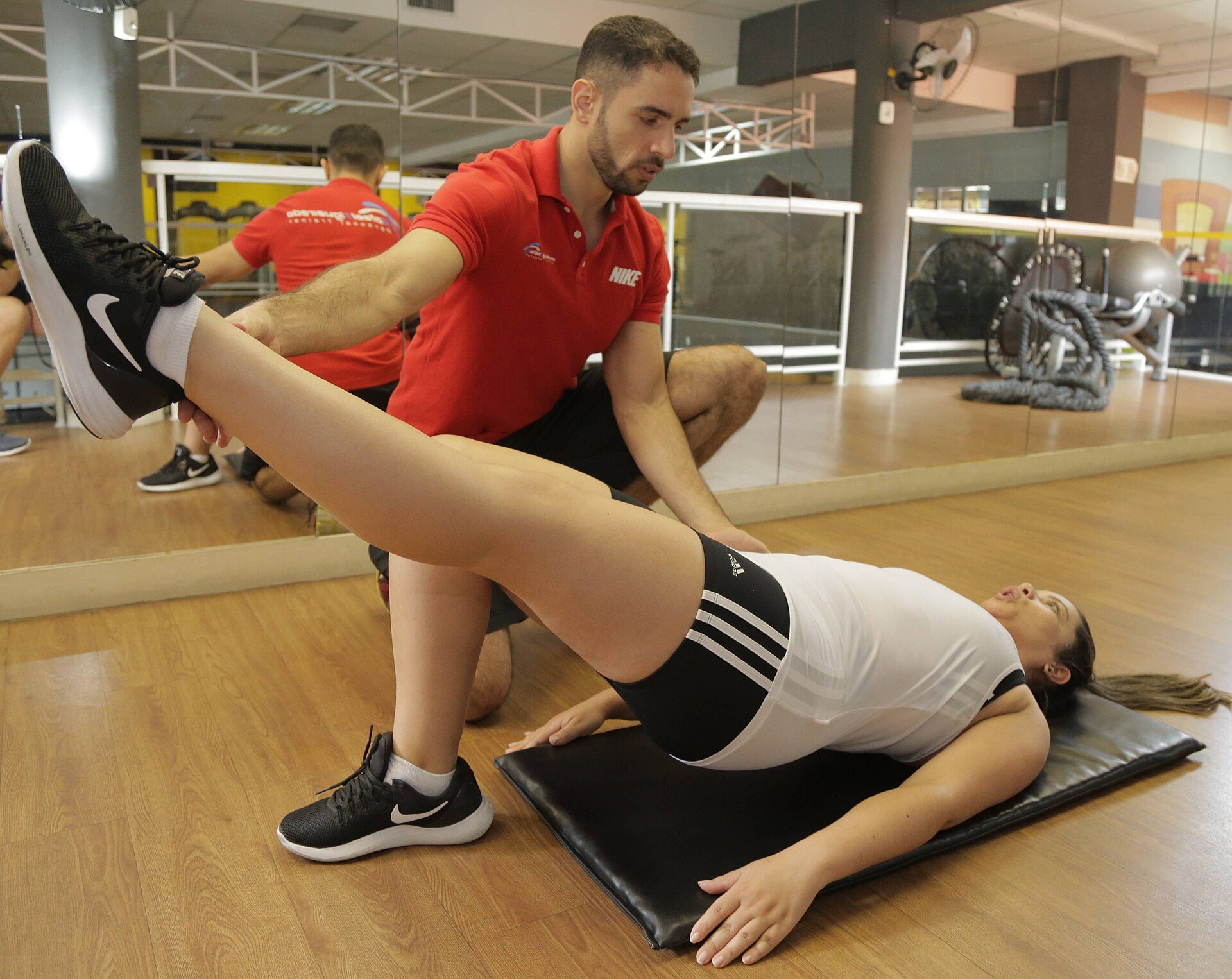
Photo: Rafaelqcn / Wikimedia Commons, CC BY-SA 4.0

Common mistakes that keep PT income low
Chasing sales, neglecting session quality
Sign: big packages sold, but clients do not renew and leave bad reviews. Cause: focusing on selling, rushing sessions, looking at the phone. Fix: every session has a plan, notes and specific feedback for the client.
Overpromising results
Sign: disappointed clients asking to freeze or refund. Cause: promising rapid weight loss to close the sale. Fix: set realistic goals, measure every 2 weeks, and explain when progress is slow.
Not reading the contract
Sign: surprised that commission only counts once the client has paid in full, or that session fees are deducted for late cancellations. Cause: relying on verbal promises. Fix: ask, and get in writing, how base pay, session fees, commission, bonuses and penalties are calculated.
No first aid certificate
Sign: rejected by big chains, unsure what to do when a client feels faint. Cause: thinking a good physique is enough. Fix: take and renew a first aid and CPR certificate as required by the issuing body.
Practice exercises and self-assessment
- Get sample PT contracts from 2 gyms (or ask working PTs) and note base pay, session fees, commission rate and bonuses.
- Calculate income for 3 scenarios: 40, 80 and 120 sessions a month, using the table above.
- Role-play a 15-minute package consultation for a new client, with an observer scoring you.
- Plan your certificates: choose 1 PT certificate and 1 first aid certificate, and note requirements, study time and cost from the official websites.
Self-assessment criteria
- Pass: all 3 income tables add up and clearly separate fixed and sales-dependent income.
- Pass: in the role play you cover goals, health screening, price, sessions and expiry, and promise no fixed results.
- Pass: your certificate plan cites official websites, not rumours.
- Not yet: pushing the longest package, promising fast results, or skipping the screening form.
Frequently asked questions
How much does a PT earn per month in Vietnam?
New PTs typically earn 7-12 million VND, PTs with 2-4 years about 12-25 million, and senior or private PTs with steady clients about 20-40 million (2026 reference, varies by region and gym). The biggest factor is the number of sessions taught each month.
How is package commission calculated?
Usually as a percentage of the PT packages you sell or clients renew, often around 5-15% with sales-based tiers. Ask whether commission counts on full payment or instalments, and whether it is deducted if the client gets a refund.
Which PT certificate do I need to get a job?
Many gym chains require a PT certificate (international, or a Vietnamese course they recognise) plus first aid and CPR. Ask the gym you want to join directly and check the issuing body's official website.
How long does PT training take before taking clients?
About 3-6 months of structured study and supervised practice for someone who already trains regularly, plus 1-2 years to build a stable client base and higher income.
Should I take a PT job with no base salary?
Possibly, if the session fees and commission are clearly higher and you already have clients. Newcomers should prefer gyms with base pay and mentoring, so they learn the trade while building a client base.
This is the final step of the personal trainer roadmap. To review and keep growing, revisit the steps Gym safety, health screening and first aid and Fat-loss and muscle-gain programming and special groups whenever you take on a new client, keep your first aid certificate current, measure client results regularly, and choose a specialism that raises the value of every session you teach.
Review the PT roadmap: from safety and first aid, exercise anatomy, exercise technique, fitness assessment, programming and nutrition to the 3-client project and PT certification. See the 8-step personal trainer roadmap.