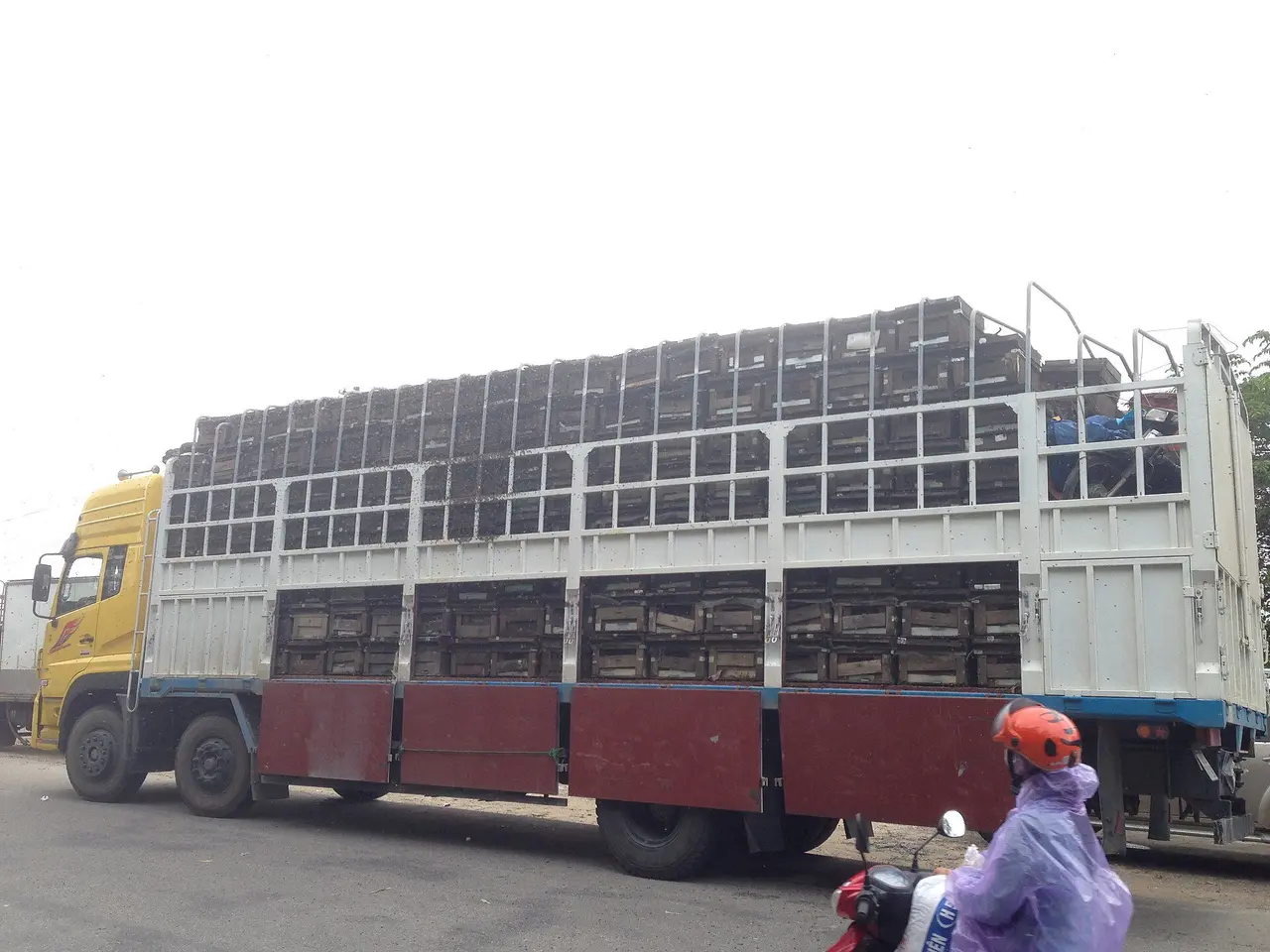
In Vietnam, a class C driving licence issued under the new system from 1 January 2025 lets you drive trucks and special-purpose vehicles with a design gross vehicle weight over 7,500 kg, towing a trailer of up to 750 kg, plus every vehicle in classes B and C1. Class C1 covers trucks with a design gross weight over 3,500 kg and up to 7,500 kg. This comes from Vietnam's 2024 Law on Road Traffic Order and Safety: licence classes are now based on the vehicle's gross weight, not on its payload as before. Licences issued before 1 January 2025 remain valid until the expiry date printed on them. Laws and implementing rules can change, so before you sign up for training or take on a particular truck, check the current regulations and ask the licensing authority in your province.
By the end of this lesson, you will be able to:
- State exactly which vehicles classes B, C1, C, C1E and CE cover under the new system.
- Read the design gross weight from a vehicle's papers and work out which licence class it needs.
- Tell old licences (B2, C, FC) apart from new ones and know when you need to exchange yours.
- Plan your C1 or C training: age, medical certificate, the test parts and indicative costs.
- Understand how licence upgrades work so you can move up to bigger trucks and tractor units.
Want to become a truck driver? Licence classes, traffic law and safety are the first step of the roadmap, before driving hours, vehicle checks and driving technique. See the 8-step truck driver roadmap to learn in the right order.
Vietnam's new truck licence classes from 1 January 2025
The 2024 Law on Road Traffic Order and Safety took effect on 1 January 2025 and replaced the whole way car and truck licence classes are divided. Car licences B1 and B2 in their old meaning are no longer issued; car and truck licences are now classes B, C1, C, D1, D2, D and the trailer classes BE, C1E, CE, D1E, D2E and DE (the name B1 still exists but covers a different kind of vehicle, not trucks). A truck driver needs to know the five classes in the table below.
Licence classes for trucks
| Class | Trucks covered (design gross vehicle weight) | Minimum age | Licence validity |
|---|---|---|---|
| B | Trucks and special-purpose vehicles up to 3,500 kg; trailer up to 750 kg; passenger cars up to 8 seats (not counting the driver) | 18 | 10 years |
| C1 | Trucks and special-purpose vehicles over 3,500 kg up to 7,500 kg; trailer up to 750 kg; all class B vehicles | 18 | 10 years |
| C | Trucks and special-purpose vehicles over 7,500 kg; trailer up to 750 kg; all class B and C1 vehicles | 21 | 5 years |
| C1E | Class C1 vehicles towing a trailer over 750 kg | 24 | 5 years |
| CE | Class C vehicles towing a trailer over 750 kg; tractor units pulling semi-trailers (container trucks) | 24 | 5 years |
The table summarises the 2024 law. Detailed conditions (application documents, medical certificate, how experience is counted, restrictions printed on the licence) sit in decrees and circulars that can change; treat this table as a map for understanding, and base specific decisions on the regulations currently in force.
Gross weight versus payload
This is where most people get confused. Payload (the permitted cargo weight) is only the goods. Gross vehicle weight is the weight of the whole vehicle fully loaded as designed: the vehicle's own weight plus permitted cargo plus the people in the cab. So a "1.9-tonne truck" (one that carries about 1.9 tonnes of cargo) usually has a gross weight above 3,500 kg, which under the new system means it needs a C1 licence, not a B.
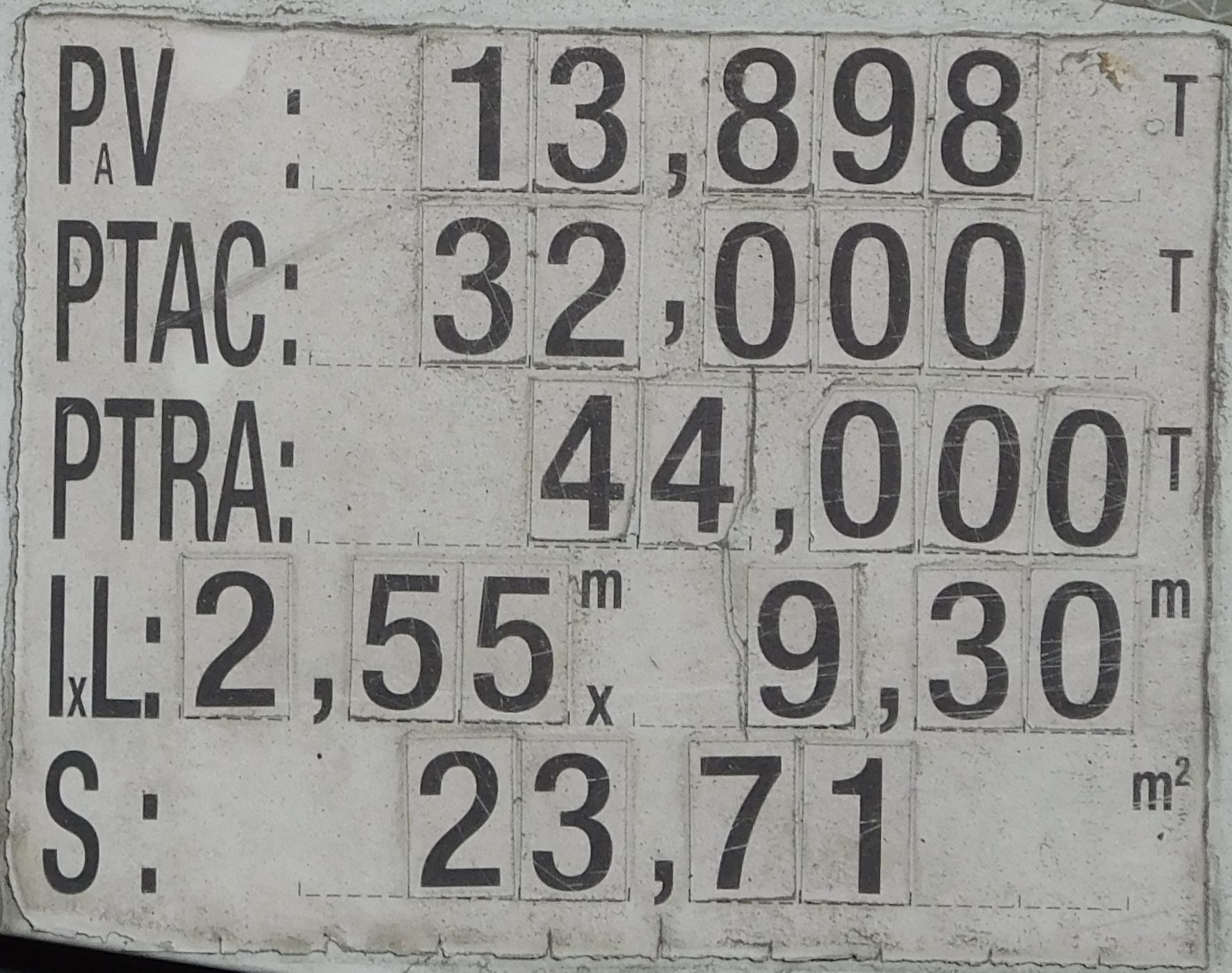
Photo: Cjp24 / Wikimedia Commons, CC BY-SA 4.0

Licence validity and points
A C1 licence is valid for 10 years; class C and the trailer classes for 5 years. When it expires you renew it with a new medical certificate. The 2024 law also introduced a points system: every licence carries 12 points, offences deduct points, and a driver who loses all points may not drive until they pass a traffic law re-test as regulated. For a professional driver, keeping your points means keeping your job.
What does a class C licence cover, and how heavy for C1?
The short answer: C1 covers trucks with a design gross weight over 3.5 tonnes up to 7.5 tonnes; C covers trucks over 7.5 tonnes and every smaller truck. On the road, light and medium trucks doing city deliveries usually fall under C1; two-, three- and four-axle rigid trucks on long routes usually need C (Figure 2).
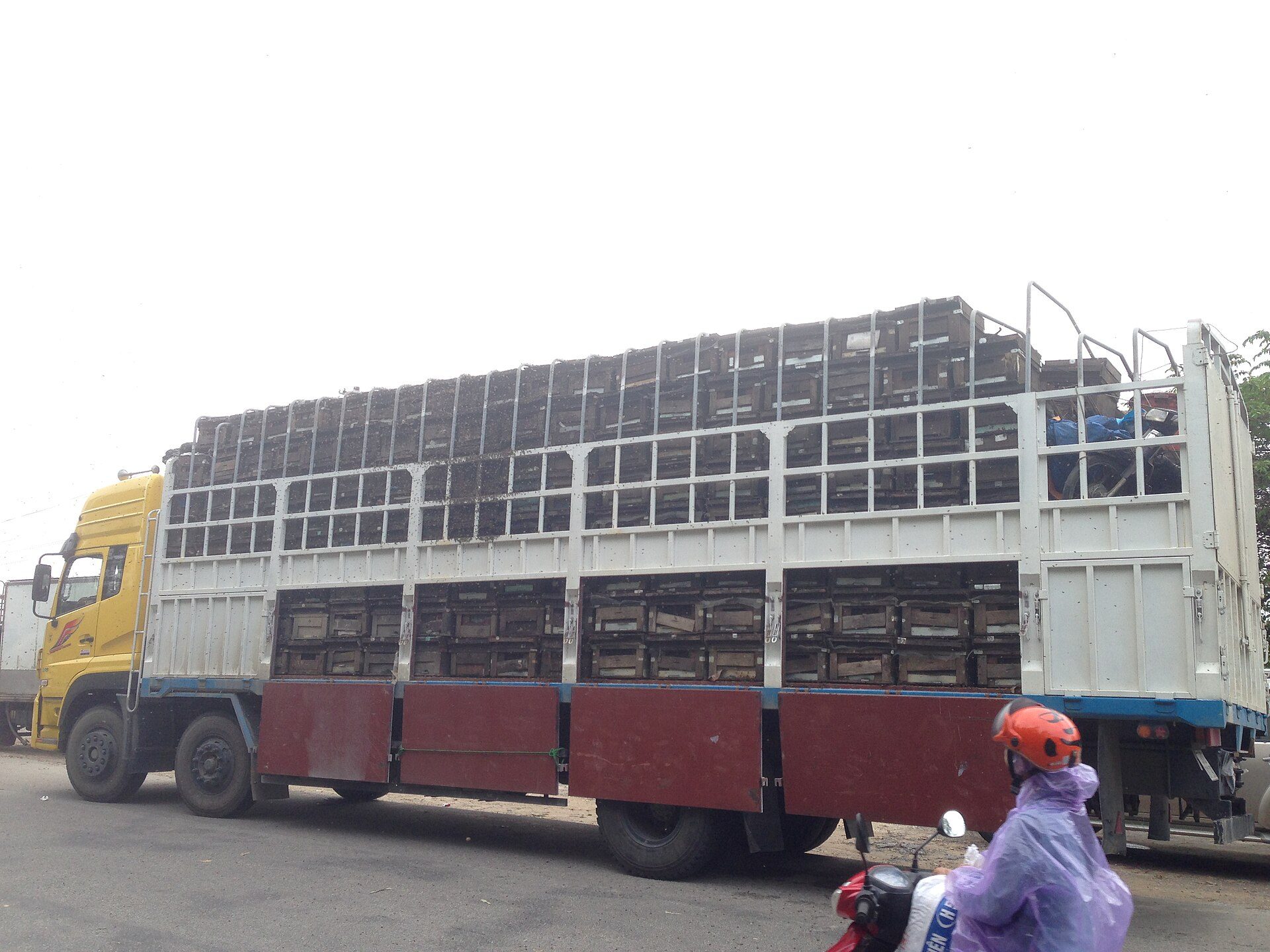
Photo: RG72 / Wikimedia Commons, CC BY-SA 4.0

What a class C licence does not cover
- Tractor units pulling semi-trailers (container trucks, low-loaders): need class CE (Figure 4).
- Trucks towing a trailer over 750 kg: need C1E or CE depending on the towing vehicle.
- Vehicles carrying more than 8 passengers (coaches, buses): classes D1, D2 and D.
Can a class B licence drive a truck?
Yes, but only trucks with a design gross weight up to 3,500 kg, usually cargo vans and very light trucks. Do not go by the tonnage painted on the body or what the seller says; open the inspection certificate and read the gross weight.
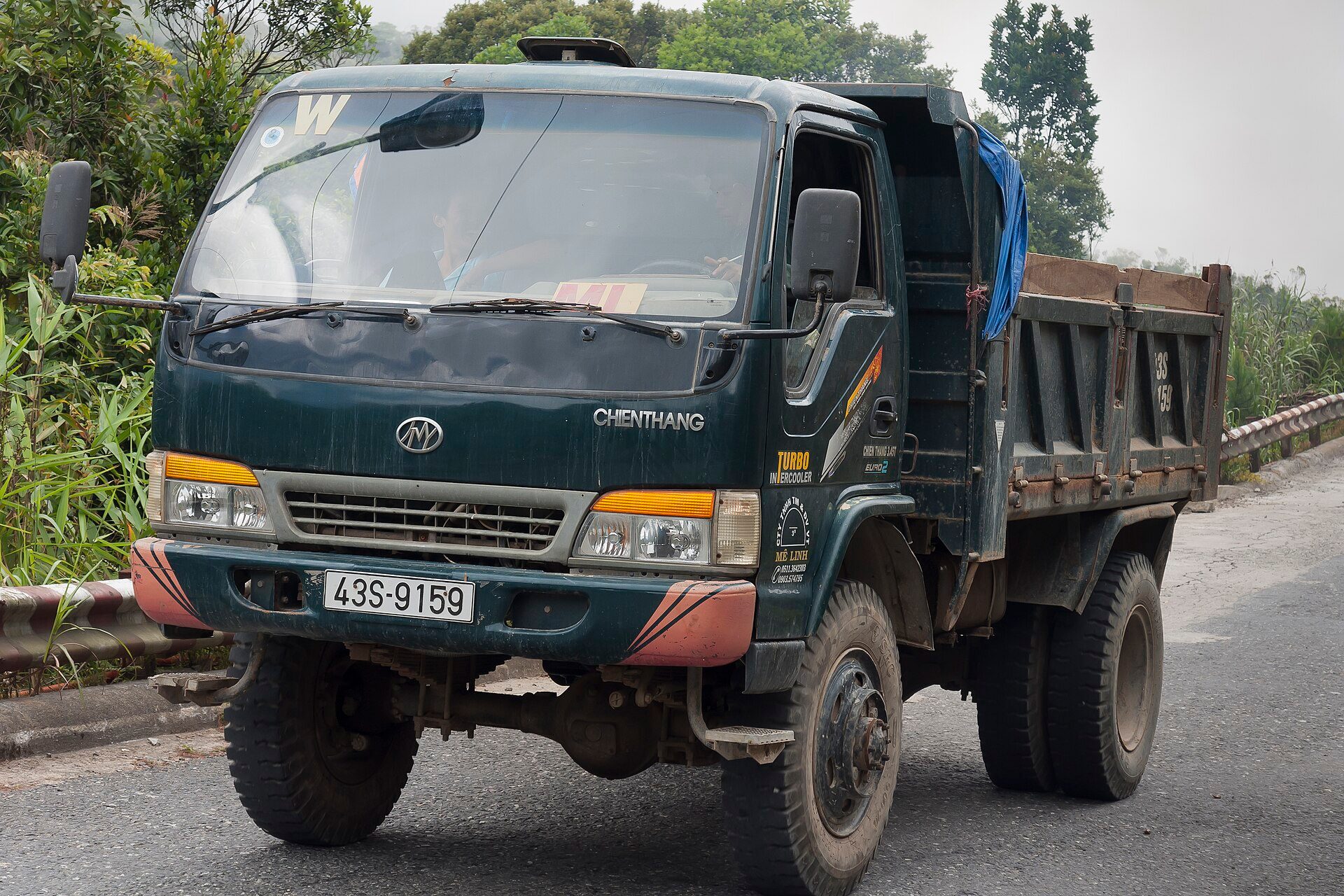
Photo: CEphoto, Uwe Aranas / Wikimedia Commons, CC BY-SA 3.0

Are old licences (B2, C, FC) still valid?
Before 2025, under the old law, a B2 licence covered trucks with a payload under 3,500 kg; class C covered trucks with a payload of 3,500 kg or more; class FC was class C plus tractor units pulling semi-trailers. The old system was based on payload, the new one on gross weight.
Transitional principles
- Licences issued before 1 January 2025 remain valid until the expiry date printed on them. You do not have to exchange yours just because the new law is in force.
- When your licence expires, is damaged or lost, or you choose to exchange it, the old class is converted to the corresponding new class under the transitional rules.
- The new class printed after the exchange, and any conditions attached, are decided by the issuing authority. Ask clearly when you apply; do not guess from the class name.
Where to be careful
Old and new class names share letters (both have a "C") but the scope is calculated differently. When an employer asks "do you have a class C?", say clearly what year your licence was issued, which class it is and when it expires. If you are unsure whether your licence covers a particular truck, ask the licensing authority or check on the public services portal before taking the vehicle.
Worked example: reading the inspection certificate to find the licence class
A transport company in Long An has 4 vehicles and needs to assign drivers with the right new-system class. Each vehicle's inspection certificate lists unladen weight, permitted cargo, permitted number of people (converted to weight) and design gross weight. The figures below are an example to show how the numbers add up; for a real vehicle, read the gross weight line straight from the certificate.
| Vehicle | Unladen (kg) | Permitted cargo (kg) | People in cab (kg) | Gross (kg) | Class needed |
|---|---|---|---|---|---|
| Cargo van | 1,250 | 945 | 130 | 2,325 | B |
| Light truck "1.9 tonnes" | 2,300 | 1,990 | 195 | 4,485 | C1 |
| Truck "3.5 tonnes" | 2,910 | 3,490 | 195 | 6,595 | C1 |
| Three-axle truck | 9,800 | 14,005 | 195 | 24,000 | C |
Checking the sums
- Cargo van: 1,250 + 945 + 130 = 2,325 kg, not above 3,500 kg, so class B.
- "1.9-tonne" truck: 2,300 + 1,990 + 195 = 4,485 kg, within over 3,500 up to 7,500 kg, so C1.
- "3.5-tonne" truck: 2,910 + 3,490 + 195 = 6,595 kg, so C1.
- Three-axle truck: 9,800 + 14,005 + 195 = 24,000 kg, above 7,500 kg, so C.
Assigning drivers
The company has 3 new drivers licensed under the new system: driver A holds class B, driver B holds C1, driver C holds C. Driver A can only drive the van. Driver B can drive the van, the 1.9-tonne and the 3.5-tonne trucks. Driver C can drive all 4. If the company buys a container tractor unit, none of them can drive it yet; that needs class CE.
Note: the "1.9-tonne" and "3.5-tonne" trucks could previously be driven on an old B2 licence because their payload was under 3,500 kg. For someone newly licensed from 2025, both need C1. If you hold an old B2, your driving rights under the old licence and how it converts when exchanged follow the transitional rules; ask the licensing authority about your own case.
How long does it take to get a C1 or C licence, and what does it cost?
You train at a licensed driving school, then sit the test organised by the competent authority. The body responsible for testing and issuing licences changed during 2025, so ask your driving school or check Vietnam's national public services portal for where to apply in your province today.
Basic requirements
- Minimum age for the class: 18 for C1, 21 for C (counted as required by the rules on the test date).
- A valid driver's medical certificate from a qualified health facility.
- Identity documents as required by current application rules (citizen ID card).
What you study and what you are tested on
The course usually covers traffic law and road signs, vehicle construction and basic repairs, driver ethics, driving technique, situation-simulation software, practice on a closed course and on-road driving with a device that logs your training distance. The test usually has a theory part, a simulation part, a closed-course practical and an on-road practical. The exact test structure follows the testing authority's current rules.
Indicative time and cost
| Class | Time from enrolment to test | Indicative all-in fee, 2026 |
|---|---|---|
| C1 | About 3–5 months | About VND 18–28 million (roughly USD 700–1,100) |
| C | About 4–6 months | About VND 22–35 million |
These are only indicative 2026 ranges, varying by region, school and test schedule, not official rates. When comparing schools, ask exactly what the all-in fee includes: test fees, licence fee, on-road hours, fuel, extra lessons, re-tests. Course hours (theory and practical) are set by the current training rules, and schools are not allowed to cut them.
Upgrading your licence: from B to C1, C and CE
An upgrade means training and testing for a higher class when you already hold a lower one, for example B to C1, C1 to C, or C to CE. For trailer classes such as CE (container trucks), the usual path is an upgrade from class C, not direct training.
Upgrade requirements
Besides the minimum age of the new class, you usually need a certain number of years' driving experience on your current class and must meet other conditions in the training rules. The exact experience and conditions for each pair of classes are in the current implementing regulations; ask the driving school before paying.
A suggested path for newcomers
- Get a C1 licence (or C if you are 21 and the rules allow direct training), and drive light and medium trucks in the city to build experience.
- Once you have the required experience, upgrade to C and move to heavy trucks on provincial routes.
- If you want to drive containers, upgrade again to CE once you are 24 and have enough experience.
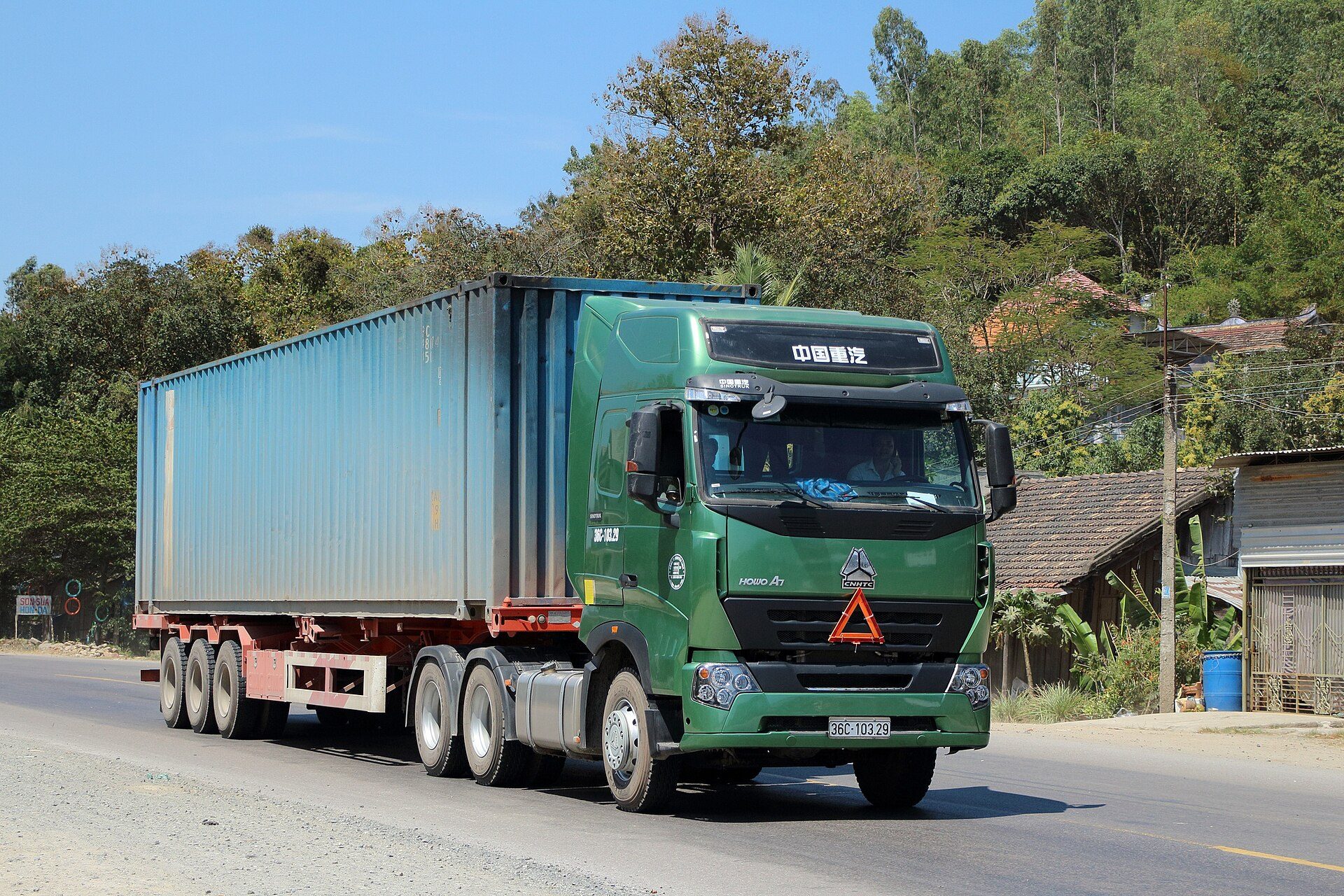
Photo: Ilya Plekhanov / Wikimedia Commons, CC BY-SA 4.0

Safety and responsibility at the wheel of a truck
A licence is only the minimum requirement. Trucks are heavy and long, have many blind spots and need far longer to stop than cars; a small mistake can kill.
Safety warning: Only drive vehicles covered by a valid licence of the right class; driving outside your class is an offence, and after a crash, vehicle damage insurance usually excludes drivers without the appropriate licence (read the policy terms). Vietnamese law prohibits driving with any alcohol in your blood or breath, even one drink. Never drive when sleepy or tired; take your breaks on time. Before turning, reversing or changing lanes, check your mirrors and blind spots on both sides, especially the right, where motorbikes tend to squeeze in. Never carry more cargo than the permitted weight on the inspection certificate: overloading weakens braking and raises the risk of rollovers and tyre blow-outs.
Driving hours and health
Drivers working for commercial transport operators are limited in continuous driving time and daily driving time, recorded by a journey-monitoring device. You will study this in detail in the next step of the roadmap. Start now by making a habit of sleeping properly before long trips and having regular health checks.
Get to know the cab before you drive
A truck cab has many more gauges, switches, gear positions and an exhaust brake compared with a car (Figure 5). Before your first trip in an unfamiliar truck, adjust the seat and mirrors, learn every warning light, test the parking brake and ask the previous driver about the truck's quirks.
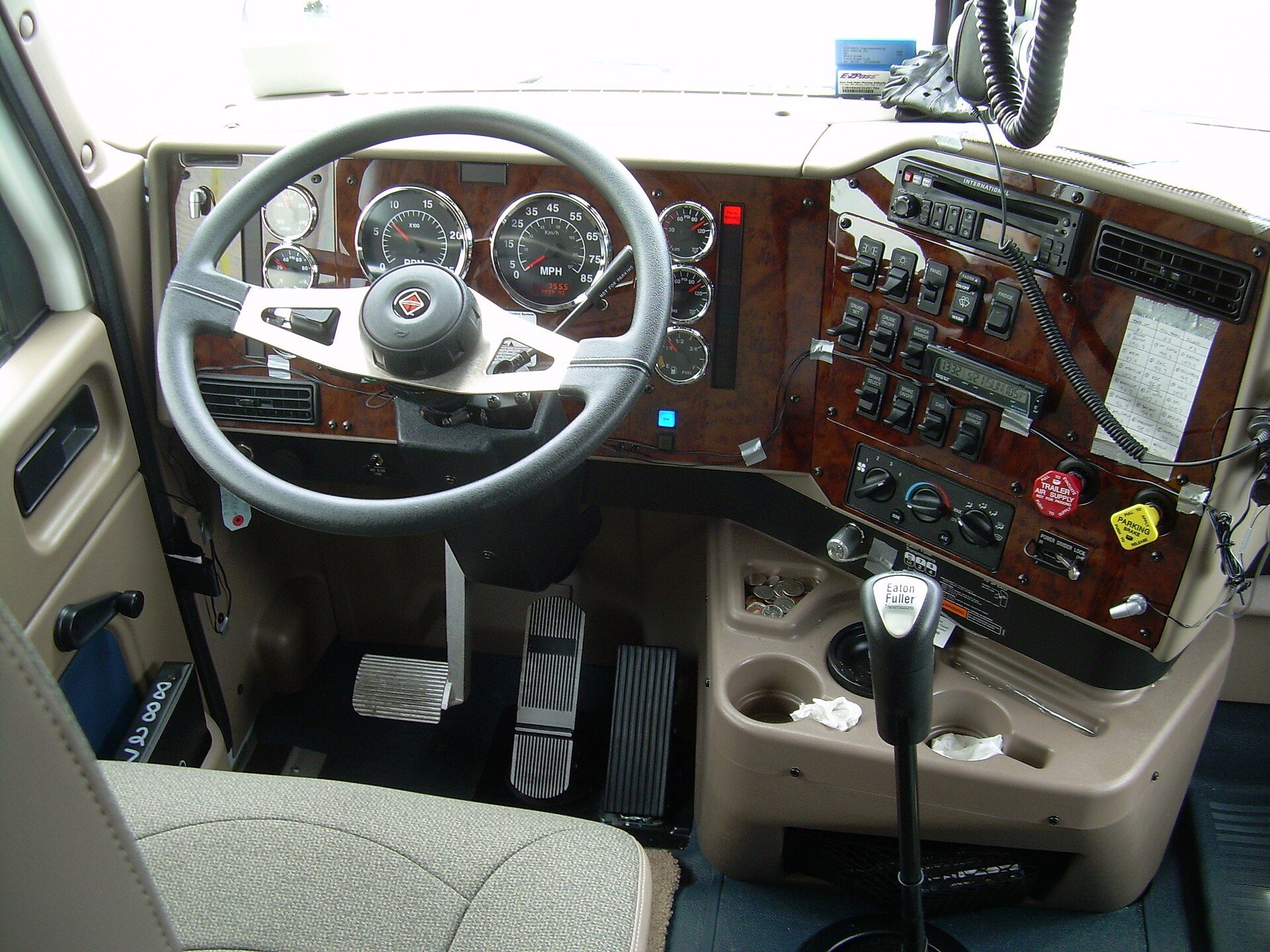
Photo: ErgoSum88 / Wikimedia Commons, Public domain

Common misunderstandings about truck licence classes
"A truck marked 1.9 tonnes can be driven on a B licence"
Sign: a newly licensed class B driver takes a light truck job. Cause: confusing payload with gross weight. Fix: read the gross weight on the inspection certificate; above 3,500 kg needs C1 or higher.
"With a class C you can drive a container truck"
Sign: a class C driver takes a tractor unit job. Cause: thinking C is the top truck class. Fix: remember that tractor units pulling semi-trailers are class CE.
"The new law makes old licences worthless"
Sign: rushing to exchange a licence or paying to retrain. Cause: rumours. Fix: old licences remain valid until the printed expiry date; exchanges follow the transitional rules.
"A licence a few months out of date is fine for now"
Sign: forgetting the expiry date on a 5-year class C licence. Cause: no reminder. Fix: put the expiry date in your phone, get the medical certificate and renew before it runs out.
Frequently asked questions
What can a class C licence drive?
Under the system in force from 1 January 2025: trucks and special-purpose vehicles with a design gross weight over 7,500 kg, towing up to 750 kg, plus all class B and C1 vehicles. It does not cover tractor units with semi-trailers (class CE) or buses with more than 8 passenger seats.
How many tonnes can a C1 licence drive?
Trucks with a design gross weight over 3.5 tonnes up to 7.5 tonnes. That is the weight of the whole vehicle fully loaded, not the tonnes of cargo.
How long does it take to get a class C licence?
Roughly 4–6 months from enrolment to test as an indication, depending on the school and test schedule. Mandatory training hours follow the current training programme.
Which truck licence class suits a newcomer?
Usually C1 if you are under 21 or want to start on light and medium trucks; C if you are old enough and want heavy trucks. Check the gross weight of the trucks your future employer runs.
What do I need to upgrade my licence?
A valid licence of the lower class, the minimum age for the new class, the required driving experience, a medical certificate, then upgrade training and testing at a driving school.
Practice tasks and self-assessment
- Ask to see the inspection certificates of 2 trucks (from someone you know or your workplace), note unladen weight, permitted cargo and gross weight, and say which class each needs.
- Compare 3 driving schools near you: classes offered, what the all-in fee includes, expected duration and test dates.
- Check your own licence (if you have one): class, issue date, expiry date, and set a renewal reminder.
Self-assessment criteria
- Pass: you can state the scope of B, C1, C and CE correctly and explain the difference between gross weight and payload.
- Pass: with a real inspection certificate, you identify the right licence class and your sum matches the printed figure.
- Pass: your school comparison clearly shows what is included and what costs extra.
- Not yet: choosing a class from the tonnage painted on the truck, or believing class C covers container trucks.
Once you know which licence you need, move on to the next step of the roadmap: Driving hours, tracking devices & health, where you learn the driving time limits, how journey-monitoring devices record each trip and how to stay fit for long hauls.
Keep learning to drive trucks: after licence classes and law come driving hours, pre-trip checks, reversing into docks, loading and securing cargo. See the 8-step truck driver roadmap.