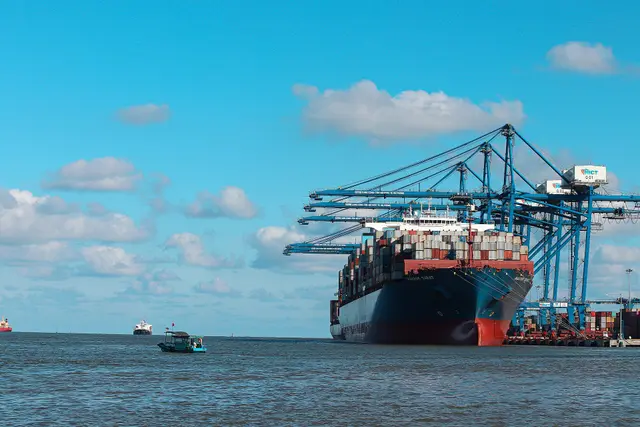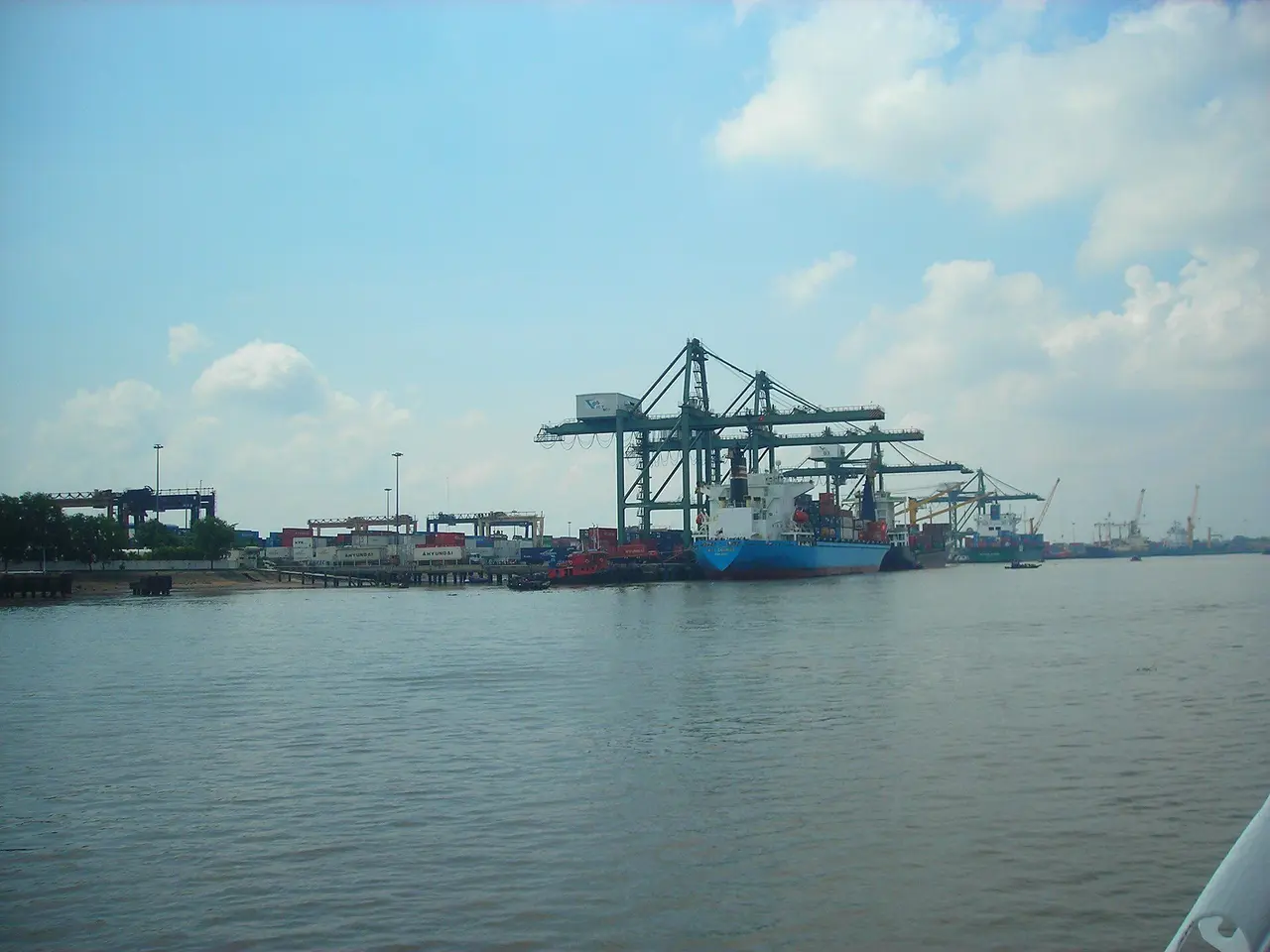
The export–import process is the chain of work from the moment a seller and a buyer in two countries sign a contract until the goods reach the buyer's warehouse and the money reaches the seller's account. It runs as three parallel flows: the flow of goods, the flow of documents and the flow of money. Newcomers often memorise each document but do not understand how they connect, so when one link slips (the vessel changes schedule, the bill of lading has a wrong name) they cannot tell which step is affected next. This is the first lesson of the roadmap: you will see the whole picture of one container shipment, who does what, which documents go with which step, when money moves, and the jobs available in the trade.
By the end of this lesson, you will be able to:
- Describe the role of the 6 main parties: seller, buyer, forwarder, shipping line, customs and bank.
- Draw the flow of goods for a container export from the factory to the buyer's warehouse.
- Name the main documents, who issues them and what they are for.
- Explain the money flow when payment is by telegraphic transfer (T/T) with a deposit and the balance against the bill of lading.
- Build a schedule and payment figures for a sample shipment with numbers that add up.
New to import–export? This is step 1 of the roadmap, before Incoterms, documents, HS codes, customs declarations and international payments. See the import–export officer roadmap to learn in the right order.
Three parallel flows in every shipment
Picture a shipment as three ropes running side by side. The flow of goods is the cargo moving from the factory to the port, onto the vessel, to the destination port and into the warehouse. The flow of documents is the paperwork proving what the goods are, who owns them, which vessel carries them and where they come from. The flow of money is the buyer paying the seller, and both sides paying fees to forwarders, shipping lines, ports and the state.
Why you must watch all three
The three flows bind each other. The buyer often pays the balance only after seeing the bill of lading (a document); the seller releases the original bill only after being paid in full; and the buyer needs the bill or a delivery order to collect the goods at destination. One wrong letter on the bill of lading can delay payment by a week and leave a container at the port running up charges.
Export and import are two ends of the same shipment
The shipment you export is someone else's import. An import–export officer in Vietnam may work for the exporter (getting goods to the port, clearing export customs) or the importer (receiving goods, clearing import customs, paying duties). Understanding both ends helps you anticipate what documents your counterpart needs.
The parties to an export–import shipment
A typical container shipment involves at least 6 main parties, not counting the port, insurers and specialised inspection agencies.
| Party | Main role | Related documents |
|---|---|---|
| Seller (exporter) | Makes or sources the goods, packs and delivers them under the contract | Issues the commercial invoice, packing list and export declaration |
| Buyer (importer) | Orders, pays, receives the goods, clears import customs | Opens the L/C (if any), files the import declaration, pays duties |
| Forwarder (freight forwarding company) | Books space, arranges transport and handles formalities for the shipper | May issue its own house bill (HBL), provides customs brokerage |
| Shipping line | Carries the container from the port of loading to the port of discharge | Issues the master bill (MBL) and the delivery order |
| Customs | Controls goods in and out, collects duties, fights smuggling | Receives declarations, assigns inspection channels, checks papers or goods |
| Bank | Transfers money, handles letters of credit and collections | Examines the document set when paying by L/C or collection |
How a forwarder differs from a shipping line
A shipping line owns or operates vessels and containers. A forwarder is an intermediary: it pools demand from many shippers, books space with lines, arranges trucking, files customs declarations and even consolidates small shipments. Small businesses usually deal with a forwarder because one contact handles many tasks.
Secondary parties you must not forget
- Ports, container yards and inland container depots (ICDs): where containers are lifted, landed and stored.
- Insurance companies: cargo insurance when the delivery term requires it or the shipper wants it.
- Specialised inspection agencies: plant and animal quarantine, food safety, quality, depending on the goods.
- Bodies issuing certificates of origin (C/O): so the buyer can claim preferential duty under trade agreements.
The flow of goods: from factory to port to the buyer's warehouse
Sea freight comes in two forms: full container load (FCL), when the goods fill one or more containers on their own; and less than container load (LCL), when a small shipment shares a container with other shippers. This lesson uses FCL because it is the easiest to picture.
At the export end
- Booking: the forwarder or shipper books space with the line and receives a booking confirmation with the vessel name, estimated time of departure (ETD) and the container cut-off.
- Picking up an empty container: a container truck (Figure 2) takes the release order to the depot, collects an empty box and checks it is intact, clean and dry.
- Stuffing and sealing: goods are loaded at the factory or warehouse, photographed, and the container and seal numbers recorded.
- Export customs declaration: the electronic declaration is filed and assigned a channel; green clears quickly, yellow means document checks, red means physical inspection.
- Gate-in at the port before the cut-off, with the declaration cleared so the container can be loaded.
- Vessel departs: the line or forwarder issues the bill of lading.
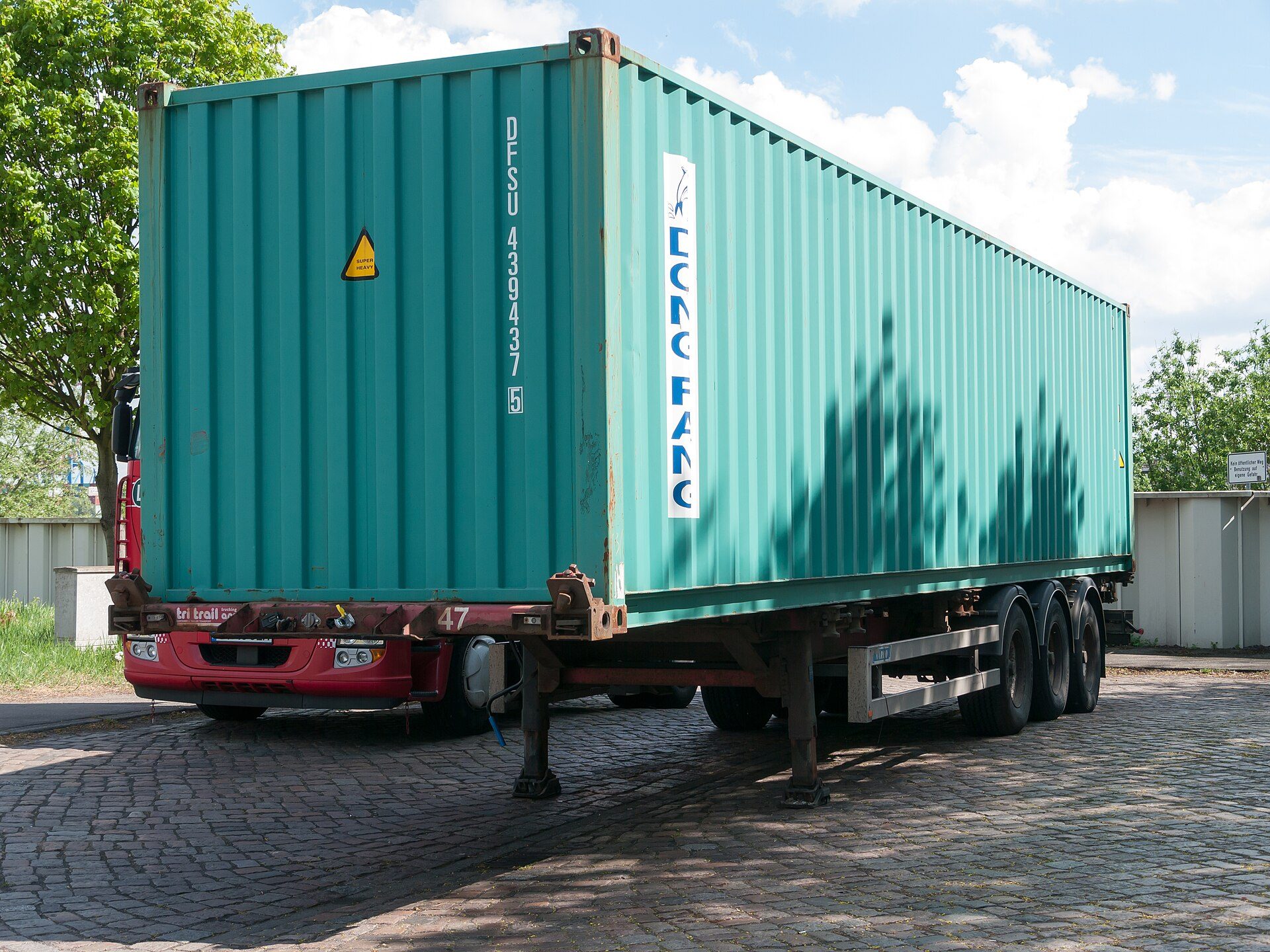
Photo: Matti Blume / Wikimedia Commons, CC BY-SA 4.0
At the import end
- Receive the arrival notice from the line or forwarder.
- Obtain the delivery order (D/O) once you hold the bill of lading or it has been released, and destination charges are paid.
- File the import customs declaration, pay duties and complete specialised inspections if required.
- Truck the container to the warehouse, unload and return the empty on time.
Free time for containers
Lines usually allow a number of free days for the container to sit at the terminal and to be used outside it. After that, demurrage (DEM) at the terminal and detention (DET) outside it are charged per day. Free days and rates differ by line, port and agreement; always ask when booking.
The flow of documents: which paper goes with which step
Each document answers a question: what is sold, at what price, how it is packed, on which vessel, where it originates and whether it has cleared customs. How to draft them is covered in the step "Preparing trade documents"; here you need the name, the issuer and the purpose.
| Document | Issued by | Purpose |
|---|---|---|
| Sales contract | Seller and buyer | Agree goods, price, delivery term and payment |
| Commercial invoice | Seller | Request payment; basis for customs value |
| Packing list | Seller | Number of packages, weight and volume of each |
| Booking confirmation | Shipping line or forwarder | Holds space on the vessel, states the cut-off |
| Customs declaration | The declarant | Declares exports or imports, calculates duties |
| Bill of lading (B/L) | Shipping line or forwarder | Receipt for goods shipped, evidence of the contract of carriage, may be the document to claim the goods |
| Certificate of origin (C/O) | Authorised body, or the exporter self-certifying under an agreement | Proves origin so the buyer gets preferential duty |
| Quarantine or quality certificate | Specialised agency | Shows the goods meet the importing country's requirements |
The bill of lading is the key document in sea freight
The bill of lading shows the shipper, consignee, vessel, port of loading, port of discharge, description of goods, and container and seal numbers. More than a century ago bills of lading already carried this core information (Figure 3). Today a bill can be a paper original, an electronic release (telex release, surrendered B/L) or an electronic bill, depending on the line and the agreement.
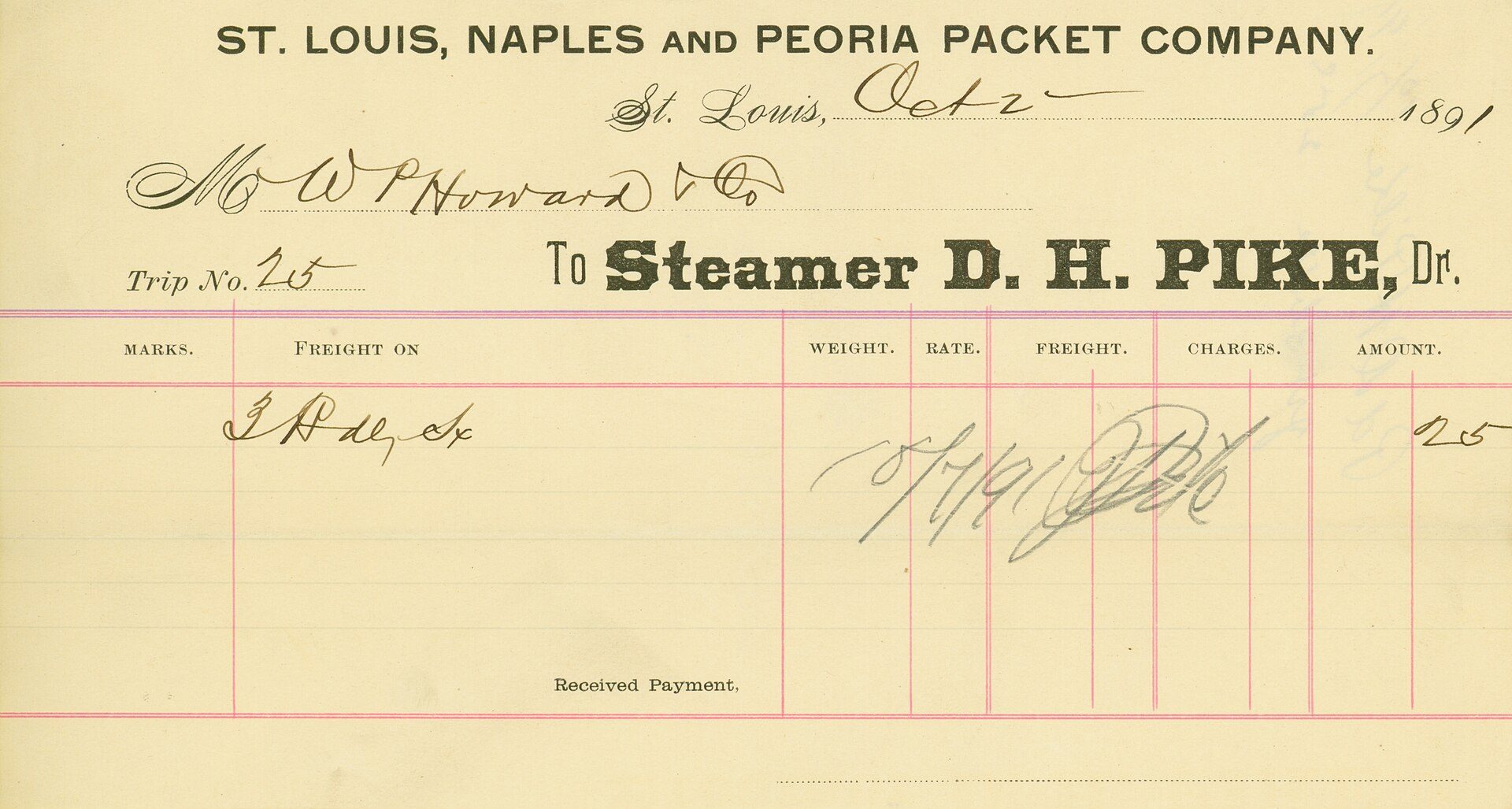
Photo: Unknown author Unknown author / Wikimedia Commons, Public domain
The golden rule: figures must match
Description of goods, number of packages, weight, container number and seal number must be identical on the invoice, packing list, declaration, bill of lading and C/O. One mismatched figure can trigger a customs query, a bank refusing the documents, or the buyer losing preferential duty.
The flow of money: who pays, and when
Money flows in two parts: payment for the goods between buyer and seller, and the fees and taxes each side pays to third parties. Who bears which fee depends on the Incoterms rule written in the contract.
Three common ways to pay for goods
- Telegraphic transfer (T/T): the buyer pays by bank transfer, often a deposit first and the balance on seeing a copy of the bill of lading. Simple and cheap, but the risk depends on mutual trust.
- Letter of credit (L/C): the buyer's bank undertakes to pay if the seller presents documents that comply with the L/C. Safer for the seller but demands extremely accurate documents.
- Documentary collection (D/P, D/A): the bank releases the documents to the buyer only against payment (D/P) or acceptance of a bill (D/A).
Fees and taxes
Exporters and importers pay items such as freight, terminal handling charges, documentation fees, trucking and customs brokerage, and the importer pays import duty and import VAT. Rates change by line, port and season; always get a written quote before the cargo moves.
Why the original bill of lading is the "key"
With original bills, whoever holds a valid bill has the right to collect the goods. So under T/T the seller usually keeps the original until paid in full, then sends it or asks the line for an electronic release.
Worked example: one container of wooden chairs to Los Angeles
A factory in Binh Duong sells one 40-foot container of wooden chairs to a buyer in the United States. The contract value is 24,000 USD, delivery at Cat Lai port, payment by T/T: a 30% deposit and the remaining 70% on receipt of a copy of the bill of lading. All figures are assumptions for practice, not market quotes.
Day-by-day schedule
| Day | Goods | Documents | Money |
|---|---|---|---|
| D0 | Contract signed, proforma invoice sent | ||
| D3 | Production starts | Booking made, confirmation received | 30% deposit received |
| D21 | Empty picked up, stuffed, sealed | Invoice, packing list, export declaration | Trucking and origin port charges paid |
| D22 | Gate-in at the port before cut-off | Declaration cleared | |
| D24 | Vessel departs | Draft B/L approved | |
| D25 | B/L issued, document copies sent | ||
| D28 | B/L released to the buyer | Remaining 70% received | |
| D44 | Vessel arrives in Los Angeles (about 20 days at sea) | Buyer clears import | Buyer pays destination charges and import duty |
Payment for the goods
- 30% deposit: 24,000 × 30% = 7,200 USD.
- Remaining 70%: 24,000 × 70% = 16,800 USD.
- Check: 7,200 + 16,800 = 24,000 USD.
Seller's costs in Vietnam (assumed)
| Item | Amount |
|---|---|
| Trucking Binh Duong – Cat Lai | 4,500,000 VND |
| Terminal handling charge at origin (THC) | 5,000,000 VND |
| Bill of lading documentation fee | 1,000,000 VND |
| Seal fee | 500,000 VND |
| Customs brokerage | 1,000,000 VND |
| Total | 12,000,000 VND |
Check: 4,500,000 + 5,000,000 + 1,000,000 + 500,000 + 1,000,000 = 12,000,000 VND (about 460 USD). From D0 to full payment (D28) takes 28 days; if the bill shows the wrong consignee and takes 3 days to amend, payment slips to D31 even though the vessel still left on D24. That is why documentation staff must check draft bills very carefully.
Jobs in the import–export trade
For the same shipment, each role handles one part. Newcomers usually start in documentation or field operations, and after 1–2 years may move into logistics sales or run import–export for a company.
| Role | Main tasks | Skills needed |
|---|---|---|
| Documentation officer | Draft and check invoices, packing lists, bills of lading, C/Os; file customs declarations | Care, English reading, Excel, declaration software |
| Field operations officer | Go to ports, depots and warehouses for formalities, attend inspections, collect delivery orders, hand over containers | Willingness to travel, communication, problem-solving |
| Logistics sales | Find customers for a forwarder, quote freight, look after accounts | Sales, knowledge of rates and routes, spoken English |
| Import–export officer at a manufacturer or trader | Work with suppliers, forwarders and customs for the company's own goods | A mix of documentation, field work and negotiation |
Reference income for newcomers in 2026 is about 7–12 million VND (roughly 270–460 USD) a month, depending on region, company and role; logistics sales adds commission on revenue.
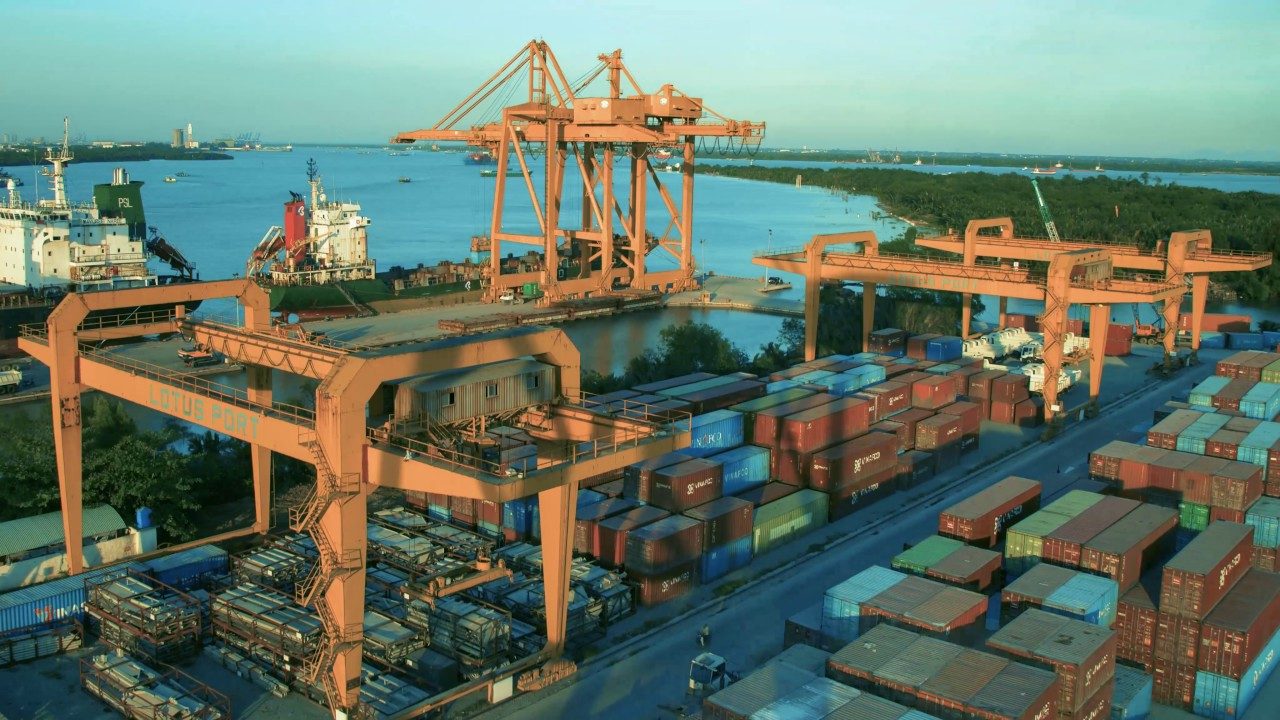
Photo: Lotusport.hcmc / Wikimedia Commons, CC BY-SA 4.0
Site safety and legal compliance
The trade carries two kinds of risk: accidents at ports, depots and warehouses, and legal risk from wrong declarations.
Safety warning: In ports, container yards and warehouses always wear a high-visibility vest, a hard hat and safety shoes, and stay on pedestrian walkways. Never stand under a container being lifted, never enter the working zone of forklifts or cranes, and never stand behind a reversing vehicle. Do not climb into a container until the truck engine is off and the wheels are chocked. Containers that have been fumigated may still hold toxic gas: do not open and enter them straight away; wait for a qualified person to test and ventilate them. When customs inspects the goods physically (Figure 5), follow the instructions of the officers and port staff.
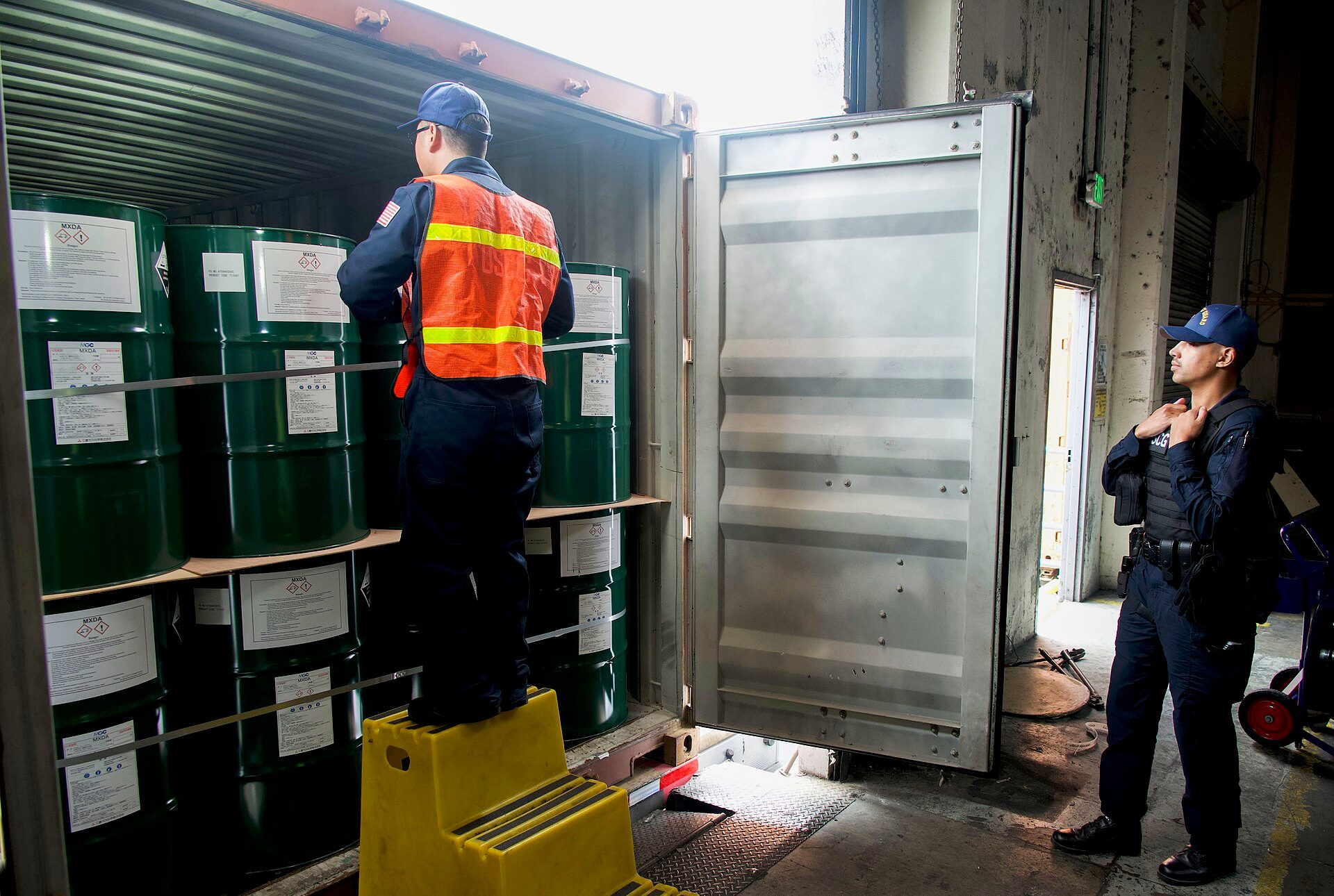
Photo: U.S. Coast Guard photo by Petty Officer 1st Class J.J. Huggins / Wikimedia Commons, Public domain
Declare honestly
Misdeclaring the description, quantity, value or origin of goods to cut duty or avoid inspection breaks customs law and can lead to fines, back taxes and worse. New staff must never change figures on someone's say-so without supporting documents. Vietnamese rules on customs, taxes and prohibited or restricted goods change often; always check the current regulations on the official customs portal and ask your supervisor.
Keep customer information confidential
A document set contains purchase and sale prices, partner names and bank details. Do not send it to anyone not involved, double-check email addresses before sending, and beware of fake emails asking to change the receiving bank account.
Common beginner mistakes
Wrong consignee name or address on the bill of lading
Sign: the buyer cannot collect the goods and the bill must be amended. Cause: the draft bill was not checked against the contract. Fix: check draft bills against a checklist and have the buyer confirm before issue.
Missing the cut-off
Sign: the container misses the vessel and rolls to the next sailing. Cause: stuffing time, trucking and traffic were not planned. Fix: schedule backwards from the cut-off with at least half a day of buffer.
Figures that do not match across documents
Sign: customs asks for an explanation, the bank refuses an L/C payment. Cause: one document was corrected and the others were forgotten. Fix: keep one master sheet of shipment data and take every figure from it.
Forgetting the empty return deadline
Sign: an unexpected demurrage or detention invoice. Cause: free days were not recorded. Fix: put the free-time deadline in your calendar as soon as the arrival notice comes in.
Frequently asked questions
What are the steps in exporting goods?
Sign the contract, receive the deposit or L/C, book space, prepare the goods, pick up the container, stuff it, clear export customs, gate in at the port, sail, issue the bill of lading, send the documents and get paid.
How does importing differ from exporting?
The importer receives the arrival notice, obtains the delivery order, files the import declaration, pays import duty and VAT, completes specialised inspections if needed, then trucks the goods in and returns the container.
What is a forwarder?
A freight forwarding company that books space with lines for shippers, arranges transport, files customs declarations and handles related formalities.
Can a beginner with weak English work in import–export?
You can start in field operations, but documents and international dealings use English every day. Study trade vocabulary and practise reading emails and sample contracts at the same time.
Practice and self-assessment
- Draw the three flows (goods, documents, money) for an import of one 20-foot container of machinery from Japan to Hai Phong port.
- Make a document table for that shipment: name, issuer and purpose.
- Redo the example with a 36,000 USD contract and a 20% deposit; work out the deposit and the balance.
- If the cut-off is 17:00 on D22, the factory is 4 hours from the port and stuffing takes 5 hours, find the latest stuffing start time with a 3-hour buffer.
Self-assessment criteria
- Pass: you state the roles of the 6 main parties and at least 6 documents with their issuers.
- Pass: the payment exercise gives a 7,200 USD deposit and a 28,800 USD balance, totalling 36,000 USD.
- Pass: the latest stuffing start is 05:00 on D22 (17:00 − 3 − 4 − 5 hours).
- Not yet: you confuse the forwarder with the shipping line, or cannot say which documents must have matching figures.
To see exactly how costs and risks are split between seller and buyer, move on to the next step of the roadmap: Incoterms & sales contracts. You can read what Incoterms 2020 is first to see how FOB and CIF would change the shipment in the example above.
Keep learning import–export: after the flow of a shipment come Incoterms, trade documents, HS codes and duties, electronic customs declarations and international payments. See the import–export officer roadmap.