The effective way to write a short video script is to split the video into 5 parts with clear durations: the hook (the first 3–4 seconds), the setup, a body broken into beats, the payoff and the call to action, then write everything into a two-column table, "visuals | spoken lines and on-screen text", with timing for every section. A good script lets you get every shot in one session, edit quickly and, most importantly, keeps viewers from leaving halfway. This lesson goes from the structure and how to size your script to the video length, through 5 templates for 5 types of video, to a complete 45-second script whose timings add up to the second.
By the end of this lesson, you will be able to:
- Split a 30, 45 or 60-second video into 5 parts with a specific duration for each.
- Write a script as a two-column visuals–words table, with a shot list to take to the shoot.
- Size the spoken lines to the video length and check them by reading aloud against a timer.
- Choose and apply the right template for how-to, storytelling, review, before-and-after and list videos.
- Check the script against a copyright, advertising and safety checklist before filming.
Want to become a content creator properly? Scriptwriting is step 2 of the roadmap, "Ideas, hooks and short scripts", right after choosing a niche and understanding the platforms' rules. See the 8-step content creator roadmap to learn in the right order.
What a short video script is and how it differs from a hook
A short video script is a second-by-second plan for the video: which shot appears, what you say, what text shows on screen and what sound goes with it. Many people think a 30-second video needs no script, so they just switch the camera on and talk. The usual result is 20 takes, stumbling lines, missing shots and a 90-second edit.
The hook is only the first 3–4 seconds
The hook keeps viewers from scrolling away; the script decides whether they watch to the end and act on the call to action. How to write the opening on its own is covered in the lesson how to write hooks for short videos; this lesson focuses on everything else and how the parts connect.
Why write it down
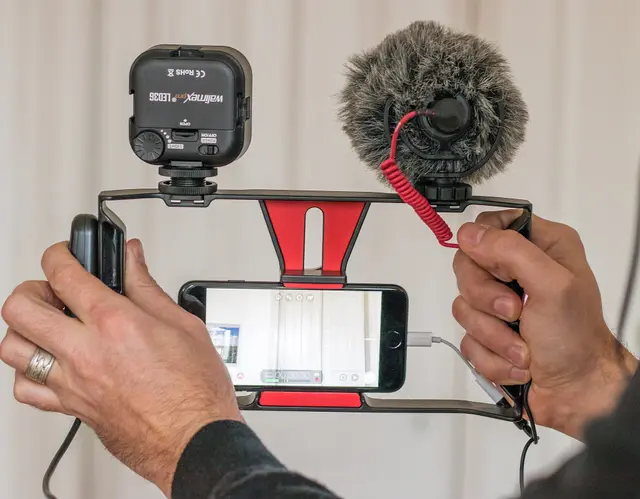
Writing it down (Figure 1) forces you to pick a single main idea per video and cut unnecessary lines before filming, not during editing. The script is also what you send a brand for approval before filming a sponsored video, so you avoid reshoots.

Photo: Shixart1985 / Wikimedia Commons, CC BY 2.0
The 5-part structure of a short video
Most short videos that hold viewers well follow the same frame, whether they are about cooking, repairs or reviews. The length of each part stretches or shrinks with the length of the video.
The five parts and the job of each
- Hook: promise a result or spark curiosity, and show the best image or the problem straight away.
- Setup: one or two sentences telling viewers who this is, what the situation is and what they need.
- Body in beats: 3–5 short beats, each one step, one idea or one development, with a change of shot at every beat.
- Payoff: deliver exactly what the hook promised, showing the finished result, a number or the ending.
- Call to action (CTA): one single action: save, comment, follow or watch the next video.
Time allocation table
| Part | 30-second video | 45-second video | 60-second video |
|---|---|---|---|
| Hook | 0–3 (3 seconds) | 0–4 (4 seconds) | 0–4 (4 seconds) |
| Setup | 3–6 (3 seconds) | 4–9 (5 seconds) | 4–10 (6 seconds) |
| Body | 6–24 (18 seconds) | 9–34 (25 seconds) | 10–48 (38 seconds) |
| Payoff | 24–28 (4 seconds) | 34–40 (6 seconds) | 48–55 (7 seconds) |
| CTA | 28–30 (2 seconds) | 40–45 (5 seconds) | 55–60 (5 seconds) |
Check: 3 + 3 + 18 + 4 + 2 = 30; 4 + 5 + 25 + 6 + 5 = 45; 4 + 6 + 38 + 7 + 5 = 60. This is a reference frame; a story video may need a longer payoff, and a quick-tip video can drop the setup entirely.
One video, one promise
The most common mistake is cramming three ideas into 30 seconds. Write the video's promise as one sentence before writing the script, for example "After this video, you will be able to boil a soft-boiled egg exactly how you like it". Any line in the script that does not serve that promise gets cut.
Writing the script as a two-column table with a shot list
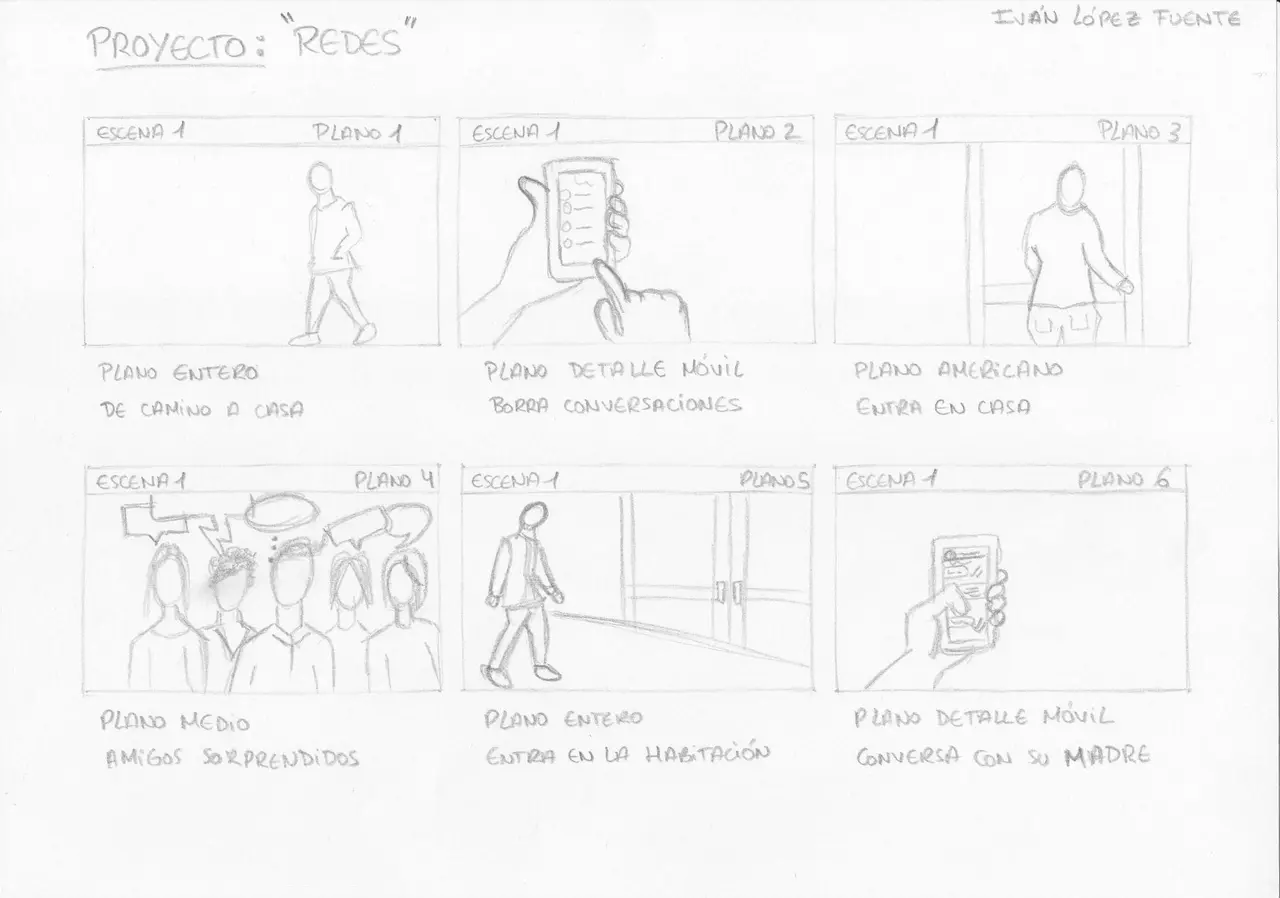
The two-column table is the tidiest format for a solo creator: the left column holds the visuals, the right column the spoken lines and on-screen text, with a time column at the start. When you need to picture the framing, sketch each shot quickly as a storyboard, as in Figure 2.
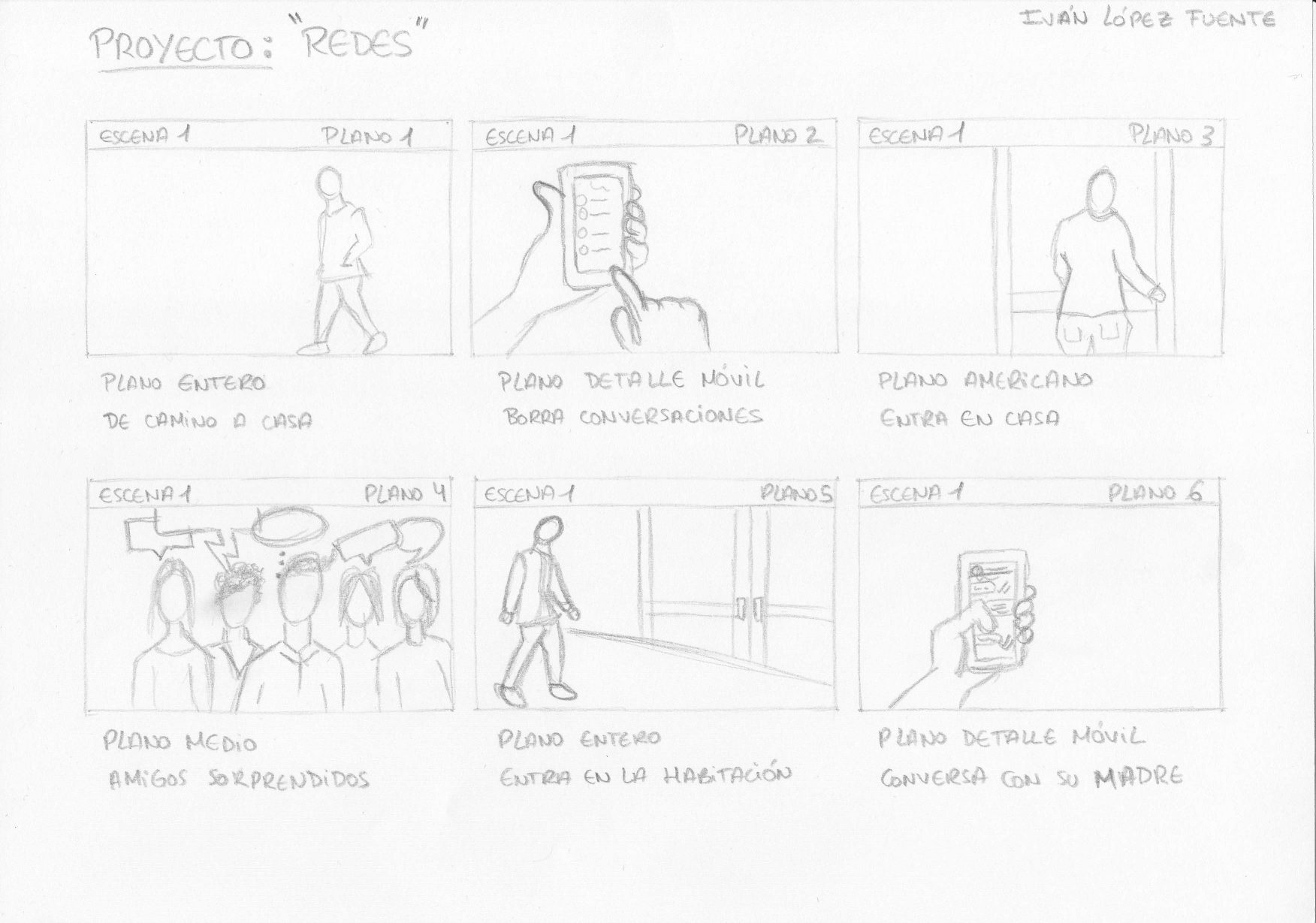
Photo: Iván López Fuente / Wikimedia Commons, CC BY-SA 4.0
A script table template
| Time | Visuals (shot) | Spoken line / on-screen text |
|---|---|---|
| 0–4 seconds | Close-up of the finished result, best angle | Line: the hook. Text: 5–7 words summing up the promise |
| 4–9 seconds | Medium shot of the person and tools | Line: setup, preparation |
| 9–34 seconds | One close-up of the hands per step | Line: "Step 1…", text: step number |
| 34–40 seconds | Close-up of the result, comparison | Line: answer the promise |
| 40–45 seconds | Speaker looking into the lens | Line and text: CTA |
Sizing the words to the video length
Speaking naturally, Vietnamese speakers say about 3–4 syllables per second, and Vietnamese scripts are best written at about 2.5–3 syllables per second of video, leaving room for pauses and visual-only shots. That means about 75–90 syllables for a 30-second video and 150–180 for 60 seconds. For English scripts, a comparable working figure is about 2–2.5 words per second. After writing, read it aloud against a timer: if you run more than 10% over, cut lines rather than talking faster.
The shot list: the list of shots you take to the shoot
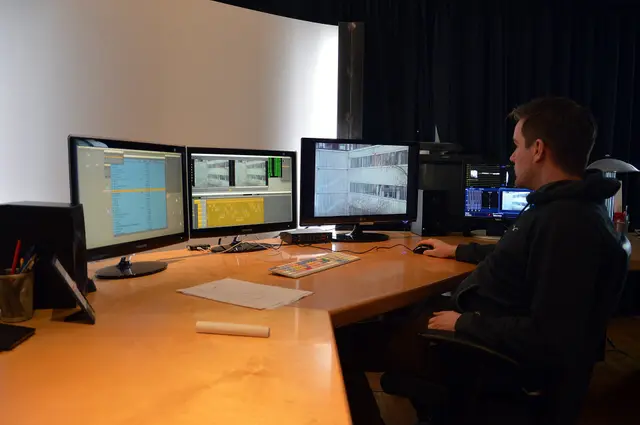
From the visuals column, group shots with the same camera angle and location into one list so you can film them in one go (Figure 3). Each line records: shot number, shot size, angle, props and duration needed. Film 2–3 extra seconds at the start and end of each shot to make cutting easier.
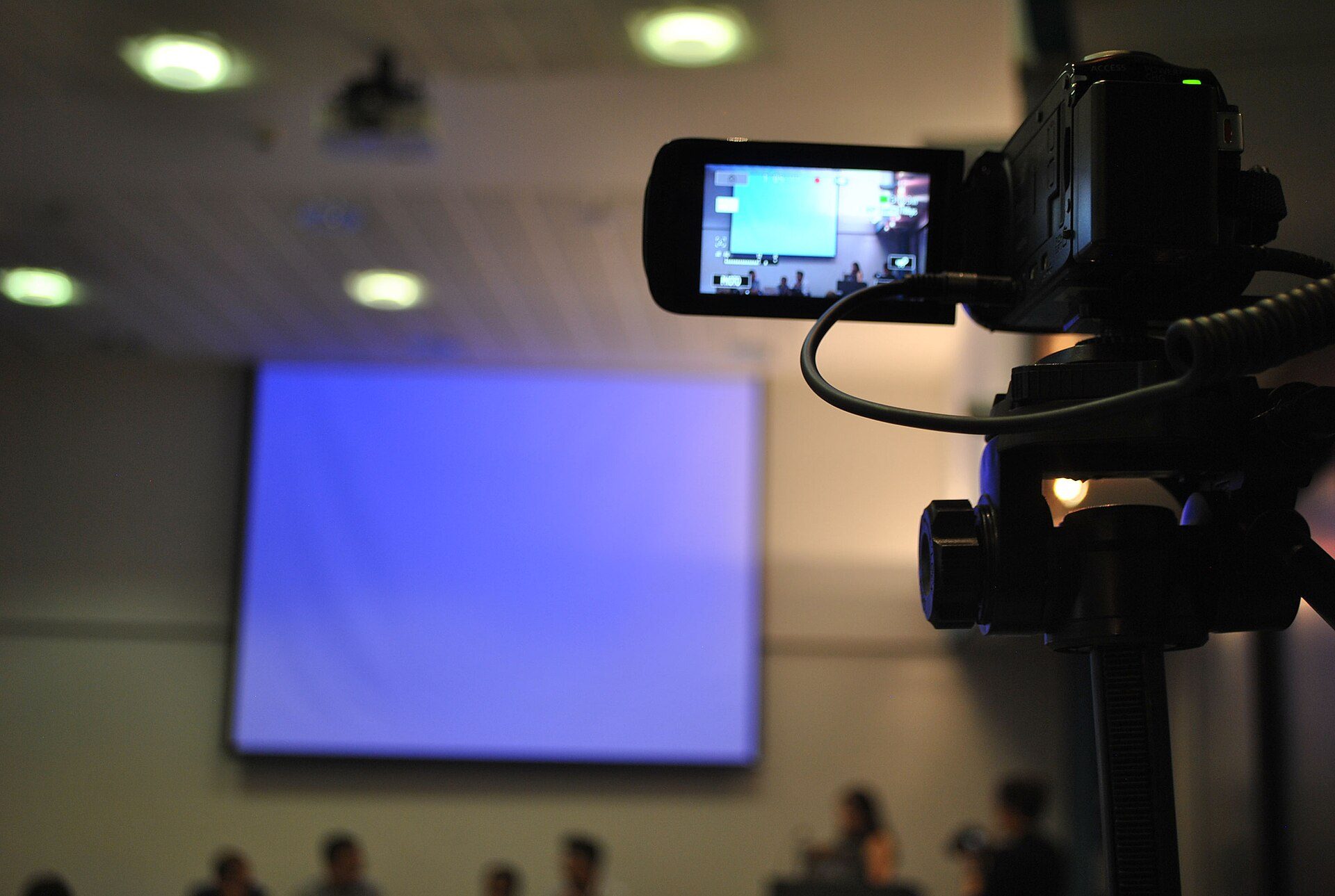
Photo: ProtoplasmaKid / Wikimedia Commons, CC BY-SA 4.0
5 script templates for 5 popular types of video
All five templates use the 5-part frame; they differ only in how the body is arranged.
| Video type | Body arranged by | The payoff should be |
|---|---|---|
| How-to | Numbered steps, one shot per step | A close-up of the finished result |
| Storytelling | Situation → obstacle → turning point | A lesson or a surprise ending |
| Review, comparison | Criteria 1, 2, 3, one test per criterion | A verdict on who it suits |
| Before and after | Current state → sped-up process | The "after" shot next to the "before" |
| List, mistakes | 3–5 items, strongest item last | A one-line summary |
The how-to and list templates
How-to: "Hook: finished result + a number. Setup: what you need. Body: Steps 1, 2, 3, 4. Payoff: finished result + a bonus tip. CTA: save it to try". List: "Hook: 3 mistakes that make… Body: mistakes 1, 2, 3 (each: the sign → the fix). Payoff: mistake number 3 is the one most people make".
The storytelling template
"Hook: a line or shot from the climax. Setup: before that, I… Body: then it happened, I tried A and failed, I tried B. Payoff: the result and the lesson in one sentence. CTA: has this happened to you?" Stories must be true; staging a fake story as real to sell something misleads viewers.
The review and before-and-after templates
Review: say clearly how long you have used the product, test it in front of the viewer and mention the downsides too. Before and after: film the "before" shot from the same angle and in the same light as the "after", otherwise the comparison is not honest.
Keeping viewers to the end
A good script has small "hooks" spread throughout, not only in the first seconds.
Open loops and close them
The hook opens a question and the payoff closes it. In the middle you can open smaller loops: "step three is where most people go wrong" (only if that is actually true). Viewers stay to find out the answer.
Change the picture every 2–4 seconds
Change the shot size or angle, add text or cut to a detail close-up about every 2–4 seconds in fast-paced videos. Mark the shot changes in the script so you film enough material to edit.
On-screen text and captions
Many people watch with the sound off. Prepare on-screen text for each part (5–7 words per line) and turn on captions; place text in the middle of the frame, away from the bottom and right edges where the app's interface covers it.
Worked example: a 45-second "soft-boiled egg" script
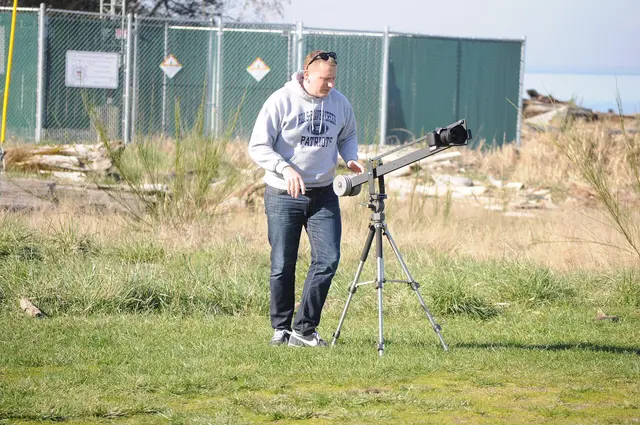
Lan's quick-cooking channel wants a 45-second video on how to make soft-boiled eggs. The promise: "After this video, you will be able to boil a soft-boiled egg exactly how you like it". Template chosen: a 4-step how-to (Figure 4 is the shot for step 2). The lines below are translated from Lan's Vietnamese script; the syllable counts refer to the Vietnamese original she records.
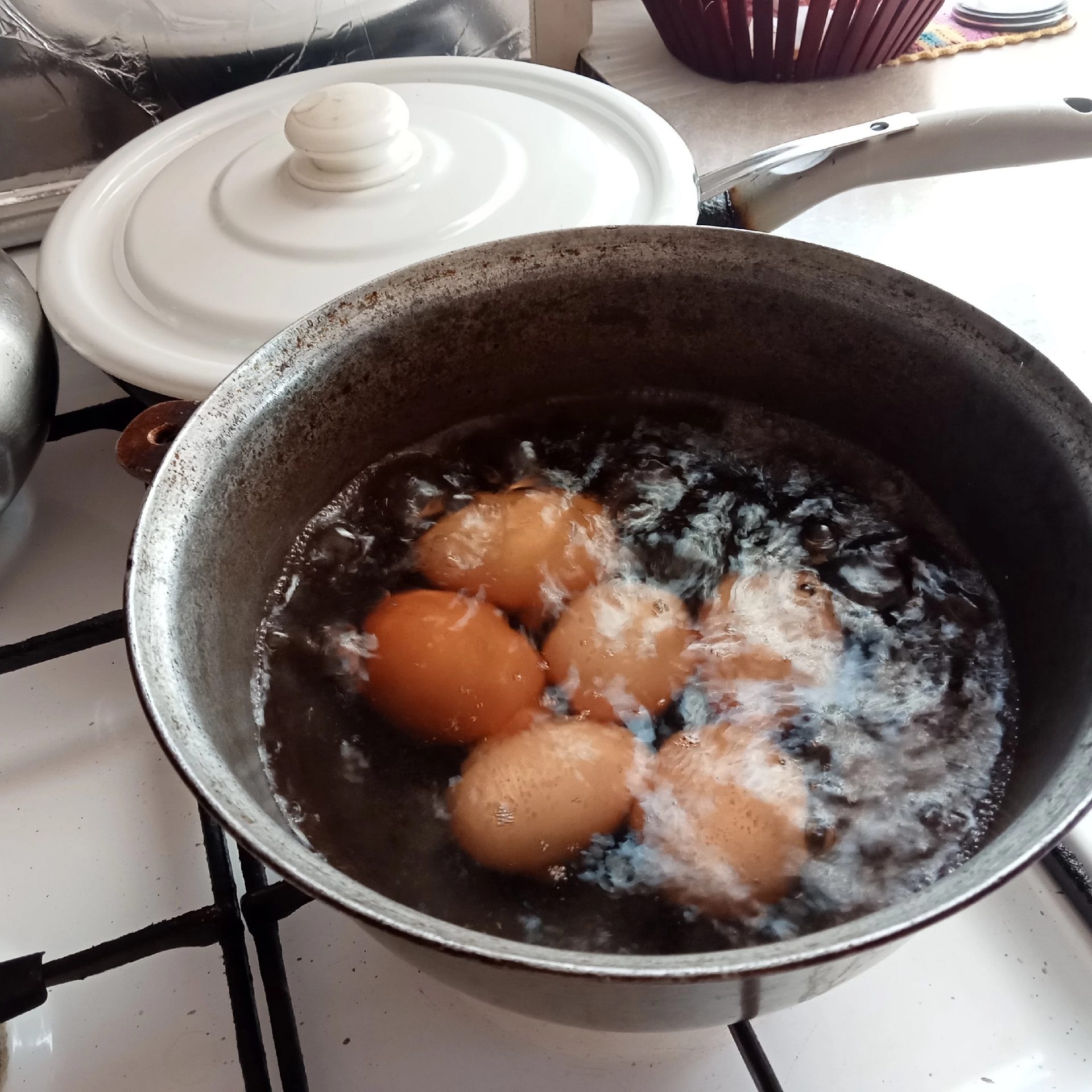
Photo: Florake / Wikimedia Commons, CC BY-SA 4.0
The complete script table
| Time | Visuals | Spoken line (translated) | Syllables (Vietnamese) |
|---|---|---|---|
| 0–4 (4 seconds) | A knife cuts an egg in half, the yolk oozes | "A perfect soft-boiled egg comes down to one number: six and a half minutes." | 14 |
| 4–9 (5 seconds) | Hand takes eggs from the fridge, pot of boiling water | "Medium eggs straight from the fridge, and the water must be at a full boil before they go in." | 16 |
| 9–14 (5 seconds) | Close-up of a ladle lowering an egg into the pot | "Step one: lower each egg gently with a ladle so the shell doesn't crack." | 12 |
| 14–21 (7 seconds) | Timer, eggs in boiling water | "Step two: set a timer for six minutes thirty seconds and turn the heat down to a gentle boil." | 17 |
| 21–28 (7 seconds) | Eggs lifted out into a bowl of ice water | "Step three: lift them straight into a bowl of ice water for two minutes to stop the cooking." | 16 |
| 28–34 (6 seconds) | Tapping the shell, peeling under the tap | "Step four: tap all around the egg and peel it under running water; the shell slips right off." | 15 |
| 34–40 (6 seconds) | Cut in half, close-up of the yolk | "Soft, set whites and a yolk like honey. For larger eggs, add thirty seconds." | 17 |
| 40–45 (5 seconds) | Lan holding a bowl of eggs, looking into the lens | "Save this to try tomorrow morning, and comment how many minutes you like your eggs." | 16 |
Checking duration and word count
Duration: 4 + 5 + 5 + 7 + 7 + 6 + 6 + 5 = 45 seconds, matching the 45-second frame above (hook 4, setup 5, body 5 + 7 + 7 + 6 = 25, payoff 6, CTA 5). Syllables: 14 + 16 + 12 + 17 + 16 + 15 + 17 + 16 = 123, an average of 123 ÷ 45 ≈ 2.7 syllables per second, within the 2.5–3 range. The hook packs 14 syllables into 4 seconds (3.5 per second), which is a little fast but still natural speech; if Lan stumbles when reading it aloud, she drops one word.
The shot list drawn from the script
- Overhead on the kitchen counter (filmed together): cutting the egg for the opening, cutting the egg for the payoff, tapping and peeling.
- Angled from above the pot: lowering the eggs, eggs in boiling water, lifting them out.
- Close-ups: the fridge, the timer, the bowl of ice water.
- Medium shot of Lan looking into the lens: the CTA line, filmed 3 times to pick the most natural take.
Grouped by camera angle, Lan only needs to set up the camera 4 times instead of 8 times in script order. When filming with boiling water and an open flame: use a ladle, keep light cables and the tripod away from the stove, and keep small children away from the filming area.
A 6-step scriptwriting process
- Write the one-sentence promise and choose the template that fits the type of video.
- Choose the length and copy the time allocation frame into the table.
- Write 3 versions of the hook and pick the one that states the promise most clearly.
- Write the body in beats, one main line per beat, marking where the shots change.
- Write a payoff that delivers the promise and one single CTA.
- Read it aloud against a timer, cut extra lines, pull out the shot list and run the checklist below before filming.
Copyright, advertising and safety
The script is the best place to stop risks before you press record, because fixing paper is cheaper than taking a video down.
Checklist before filming: Only use music, images and footage you have the right to use (the platform's sound library, royalty-free music under its conditions); do not cut in other people's films or TV shows. Videos where a brand pays you or gives you products must be labelled as advertising or paid partnerships under the platform's policy and the advertising rules in force in Vietnam; do not claim that foods or cosmetics cure illnesses. Do not film dangerous stunts for views (heights, fire, chemicals, filming while driving), and do not film children's faces or strangers in private places without permission.
Keep your scripts for reuse
Keep every script in one folder or spreadsheet, noting views and completion rate after publishing. After 10–20 videos you will see which templates suit your channel and can reuse the frame, changing only the content.
Common mistakes when writing short video scripts
Writing like an essay
Sign: it sounds stiff when read aloud, with lots of connectors such as "however" and "therefore". Cause: writing to be read rather than spoken. Fix: say it out loud after writing, and rewrite any awkward line as if you were telling a friend.
A setup that runs too long
Sign: retention drops sharply between seconds 4 and 10. Cause: introducing yourself and explaining why you made the video. Fix: keep the setup to 1–2 sentences at most and put the channel introduction in the description or profile.
No visuals column
Sign: after editing, the whole video is one talking-head frame. Cause: the script only has words. Fix: every spoken line needs a matching shot in the left column, with at least one close-up per body beat.
Ending with several CTAs
Sign: "like, share, follow, comment, visit the shop". Cause: wanting to make the most of the video. Fix: choose one single action that fits the video's goal.
Frequently asked questions
How long should a short video script be?
For a Vietnamese script, about 2.5–3 syllables per second of video: about 75–90 syllables for 30 seconds and 150–180 for 60 seconds. For English, roughly 2–2.5 words per second. Always read it aloud against a timer to check.
Does a video with no talking, only text and music, need a script?
Yes. The spoken-line column becomes an on-screen text column, and each line of text needs enough time to be read (usually 2–3 seconds for 5–7 words). The visuals and time columns stay the same.
Should I use AI to write short video scripts?
AI can suggest outlines, several hook versions or tighter sentences. But the information, numbers and real experience must be yours and must be checked, especially for health, finance and legal content.
Which short video script template suits beginners?
The how-to and list templates are easiest because the body already has an order. Storytelling is harder; practise it once you are used to timing your scripts.
Practice exercises and self-assessment
- Pick something you do well, write a one-sentence promise and a 30-second script in the two-column table, noting the syllable or word count for each line.
- Rewrite the same content using the list template, "3 mistakes when…".
- Pull a shot list from the 30-second script, grouped by camera angle.
- Read both scripts aloud against a timer and record the actual durations.
Self-assessment criteria
- Pass: the durations of the parts add up to exactly 30 seconds, with about 75–90 syllables in total (or about 60–75 words in English).
- Pass: reading aloud is no more than 3 seconds off the planned duration.
- Pass: every spoken line has a matching shot, there is exactly one CTA, and the payoff delivers the promise.
- Not yet: more than one main idea, no visuals column, or music whose rights are unclear.
With a script and shot list ready, the next step of the roadmap is Filming on a phone: framing, light and sound, where you turn every line in the visuals column into a clear, well-lit shot with clean audio.
Keep learning to be a content creator: after scripting come filming on a phone, editing with CapCut, growing the channel and reading the numbers, then earning from bookings and affiliate marketing. See the 8-step content creator roadmap.