A female client books a facial before her best friend's wedding and says: “Please squeeze out all my spots for me.” Examining her skin, you see many small black dots on her nose and chin and tiny white bumps scattered across her forehead, but on her left cheek there are three red, swollen spots that hurt when touched, and under her chin there is a deep, hard lump. Which ones can be extracted, and which ones must not be touched?
You only extract non-inflamed blemishes (blackheads, whiteheads/closed comedones) after the skin is clean and softened, with gloved hands and sterile tools. The red swollen spots and the hard lump are left alone; you explain this to the client and advise her to see a dermatologist if the inflamed acne persists or is very painful.
This lesson covers comedone extraction only. Basic facials, skin structure, tool disinfection and the health intake form have their own lessons; here we only mention the related points. By the end of this lesson, you will be able to tell extractable blemishes from those you must not touch, recognise when to postpone or refer to a dermatologist, prepare an aseptic set-up, carry out extraction step by step with clear stopping rules, and give the client correct aftercare advice.
What extraction is and the limits of a therapist's role
Comedone extraction (often simply called “squeezing spots”) means pushing out the plug blocking a pore. The plug is made of sebum and dead skin cells trapped in the hair follicle. When the pore opening is open, the plug is exposed to air and darkens: a blackhead. When the opening is covered by skin, the plug sits under the skin as a small white or skin-coloured bump: a whitehead or closed comedone.
Extraction is a pore-cleansing step, not an acne treatment. The therapist does not diagnose, does not prescribe medication and does not promise “clear skin”. Three principles:
Only extract “ready” plugs: clearly visible, shallow, and easy to release with light pressure. If it does not come out, leave it.
No fingernails, no bare hands. Always wear gloves; touch the skin with sterile tools or gloved fingers wrapped in clean cotton or gauze.
Stay within your permitted scope. Using a needle or lancet to open a plug is an invasive procedure; whether you may do it depends on current law, spa rules and whether you have been trained. Many spas do not allow therapists to use needles. If you are not sure, do not do it.
Identifying types of blemish before you touch
Examine the skin under a magnifying lamp and sort the spots into groups. This is not a diagnosis; it is to know what you are allowed to do.
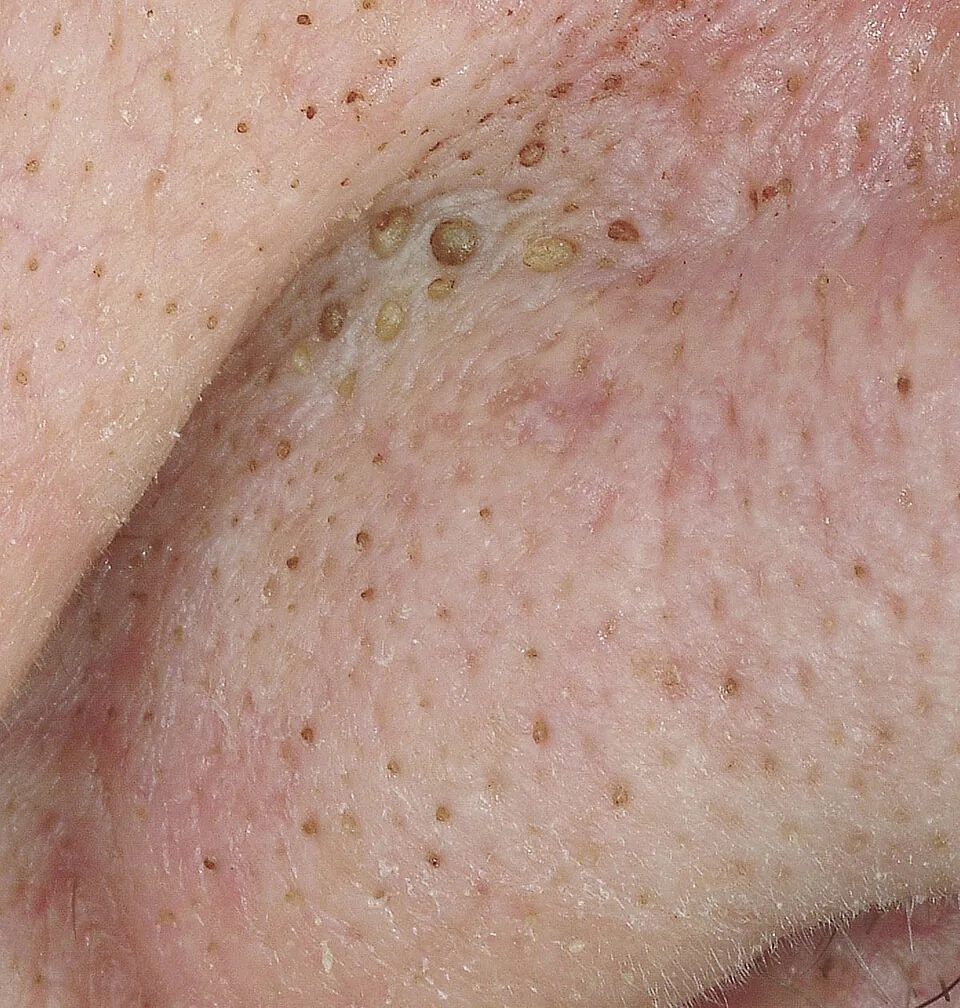
Non-inflamed acne: the group you may extract
Blackheads: black or dark brown dots at the pore opening, common on the nose, chin and forehead; the surrounding skin is not red or painful. Distinguish them from enlarged pores with sebum on the nose: small, pale grey, evenly spaced dots that release a thin thread of sebum when pressed and fill up again within a few days. These do not need thorough squeezing; pressing a lot only makes the skin red.
Whiteheads, closed comedones: small ivory-white or skin-coloured bumps, slightly raised, not red, not painful, often in clusters on the forehead, chin and cheeks. Because the pore opening is covered, they are harder to extract; many will come out after the skin has been softened.
Inflamed acne: the group you do not extract
Papules are red, swollen, painful spots without a pus head. Pustules have a white-yellow head on a red base. Nodules are hard, large, painful, deep lumps. Cysts are tense, fluid-filled lumps. Squeezing them can rupture the follicle wall under the skin, spread the inflammation and leave dark marks and scars. Do not squeeze, do not lance.
Spots that are not comedones: do not touch
Milia (hard white grains like broken rice, with no pore opening, often around the eyes), moles, warts, bleeding spots, ulcers, and new spots or spots that are changing colour or growing: you do not guess what they are and you do not try to squeeze them. Note it on the form and advise the client to see a dermatologist. If something looks unusual, do not treat it.
Quick reference table: extract or not
Type of spot | How to recognise it | May the therapist extract it? | What to do |
|---|---|---|---|
Blackhead | Black/brown dot at the pore opening, surrounding skin not red, not painful | Yes, if there are no contraindications | Soften the skin and press lightly with a sterile tool; stop if it does not come out after a few attempts |
Enlarged pore with sebum | Small, evenly spaced pale grey dots on the nose; sebum comes out as a thin thread | Limited, only if it comes out easily | Cleanse, do not squeeze much; give home-care advice |
Whitehead / closed comedone | Small ivory-white or skin-coloured bump, slightly raised, not red, not painful | Yes, if the plug releases easily after softening | Press lightly; if the opening needs to be opened, only a trained person authorised by the spa may do it |
Papule | Red, swollen, painful spot with no pus | No | Do not touch; advise seeing a doctor if there are many or they persist |
Pustule | White-yellow pus head on a red base | No | Do not squeeze or rub; advise seeing a doctor if there are many or they keep returning |
Nodule / cyst | Hard lump or tense swelling, large, painful, deep | No | Do not touch; advise seeing a dermatologist |
Milia | Hard white grain with no pore opening, often around the eyes | No | Do not press; advise asking a dermatologist |
Unusual spot, mole | Bleeding, ulcerated, new, changing colour or growing | No | Do not touch; note it on the form and advise seeing a dermatologist |
When not to extract and when to refer to a dermatologist
The information below was collected during the consultation; check it again before extracting.
Postpone or do not extract
Taking prescribed oral acne medication, especially isotretinoin: the skin is thin, dry and slow to heal. Do not extract while the client is on the medication and for a period after stopping as advised by the doctor; many sources mention about 6 months (for reference).
Using a retinoid (tretinoin, adapalene, etc.) or a prescription topical on the face: follow the prescribing doctor's guidance and spa rules; if unclear, do not extract on the treated area.
Recent peel, laser, microneedling or strong exfoliation, or skin that is peeling or sunburned.
Dense inflamed acne on the area to be treated; broken, infected skin, eczema, a dermatitis flare-up, or active cold sores (herpes).
Skin that flushes easily, broken capillaries: pressure and steaming can make the redness worse.
History of keloid scars or skin prone to dark marks: extract only a few very easy plugs, or do not extract.
Taking anticoagulants, bleeding or bruising easily, or a condition that slows wound healing: ask whether the client has a doctor's opinion; if unsure, do not do it.
Eyelids, around the eyes, the lip line: do not extract with tools.
Signs that the client should be advised to see a dermatologist
Nodules, cysts, or many painful inflamed spots that keep coming back; acne that leaves scars or long-lasting dark marks.
A sudden acne breakout, especially in someone who never had acne before.
Moles or unusual spots that change colour or size, bleed or do not heal.
An area of skin (after the client squeezed it or after treatment) that is swollen, hot, with spreading redness, pus or increasing pain.
If swelling and redness spread quickly, the pain is severe, especially around the nose and upper lip, or the client has a fever or feels unwell, advise the client to see a doctor immediately. A gentle way to say it, without diagnosing:
“These red, swollen spots are inflamed; if I squeeze them they are likely to swell more and leave darker marks. Today I'll extract the blackheads and whiteheads and calm the red areas for you. If these spots keep coming back or hurt a lot, you should see a dermatologist.”
Aseptic preparation: hands, gloves, tools and sharps
Extraction can create tiny abrasions, so asepsis is mandatory. The detailed disinfection procedure is in the lesson on cleaning and disinfecting tools; below are the points specific to this step.
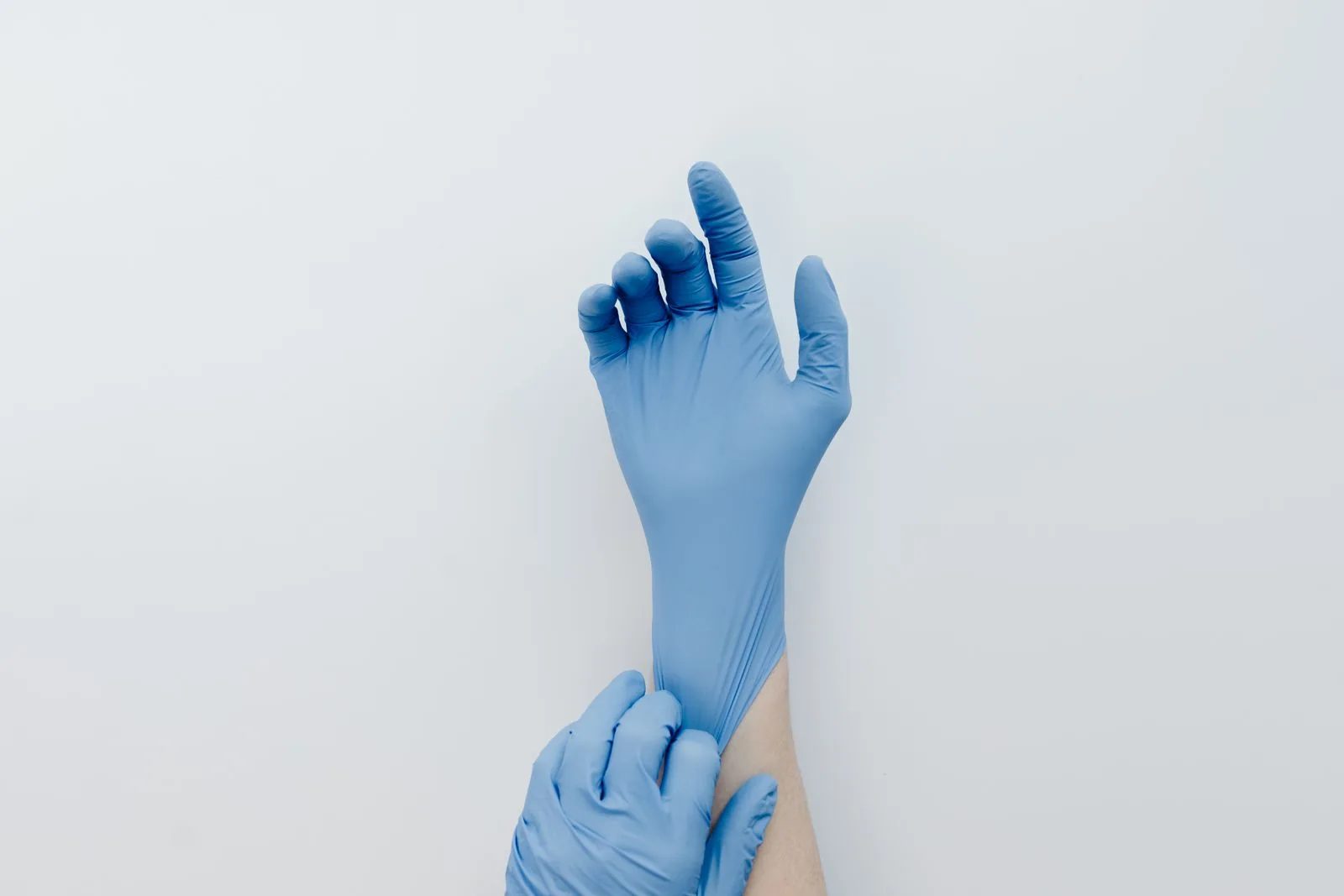
Hands and gloves: wash or sanitise your hands, keep nails short, no rings. Put on new disposable gloves for each client (latex-free gloves if the client is allergic to latex). Change gloves if they tear, if you touch your phone, hair, a drawer or bottles that have not been disinfected, or if the gloves have product on them before the extraction step.
Comedone extractor (loop or spoon tip): clean and sterilise it according to the spa procedure after each client and store it in a closed box; disposable ones are thrown away after each client. If it falls on the floor or touches anything non-sterile, use another one.
Sterile single-use needles or lancets: only if the spa allows it and you have been trained; one needle per client, never reused.
Sterile cotton and gauze pre-cut into pieces; skin antiseptic as specified by the spa, poured into a separate small cup — do not dip used cotton into the shared bottle.
Sharps: a rigid container with a lid within reach; put used needles in it immediately, do not recap needles with two hands, and never throw them in the general waste bin. If you get a needlestick injury: wash under running water with soap, report to your manager immediately and follow the spa's exposure procedure.
Step-by-step extraction procedure
The order and products follow your spa's procedure.
Step 1: Re-read the form, ask quick questions and inform the client
Ask again: “Have you recently used any oral or topical acne medication?”, “Have you just had a peel or laser treatment?”, “Does your skin tend to form raised scars?”. After cleansing, examine the skin, decide which areas you will extract and which to avoid, and tell the client.
Step 2: Remove make-up and cleanse
The skin must be free of make-up, sunscreen and oil; otherwise, when you press, you push dirt into the pores. Remove make-up area by area, wash the face with a cleanser suited to the skin type, and wipe clean with cotton or clean sponges reserved for that client.
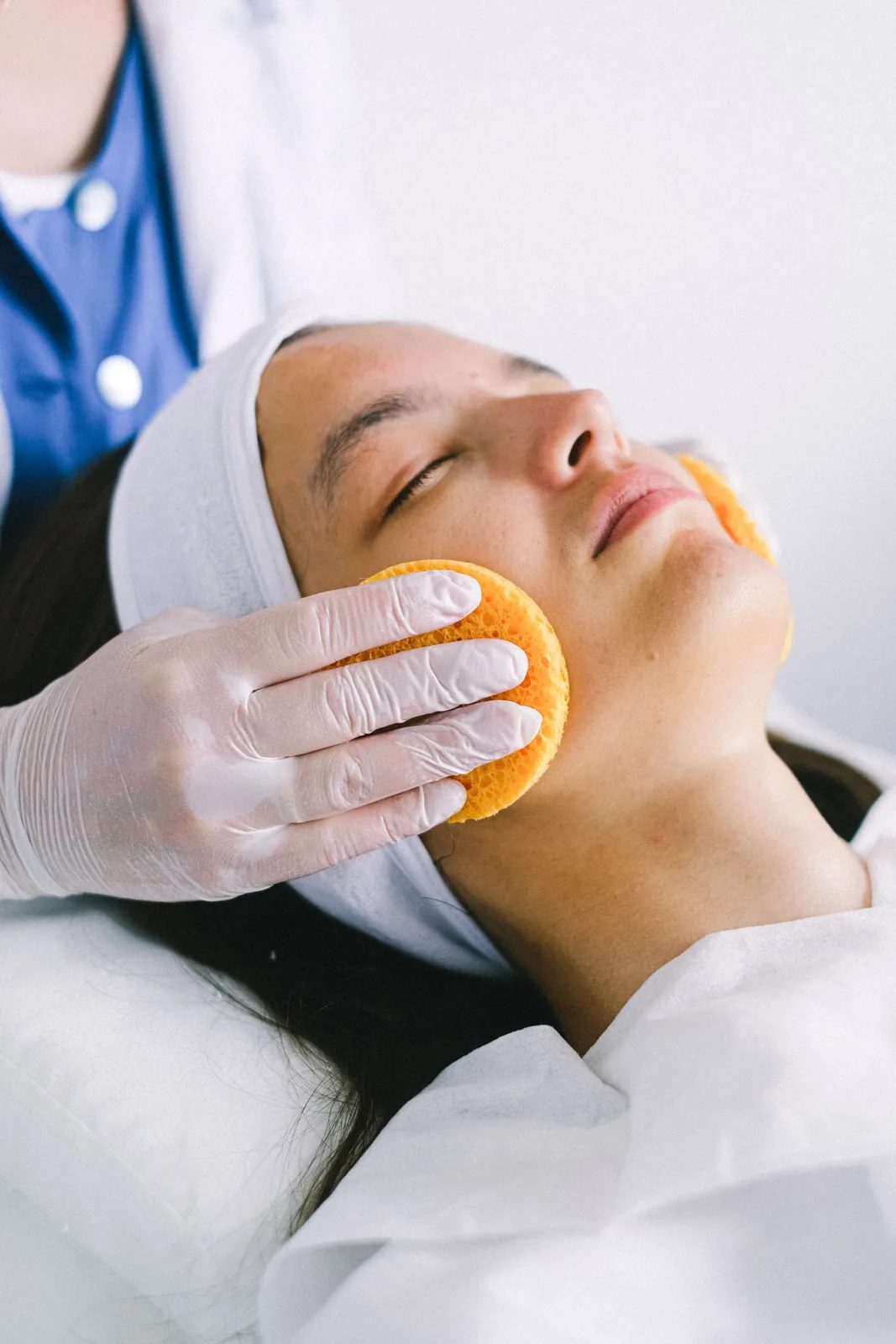
If you exfoliate, choose a gentle product and do not scrub hard on the area about to be extracted.
Step 3: Soften the skin
Warm, moist skin means soft plugs and less need to press hard. You can use a facial steamer, apply a warm towel or use a plug-softening product according to the spa procedure.
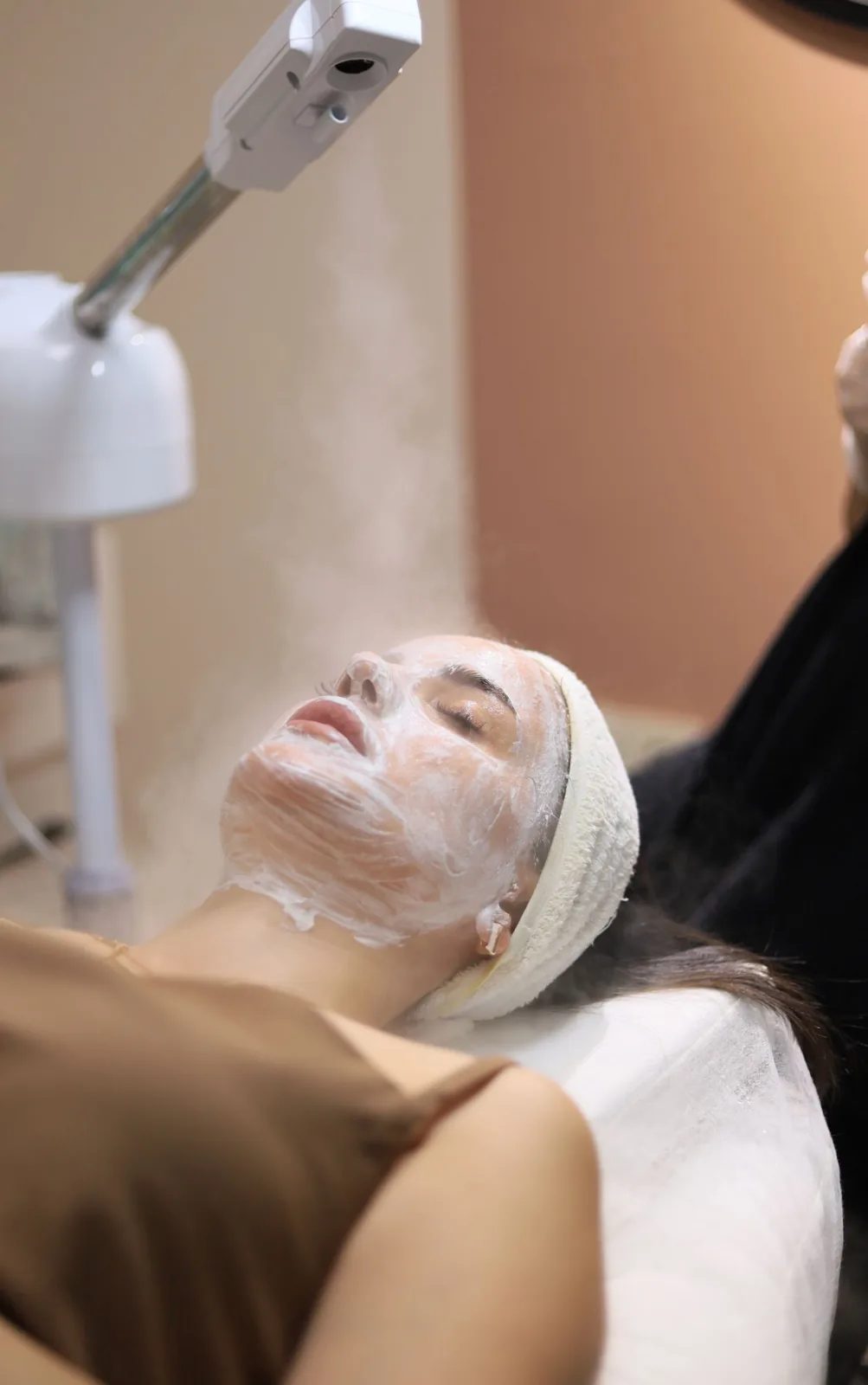
Steaming: let the steamer produce steady steam before pointing the nozzle at the client's face, keep the distance given in the device instructions and keep the time short (many procedures use about 5–10 minutes, for reference). If the client feels too hot, move the steamer back or stop.
Warm towel: test it on the inside of your wrist first; the towel should be just warm, not hot.
Skip steaming for skin that flushes easily, has broken capillaries or is irritated, or if the client has difficulty breathing or feels dizzy.
Step 4: Disinfect the work area
Change gloves if they have product on them. Wipe the area to be extracted with cotton soaked in skin antiseptic, using a fresh piece for each area, and wait for it to dry as per the product instructions. Do not let the solution run into the eyes or onto the lips.
Step 5: Extraction
Loop extractor: place the loop around the plug so it sits in the centre, press down lightly and evenly, then slide slowly in one direction. Do not rub, twist or press with the edge of the tool.
Two gloved fingers wrapped in gauze: wrap sterile cotton or gauze around the tips of both index fingers, place them on either side of the spot a small distance away, press down lightly and then bring them together as if lifting the plug up. Do not squeeze straight onto the spot and do not use your nails.
Whiteheads that will not release: if a spot needs to be opened, only a person who has been trained and authorised by the spa may do it, using a sterile single-use needle or lancet to make a very shallow opening at the top of the spot. If you have not been trained, skip it.
Stopping rules:
Nothing comes out after a few light presses (many places teach a maximum of 2–3 attempts per spot, for reference): stop and leave that spot.
Clear fluid or blood appears: stop on that spot, press lightly with sterile gauze and do not squeeze further.
Redness spreads or the client feels a lot of pain or stinging: stop the whole area.
Limit the total time according to spa rules; many places allow about 10–15 minutes for the whole face (for reference). Do not try to clear everything in one session.
Wipe away the extracted plugs with fresh gauze and change the gauze often. Skip the eyelids, the eye area and the lip line; around the nose and upper lip, only extract small non-inflamed plugs, gently.
Step 6: Disinfect again and soothe
Wipe again with skin antiseptic, then soothe with a gentle mask or a cool towel according to the procedure. Do not massage firmly over freshly extracted areas, and avoid strong fragrances and high-concentration acids.
Step 7: Light moisturiser and sunscreen
Apply a light, non-comedogenic moisturiser, followed by sunscreen if the client is about to go outdoors. Freshly extracted skin is usually more sensitive to sunlight.
Step 8: Clear up and complete the form
Put needles in the sharps container, waste in the correct bins and tools in the reprocessing area. Record on the form: areas treated, areas not touched and why, skin reaction, and the advice given.
Aftercare advice for the client
Keep it short and clear; you can print it on a small card:
The skin may be slightly red at the extracted spots for a few hours up to the end of the day (for reference).
Do not squeeze any more yourself and do not pick at small scabs; avoid touching your face.
Avoid heavy make-up for the day; many spas advise waiting about 12–24 hours (for reference).
Avoid steam rooms, saunas, swimming pools and heavy sweating on the same day; no strong exfoliation for a few days.
Wash gently, moisturise, use sunscreen and cover up when going out.
Contact the spa and see a doctor if there is swelling, heat, increasing pain, pus, spreading redness or fever.
Real-life situations
Situation 1: A client wants a nodule squeezed before an event
The client from the start of the lesson says: “Squeeze them all, I'm trying on my dress tomorrow.” You explain that squeezing inflamed spots can make them swell more and leave darker marks. You only extract the blackheads on the nose and chin and the closed comedones on the forehead, soothe the whole face, skip the left cheek and the area under the chin, note it on the form and advise the client to see a dermatologist if the inflamed spots keep coming back.
Situation 2: A client taking acne medication
A 19-year-old male client books an extraction package; when asked, he says he is taking acne medication prescribed by a doctor, and his lips are dry and cracked. You do not extract, and you suggest he asks his treating doctor when extraction will be possible. That day you only do a gentle cleanse and moisturise if spa rules allow, or you reschedule, and you note it on the form.
Situation 3: A client asks you to squeeze a growing mole
The client points to a raised brown spot next to her nose: “This one has been getting bigger for a few months, just squeeze it for me.” You do not touch it; you explain clearly that it is not a comedone, the spa does not deal with spots like this, and you advise her to see a dermatologist soon because the spot has changed.
Extraction safety checklist
Before extraction:
Asked again about oral and topical acne medication, recent peels or laser, and any history of keloid scars.
Classified the spots and told the client which areas will be treated and which will not be touched.
Hands washed or sanitised, new gloves, short nails, no jewellery.
Extractor sterilised or single-use; sharps container within reach.
Skin cleansed, softened, disinfected and dry.
During extraction:
No nails, no bare hands; do not touch inflamed spots, nodules, cysts, unusual spots, the eye area or the lip line.
Stop when nothing comes out after a few light presses, when blood or clear fluid appears, or when redness spreads or the client is in pain.
After extraction:
Disinfected again, soothed, moisturised and applied sunscreen.
Disposed of needles, waste and tools correctly; completed the form and gave aftercare advice, including when to see a doctor.
Frequently asked questions
Does extraction at a spa get rid of acne?
No. Extraction only cleans pores that are blocked; plugs can form again. The therapist does not promise clear skin and advises the client to see a dermatologist when there is a lot of inflamed acne, nodules, cysts or scarring.
How often should extraction be done?
It depends on the skin and the spa's rules; many spas schedule sessions a few weeks apart (for reference). The skin needs time to recover between sessions.
If my hands are washed, can I extract without gloves?
No. Washed hands still carry bacteria, and nails can easily scratch the skin. Always wear new gloves for each client and use sterile tools or gloved fingers wrapped in clean cotton or gauze.
Why do the blackheads on the nose come back a few days after extraction?
Many of the dots on the nose are actually enlarged pores with sebum, so they fill up again. Pressing a lot does not shrink pores and easily makes the skin red; only lightly extract clearly visible plugs and give home-care advice.
Practice exercises
Work in groups of three: a “client”, a therapist and an assessor using the checklist. Do not perform real extractions on classmates without an instructor directly supervising.
Classifying from photos: the instructor prepares 10 close-up skin photos (blackheads, enlarged pores, closed comedones, papules, pustules, nodules, milia, moles, etc.). Write down the group, whether it can be extracted and how to handle it.
Asking before treatment: the “client” in turn is taking acne medication, has just had a peel, has keloid scars, has a cold sore, or has healthy skin with only blackheads. The therapist decides whether to proceed, postpone or do part of the treatment.
Preparing the tray in 5 minutes: gloves, sterilised extractor, pre-cut gauze, a cup of antiseptic, sharps container.
Declining politely: the “client” begs you to squeeze a nodule and a growing mole; the therapist briefly explains and advises seeing a dermatologist without diagnosing.
Aftercare advice in 1 minute: cover all points — mild redness, no self-squeezing, make-up, steaming, sunscreen and the signs that require a doctor.
You pass when you classify at least 9 out of 10 photos correctly, do not propose extracting any inflamed or unusual spot, never touch the skin without gloves, and cover all the aftercare points.
This lesson belongs to the “Basic facial care” step, because extraction is one stage of a facial; you will reuse the skills of classifying spots, declining at the right time and handling bleeding in the “Safety & service skills assessment” step.