Motorbike mechanic
An 8-step path to becoming a motorbike mechanic: workshop and fuel safety, tools, routine servicing, brakes, tyres and chains, electrics and starters, electronic fuel injection, scooter CVT and clutch, then engine overhauls. You can then work at Honda or Yamaha dealers or open your own shop. Suits people who love machines and do not mind grease.
Start here
Step 1: Workshop & fuel safety, toolkit
One short lesson per step, 10–15 minutes on a phone. No sign-up needed.
Hands-on roadmap
Roadmap
- Step 1Lesson
Workshop & fuel safety, toolkit
Fire prevention when draining fuel, extinguishers, proper waste oil disposal; stable bike stands, gloves and goggles; socket set, torque wrench, circlip pliers, compression gauge, multimeter.
No English content for this step yet.
- Step 2Skill
Routine servicing of manual bikes & scooters
Change engine and gear oil, air filter and spark plug, clean injector and throttle body; adjust chain and clutch; plan service intervals by km for Wave, Vision, Air Blade and Exciter.
Requires: Workshop & fuel safety, toolkit
- Step 3Skill
Brakes, tyres, chain-sprocket & suspension
Replace pads, bleed hydraulic brakes, check ABS and CBS; plug tubeless tyres and fit new ones; replace chain sets and shocks; common error: wrong torque on brake disc bolts.
Requires: Routine servicing of manual bikes & scooters
No English content for this step yet.
- Step 4Skill
Electrics, charging & starting
Read wiring diagrams, test batteries, stators and regulators, starter motors and relays; fix no-crank, battery drain and blown bulbs; beware of aftermarket lights and horns overloading circuits.
Requires: Routine servicing of manual bikes & scooters
- Step 5Skill
Electronic fuel injection & fault codes
TPS, MAP, temperature and O2 sensors, injectors and fuel pumps; read blink codes and scan tools; reset ECUs, test fuel pressure, fix hard starting and high fuel use.
Requires: Electrics, charging & starting
No English content for this step yet.
- Step 6Skill
Scooter CVT, clutch & engine overhaul
Replace belts, rollers, clutch bell and springs; fix sluggish pull and take-off judder; strip engines to measure cylinder, piston and valves; replace rings, set timing, torque correctly.
Requires: Brakes, tyres, chain-sprocket & suspension, Electronic fuel injection & fault codes
No English content for this step yet.
- Step 7Project
One-month apprenticeship & a full rebuild
Intern at a shop or dealer: receive bikes, write job cards, do 30 services; fully rebuild one used bike, road-test 50 km and record before and after measurements.
Requires: Scooter CVT, clutch & engine overhaul
No English content for this step yet.
- Step 8Certificate
Trade certificate, price list & opening a shop
Prepare for an elementary motorbike repair certificate; set transparent labour prices and genuine parts suppliers; choose premises, register a household business and list on Google Maps.
Requires: One-month apprenticeship & a full rebuild
Articles
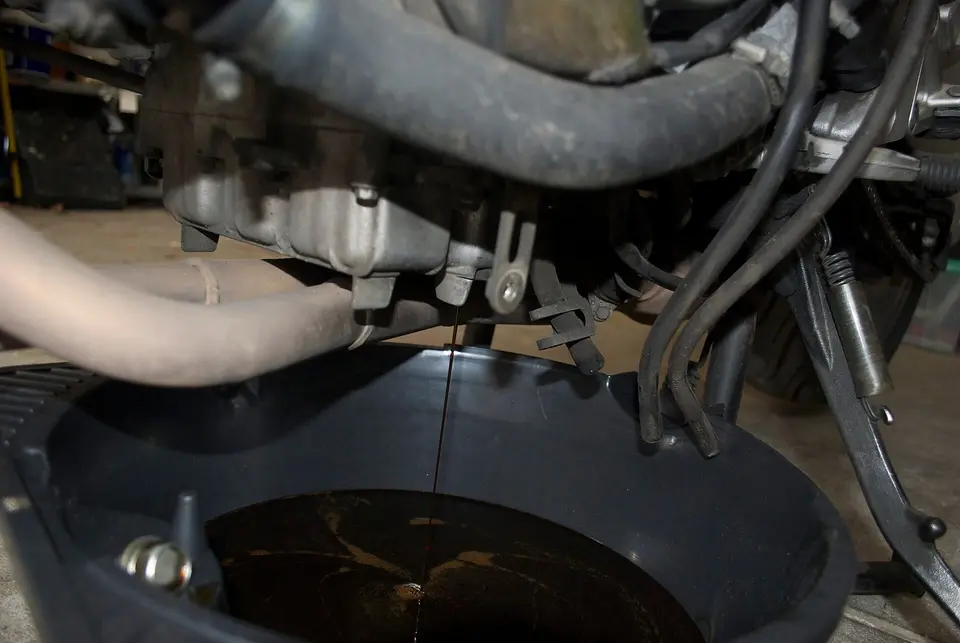 ArticleMotorbike oil change interval: how many km for scooters and manualsHow many kilometres between motorbike oil changes? For bikes ridden in Vietnamese city traffic, the practical interval is about 1,500–2,000 km for ordinary manual-gear bikes and sc…
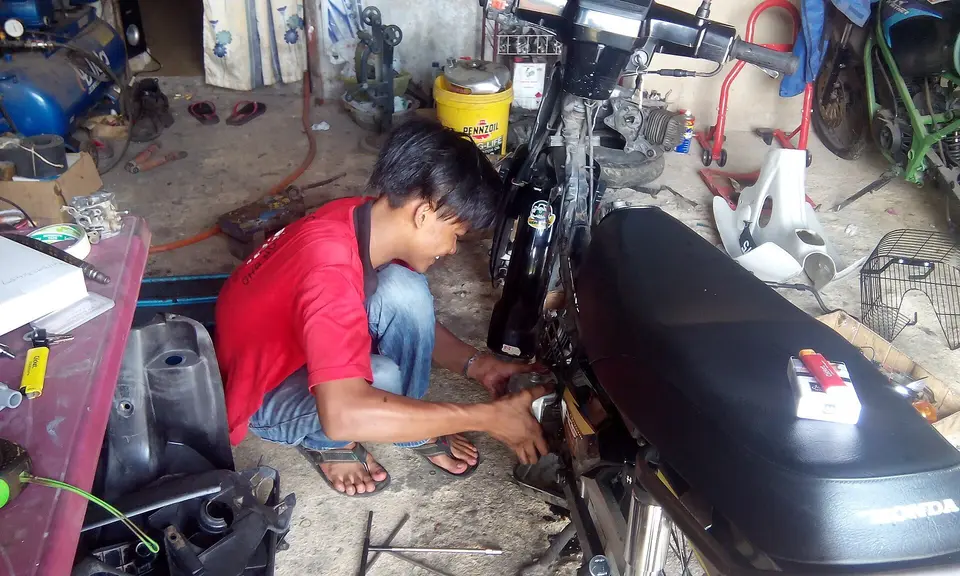 ArticleHow long to learn motorbike repair? Pay and shop costs in VietnamLearning motorbike repair in Vietnam takes about 3–6 months to handle basic servicing, 1–2 years to become a lead mechanic who can fix most common faults alone, and usually 3–5 yea…
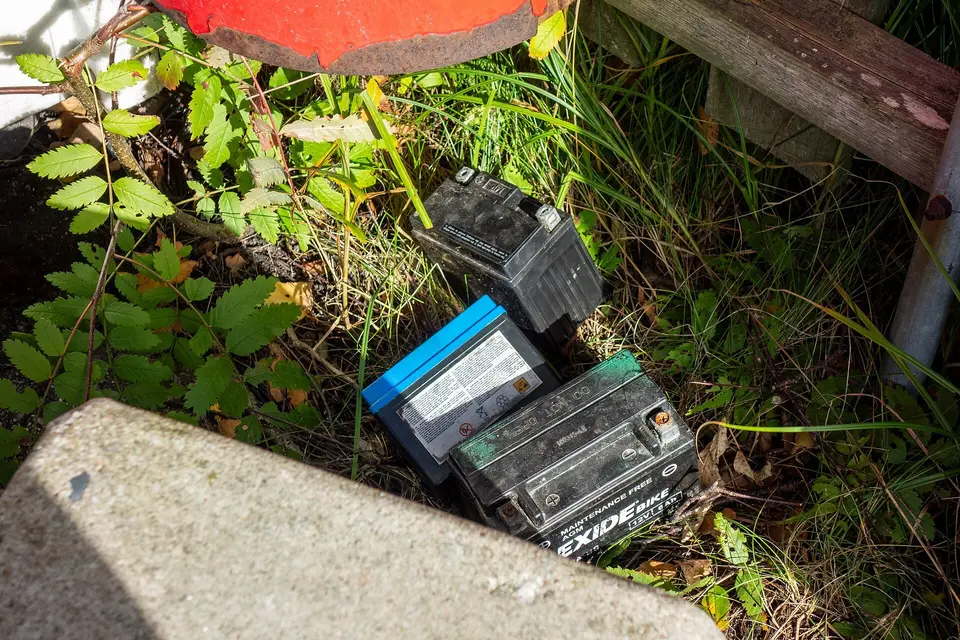 ArticleMotorbike won't start: check battery, starter relay, motor in orderWhen a motorbike will not start on the electric starter, the cause almost always sits in one of four groups: a weak battery, a broken starter control circuit (fuse, brake switch, s…