Handling Shopee returns properly comes down to 4 things: classify the order correctly (failed delivery or a buyer's Return/Refund request), respond to the request within the time the platform allows, inspect returned parcels on video, and file a dispute with evidence when goods come back wrong, incomplete or damaged. Shops usually lose disputes not because they were in the wrong, but because they had no packing video, did not inspect returns in time, or answered the buyer unprofessionally. This lesson walks through the routine that marketplace operators in Vietnam follow every day, with a worked example of one month of returns at a fashion shop, used to find root causes and bring the return rate down.
By the end of this lesson, you will be able to:
- Tell apart failed deliveries, refund-only requests and return-and-refund requests, and know what to do with each.
- Set up a routine for filming packing and the opening of returned parcels so the videos stand up as evidence.
- Inspect returned goods against a checklist and update stock correctly.
- Write a short dispute with full evidence when you disagree with a buyer's request.
- Track returns by reason and plan how to reduce the return rate.
Learning marketplace operations properly? Stock, order handling, packing and returns are step 4 of the roadmap, after marketplace structure, product listings, and photos and descriptions. See the 8-step roadmap for Shopee and Lazada store operators to learn in the right order.
What kinds of Shopee returns are there?
Sellers in Vietnam often lump everything together as "returned orders", but in practice there are two groups that differ in cause, handling and impact on the shop. Classifying correctly from the start tells you what to do, with whom and by when.
Group 1: failed delivery, parcel returned to the shop
The courier cannot deliver: the buyer does not answer the phone, refuses the parcel, gave a wrong address, or cancels once the courier arrives (sellers call this "bom hang", "bombing" the order, and it is common with cash-on-delivery orders). The parcel is sent back to the shop by the courier (Figure 1). Your job: track the return journey, receive the right parcel, inspect it and confirm receipt in the system if the platform asks you to.
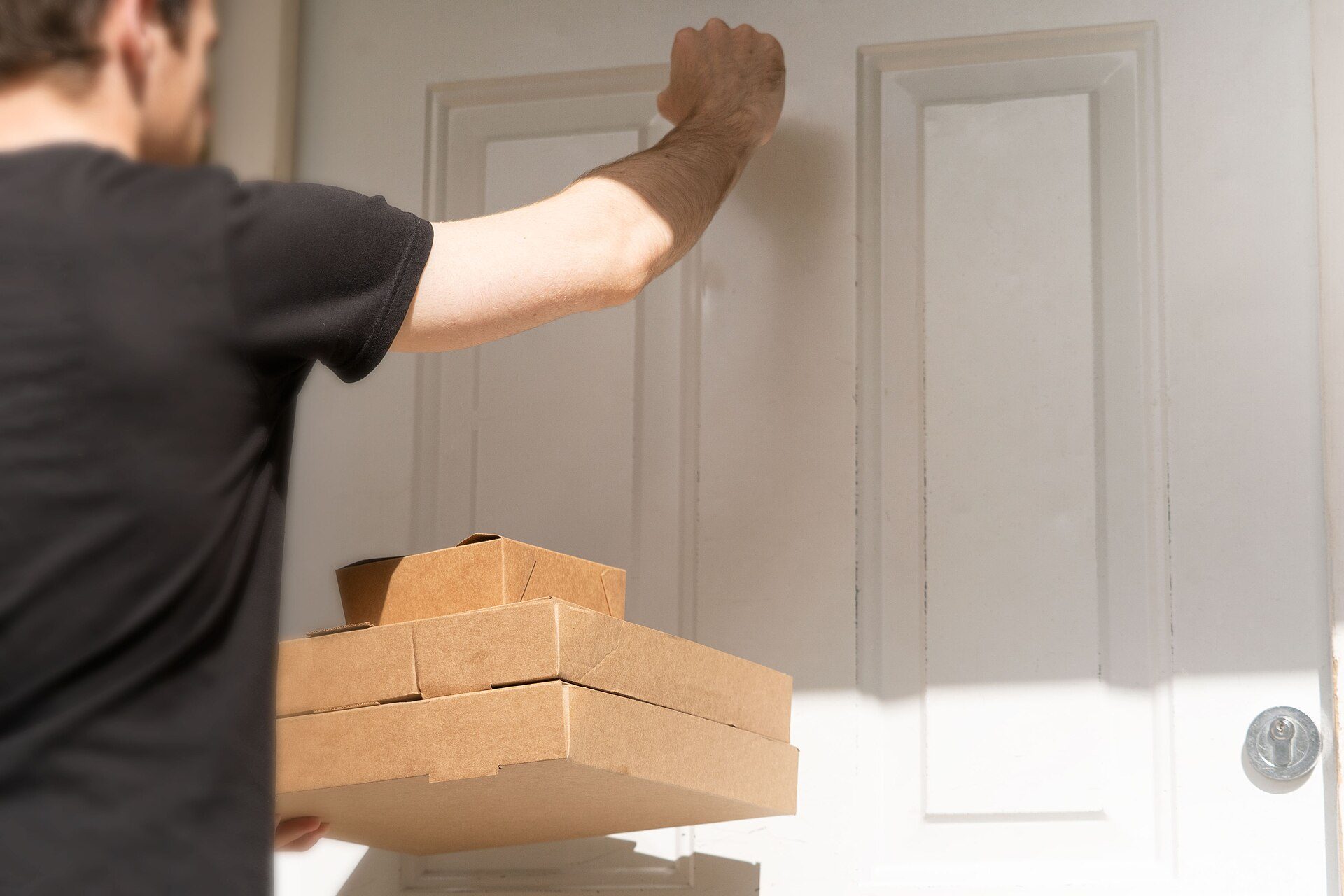
Photo: Meanwell Packaging / Wikimedia Commons, CC BY 2.0
Group 2: the buyer submits a Return/Refund request
The buyer has received the goods (or says they have not) and submits a request in the app. There are usually two paths:
- Refund only: the buyer does not send anything back, for example when they report the parcel never arrived or items were missing.
- Return and refund: the buyer sends the goods back to the shop, and once the shop has received and inspected them the money is handled through the platform's process.
The reasons buyers choose usually include: not received, wrong or missing items, faulty or damaged goods, not as described, and suspected counterfeit. While a request is being handled, the order payment is normally held by the platform and does not reach the seller's wallet.
Classification table and actions
| Order type | What you see in Seller Centre | Immediate action | Evidence needed |
|---|---|---|---|
| Failed delivery | Delivery failed, being returned | Track the journey, receive and inspect the parcel | Video of opening the returned parcel, photo of the shipping label |
| Refund only: not received, items missing | New Return/Refund request | Check tracking, parcel weight, packing video | Packing video, parcel weight, delivery information |
| Return: faulty, damaged, wrong item | New Return/Refund request | View the buyer's photos, compare with the packing video | Packing video, photos of the product before dispatch |
| Return: not as described | New Return/Refund request | Reread the product page, compare with the buyer's photos | Screenshots of the product page, size chart, description |
| Returned goods wrong, missing or used | Returned goods have arrived at the shop | Film the unboxing, inspect at once, dispute within the deadline | Continuous unboxing video, close-up photos of the problem |
Policy note: How long buyers have to request a return, how long sellers have to respond, who pays return shipping and how penalty points are calculated are all set by Shopee and change over time and by product category. This lesson only covers principles; before handling a case, always read the current Return/Refund policy page and the guidance in Seller Centre. Never miss a response deadline: if the shop does not respond in time, the system may resolve the case automatically in the buyer's favour.
Evidence: packing videos and return unboxing videos
In a dispute, the platform looks at evidence from both sides. The buyer has photos and video of opening the parcel; the shop needs equivalent evidence. Saying "we checked carefully" counts for nothing without a video.
Filming packing properly
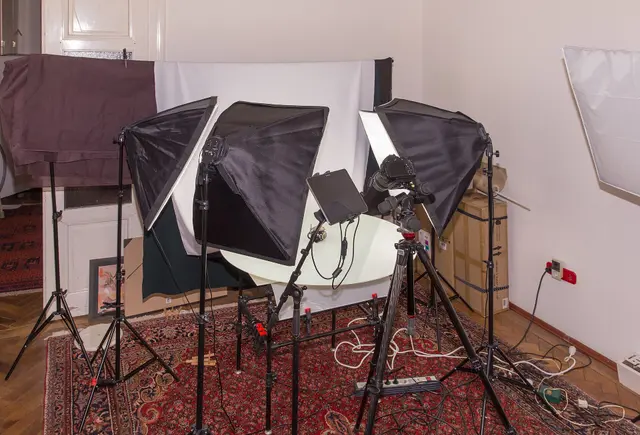
- Fix a phone or camera above the packing table so the frame clearly shows the table top and both hands.
- Start recording before taking the goods out; hold the order number or shipping label close to the lens so it is readable.
- Show each item clearly: front, back, tags, quantity, colour, size; for electronics, show the serial number and switch it on if possible.
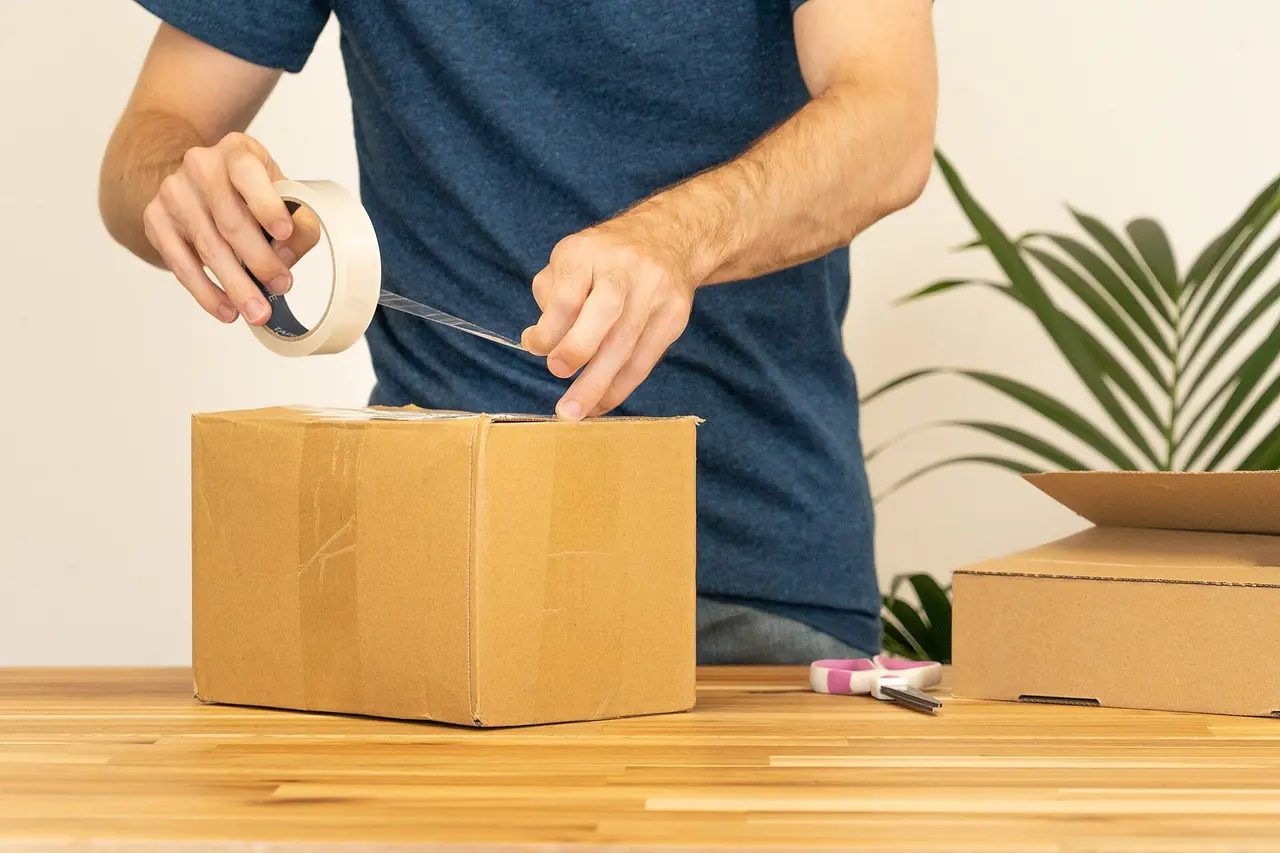
- Put the goods in the box, add padding, tape it shut (Figure 2), stick on the shipping label, and put the parcel on a scale so its weight is visible.
- Record in one continuous take, with no cuts or pauses; save the video under the order number.
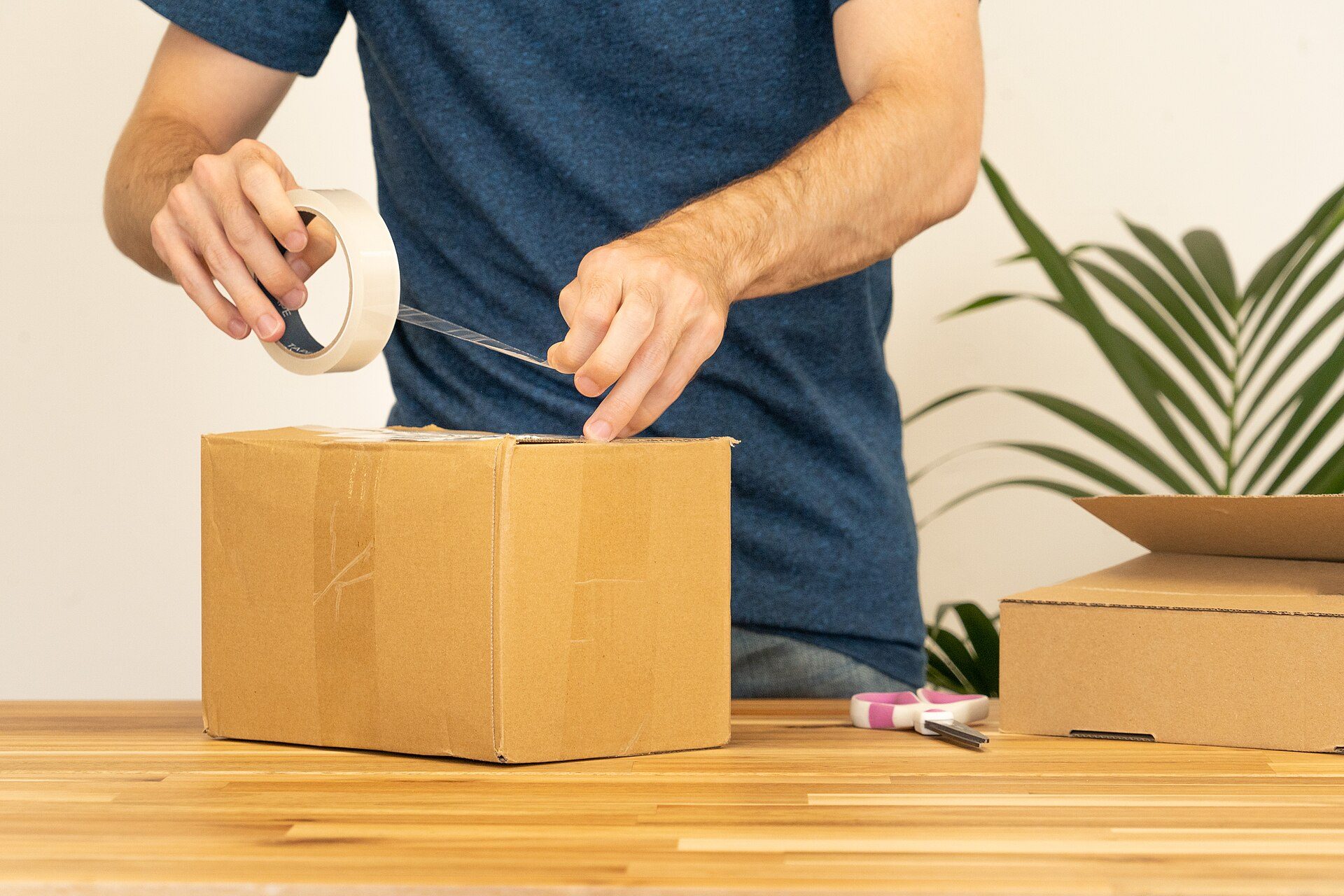
Photo: Meanwell Packaging / Wikimedia Commons, CC BY 2.0
Filming the opening of returned parcels
When the courier brings a returned parcel, check the outside before signing (Figure 3): is the box dented or torn, has the tape been cut and resealed? If anything looks wrong, photograph it immediately and note it with the courier according to the courier's procedure. Always open returned parcels on a continuous video: the shipping label, whether the tape is intact, and every item inside.
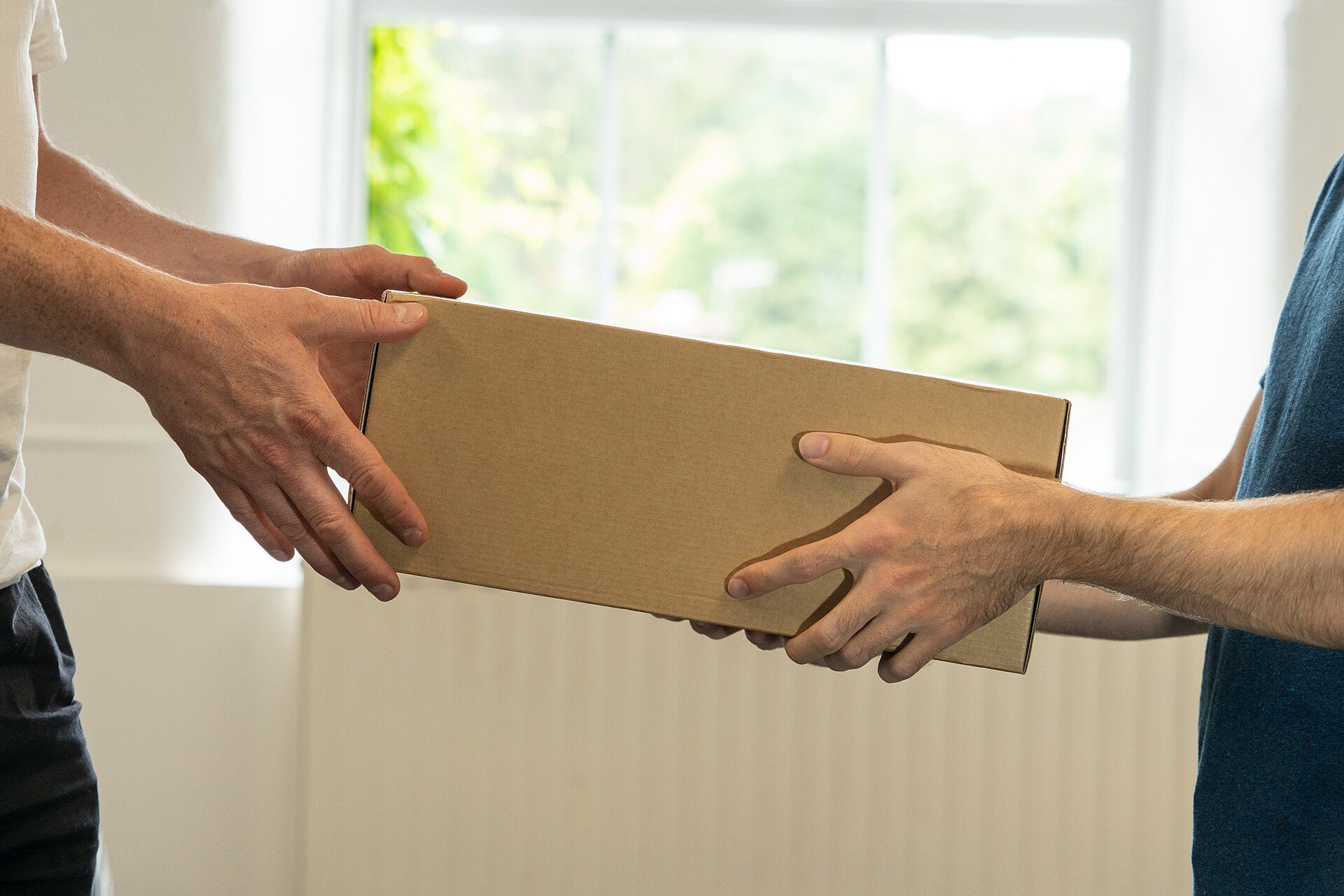
Photo: Meanwell Packaging / Wikimedia Commons, CC BY 2.0
Storing evidence
Name each file by date and order number, for example "2026-10-05_order-number.mp4", and store it in cloud storage in monthly folders. Keep videos at least until both the buyer's return window and the dispute window under the current policy have passed; many shops keep them a while longer to be safe. Chat messages with buyers are evidence too: always talk through the platform's chat, never move to another messaging app.
Handling a Return/Refund request step by step
Step 1: read the request and compare
Open the request in Seller Centre and look at the reason and the buyer's photos and video. Open the packing video for that order and compare product, colour, size, quantity and parcel weight. Reread the product page to see whether the description or size chart could have misled the buyer.
Step 2: message the buyer
Write politely and briefly, without blaming anyone: confirm you have received the request and ask for more information if needed (a clear photo of the defect, a photo of the label). In many wrong-size cases, buyers are happy to change how the case is resolved once they get friendly advice. Do not pressure the buyer, and never suggest cancelling the request to settle outside the platform: that breaks platform policy and loses the protection the platform gives you.
Step 3: accept or dispute
- Accept when the fault is the shop's (wrong item sent, faulty goods, unclear description) or when the order value is low compared with the effort of a dispute. Accepting quickly keeps the buyer's goodwill and ratings.
- Dispute (send evidence for Shopee to review) when you have clear evidence that contradicts the buyer's reason, for example a packing video showing all items while the buyer reports something missing.
Button names and the options offered can differ by request type and by interface version; read the guidance shown inside the request carefully.
Step 4: write a complete dispute
A good dispute is short, factual and comes with evidence:
- Summary: "The shop sent 2 white shirts in size M, order number..., parcel weight 0.45 kg."
- Evidence: the packing video (with the timestamp where both items are clearly visible), a photo of the parcel weight, a photo of the shipping label.
- Request: "Please review this refund request again."
The outcome is decided by the platform; full evidence improves your chances of a fair review but does not guarantee you will win.
Inspecting returns and updating stock
Returns inspection checklist
- Match the order number and tracking number against the list of orders being returned.
- Film the unboxing; check the right product, the right quantity, all accessories, tags and labels.
- Check condition: new, used, dirty, damaged, or swapped for something else.
- If anything is wrong, take close-up photos and file a dispute straight away within the deadline.
- Classify the goods and record them in the returns log.
Sorting goods after inspection
| Condition | Action | Stock |
|---|---|---|
| Intact, tags still on | Fold and rebag | Back into sellable stock |
| Manufacturing defect | Collect and return to the workshop or supplier | Move to defective stock |
| Damaged in transit | Dispute through the platform's and courier's process | Pending stock |
| Wrong item, used | Dispute with the unboxing video | Pending stock |
Update stock on the platform as soon as goods go back on the shelf, so you never have goods in hand that the platform shows as sold out, or sold-out goods that the platform keeps taking orders for.
Worked example: one month of returns at a fashion shop
A shop sells women's shirts and dresses on Shopee and dispatched 600 orders in October. That month it had 18 failed deliveries and 12 Return/Refund requests, a total of 18 + 12 = 30 orders, a rate of 30 ÷ 600 = 5%.
Breaking down the 12 return requests
| Reason | Orders | Handling | Goods back in stock |
|---|---|---|---|
| Buyer chose the wrong size | 5 | Accepted, size advice for next time | 5, back into sellable stock |
| Faulty stitching | 3 | Accepted, returned to the workshop | 3, defective stock |
| Colour different from photos | 2 | Accepted, product photos retaken | 2, back into sellable stock |
| Buyer reported missing items | 2 | Disputed with packing video and parcel weight | 0 (refund only, nothing sent back) |
| Total | 12 | 10 |
Check: 5 + 3 + 2 + 2 = 12 requests; goods returned 5 + 3 + 2 + 0 = 10 parcels. Adding the 18 failed deliveries (all 18 found intact on inspection), the shop inspected 18 + 10 = 28 parcels; 18 + 5 + 2 = 25 went back into sellable stock and 3 into defective stock, and 25 + 3 = 28.
Internal cost and time
- Repacking materials and inspection labour: 28 parcels × 10,000 VND = 280,000 VND (2026 reference, depending on packaging and staff wages).
- Shipping the 3 faulty shirts back to the workshop: 30,000 VND.
- Total internal cost: 280,000 + 30,000 = 310,000 VND (about USD 12). This does not include return shipping or other platform charges related to returns; take the real figures from the financial reports in Seller Centre, because they depend on the policy at the time.
- Time: inspecting 28 parcels × 5 minutes = 140 minutes; handling 12 requests × 10 minutes = 120 minutes; total 260 minutes, about 4 hours 20 minutes for the month.
Plan to cut returns next month
- Wrong size (5 orders): add a size chart in centimetres, state the model's height and weight, and offer size advice in chat before confirming.
- Faulty stitching (3 orders): check every shirt before packing and report defects to the workshop.
- Colour different from photos (2 orders): retake photos in natural light and state the real colour clearly; review how you write descriptions in Shopee product listing SEO: titles, categories, photos, keywords.
- Failed deliveries (18 orders): message buyers to confirm high-value cash-on-delivery orders, check addresses missing a house number, and watch orders out for delivery so you can remind buyers to answer the phone.
Solid packing also cuts damage, especially for fragile goods (Figure 4).
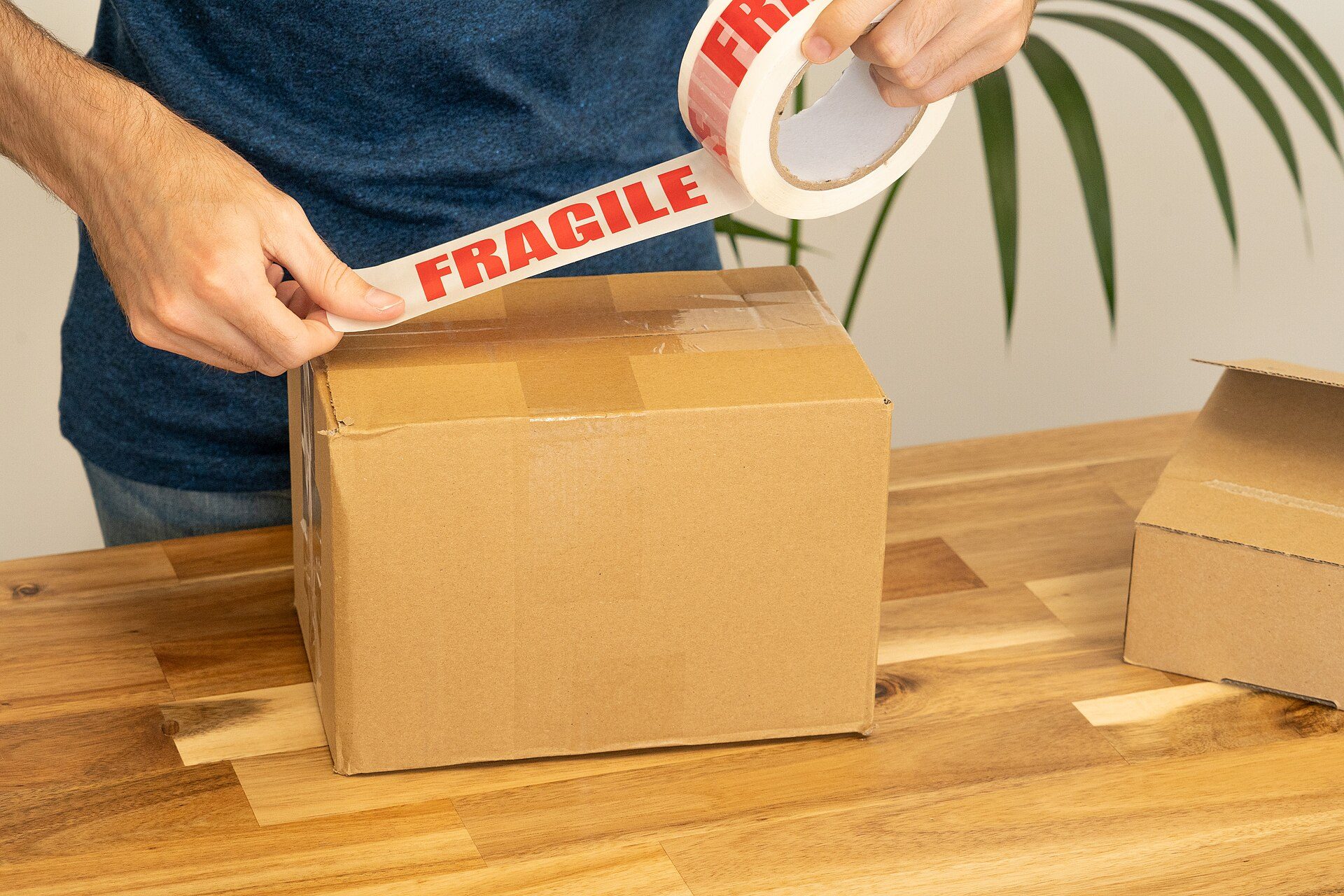
Photo: Meanwell Packaging / Wikimedia Commons, CC BY 2.0
Common mistakes when handling returns
Missing the response deadline
Sign: the request automatically turns into a refund for the buyer even though the shop had evidence. Cause: Seller Centre is not checked daily and notifications are off. Fix: assign one person and check the Return/Refund section at least twice a day.
No video, or a video with cuts
Sign: disputes are rejected for lack of evidence. Cause: only high-value orders are filmed, or the video is recorded in separate clips. Fix: film every order with a fixed camera in one continuous take from the order number to the label.
Restocking returns without inspection
Sign: later buyers report used, dirty or incomplete goods. Cause: returned parcels go straight back on the shelf. Fix: inspect against the checklist and keep anything that fails in pending stock.
Arguing with buyers in chat
Sign: the buyer leaves a 1-star review quoting the shop's words. Cause: emotional replies. Fix: use polite message templates, state only facts and let the evidence speak.
Frequently asked questions
Can a shop refuse a Shopee return and refund request?
Depending on the request type and the current interface, the shop can accept or file a dispute with evidence for Shopee to review when it has clear grounds. The final decision is made by the platform under its current policy.
Does the shop pay shipping on Shopee returns?
It depends on the order type, the reason for the return and the policy at the time. Check the shipping and Return/Refund policies in Seller Centre and the financial report for each order for the exact answer.
What if the returned goods have been swapped or are missing?
Film the unboxing in one continuous take, photograph the details and file a dispute straight away within the platform's deadline. If you wait, or only notice after restocking, it becomes very hard to prove.
What return rate counts as high?
It depends on the category: fashion usually runs higher than housewares because of size and colour issues. More important than any absolute number is tracking the rate month by month and by reason, and watching the operational metrics the platform shows for your shop.
Practice exercise and self-assessment
- Film packing for 3 test orders following the 5 steps, and ask someone else to point out where the order number is unreadable or a product is not clearly visible.
- Build a sample returns log (spreadsheet) with columns for date, order number, type, reason, handling, condition and restocking.
- Write a sample dispute for a buyer who reports 1 of 2 items missing, with a summary, evidence and a request.
Self-assessment criteria
- Pass: the video is continuous, the order number is readable, and every item and the parcel weight are clearly visible.
- Pass: the returns log adds up: the total by reason equals total returns, and restocked plus defective parcels equals parcels inspected.
- Pass: the dispute is under 100 words, factual and backed by evidence.
- Not yet: you do not know where your shop's current response deadline is shown in Seller Centre.
Once returns are under control, move on to the next step of the roadmap: Promotions, vouchers and double-date campaigns, where order volume multiplies and a solid packing and returns routine keeps the shop from being overwhelmed.
Keep learning marketplace operations: after returns come promotions, vouchers, in-platform advertising, a 30-day store operation project and a job-readiness check. See the 8-step roadmap for Shopee and Lazada store operators.