A prescription drug is a medicine that may only be sold when the buyer has a valid doctor's prescription, and the sale and instructions for use are decided by the pharmacist; a pharmacy assistant never sells it on their own, never diagnoses and never advises in place of a prescription. On their first day at the counter, newcomers meet three situations almost at once: a customer asking for antibiotics without a prescription, a bottle of syrup smashed on the floor, and a box on the shelf that is past its expiry date. This is the first lesson of the roadmap: how to recognise a prescription drug from its packaging, how to hand the customer over to the pharmacist, how to keep your hands and counter clean, and how to deal correctly with broken, expired and recalled medicines.
By the end of this lesson, you will be able to:
- Tell prescription from over-the-counter drugs by the symbols and wording on the box.
- Handle a customer who wants a prescription drug without a prescription, using a sample script and a hand-over process.
- Wash your hands in 6 steps and clean the counter and counting tray at the start, middle and end of a shift.
- Clean up broken or spilled medicines safely and set aside expired and recalled items so they are never sold by mistake.
- Reconcile a recalled batch between shelf, storeroom and software with figures that add up.
New to pharmacy work? This is step 1 of the roadmap, before drug groups, storage, receiving goods, sales and customer care. See the pharmacy assistant roadmap to learn in the right order.
What a prescription drug is and how it differs from OTC drugs
A prescription drug is one whose use requires a doctor to examine, diagnose and set the dose; wrong use can cause serious harm or drug resistance. Over-the-counter (OTC) drugs are medicines people can buy to manage mild symptoms themselves, but they still need guidance from someone with pharmacy training. In Vietnam the list of prescription drugs is set by the Ministry of Health and can be updated, so do not rely on memory or on the "experience" of long-serving sellers.
Recognising it on the box
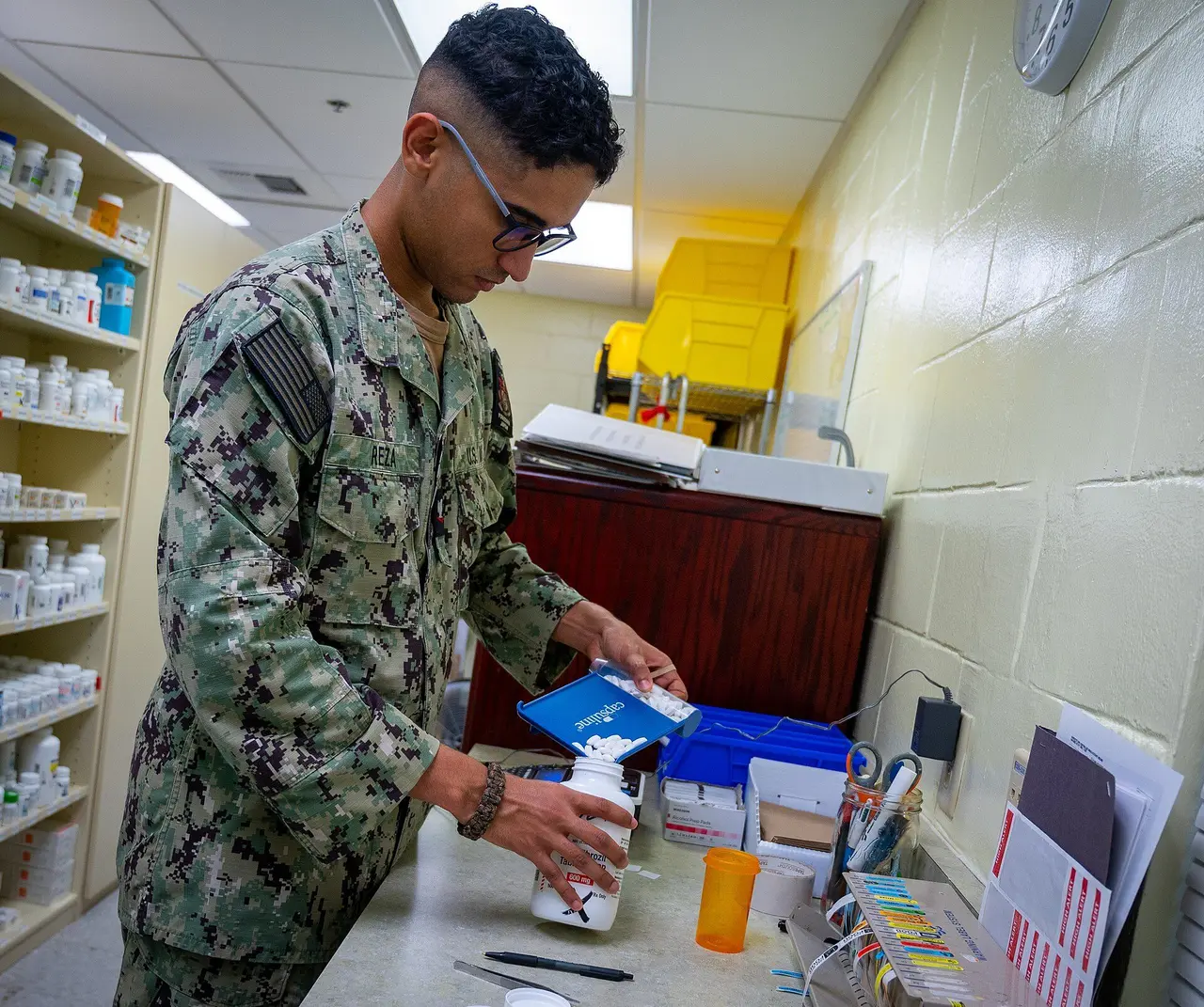
Prescription drugs sold in Vietnam usually carry the "Rx" symbol and a line meaning "prescription drug" or "sold on prescription" in Vietnamese. Imported drugs may also say "Prescription only medicine" in English (Figure 1). If the box has no clear marking, or you are not sure, assume you need to ask the pharmacist. Never guess from the box colour, the price or the brand name.
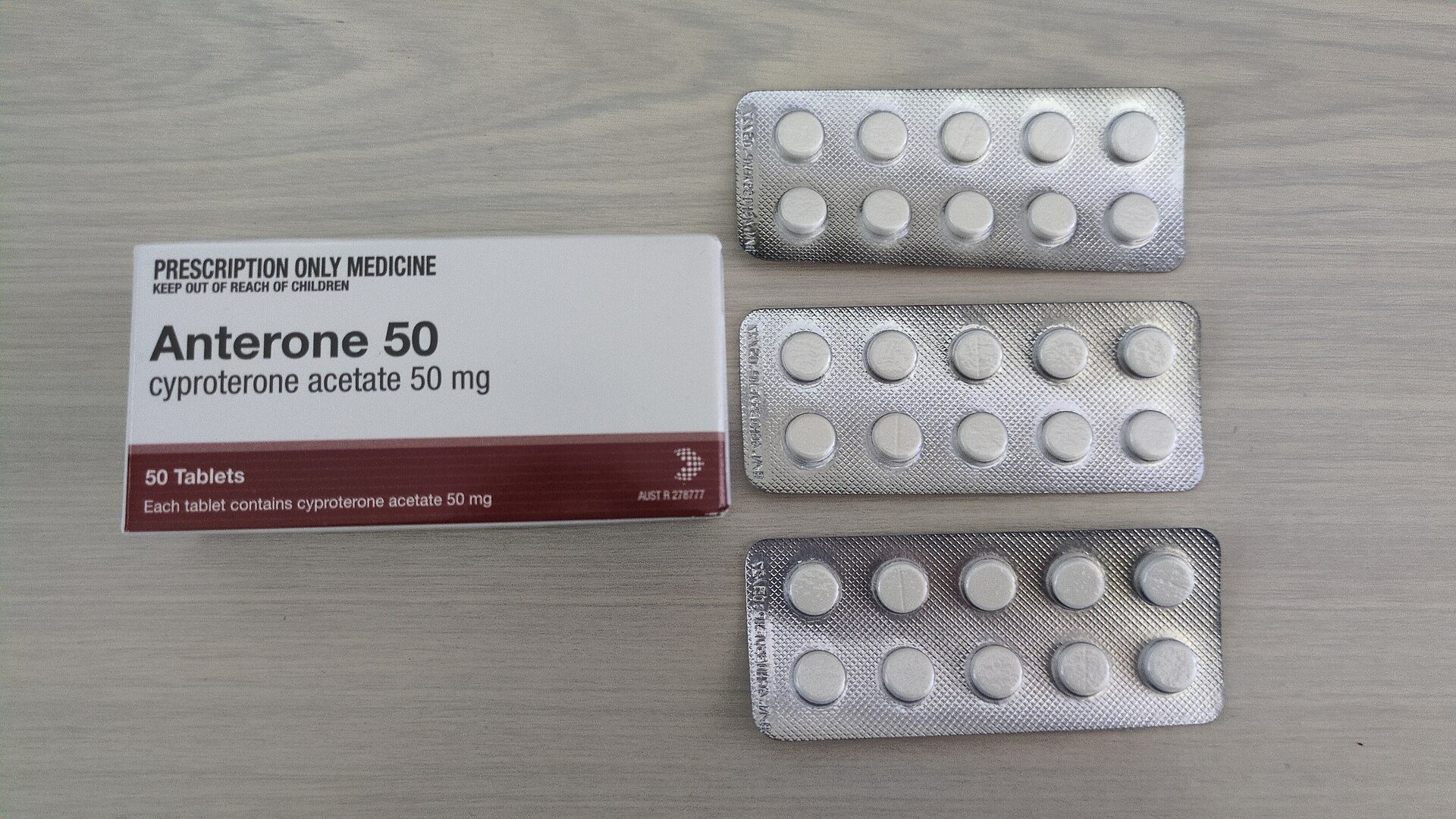
Photo: BlankEclair / Wikimedia Commons, CC BY-SA 4.0
Drugs customers often try to buy without a prescription
- Antibiotics ("give me a strip of antibiotics for my sore throat").
- Blood pressure, diabetes and cholesterol drugs ("same as last month").
- Sedatives, sleeping pills and strong painkillers.
- Oral corticosteroids (the "strong anti-inflammatory" people buy themselves for joint pain).
In every one of these cases your job is to note the request and call the pharmacist, not to decide whether to sell.
Quick comparison table
| Criterion | Prescription drug | OTC drug |
|---|---|---|
| Label marking | Usually "Rx" and a prescription line | No Rx symbol |
| Condition of sale | A valid prescription | No prescription, but professional guidance still needed |
| Who decides and advises | The pharmacist | Staff with pharmacy training, as assigned |
| Role of staff without a pharmacy qualification | Receive the prescription, call the pharmacist, pick goods as instructed | Pick goods and take payment as instructed, never advise on their own |
The limits of a pharmacy assistant at the counter
You may not have a pharmacy qualification yet, or you may be studying for a vocational or college pharmacy diploma. Whatever your position, the scope of your work is assigned by the pharmacy's responsible pharmacist. Positions by qualification are covered in the lesson what qualifications a pharmacy assistant needs; here we focus on what to do at the counter, especially in small pharmacies with only 1–2 people on duty (Figure 2).
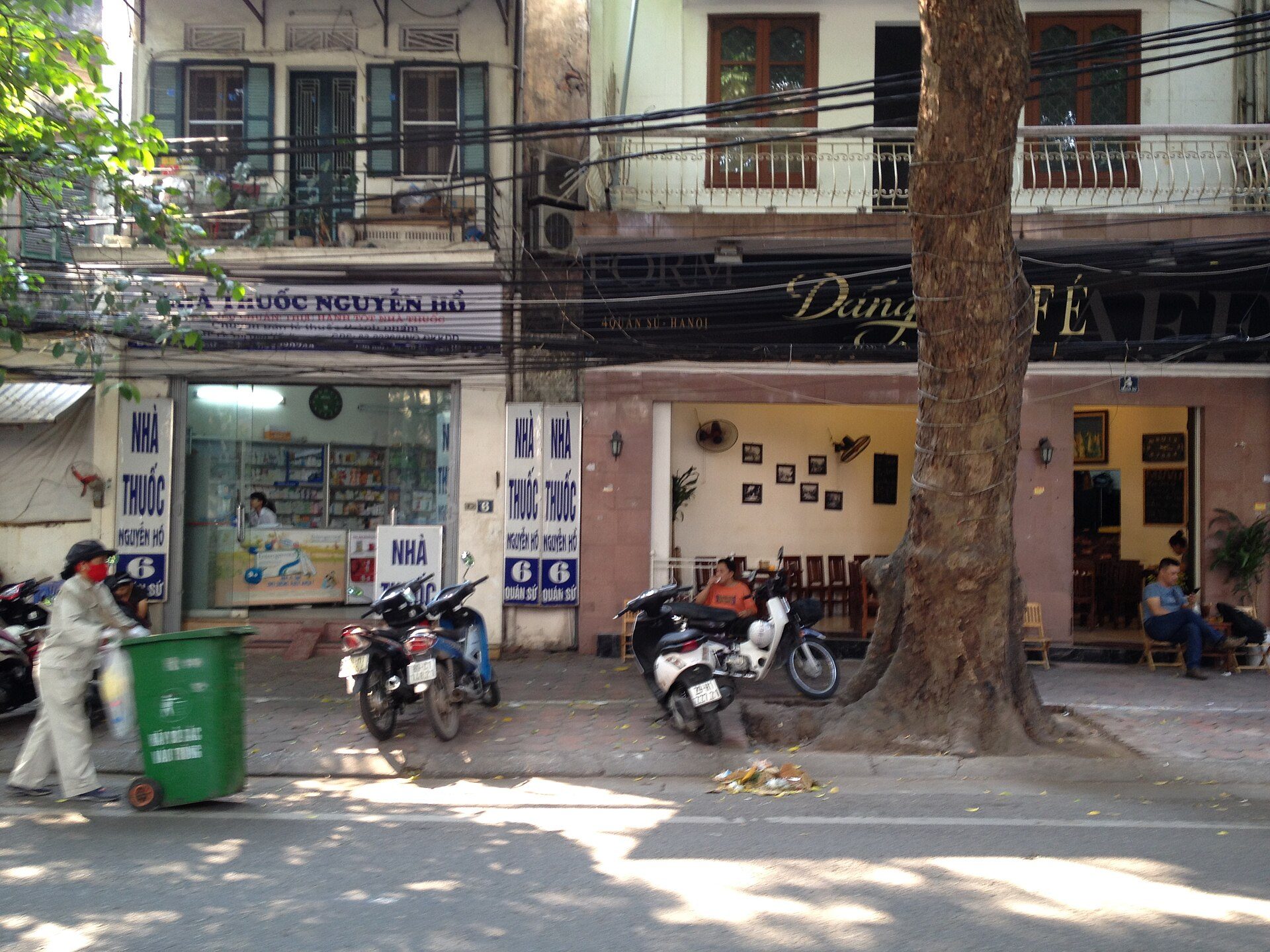
Photo: Phan Minh Tuấn / Wikimedia Commons, CC BY-SA 4.0
Three things you never do
- Never diagnose: do not say "it must be a sore throat" or "that's your stomach".
- Never change a prescription: do not swap a drug for another, change the dose, or sell "a few tablets for now" without a prescription.
- Never advise in place of the pharmacist: not even for regulars, not even when you "know this drug".
What to do when a customer asks for a prescription drug
- Greet the customer, ask what they need and let them finish without interrupting.
- If it is a prescription drug: "This medicine needs a doctor's prescription. Do you have it with you?"
- If they have one (paper, or an electronic prescription with a code): take it and ask the pharmacist to check it. You do not judge whether it is valid.
- If they do not: "Let me ask the pharmacist to talk with you." The pharmacist will advise seeing a doctor or another option.
- Once the pharmacist decides, pick the right drug, strength and quantity as instructed; read the name back for the pharmacist to check before handing it over.
A sample script when the customer insists
The customer says "I buy this here every month". Answer calmly: "I understand. By regulation this medicine needs a prescription, so I can't sell it myself. Please wait a moment and I'll ask the pharmacist to help you." Do not argue, do not lecture about their illness, and do not promise "I'll keep some for you next time".
Specially controlled drugs
Some drugs (such as narcotics, psychotropics and precursors) are more tightly controlled, with their own records and locked cabinet. If you have not been assigned to them, do not open the cabinet, pick them or write in their records.
Hand and counter hygiene
A pharmacy counter sees many people, some of them unwell. In one minute your hands touch cash, phones, boxes and blister packs. Proper hygiene protects customers, protects you and keeps medicines clean.
Washing hands in 6 steps
Wash with soap and clean water for about 40–60 seconds (Figure 3), or rub with an alcohol-based hand sanitiser for about 20–30 seconds when your hands are not visibly dirty:
- Rub palm to palm.
- Rub each palm over the back of the other hand.
- Interlace the fingers and rub between them.
- Rub the backs of the fingers against the opposite palm.
- Rotate each thumb inside the opposite palm.
- Rub the fingertips in the opposite palm, rinse and dry with a single-use paper towel.

Photo: Shixart1985 / Wikimedia Commons, CC BY 2.0
When to wash or sanitise your hands
- At the start of a shift, after using the toilet and after eating.
- Before splitting packs or touching the counting tray.
- After handling cash many times, after cleaning up broken items or rubbish.
- After a customer coughs or sneezes near the counter.
Counter cleaning schedule
| When | What to do | Tools |
|---|---|---|
| Start of shift | Wipe the counter, counting tray, barcode scanner and keyboard; check soap and sanitiser | Clean cloth, surface disinfectant |
| Mid-shift | Wipe the counter and tray again after the rush, replace dirty cloths | Clean cloth, disinfectant |
| After each split pack | Wipe the tray and blister cutter so powder does not transfer to other drugs | Paper towel, alcohol |
| End of shift | Wipe the counter and reachable shelves, sweep and mop, empty bins, sign the cleaning log | Broom, mop, bin bags |
When splitting packs, use the counting tray and tools; never pick tablets with bare hands. Keep food and drinks off the counter.
Dealing with broken and spilled medicines
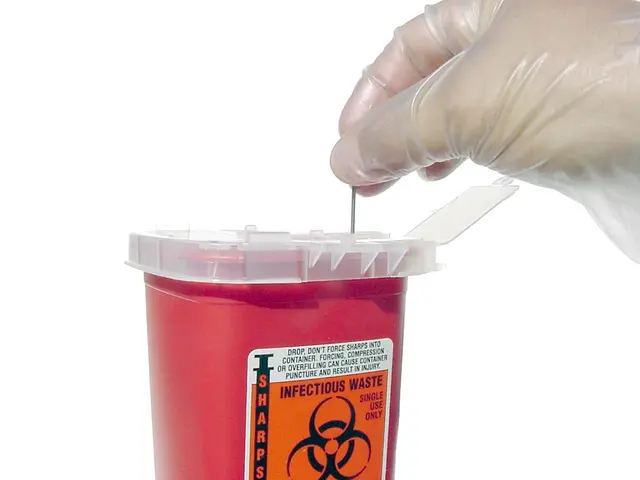
A syrup bottle slips, a jar of tablets spills on the floor (Figure 4), blister packs get crushed in a delivery carton: these happen often. The basic rule: once a medicine has left its intact packaging, it is never sold again.
Safety warning: Never pick up broken glass with bare hands: wear gloves, use a brush and dustpan or stiff card to gather the pieces, put them in a rigid box or a plastic bottle with a lid and label it "broken glass". Alcohol-based sanitisers are flammable: keep them away from heat, stoves, candles and cigarettes. If a powder, a cancer drug or an unknown medicine is spilled, do not clean it yourself; tell the responsible pharmacist at once. If you cut yourself, rinse under running water, disinfect and cover it; for deep cuts or heavy bleeding, go to a clinic.
Clean-up procedure
- Tell a colleague and block off the area so customers do not step in it.
- Put on gloves; gather broken glass and fallen tablets into a separate container.
- Soak up liquids with paper or disposable cloths, wiping from the outside in.
- Wipe the floor or shelf with water and then detergent, and let it dry.
- Record it in the damaged goods log: drug name, strength, batch number, expiry date, quantity and reason. Tell the pharmacist so stock can be adjusted in the software.
- Remove your gloves and wash your hands in 6 steps.
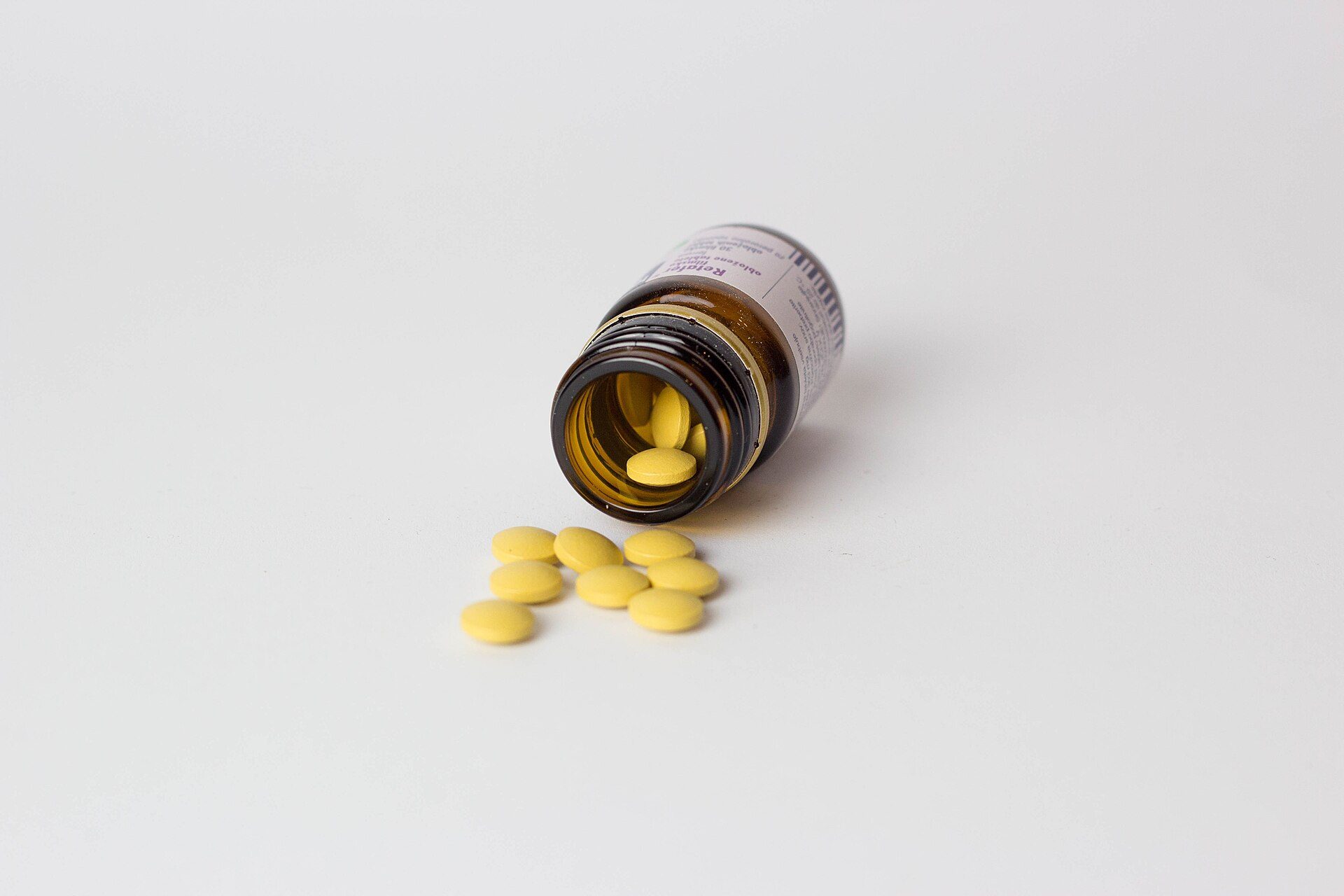
Photo: Jernej Furman from Slovenia / Wikimedia Commons, CC BY 2.0
Damaged medicines do not go in the ordinary bin
Broken or damaged medicines go into a separate labelled bin or bag and wait to be handled together with expired stock under the pharmacy's procedure. Destruction must follow current regulations and is decided by the responsible pharmacist.
Expired and recalled drugs: set aside, never sell
Both follow the same rule: they leave the sales area as soon as you find them. Selling an expired drug or one under a recall order harms the customer and gets the pharmacy fined.
Expired and near-expiry drugs
The expiry date is printed on the box and the blister, usually as "HD" (the Vietnamese abbreviation) or "EXP" with month and year. When you find an expired box: take it off the shelf, put it in the quarantine area labelled "awaiting disposal, not for sale", log it and tell the pharmacist. Drugs with only a few months left (near-expiry) go to the front under the first-expired, first-out rule; monthly expiry checks are covered in the step "Storage, shelving & expiry control".
Recalled drugs
When the drug regulator or the manufacturer finds a quality problem with a batch, a recall notice is issued with the drug name, registration number, batch number and expiry date. The pharmacy receives it from the supplier, the provincial Department of Health or official websites. Your job: find that batch number on the shelf and in the storeroom, stop selling it, move it to quarantine, log it and wait for the pharmacist's instructions on returning it.
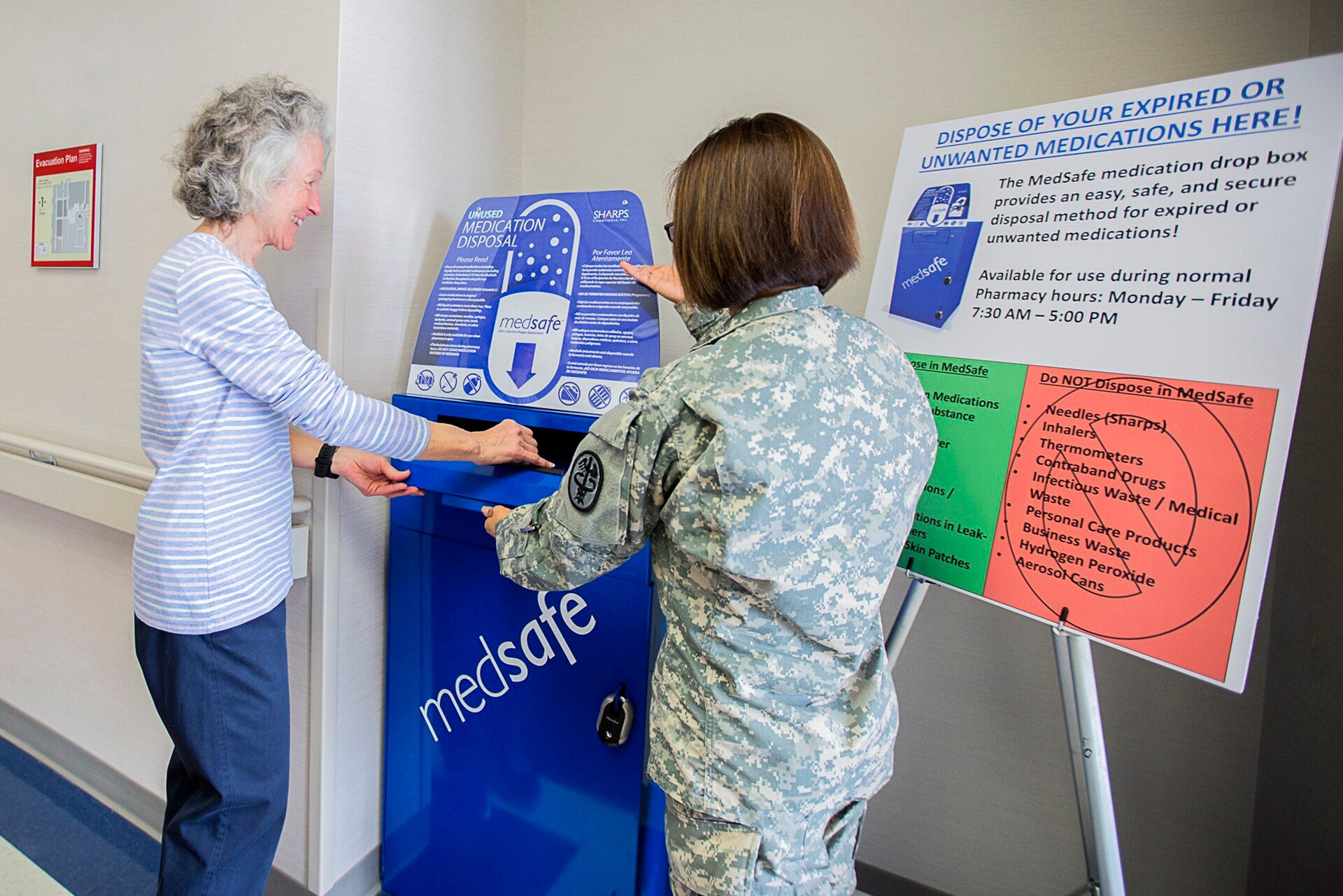
Photo: Nell King / Wikimedia Commons, Public domain
What to do with each type
| Type | Sign | What staff do | Who decides next |
|---|---|---|---|
| Expired | The HD/EXP date has passed | Remove from shelf, quarantine, log | Responsible pharmacist: return to supplier or destroy as required |
| Near-expiry | A few months left | Mark it, move to the front, tell the pharmacist | Pharmacist: sell first, return or handle otherwise |
| Recalled | Batch matches a recall notice | Stop sales at once, quarantine, count, log | Pharmacist: return per recall instructions, report |
| Broken, damaged, discoloured | Torn pack, damp tablets, cloudy syrup | Do not sell, collect separately, log as damaged | Pharmacist: adjust stock, handle |
Worked example: reconciling a recalled batch of cough syrup
On Monday morning the supplier sends a recall notice for cough syrup "A", batch 250415. The pharmacist asks you to check it. The figures are assumptions for practising the procedure.
Step 1: check the software
The software shows the pharmacy received 33 bottles of batch 250415 and has sold 9. Theoretical stock is therefore 33 − 9 = 24 bottles.
Step 2: count physical stock
| Location | Bottles of batch 250415 | Note |
|---|---|---|
| Sales shelf | 6 | Removed from the shelf at once |
| Storeroom | 18 | Unopened carton |
| Total physical stock | 24 | Matches theoretical stock |
| Sold (per software) | 9 | Reported to the pharmacist, who decides whether to contact customers |
| Total received | 33 | 6 + 18 + 9 = 33 |
Step 3: quarantine, log and report
Move the 24 bottles to the quarantine area labelled "Recalled, not for sale". Log the drug name, batch, expiry, 24 bottles, date and time, and who checked. At an assumed cost of 42,000 VND (about 1.6 USD) per bottle, the quarantined stock is worth 24 × 42,000 = 1,008,000 VND, the figure used when returning goods to the supplier. If the count differs from theoretical stock (say you find only 23 bottles), do not correct the software yourself: tell the pharmacist so the cause can be found (a sale not entered, a misplaced bottle, damage not logged).
Time taken
Software check 10 minutes, clearing the shelf and counting the storeroom 20 minutes, logging and reporting 15 minutes: 10 + 20 + 15 = 45 minutes in total. A recall must be handled as soon as the notice arrives, not left until the end of the shift.
When to advise a customer to see a doctor
You do not diagnose, but you are the first person to hear the customer's story. When you hear any of the following, call the pharmacist at once and let them advise the customer to see a doctor:
- The customer is pregnant or breastfeeding, a young child, or an older person taking many medicines.
- Symptoms have lasted several days, have not improved with self-medication, or are getting worse.
- High fever, severe pain, breathing difficulty or a rash spreading quickly after taking a drug.
- The customer wants an unusual quantity of a drug or says something that makes you worry about their safety.
Emergency signs such as breathing difficulty, swollen lips or tongue, chest pain, seizures, or a child who has swallowed medicine by mistake: call 115 (Vietnam's ambulance number) and tell the pharmacist at once. A fuller list is in the lesson on qualifications and job limits linked above. This lesson does not replace advice from a doctor or pharmacist.
Common mistakes of new counter staff
Selling prescription drugs "just this once" to regulars
Sign: a regular asks and you feel awkward refusing. Cause: fear of losing the customer. Fix: use the sample script and call the pharmacist; regulars deserve correct sales most of all.
Putting fallen tablets back in the bottle
Sign: a bottle with dirty tablets mixed in. Cause: not wanting to waste stock, not knowing the rule. Fix: anything that has left its packaging is damaged stock; collect it separately and log it.
Leaving expired drugs on the shelf
Sign: a customer finds an out-of-date box. Cause: not checking dates when stocking shelves. Fix: glance at the expiry date every time you shelve goods and remove anything expired at once.
Frequently asked questions
What is a prescription drug, and can I tell from the box?
It is a drug sold only with a doctor's prescription. The box usually shows the "Rx" symbol and a prescription line. If you are not sure, ask the pharmacist; never guess.
Can a pharmacy assistant sell prescription drugs?
The pharmacist decides on selling a prescription drug after checking the prescription. The assistant receives the prescription, calls the pharmacist and picks the drug as instructed.
How should a pharmacy handle expired drugs?
Remove them from the shelf, put them in a labelled quarantine area, log them and tell the pharmacist. The pharmacist decides whether to return them to the supplier or destroy them under current rules; never put them in household rubbish.
When a drug is recalled, must customers return what they bought?
That depends on the recall notice. Staff report the quantity sold to the pharmacist, who decides whether customers need to be contacted.
Practice and self-assessment
- Pick 10 boxes from the shelf and note the name, whether it has an Rx marking, and the expiry date; ask the pharmacist to check your list.
- Role-play with a colleague: a regular demands blood pressure tablets without a prescription; use the script and call the pharmacist.
- Practise the 6-step hand wash while someone times a full 40 seconds.
- Redo the recall example with: 40 bottles received, 12 sold, 7 on the shelf, 21 in the storeroom; work out theoretical stock, physical stock and the quarantined value at 42,000 VND per bottle.
Self-assessment criteria
- Pass: you classify 10 of 10 boxes correctly as prescription or OTC from the label.
- Pass: the role-play ends with you calling the pharmacist, without selling or giving medical advice.
- Pass: the recall exercise gives 28 bottles theoretical, 28 bottles physical, worth 1,176,000 VND.
- Not yet: you decide to sell a prescription drug yourself, put fallen tablets back in the bottle, or leave expired stock on the shelf.
Once the limits and safety rules are second nature, move on to the next step of the roadmap: Drug groups, active ingredients & dosage forms, where you learn to tell brand names from active ingredients, read package inserts and spot goods of unknown origin.
Keep learning pharmacy work: after legal limits and drug safety come drug groups, storage and expiry, receiving goods in software, sales and customer care. See the pharmacy assistant roadmap.