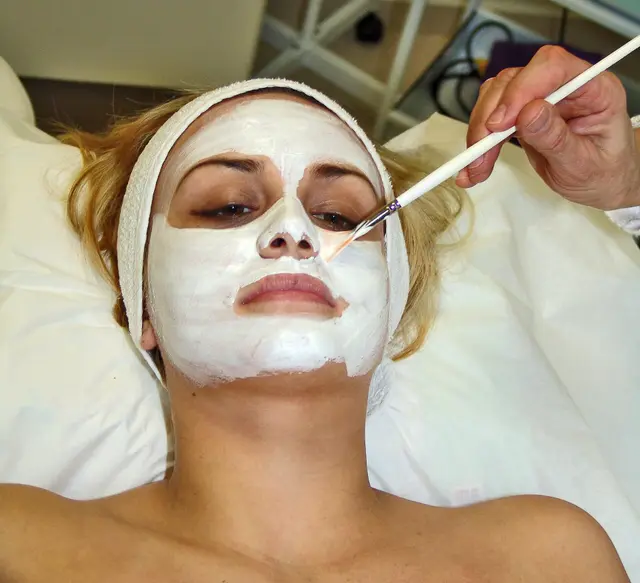
Lip blush (cosmetic lip tattooing) usually takes about 4–6 weeks for the colour to settle: for the first 3 days the colour is strong and the lips slightly swollen, on days 3–7 a thin layer of flakes peels off, on days 7–14 the lips look pale and cloudy, and then the colour gradually returns and stabilises around weeks 4–6. Most clients panic at the "colour loss" stage after peeling, and most patchy results come from wrong aftercare in the first 7 days rather than from the pigment. This lesson is written for trainee cosmetic tattoo technicians: why the colour changes, how to teach clients aftercare, what to avoid, and which signs mean seeing a doctor.
By the end of this lesson, you will be able to:
- Explain to clients each healing stage after lip blush and when the colour settles.
- Write a day-by-day aftercare sheet that says clearly what to do and what to avoid.
- Tell normal peeling apart from abnormal peeling, infection, cold sores or allergy that need a doctor.
- Book touch-ups at the right time and keep client records with photos before, straight after and once healed.
Learning cosmetic tattooing properly? Lip work and aftercare is step 6 of the roadmap, after hygiene, legal limits and contraindications, skin structure and pigments, brow mapping, and brows on practice skin. See the 8-step cosmetic tattoo technician roadmap to learn in the right order.
Why lip blush does not show its final colour straight away
During the procedure, the needle places pigment particles into the outer layers of the lip. Pigment sitting in the surface cells flakes off with the crusts in the first week; pigment that sits deeper stays and gives the lasting colour. Lips are mucosal tissue that renews quickly and is always moist, so they heal faster than brow skin but the colour also changes more visibly over the first weeks.
The colour right after the procedure is not the real colour
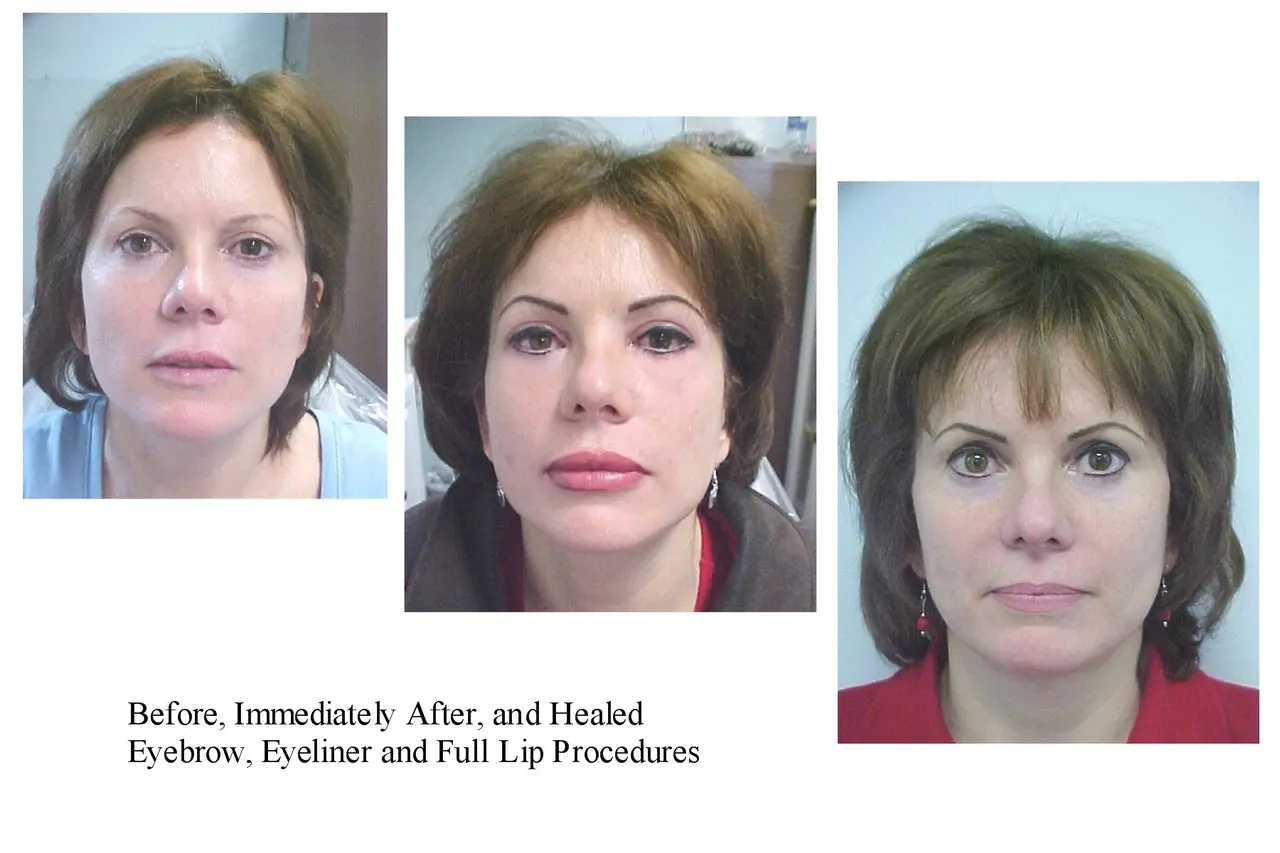
Straight after the procedure the lips are slightly swollen, with fluid and surface pigment, so they look much darker red than the final colour. See Figure 1: the middle photo is straight after, the right-hand photo is healed, clearly softer and lighter. Tell clients this in advance, with sample photos, so they do not ask you to "make it lighter" on day one.
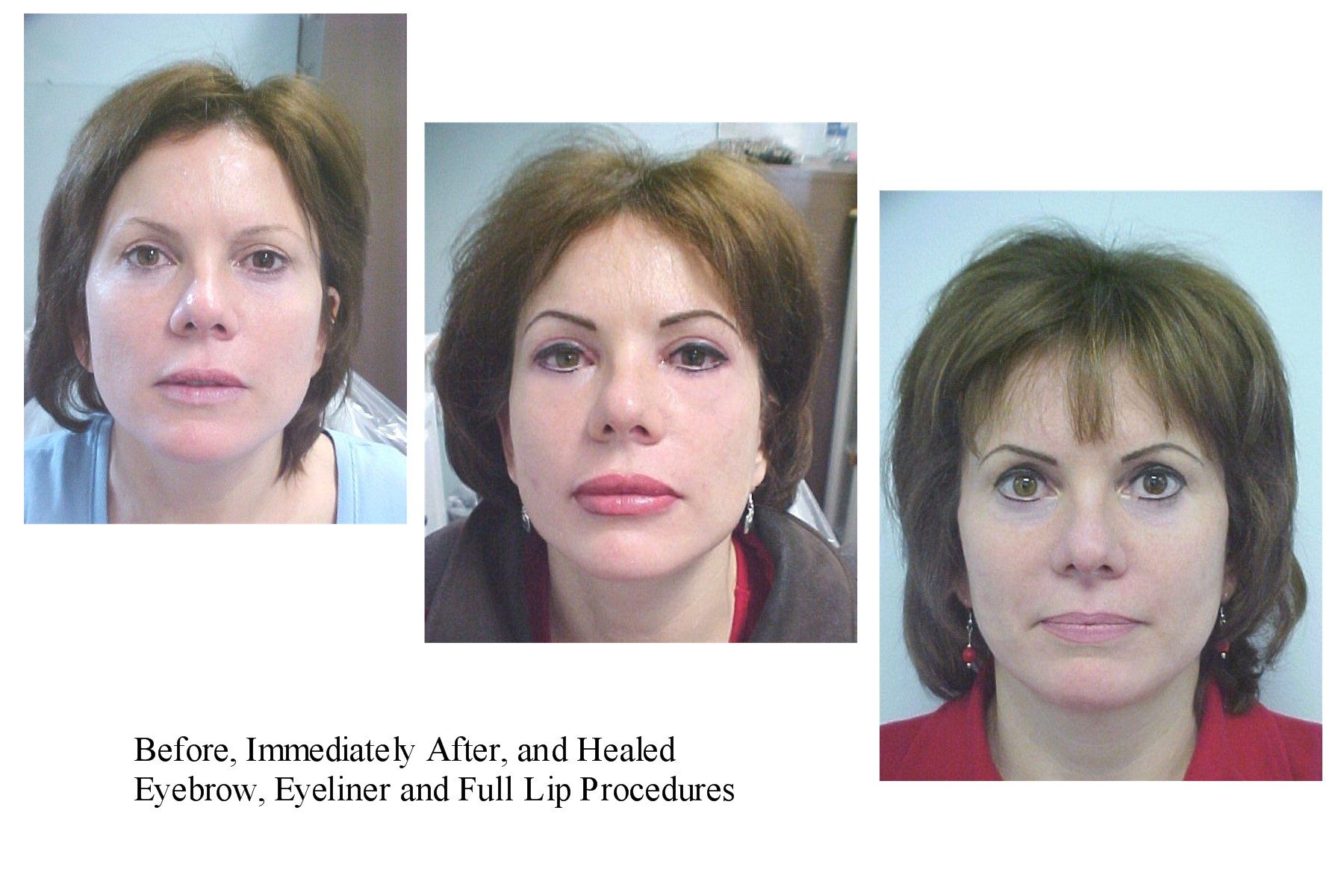
Photo: Ohmargieg at English Wikipedia / Wikimedia Commons, CC BY 3.0
The "ghosting" stage after peeling
When the crusts come off, a new thin layer of skin covers the pigment and makes the lips look pale, milky or patchy around days 7–14. This is normal. As the new layer thickens and becomes clearer, the colour shows through again, usually noticeably from week 3.
What makes the colour heal differently
- Natural lip colour: dark or purplish lips need more sessions and the final colour blends with the base.
- The client's skin: fast peelers, dry lips and smokers usually hold colour less well.
- Technique: needle depth, speed and density; too shallow and the colour fades out, too deep and it swells and blurs.
- Aftercare: picking crusts, letting the lips crack, or keeping them constantly wet all cause patchy loss.
Day-by-day colour timeline after lip blush
This is the usual course, for reference; each person can be a few days faster or slower. Print this table on the client's aftercare sheet.
| Time | What the lips look like | What the client should do |
|---|---|---|
| Days 0–3 | Dark, slightly swollen, weeping, tight and dry | Blot fluid gently, keep clean, apply a thin layer of balm as instructed |
| Days 4–7 | Thin flakes peeling in places, a little itchy | Let flakes fall off on their own, do not pick or rub |
| Days 8–14 | Pale, cloudy, maybe patchy | Be patient, keep moisturising, avoid sun |
| Days 15–30 | Colour gradually returns, more even | Moisturise, take progress photos |
| Weeks 4–6 | Colour stable | Review, book a touch-up if needed |
When to do a touch-up
A touch-up is usually done only once the lips are fully healed and the colour stable, commonly after about 4–8 weeks. Working too early on thin new skin can cause more damage and makes it hard to judge the true colour. Many studios include one touch-up in the price; write this down in the client record.
How long the colour lasts
Lip blush usually fades gradually over about 1–3 years depending on the client, the technique and habits such as smoking, lip exfoliation and sun exposure (for reference). It is not a permanent body tattoo, so never promise "colour for life".
Aftercare for lips after tattooing: client instructions
Aftercare instructions must be in writing as well as explained in person, because clients forget as soon as they leave. Always use the aftercare product your studio has chosen and check its ingredients with any client who has a history of allergy.
The first 24 hours
- Gently blot fluid with clean gauze or cotton as the studio instructs (for example, dampened with sterile saline); do not rub.
- Wash hands before touching the lips; apply a very thin layer of balm, not a thick coat.
- Drink through a straw and eat soft, cool food; after eating, clean the lips and reapply balm.
Days 2–7: the peeling stage
- Keep the lips clean and moist enough (Figure 2); do not let them crack, and do not soak them in water for long.
- Do not pick flakes, lick, bite or rub the lips; crusts pulled off early take pigment with them.
- Keep cleanser, creams, lipstick and other cosmetics off the lips.
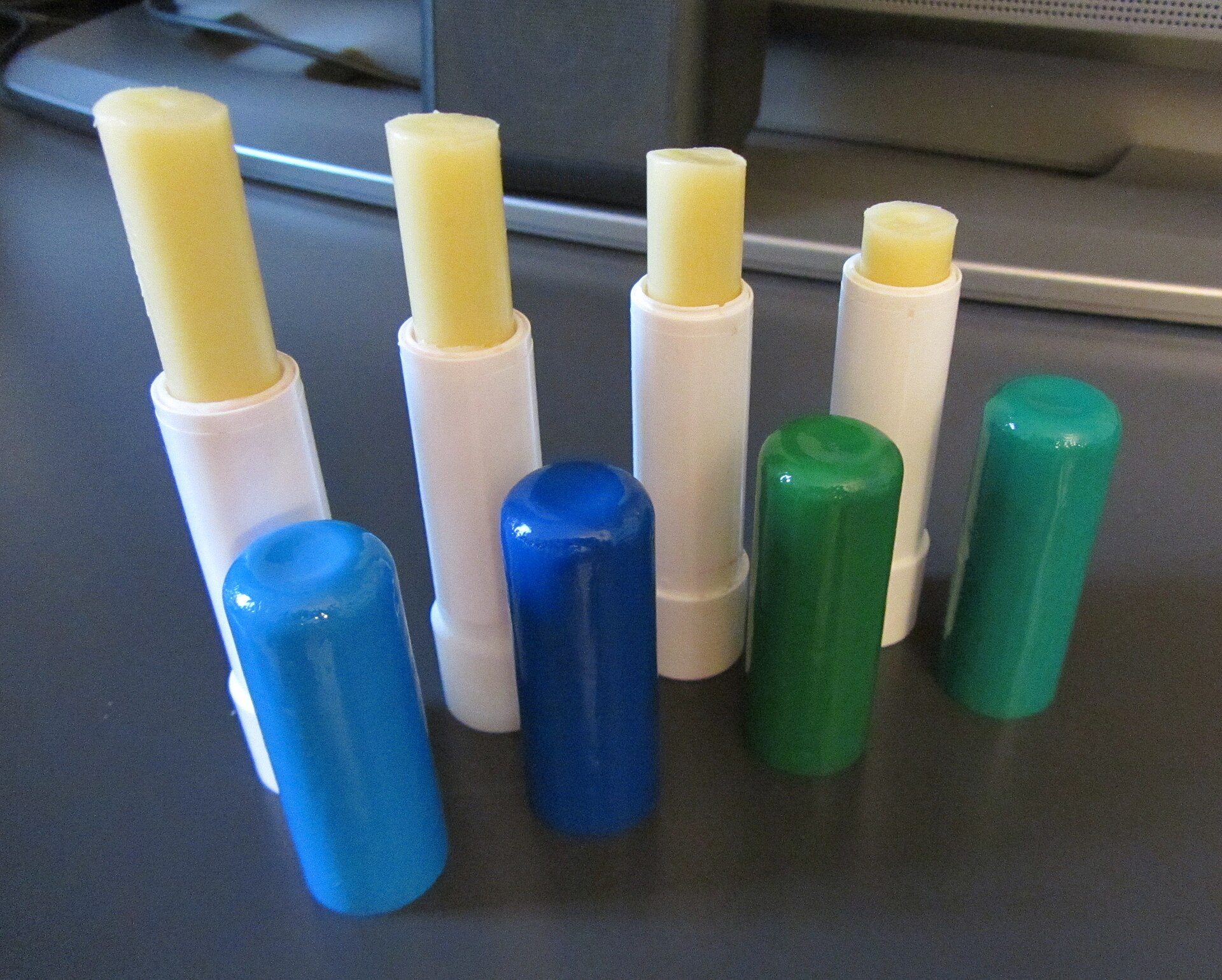
Photo: Francesca Cesa Bianchi, Milano / Wikimedia Commons, CC BY-SA 3.0 it
Weeks 2–4: waiting for the colour
- Keep moisturising; protect the lips from sun (a face mask outdoors, lip sunscreen once healed).
- No lip exfoliation and no other lip treatments until the technician has reviewed the result.
- Photograph the lips in the same light each week to compare at the review.
What to avoid after lip blush
This is the question clients ask most. Separate what has a clear reason from folk advice, so clients worry about the right things.
Avoid, with a clear reason
- Very hot, very spicy or very sour food in the first days: it stings and increases swelling.
- Alcohol and smoking: slow healing, and smoking also darkens lips and shortens colour life.
- Swimming, saunas and heavy sweaty workouts for about 1–2 weeks: more risk of infection and early flaking.
- Strong sun: dulls the colour and new skin darkens easily.
- Kissing, sharing cups or straws in the first days: an open wound picks up bacteria easily.
Folk advice about food
In Vietnam many people are told to avoid water spinach, chicken, sticky rice, beef and seafood. There is no solid scientific evidence for each of these foods. Still, clients prone to keloid scars, hyperpigmentation or seafood allergy should ask a doctor and follow professional advice. Do not let food rules distract clients from what matters more: keeping the lips clean and not picking the crusts.
Medicines and products
Technicians do not prescribe antibiotics, antivirals or prescription creams. Clients on medication, with underlying conditions or a history of cold sores must ask a doctor before the procedure and during healing.
Peeling lips after tattooing: normal or not?
Peeling is part of healing. Your job is to teach clients to tell normal peeling from signs that mean calling the studio or seeing a doctor.
Normal peeling
Thin flakes like dry skin, peeling from the edges inwards around days 3–7, a little itchy, with no increasing pain. Afterwards the lips are pale and may be slightly patchy. Nothing to do except keep them clean and moisturised.
Abnormal peeling from poor aftercare
Large patches coming off early and leaving uncoloured areas, usually from picking, rubbing with a towel, frequent licking or keeping the lips wet. The colour will be patchy and needs a touch-up once fully healed. Note the cause in the record to explain at the touch-up.
Signs that need a doctor
- Swelling, pain and redness that increase after 48–72 hours instead of settling; hot lips, pus, thick wet yellow crusts.
- Fever, feeling unwell, swollen glands under the jaw.
- Clusters of small blisters with burning pain: possibly a cold sore (herpes) flare-up.
- Intense itching, a rash spreading beyond the treated area, or unusually large swelling: possibly an allergy.
Safety warning: Lip blush uses needles to put pigment into the skin, with a risk of blood-borne infection if tools are not sterile. Needles and cartridges are single-use and opened in front of the client; pigment goes into small individual cups for each client and leftovers are discarded (Figure 3); used needles go into a sharps container; wear gloves, disinfect surfaces and cover the machine with a barrier. Do not work on clients with an active cold sore, ulcer or infection on the lips, and follow your studio's contraindication list (pregnancy, bleeding disorders or anticoagulant medicines, keloid tendency, uncontrolled underlying conditions and so on), asking a doctor when unsure. A client with difficulty breathing or rapid swelling of the face or tongue needs emergency care immediately (call 115 in Vietnam). Clients with signs of infection, cold sores or allergy must be advised to see a dermatologist, never treated in the studio. What you may do and the conditions for studios offering needle-based cosmetic services follow the regulations in force; check the current rules and ask your local health authority.
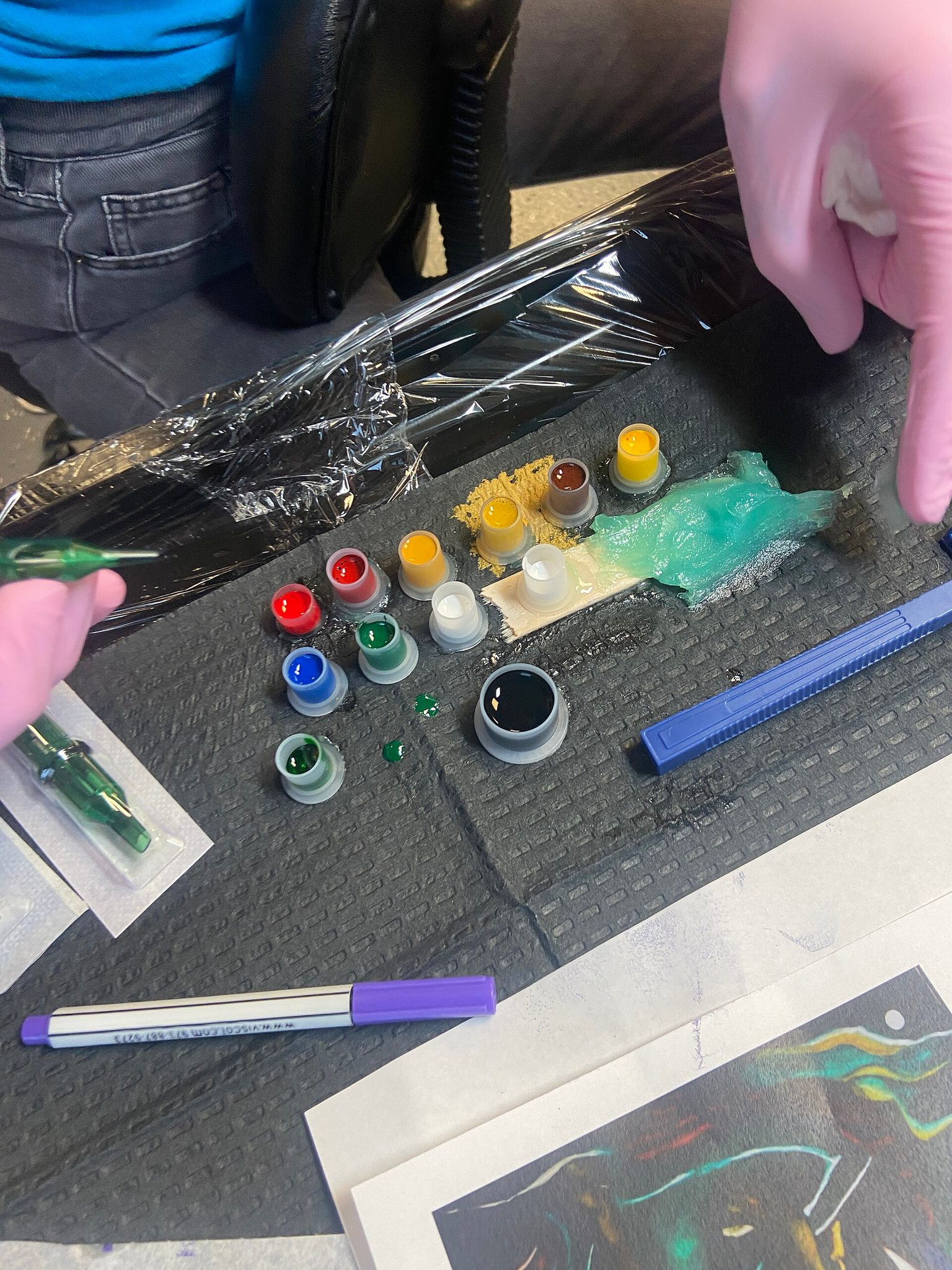
Photo: Myotus / Wikimedia Commons, CC BY-SA 4.0
For background on skin structure and general contraindications in beauty work, see Skin structure and the contraindications every spa therapist must know; for cleaning and disinfecting tools and the work room, see Cleaning and disinfecting spa tools and treatment rooms.
Worked example: records and appointments for one lip client
A 32-year-old woman with slightly dark lips, a non-smoker, no history of cold sores, not pregnant and not on anticoagulants (all recorded on a health form she signed). A peach-pink colour is chosen and the lips are done on day 0 at the studio.
The 30-day follow-up schedule
- Swelling and weeping stage: days 1–3, that is 3 days.
- Peeling stage: days 4–7, that is 4 days.
- Ghosting stage: days 8–14, that is 7 days.
- Colour return stage: days 15–30, that is 16 days.
Check: 3 + 4 + 7 + 16 = 30 days. The technician messages the client on days 1, 4 and 10, books a review with photos on day 30, and if the colour is uneven, books a touch-up between days 30 and 45, once the lips are fully healed.
What the client pays (reference 2026, varies by area and studio)
| Item | Quantity × unit price | Amount |
|---|---|---|
| Lip blush (one touch-up included) | 1 × 2,500,000 VND | 2,500,000 VND |
| Lip balm | 1 stick × 80,000 VND | 80,000 VND |
| Sterile saline | 2 bottles × 10,000 VND | 20,000 VND |
| Clean gauze and cotton | 1 pack × 30,000 VND | 30,000 VND |
| Total | 2,630,000 VND | |
Check: 2,500,000 + 80,000 + 20,000 + 30,000 = 2,630,000 VND (about US$100). Market prices for lip blush in Vietnam vary widely, about 1,500,000–5,000,000 VND depending on the studio, technique and area; tell the client clearly whether touch-ups are charged.
Records to keep
Health form and consent, pigment colour code and batch number, needle type, photos before, straight after and on day 30 at the same angle and light (Figure 4 shows healed lips in a portrait), and notes on the client's aftercare (did she pick the flakes?). These records are the basis for the supervised 20-client project step.
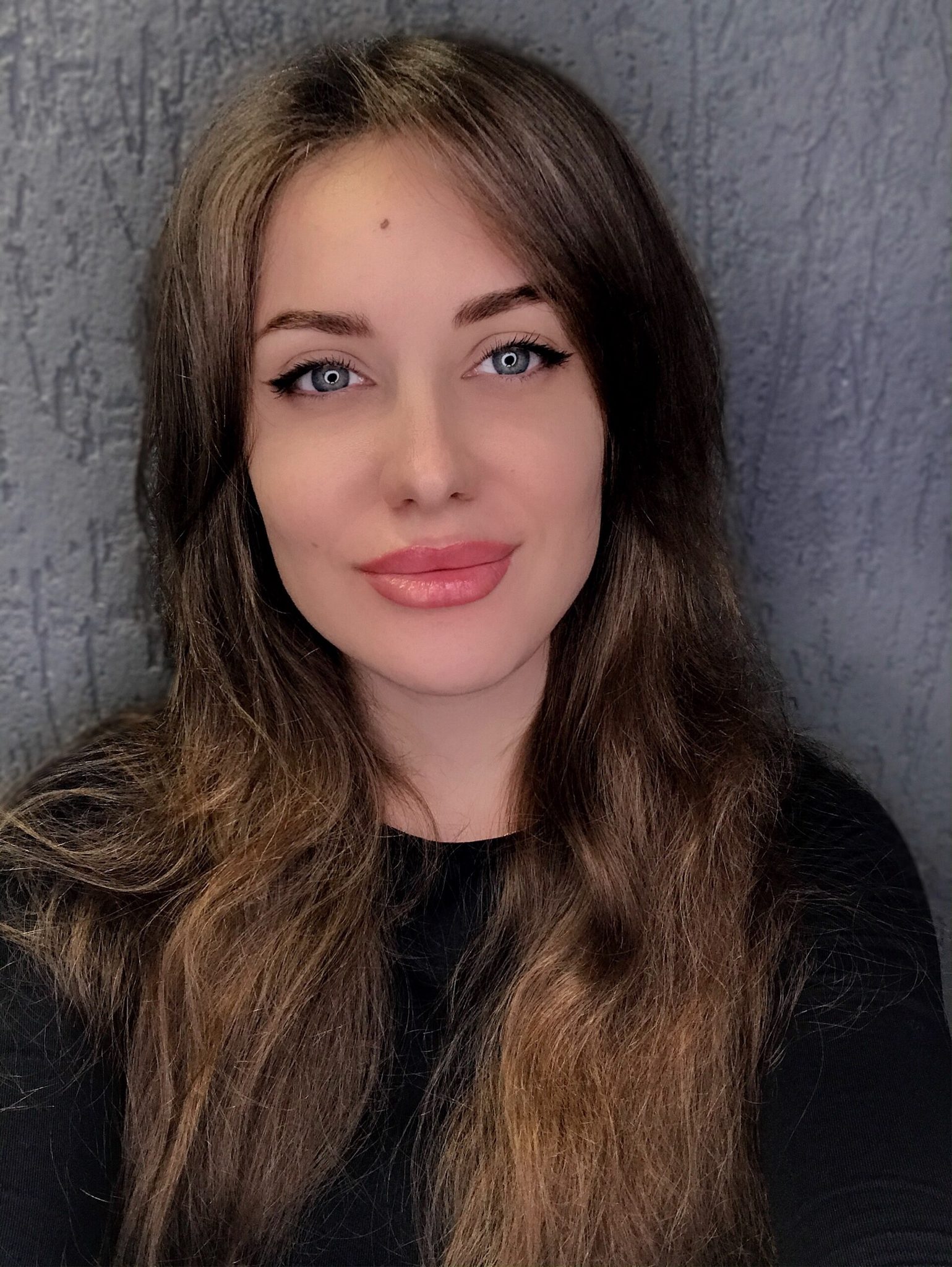
Photo: Bvrvh / Wikimedia Commons, CC BY-SA 4.0
Common technician mistakes in aftercare advice
Not warning about the colour-loss stage
Sign: a client messages in a panic on day 9, "all the colour is gone". Cause: only saying "use the balm at home" without explaining the healing timeline. Fix: hand over the stage table above with sample photos of each stage.
Too many food rules, too little hygiene advice
Sign: the client avoids every listed food but still picks flakes and wears lipstick on day 3. Fix: prioritise three things: clean, moist enough, no picking; food rules come second.
Touching up too early
Sign: a touch-up on day 14 while the lips are ghosting, and the final colour is too dark or off-tone. Fix: wait until weeks 4–6, compare photos in the same light, then decide.
Handling infection in the studio
Sign: the technician tells a client with pus to apply a cream bought at the pharmacy. Fix: only advise seeing a dermatologist, note it in the record, and never recommend medicines.
Frequently asked questions
How long until lip blush shows its real colour?
The colour usually shows clearly from week 3 and settles around weeks 4–6. In the first week it is dark, and after peeling it looks pale and cloudy, which is normal.
What matters most in lip aftercare?
Keep the lips clean, apply a thin layer of balm as instructed, do not pick flakes, avoid lipstick and cosmetics, and avoid sun, swimming and saunas for the first 1–2 weeks.
Is patchy peeling a problem?
Thin peeling followed by pale, slightly patchy lips in the first 2 weeks is normal. If it is still patchy after 4–6 weeks, do a touch-up. If peeling comes with increasing swelling and pain, pus or fever, see a doctor.
What should clients avoid after lip blush?
Very hot or spicy food, alcohol, smoking, strong sun and places with a high infection risk. Folk rules such as avoiding water spinach or chicken lack solid evidence; clients prone to keloids or allergies should ask a doctor.
Can someone who gets cold sores have lip blush?
Not while a cold sore is active. Anyone with a history of cold sores should ask a doctor before booking, because the needle work can trigger a flare-up.
Practice and self-assessment
- Write a one-page A5 lip aftercare sheet with the stage table and the list of signs that need a doctor.
- Role-play: explain to a "client" in two minutes why her lips look pale on day 10.
- Prepare a sample record for a lip session on practice skin: colour code, needle, photos, message schedule and touch-up date.
Self-assessment criteria
- Pass: the aftercare sheet covers all three stages (peeling, ghosting, colour return) and the touch-up timing.
- Pass: normal peeling is clearly separated from signs of infection, cold sores and allergy, with "see a doctor" written down.
- Pass: the follow-up schedule adds up, with photos at the same angle and light.
- Not yet: promising permanent colour, telling clients to use prescription creams, or booking a touch-up before week 4.
Once you are confident with lips and aftercare advice, move on to the next step of the roadmap: Project: 20 supervised cases & client records, where every client is recorded, followed through the healing timeline and reviewed as in this lesson's example.
Keep learning cosmetic tattooing: after lips, eyeliner and aftercare comes a 20-client supervised project, then training certification, hygiene checks and taking clients. See the 8-step cosmetic tattoo technician roadmap.