Extracting comedones properly means removing only blackheads and whiteheads whose plug is already visible, on skin that has been cleansed and softened, using gloves, a sterile single-use lancet and disinfected tools, pressing each spot no more than 2–3 times before stopping, then disinfecting and calming the skin straight away. Red inflamed spots, deep pustules, nodules and cysts are outside a spa's scope: the therapist does not squeeze them and advises the client to see a dermatologist. This lesson is written the way a senior therapist coaches an apprentice, with a worked example of a 60-minute session for a 24-year-old client with oily skin.
By the end of this lesson, you will be able to:
- Tell blackheads, whiteheads, inflamed spots, pustules and cysts apart, and decide which spots may be extracted and which must be left alone.
- Set up a sterile extraction tray: gloves, single-use lancets, a disinfected comedone extractor, sterile cotton and gauze, skin antiseptic and a sharps container.
- Carry out the 10-step extraction procedure with controlled pressure and a limited number of presses.
- Calm the skin and brief the client on aftercare for the first 72 hours.
- Recognise 6 situations where you must stop and refer the client to a dermatologist.
Learning skincare properly? Extraction is step 5 of the roadmap, after hygiene and legal limits, skin structure, cosmetic ingredients and the basic facial. See the 8-step skincare specialist roadmap to learn in the right order.
What is a comedone, and which spots can a spa extract?
A comedone is a plug of sebum mixed with dead skin cells that blocks a pore. When the pore opening is open, the plug meets the air, oxidises and turns dark: that is a blackhead (Figure 1). When the opening is covered by skin, the plug sits under a small ivory bump: that is a whitehead, also called a closed comedone (Figure 2).
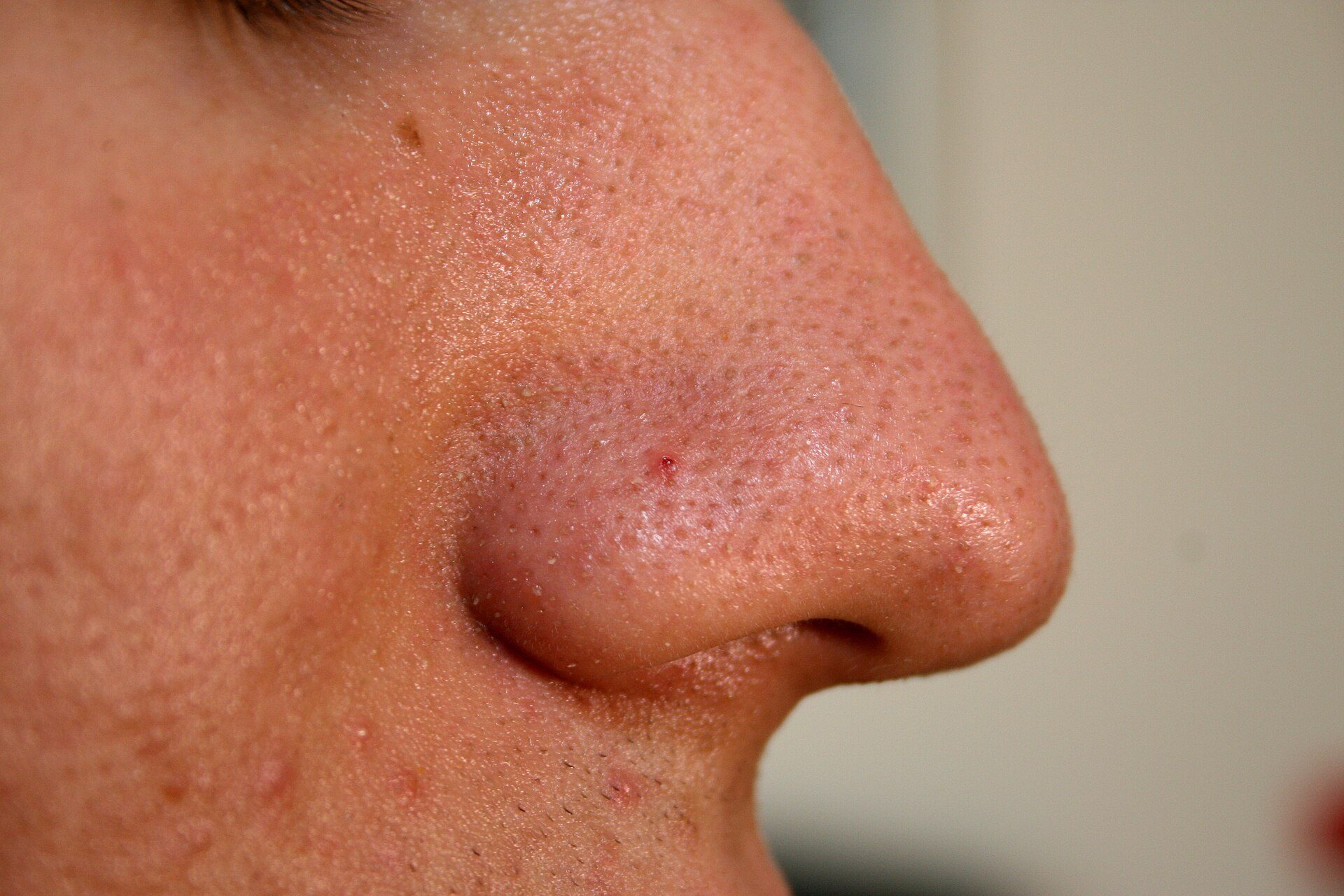
Photo: LBPics / Wikimedia Commons, CC BY-SA 3.0
Blackheads and whiteheads: extract when the conditions are right
These two non-inflamed, shallow lesions are the main target of extraction in a spa. Blackheads can be extracted once the skin has been softened. Whiteheads are extracted only when the plug is "ripe": the white bump is clearly raised and, under a magnifying lamp, you can see the plug right under a thin layer of skin. If a white bump is deep and hard and you cannot see a plug, leave it for the next session.
Inflamed spots, pustules, nodules and cysts: never squeeze
A red, swollen spot that hurts to touch is inflamed. A yellow head of pus on a red base, or a large deep lump under the skin (a nodule or cyst), means inflammation deep in the follicle. Squeezing these pushes bacteria and pus deeper, ruptures the follicle wall and leads to dark marks and pitted scars. This is a dermatologist's job, not a therapist's.
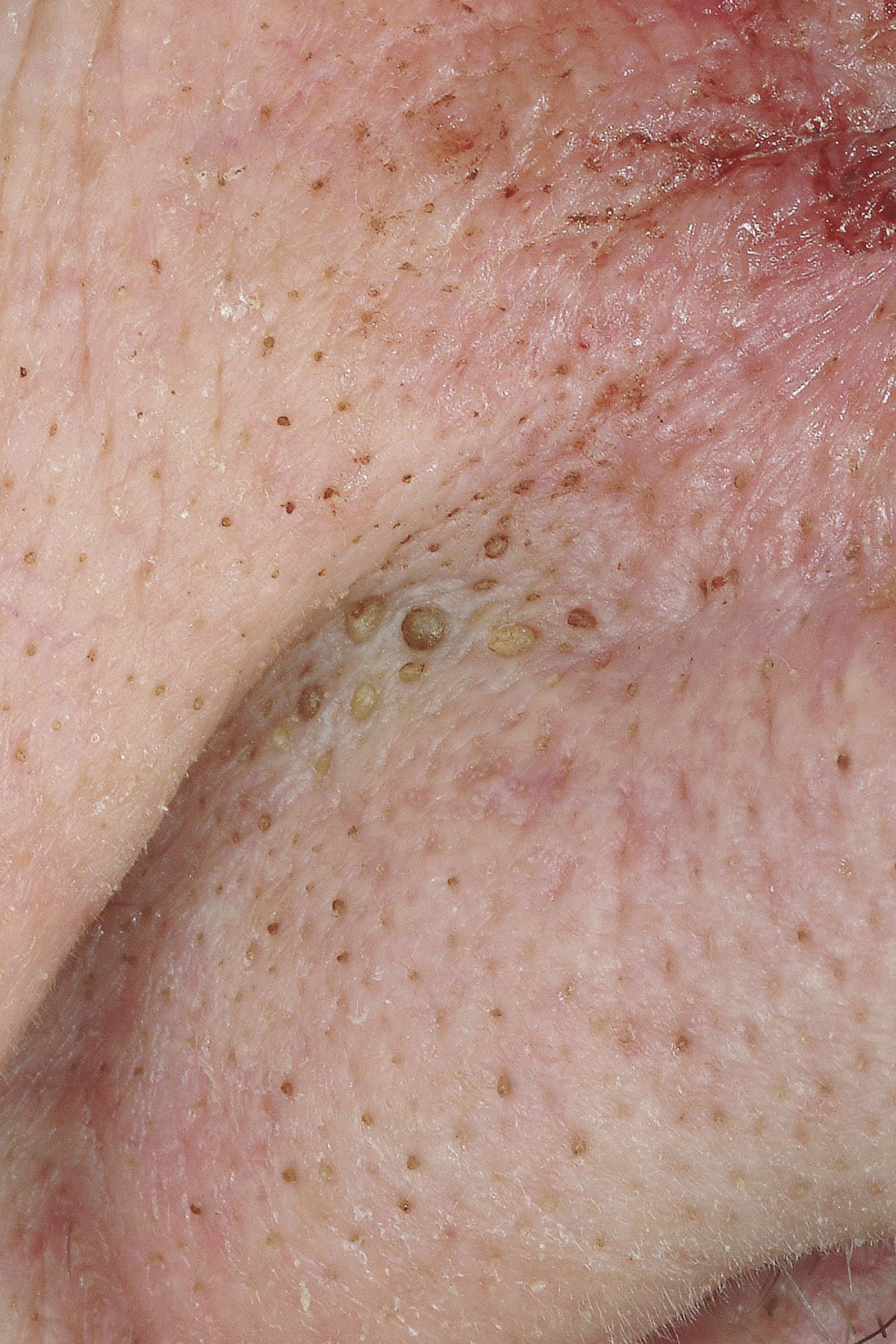
Photo: M. Sand, D. Sand, C. Thrandorf, V. Paech, P. Altmeyer, F. G. Bechara / Wikimedia Commons, CC BY 2.0
Quick classification table
| Type | How to recognise it | What the spa does |
|---|---|---|
| Blackhead | Dark dot at the pore opening, not red, not painful | Extract after cleansing and softening |
| Ripe whitehead | Clearly raised ivory bump, plug visible under thin skin | Extract; may open the surface very shallowly with a single-use lancet |
| Unripe whitehead | Small, hard bump with no visible plug | Do not extract; book for next session |
| Sebaceous filaments on the nose | Small, even grey dots all over the nose; squeezing gives a thin white thread | No need to squeeze, just cleanse; frequent squeezing stretches pores |
| Inflamed spot, pustule | Red, swollen, painful, with pus | Do not squeeze; advise a dermatologist |
| Nodule, cyst | Large, deep, painful lump lasting days | Do not touch; refer to a dermatologist |
Is having your spots squeezed at a spa a good idea?
Extraction at a spa helps when it is done on the right lesions, with sterile technique, the right pressure and proper aftercare; done badly, it does more harm than good. As a therapist, you need to give clients an honest answer on both sides.
Benefits when done properly
- Removes long-standing plugs that the client cannot clear by washing, lowering the chance that they become inflamed later.
- Leaves the skin surface clearer so that skincare products spread more evenly.
Risks when done badly
- Infection: shared lancets, bare hands, tools that were not disinfected.
- Dark marks and scars: pressing too hard or too often, squeezing inflamed spots and rupturing the follicle.
- Broken capillaries and lasting redness: steam that is too hot or too long, heavy pressure on thin skin.
- Lost clients and legal risk: promising to "cure acne", or working on severe inflamed acne beyond the scope of the service.
The limits of a skincare therapist
A spa therapist does not inject, does not cut deep, does not use prescription medicines and does not "treat" acne. The single-use lancet is only for opening the very surface over a ripe whitehead. Rules on scope of practice and premises licences can change; spa owners in Vietnam should check the current regulations with the local health authority.
Sterile preparation: tools, therapist and room
Extraction breaks the skin, however slightly, so the hygiene standard has to be stricter than for an ordinary facial. The rule: anything that touches broken skin must be sterile or single-use; anything reused must be cleaned and disinfected according to your spa's procedure. Tool disinfection is covered in detail in Cleaning and disinfecting spa tools and treatment rooms.
What goes on the tray
- Single-use nitrile gloves (a new pair for every client, changed at once if torn).
- Sterile single-use lancets in sealed packs, within their expiry date.
- A stainless steel loop comedone extractor, disinfected and kept in a closed box or pouch.
- Sterile cotton and gauze; a skin antiseptic chosen by your spa (for example 70% alcohol for skin that is not very sensitive).
- A magnifying lamp; clean towels; a headband to keep the client's hair back.
- A sharps container with a lid, and a separate bag or clinical waste bin for soiled cotton and gauze.
The therapist
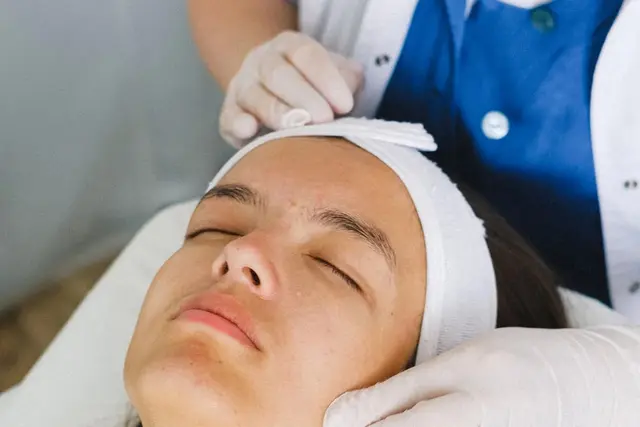
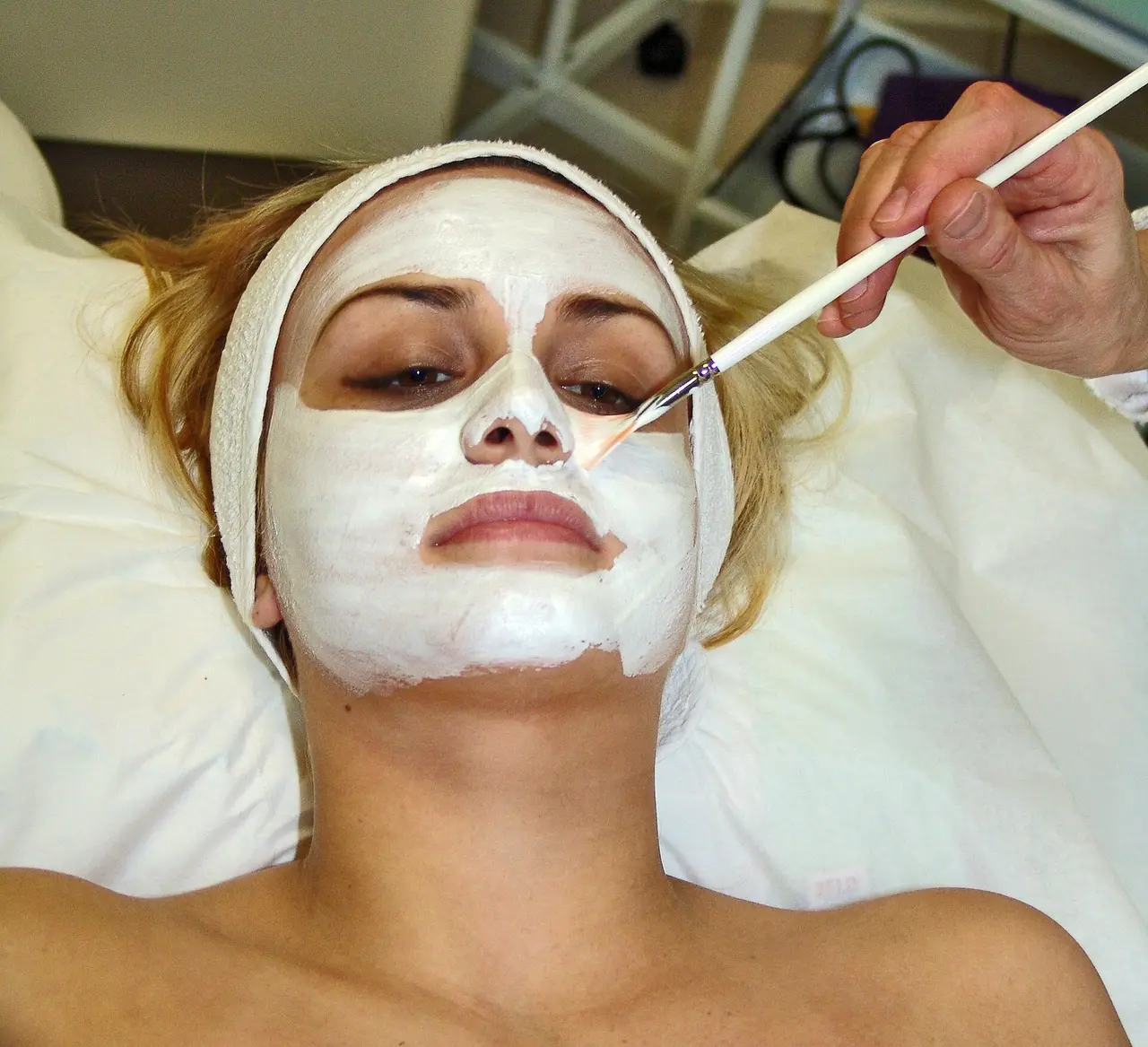
Hair tied back, nails short, no rings or bracelets. Wash your hands with soap or use hand sanitiser before gloving. Wear a face mask throughout the extraction, because your face is very close to the client's (Figure 3). If you touch your phone, a cabinet handle or your own hair during the work, change gloves.
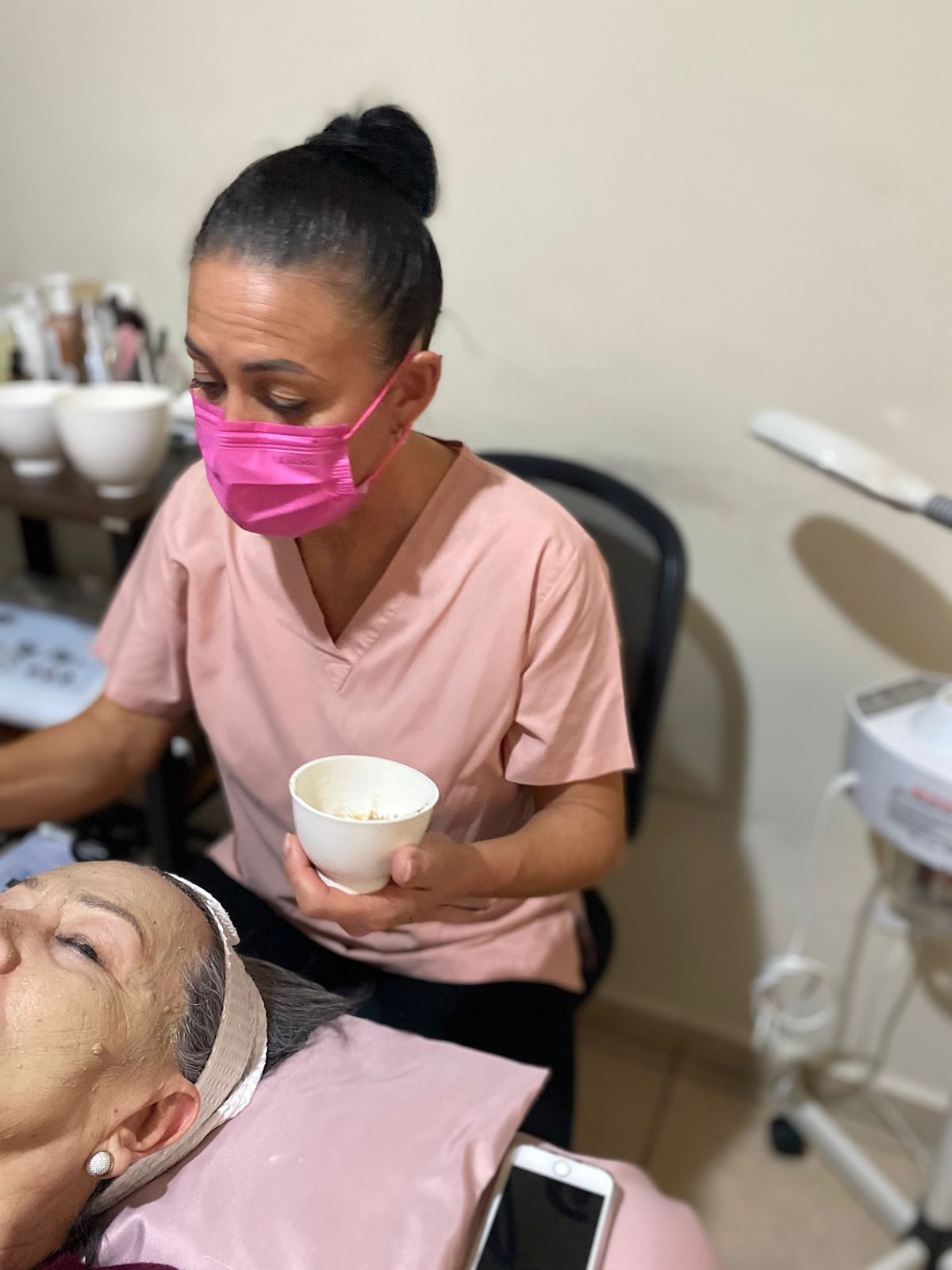
Photo: A01708827 / Wikimedia Commons, CC BY-SA 4.0
Room and bed
Change the bed linen for every client and wipe down the tool surface before each shift. Split the tray into a "clean" zone (unused) and a "dirty" zone (used), and never mix them.
The 10-step extraction procedure
The procedure below is the extraction part of a facial. Removing make-up and cleansing were covered in the step "Basic facial routine by skin type". The actual extraction (steps 6 to 8) should take about 10–15 minutes so the skin is not irritated for too long.
- Take a history and check contraindications: current medication (especially prescription acne drugs and anticoagulants), allergies, skin conditions, pregnancy, recent procedures. If there is a contraindication, do not extract.
- Remove make-up and cleanse: clear away all sunscreen, make-up and excess oil.
- Examine under the magnifying lamp: mark out the spots that can be extracted, count inflamed spots for the record card and advice.
- Soften the plugs: warm steam for about 5–8 minutes with the nozzle about 30–40 cm from the face, or a warm towel. For sensitive skin or visible capillaries, shorten the time or use only a warm towel.
- Disinfect the area: put on fresh gloves, apply antiseptic zone by zone and let it dry.
- Open the surface (ripe whiteheads only): open a new lancet in front of the client, hold the tip almost parallel to the skin and gently open the thin skin over the plug. Do not stab straight down, do not go deep.
- Extract: place the extractor loop around the spot, press down evenly and slide gently; or wrap two index fingers in sterile gauze, place them either side of the spot, press down and then bring them gently together. Pressure comes from beneath the spot, never from fingernails.
- The 3-press rule: press each spot no more than 2–3 times. If the plug does not come out, or clear fluid or blood appears, stop and leave it for the next session.
- Disinfect again and dispose of lancets: dab antiseptic on each area you worked on, drop lancets straight into the sharps container, put cotton and gauze in the separate bag.
- Calm, moisturise, protect: apply a soothing mask, a light moisturiser and, in the daytime, sunscreen; give the client aftercare advice.
Pressure and angle
The right pressure is just enough for the plug to rise on the first press, leaving only slight pinkness around the spot. A deep imprint of the extractor loop or a wincing client means you are pressing too hard. Cheeks and the eye area have thinner skin than the nose and chin, so be gentler there; never extract on the eyelids or right at the lip line.
Why stop after 2–3 presses
Every press squeezes the tissue around the follicle. Pressing again and again ruptures the follicle wall beneath and pushes sebum and bacteria into the dermis: the next day a small spot becomes a large inflamed one, which then leaves a mark. A plug that will not come out is usually unripe or deep; by the next session the skin has changed and it comes out far more easily.
Safety warning: Lancets and extractors are sharp tools that contact blood and skin fluids. Use a new lancet for every client, open the pack in front of them, drop it straight into the sharps container and never recap a needle with two hands. If you are pricked by a used lancet: let it bleed freely, wash with soap under running water, report to your manager and see a doctor for advice on follow-up. Do not extract when the client has a contraindication, and never squeeze inflamed spots, pustules, nodules or cysts. If the area around the nose and upper lip becomes hot, red and swollen with spreading redness, increasing pain or fever after extraction, the client needs to see a doctor at once.
When to stop and refer to a dermatologist
You do not need to diagnose disease; you only need to recognise signs that something is "outside the spa's scope" and say so clearly. The basics of contraindications are covered in Skin structure and the contraindications every spa therapist must know.
6 situations: no extraction, advise a medical visit
- Many red inflamed spots or pustules, or any nodules or cysts.
- The client is taking prescription acne medication (oral or topical) or stopped only recently: ask the treating doctor before any procedure on the skin.
- The skin is damaged: open wounds, infection, cold sores, a flare of eczema or psoriasis, sunburn.
- The client has a bleeding disorder, takes anticoagulants, has poorly controlled diabetes or wounds that heal slowly.
- Acne that appeared suddenly and spreads fast, comes with excess hair growth or menstrual problems, or appears for the first time in an older adult.
- After a session: spreading hot redness, pus, increasing pain, fever.
What to tell the client
Keep it short and honest, without scaring them: "These spots are inflamed deep down, and squeezing them is likely to leave marks and scars. I recommend you see a dermatologist for the right treatment. Today I will only cleanse, calm the skin and extract the non-inflamed plugs." Note on the record card that the client was advised to see a doctor. Never promise to "clear your acne in 5 sessions".
Skin care after extraction
Freshly extracted skin has dozens of tiny openings and a weaker skin barrier than usual. Good aftercare helps the skin recover quickly with fewer marks; poor aftercare turns those openings into new inflamed spots.
At the spa
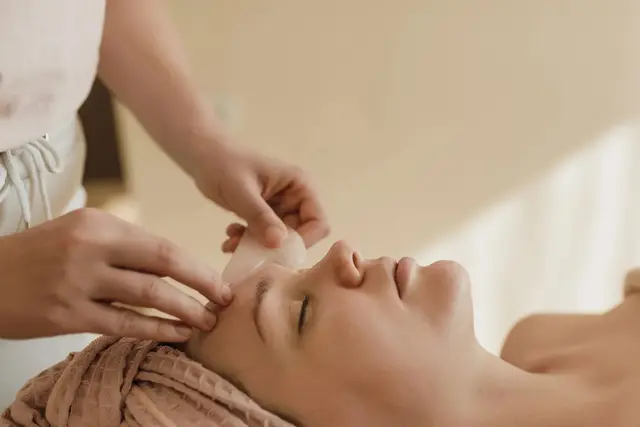
After disinfecting, apply a soothing, hydrating mask for about 10–15 minutes (Figure 4). Choose products with little fragrance and no strong exfoliating actives. No firm massage and no heat devices on extracted areas. Finish with a thin layer of moisturiser and sunscreen if the client is leaving in daylight.
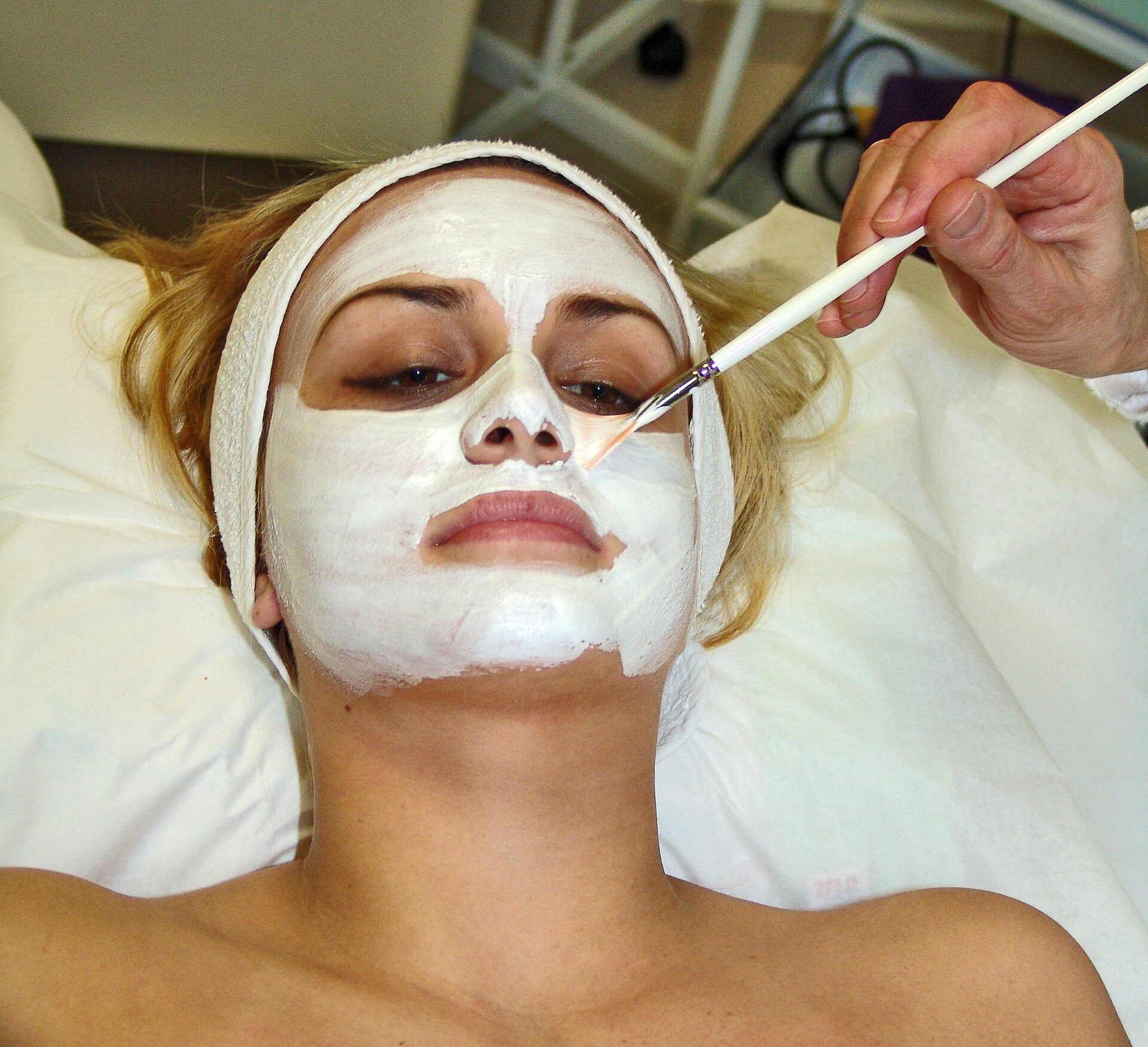
Photo: Sérgio (Savaman) Savarese / Wikimedia Commons, CC BY 2.0
Home care in the first 72 hours
| Time | Do | Avoid |
|---|---|---|
| 0–24 hours | Wash gently with a mild cleanser and cool water; light moisturiser; sunscreen outdoors | Heavy make-up, touching the face, steam, swimming pools |
| 24–72 hours | Keep moisturising and using sunscreen; change the pillowcase | Scrubs, AHA, BHA, retinol (as the therapist advises for each client); squeezing remaining spots |
| After 72 hours | Return to the normal routine if the skin is no longer red | Strong actives while the skin still stings |
These timings are common practice for reference; sensitive skin needs a longer break from actives.
How often to extract
Usually every 2–4 weeks, depending on how fast plugs form again and how well the skin recovers. Extracting more often tends to irritate the skin; between sessions, the home routine is what keeps new plugs down.
Worked example: a 24-year-old with oily skin and closed comedones in the T-zone
The client is a 24-year-old woman who works in an office, with oily skin, many blackheads on the nose and whiteheads on the forehead and chin. No prescription medication, no allergies, not pregnant. Under the lamp: about 18 blackheads that can be extracted, 12 ripe whiteheads, 5 unripe whiteheads and 4 red inflamed spots on the cheeks.
Decisions on the record card
- Extract: 18 + 12 = 30 non-inflamed plugs.
- Do not extract: 5 unripe spots (next session) and 4 inflamed spots (do not touch, monitor; if they increase, advise a medical visit).
- Total spots recorded: 30 + 5 + 4 = 39.
Time plan for a 60-minute session
| Step | Time |
|---|---|
| Welcome, history, consent form | 5 min |
| Make-up removal, cleansing | 8 min |
| Magnifying lamp check, record card | 4 min |
| Softening steam | 7 min |
| Disinfection, extraction of 30 spots | 15 min |
| Disinfect again, clear lancets | 3 min |
| Soothing mask | 12 min |
| Moisturiser, sunscreen, advice, next booking | 6 min |
| Total | 60 min |
Check: 5 + 8 + 4 + 7 + 15 + 3 + 12 + 6 = 60 minutes. Thirty spots in 15 minutes is an average of 30 seconds per spot, including moving between zones and dabbing antiseptic. If there are spots left at minute 15, stop and book the next session rather than running over.
Single-use supplies and service price
Supplies, reference prices for 2026 depending on the supplier: 4 lancets × 1,000 VND = 4,000 VND; 2 pairs of gloves × 3,000 VND = 6,000 VND; cotton, gauze and antiseptic about 10,000 VND; a soothing mask about 25,000 VND. Total: 4,000 + 6,000 + 10,000 + 25,000 = 45,000 VND (about 1.8 USD). A cleansing facial with extraction at a small spa in Vietnam usually costs about 150,000–400,000 VND per session (2026 reference, varies by area). Book the client back in 3 weeks and ask her to photograph the inflamed spots weekly; if they increase, advise her to see a dermatologist before the next session.
Common mistakes and how to fix them
Squeezing with fingernails
Sign: crescent-shaped marks and bleeding around the spot. Cause: no extractor or gauze, pressing with nail tips. Fix: always use a loop extractor or two gauze-wrapped fingers, with pressure from the soft pads of the fingers.
Forcing unripe spots
Sign: many presses, only clear fluid or blood, a swollen red spot the next day. Cause: the plug is deep and not yet visible. Fix: check carefully under the lamp, extract only spots where you can see the plug, and apply the 3-press rule.
Steam too hot or too long
Sign: the face stays flushed, the client finds it hard to breathe, sensitive skin comes up in a rash. Cause: the nozzle is too close or steaming goes beyond 10 minutes. Fix: keep about 30–40 cm away for 5–8 minutes, ask how it feels, and use a warm towel for sensitive skin.
Frequently asked questions
Is it good to have spots squeezed at a spa?
Yes, if the spa extracts only blackheads and ripe whiteheads, works sterile and gives aftercare. No, if it squeezes inflamed spots, pustules and cysts, shares lancets or presses too hard. Clients should ask which spots the spa extracts and whether the tools are single-use.
What does a "medical-standard" extraction procedure mean?
In a spa, it should mean following the same sterile principles as a clinic: gloves, single-use lancets, disinfected tools, antiseptic before and after, proper sharps disposal and record cards. Treating inflamed acne and cysts, and prescribing medicines, is the dermatologist's job, not the spa's.
How should skin be cared for after extraction?
For the first 24 hours, wash gently, skip heavy make-up and keep hands off the face; for 72 hours, avoid scrubs and strong actives, and always moisturise and use sunscreen. Spreading hot redness, pus or fever means seeing a doctor at once.
Does extraction leave dark marks?
Done properly, the skin may be slightly red for a few hours up to a day and then settle. Marks usually come from pressing too hard, squeezing inflamed spots or skipping sunscreen afterwards.
Practice and self-assessment
- Set up an extraction tray for one client with clean and dirty zones, and photograph it for your trainer to check.
- Examine 3 models under the magnifying lamp (supervised) and fill in a record card: blackheads, ripe and unripe whiteheads, inflamed spots, and which spots may be extracted.
- Carry out the full 10-step procedure on one model with oily skin and non-inflamed comedones, supervised by a senior therapist, and time the extraction part.
Self-assessment criteria
- Pass: the tray is complete, lancets are still sealed, the sharps container is within reach; gloves are changed at the right moments.
- Pass: at least 9 out of 10 spots are classified correctly according to your trainer; no inflamed spot is touched.
- Pass: extraction takes no more than 15 minutes, no spot is pressed more than 3 times, and the skin is only slightly pink.
- Not yet: squeezing inflamed spots, reusing a lancet, pressing with nails, or skipping the contraindication check.
Once you can extract cleanly and safely, move on to the next roadmap step: Non-invasive skincare devices, where you learn to operate suction, ultrasonic skin scrubbers, iontophoresis and LED light according to the maker's instructions, along with their contraindications.
Keep learning skincare: after extraction and facial massage come non-invasive devices, a 6-session treatment project for 3 model clients and honest consultation and package selling. See the 8-step skincare specialist roadmap.