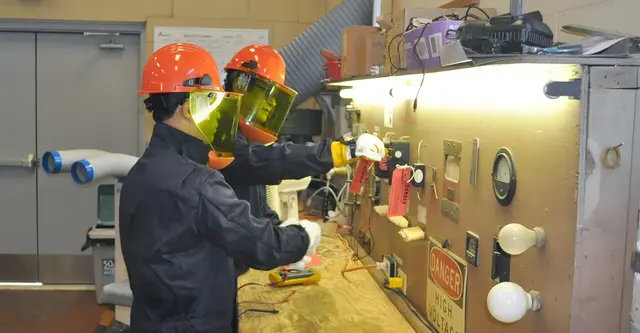
Cleaning a hydroponic system properly means draining the old solution, scrubbing off algae and deposits, disinfecting the reservoir, channels and net cups between crops, then flushing with clean water; staying safe means keeping electricity away from water, protecting pumps and lights with an earth-leakage breaker, storing chemicals correctly and only using approved pesticides. A hydroponic system keeps electricity, water and chemicals side by side day and night, so one cracked pump cable or one splash of bleach into acid is enough to cause an accident. Hydroponic greens are also usually eaten raw, so hygiene in the growing area is food safety too. This is the first lesson of the roadmap, written for people who have never grown hydroponically, with a checklist to use on your first day in the greenhouse.
By the end of this lesson, you will be able to:
- Check and lay out power for pumps, air pumps and grow lights so they stay away from water and have shock protection.
- Store and use common chemicals (nutrients, pH acid, bleach, pesticides) without causing dangerous reactions.
- Keep personal and growing-area hygiene so raw-eaten greens are safe and pests stay out of the greenhouse.
- Set up daily, weekly and between-crop cleaning schedules.
- Work out the time, supplies and cost of cleaning a 300-cup NFT system with figures that add up.
Learning hydroponic growing properly? Electrical, water and chemical safety and hygiene is step 1 of the 8-step roadmap, before choosing a system, raising seedlings and mixing nutrients. See the 8-step hydroponic and greenhouse grower roadmap.
Three groups of hazards in a hydroponic greenhouse
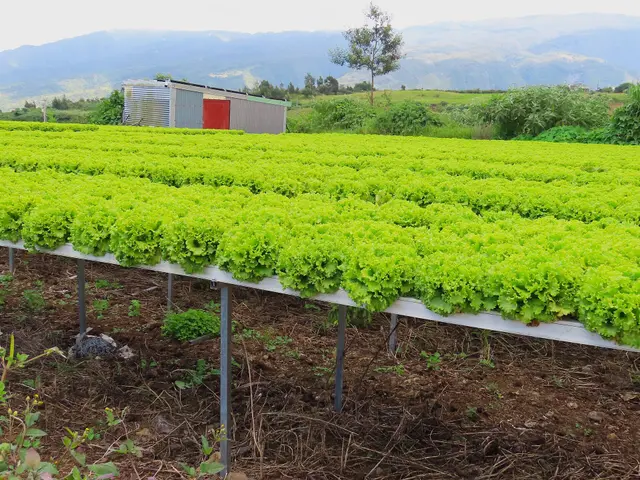
A hydroponic greenhouse looks clean and tidy (Figure 1), but it has three groups of hazards that newcomers often underestimate.
Electricity meets water
Submersible pumps sit in the nutrient reservoir, and air pumps, LED lights, fans and timers all run on 220 V right beside the water. Nutrient solution contains mineral salts, so it conducts electricity better than plain water. Greenhouses are hot and humid, sometimes with misting, so sockets and cables easily get damp and leak current.
Concentrated chemicals
Concentrated A and B nutrients, pH-down acid, pH-up alkali, bleach and hydrogen peroxide for disinfection, and pesticides. Each one already needs protection on its own; mixing the wrong two can release toxic gas.
Pathogens and food safety
Hydroponic leafy greens are usually eaten raw. Dirty hands, tools or water can carry bacteria onto the leaves. Algae and deposits in channels and reservoirs are where root-rot fungi grow, and they spread across the whole system because the solution circulates past every plant.
Electrical safety for pumps, lights and fans
You do not need to be an electrician, but you must be able to spot danger and ask an electrician to do the job properly. Wiring the distribution board and running new cables must be done by a qualified electrician.
An earth-leakage breaker is mandatory
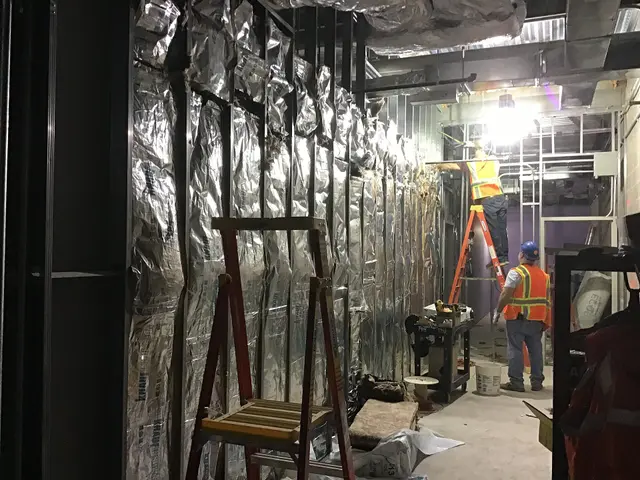
Every circuit feeding the growing area (pumps, aeration, lights, fans, sockets) must pass through an earth-leakage breaker, also called a residual current device (RCD, RCBO, ELCB), rated at 30 mA for personal protection (Figure 2). When current leaks through water or a person to earth, the device cuts the power in a fraction of a second. Press the TEST button once a month: the breaker must trip; if it does not, have it replaced. How to choose and wire this breaker is covered in how to wire an RCD at home from the electrician track.
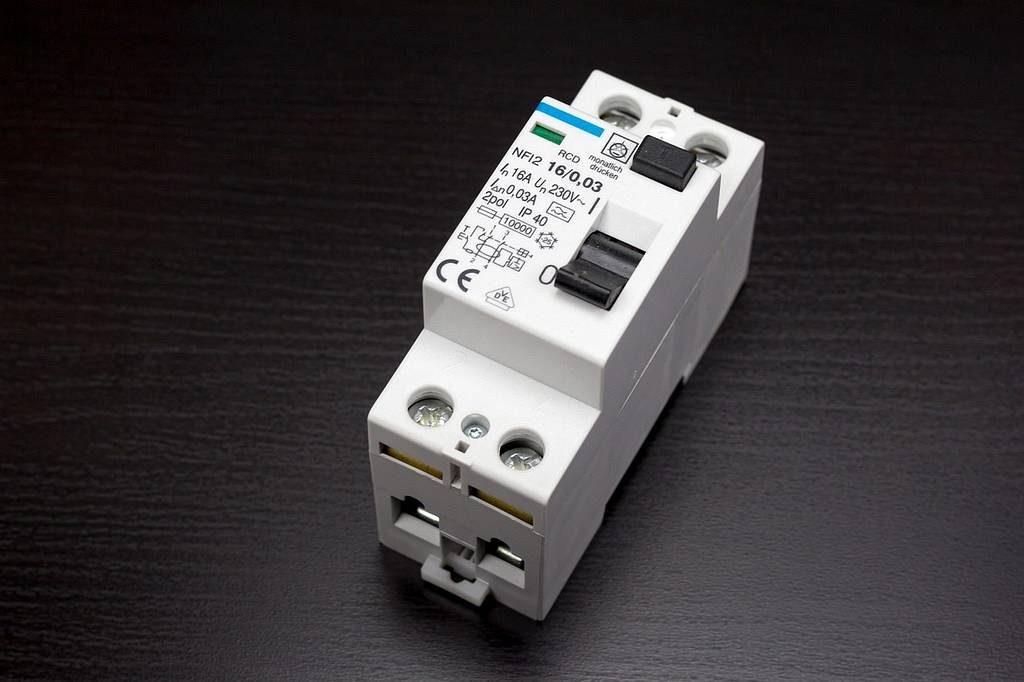
Photo: Diermaier / Wikimedia Commons, CC0
Keep sockets, cables and equipment away from water
- Sockets, timers and controllers go above the floor and above the reservoir rim, in a lidded waterproof box, never under pipes or misting nozzles.
- The cable from each device to its socket should dip into a loop below the socket (a drip loop), so water runs down the cable and drips off instead of entering the socket.
- Use submersible pumps with one-piece cables, never joined in the water or at the reservoir edge; run cables in conduit or on hooks, not across a wet floor.
- LED grow lights, fans and sensors in damp places must have a suitable water-resistance rating, for example IP65 or higher; metal housings must be earthed.
- Do not daisy-chain extension leads or exceed the power rating printed on the socket.
Unplug before your hands go in the water
Before putting your hands into the reservoir to adjust the pump, clean the pump filter or change the solution: unplug or switch off the breaker for the pump and air pump first. When done, dry your hands before plugging back in. Make this a habit from day one.
Electrical safety warning: Never touch sockets, plugs or controllers with wet hands or while standing barefoot on a wet floor. If you see cracked cable insulation, a scorched plug, a hot socket, an earth-leakage breaker that keeps tripping, or feel a tingle when touching the reservoir water: switch off the main power at once, stop using the system and call an electrician; never join cables yourself or bypass the earth-leakage breaker "to stop it tripping". If someone is electrocuted, cut the power first, do not touch the victim with bare hands, and call 115 (Vietnam's ambulance number).
Chemicals in hydroponics: storage and protective gear
Hydroponic growers handle chemicals almost every day. Mixing A and B solutions, measuring EC and adjusting pH are covered in step 4, in how to mix hydroponic nutrient solution; here you learn storage and the things you must never do.
Common chemicals
| Chemical | Used for | Main hazard | Storage notes |
|---|---|---|---|
| Concentrated A and B nutrients | Making nutrient solution | Skin and eye irritation; precipitates if mixed concentrated | Separate cans, clear labels, never mix A and B concentrated |
| pH-down acid | Lowering pH | Corrodes skin and eyes; toxic gas if it meets bleach | Low shelf, drip tray, away from bleach and alkali |
| pH-up alkali | Raising pH | Corrodes skin and eyes | Sealed can, away from acid |
| Bleach (chlorine-based) | Disinfecting reservoirs, cups, tools | Irritant; releases toxic chlorine gas with acid | Stored separately, away from acid, out of the sun |
| Concentrated hydrogen peroxide | Disinfecting the system | Burns skin and eyes, can start fires with organic material | Original container, cool place, away from flammables |
| Pesticides | Pest and disease control | Poisoning through skin and lungs | Locked cabinet, away from harvested produce and food |
Three things you must never do with chemicals
- Never mix bleach with pH-down acid or with other cleaners: the reaction releases chlorine gas, which causes choking and lung damage.
- Never store chemicals in drinking bottles, cups or buckets used for harvested greens.
- Never mix chemicals in a closed room; mix in a ventilated spot with clean water nearby for rinsing splashes.
Protective gear for mixing and disinfecting
Long-cuff rubber or nitrile gloves, sealed goggles, long sleeves or a waterproof apron, and boots. When disinfecting a reservoir with bleach or hydrogen peroxide, ventilate the area, stand upwind and do not lean your face over the opening.
Pesticides in the greenhouse: approved products and withholding periods
Insect-netted greenhouses usually need few sprays, but when thrips or aphids break out you may still have to act. Hydroponic greens are sold as "clean vegetables", so every pesticide use must follow the rules.
The right list, the right crop
Use only products on Vietnam's current list of approved pesticides, registered for vegetables and for the pest you are dealing with. Prefer biological products and non-chemical methods (sticky traps, nets, hygiene), covered in depth in step 6 of the roadmap. Never add pesticide to the circulating nutrient reservoir unless the label allows it.
Withholding periods with short crops
The withholding period is the minimum number of days from the last spray until harvest, printed on the label. Hydroponic leafy greens are harvested after only about 25–45 days, so count before you spray: if the batch will be harvested before the period ends, you may not use that product. Record the spray date, product and allowed harvest date in the log.
Protection when spraying in a greenhouse
Greenhouses are enclosed with little wind, so spray vapour lingers longer than in the field. Wear a respirator with chemical cartridges, goggles, gloves and waterproof clothing; open the vents; post a "just sprayed" sign and keep people out for the time given on the label.
Personal and growing-area hygiene
Most pathogens enter a greenhouse on people, tools and water. Hygiene is the cheapest form of disease prevention.
Before entering the greenhouse
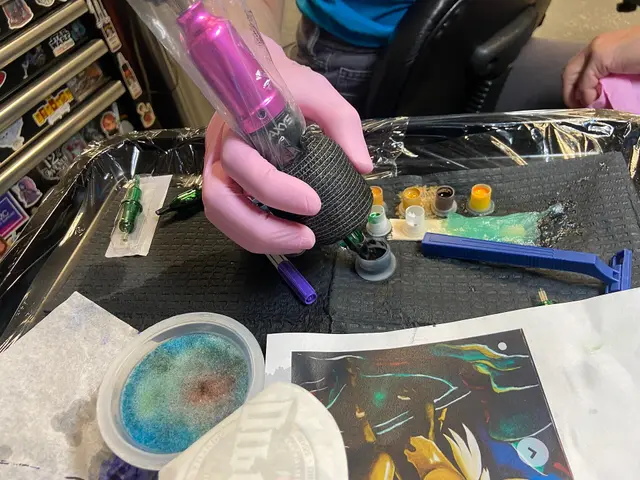
- Wash your hands with soap and clean water for at least 20 seconds, especially before touching seedlings and harvested greens (Figure 3).
- Change into greenhouse-only footwear or boots; step through the disinfectant tray or mat at the door if the farm has one.
- Use the double door or airlock: close the outer door before opening the inner one so insects do not follow you in.
- No smoking, eating or drinking in the growing area; anyone with diarrhoea or open cuts on their hands should not harvest or pack.
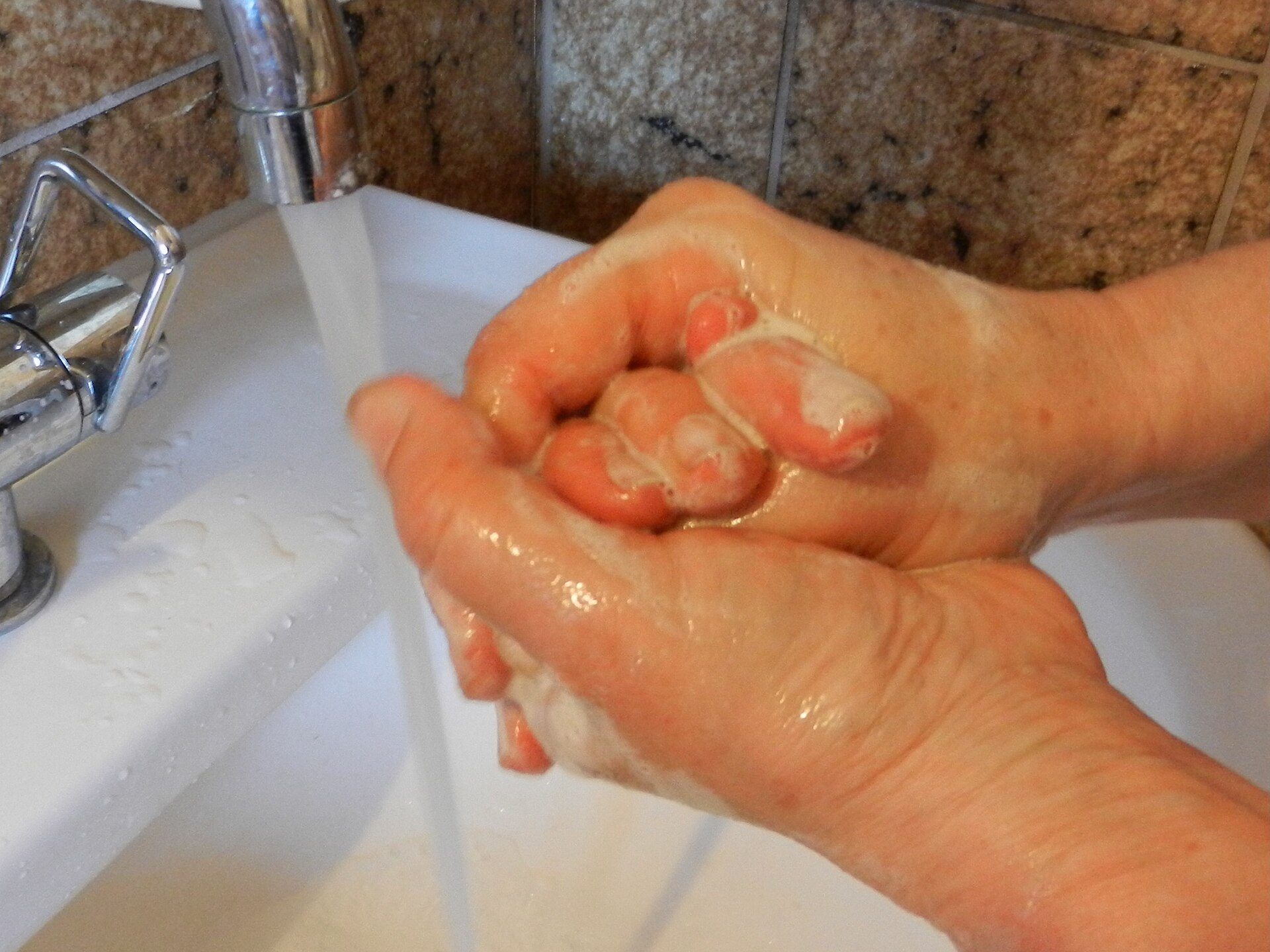
Photo: Beat Ruest / Wikimedia Commons, CC BY-SA 4.0
Tools and areas
Harvest tools (knives, scissors, baskets, crates) are kept for that purpose, washed and dried after each use. Produce baskets never sit directly on the floor. Fallen leaves, roots and diseased plants leave the greenhouse the same day. Keep dogs, cats and poultry out of the growing area. Water for mixing solution must be clean, and storage tanks must be covered.
Keep records for traceability
A notebook or spreadsheet recording cleaning dates, chemicals used, spray dates and harvest dates. This is the foundation for VietGAP certification and selling to canteens and supermarkets later.
Hydroponic system cleaning schedule
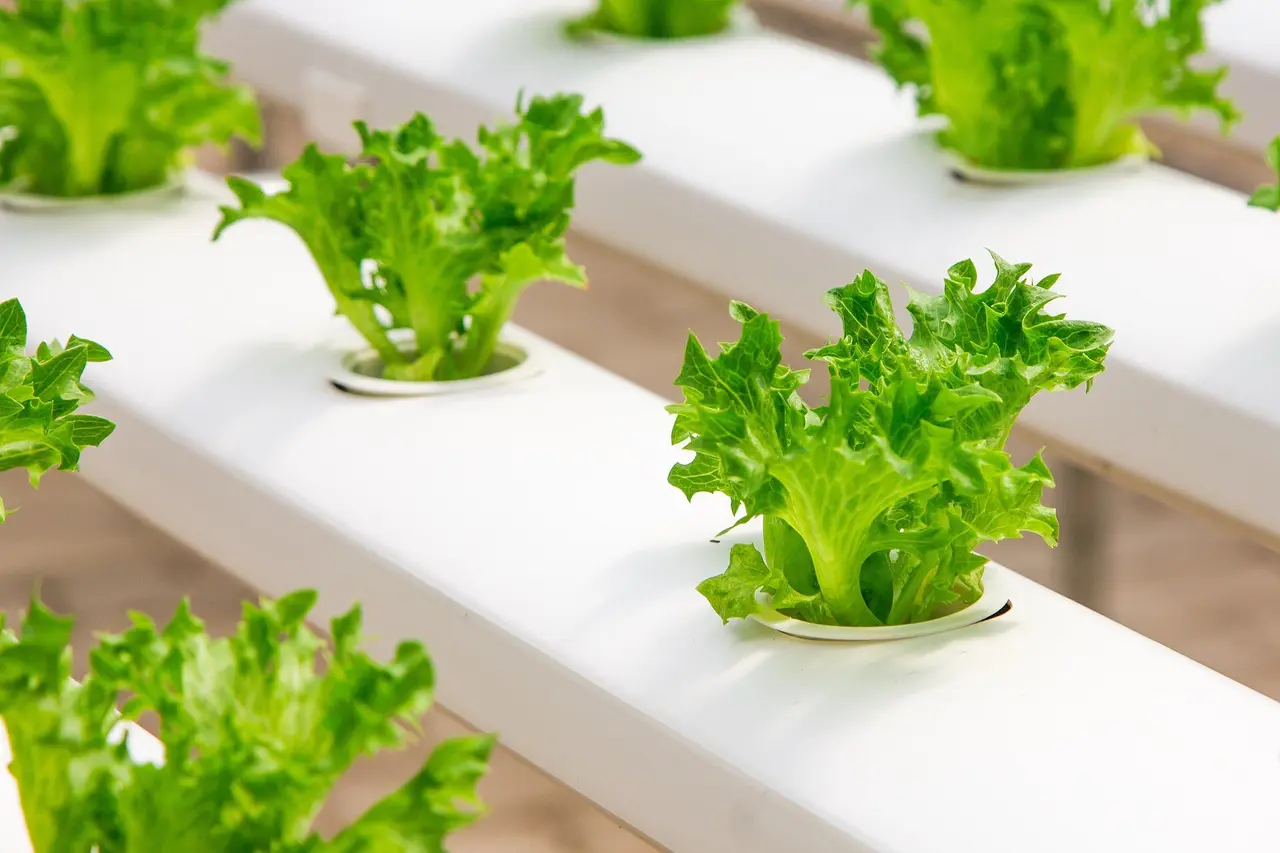
A hydroponic system gets dirtier every day: dead roots, algae and mineral deposits build up on channels, cups and reservoir lids (Figure 4). Splitting cleaning by frequency means you never face a "major overhaul" once the system is already sick.
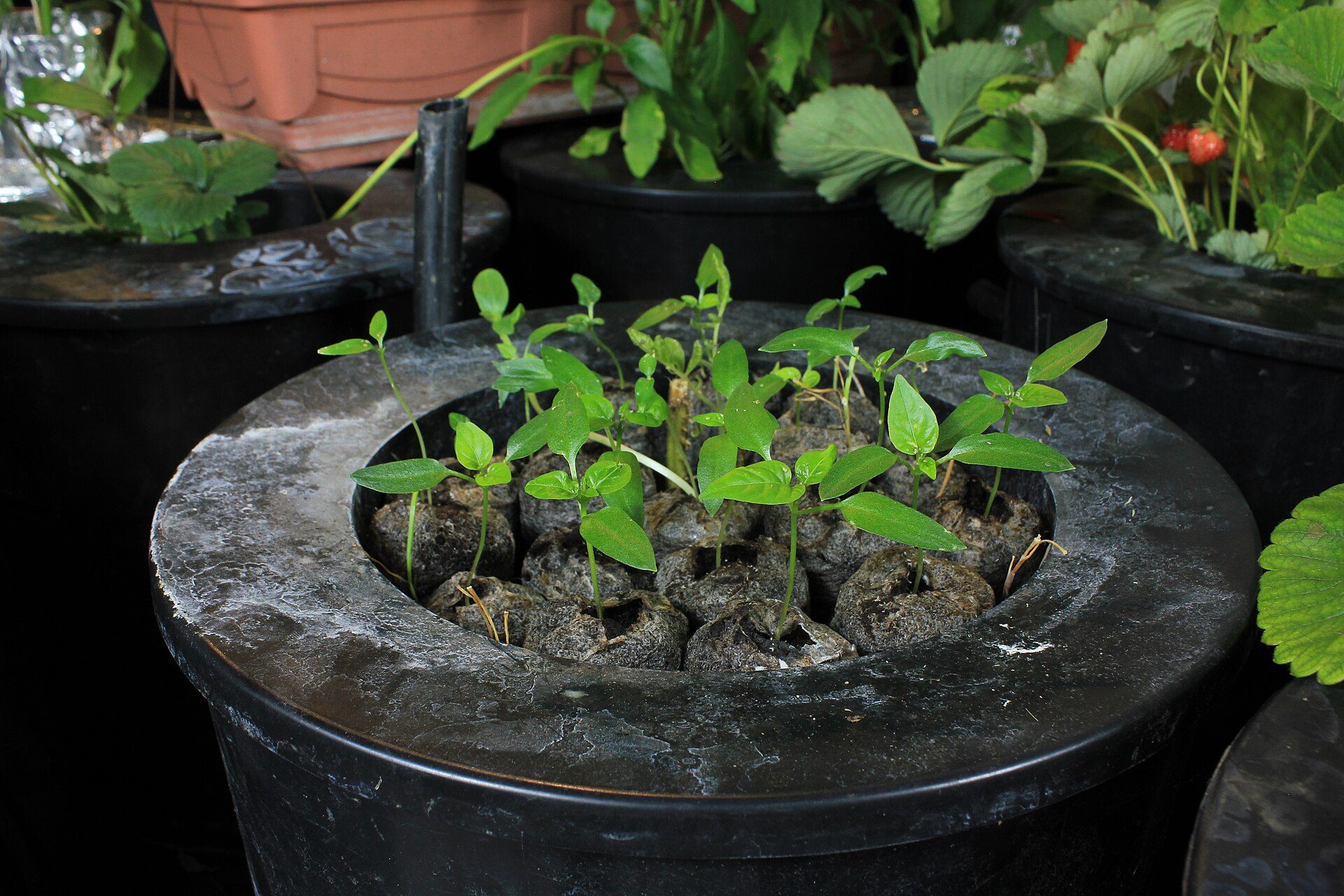
Photo: Accuruss / Wikimedia Commons, CC BY-SA 3.0
Daily and weekly
| Frequency | Tasks | Sign of success |
|---|---|---|
| Daily | Pick up fallen leaves and dead plants; check flow at channel ends; check the pump runs and the aerator bubbles | Even flow, no unusual wilting |
| Weekly | Unplug and clean the pump filter; wipe algae from channel ends and reservoir lid; check cables and sockets | Clean filter, no foul smell in the reservoir |
| Monthly | Press TEST on the earth-leakage breaker; check and tidy the chemical store | Breaker trips on test, chemicals in their places |
| Between crops | Drain, scrub, disinfect the whole system, flush with clean water | No algae, deposits or chlorine smell before replanting |
Between-crop disinfection procedure
- Harvest everything, pull out stumps and roots, and take the cups out.
- Switch off the pump and drain the old solution onto open ground or garden plants, never into ponds or ditches.
- Scrub algae and deposits from the reservoir, channel ends and gutters; for long channels, use a long-handled brush or pull a sponge through.
- Fill the reservoir with clean water, add disinfectant at the label rate and circulate it through the whole system for the time the label gives.
- Soak the cups in a separate tub of disinfectant and scrub off old roots.
- Drain the disinfectant and run clean water through the system at least twice until there is no chlorine smell; rinse the cups in clean water too and dry them.
Worked example: cleaning a 300-cup NFT system between two lettuce crops
Scenario: a small peri-urban greenhouse with a 12-channel NFT system, 300 cups in total, a 200-litre reservoir, just after a lettuce harvest. One person does the work, using bleach to soak the cups.
Time for each step
- Pull stumps, collect cups: 30 minutes.
- Drain old solution: 15 minutes.
- Scrub reservoir and channels: 12 channels × 5 minutes = 60 minutes.
- Circulate disinfectant (cups soak at the same time): 30 minutes.
- Drain and run clean water: 2 rounds × 20 minutes = 40 minutes.
- Total: 30 + 15 + 60 + 30 + 40 = 175 minutes, about 2 hours 55 minutes.
Cup soak: a 60-litre tub, using bleach at an example ratio of 1 part bleach to 9 parts water, that is 6 litres of bleach + 54 litres of water = 60 litres. This ratio is only an example; bleach strength varies by brand, so follow the label of the product you buy.
Supply costs (2026 reference prices, vary by region)
| Supply | Quantity × unit price | Amount |
|---|---|---|
| Bleach for soaking cups | 6 litres × 20,000 VND | 120,000 VND |
| System disinfectant (per label) | 1 round × 150,000 VND | 150,000 VND |
| Long-handled brushes | 2 × 45,000 VND | 90,000 VND |
| Long-cuff rubber gloves | 2 pairs × 35,000 VND | 70,000 VND |
| Safety goggles (reusable) | 1 × 60,000 VND | 60,000 VND |
| Total | 490,000 VND | |
Check: 120,000 + 150,000 + 90,000 + 70,000 + 60,000 = 490,000 VND (about 19 USD), or about 1,633 VND per cup for this cleaning. Brushes and goggles last many crops, so later cleanings cost less. Compared with losing a whole system to root rot, this is a very small cost.
Common beginner mistakes
Removing the earth-leakage breaker because it "keeps tripping"
Sign: the breaker trips repeatedly and someone removes or bypasses it. Real cause: a current leak, often in a pump or damp socket. Fix: keep the breaker, unplug devices one at a time to find the leak, and have an electrician replace the faulty device.
Not flushing well after disinfecting
Sign: newly transplanted seedlings show burnt roots and yellow leaves. Cause: chlorine residue left in channels and cups. Fix: flush with clean water at least twice and only mix new solution once there is no chlorine smell.
Bleach and acid in the same bucket
Sign: a sharp smell, stinging eyes, coughing. Cause: using a bucket that held acid to mix bleach. Fix: get to fresh air at once and do not try to pour it away; give each chemical its own labelled container.
Cleaning only once the system is sick
Sign: brown slimy roots, a foul-smelling reservoir. Cause: skipping the weekly tasks. Fix: follow the cleaning schedule above and tick off each task.
Frequently asked questions
What do you clean a hydroponic system with?
Scrub with brushes and clean water, then disinfect with diluted bleach, hydrogen peroxide or an agricultural disinfectant at the label rate, and finally flush with clean water at least twice.
How often should a hydroponic system be cleaned?
Small tasks daily and weekly (fallen leaves, pump filter, algae at channel ends); disinfect the whole system between crops or as soon as root rot appears.
Does a hydroponic pump need an earth-leakage breaker?
Yes. Every electrical device in the growing area, especially submersible pumps and air pumps, must be on a 30 mA earth-leakage breaker, with sockets raised, dry and covered.
Do hydroponic vegetables need pesticide sprays?
A netted greenhouse with good hygiene rarely needs them. When it does, use only approved products registered for vegetables and respect the withholding period on the label.
Checklist and self-assessment
First-day greenhouse checklist
- You know where the main breaker and the growing area's earth-leakage breaker are, and you have pressed TEST.
- Sockets and timers are off the floor in sealed boxes; cables have drip loops.
- Chemical store: acid kept away from bleach and alkali, labelled cans, gloves, goggles and rinse water nearby.
- A handwashing point, dedicated boots, and double doors closed in the right order.
- A log for cleaning, chemicals, spray dates and harvest dates.
Practice tasks
- Draw the electrical layout of a hydroponic system you can visit: pump, sockets, breakers, lights; circle the places where power is near water.
- Write a 4-week cleaning schedule for that system using the frequency table above.
- Work out the time and cost of cleaning an 8-channel, 200-cup system at 5 minutes of scrubbing per channel, following the example.
Self-assessment criteria
- Pass: your layout identifies at least 3 places where power is near water and a fix for each.
- Pass: the calculation adds up, with channel scrubbing at 8 × 5 = 40 minutes and a correct total.
- Not yet: bleach and acid on the same shelf, or hands in the reservoir while the pump is still plugged in.
With safety and hygiene in place, move on to the next step of the roadmap: Hydroponic systems & greenhouse structure, where you compare NFT, DWC and drip on substrate and choose frames, nets and film by budget and crop (Figure 5 shows an NFT system being planted).
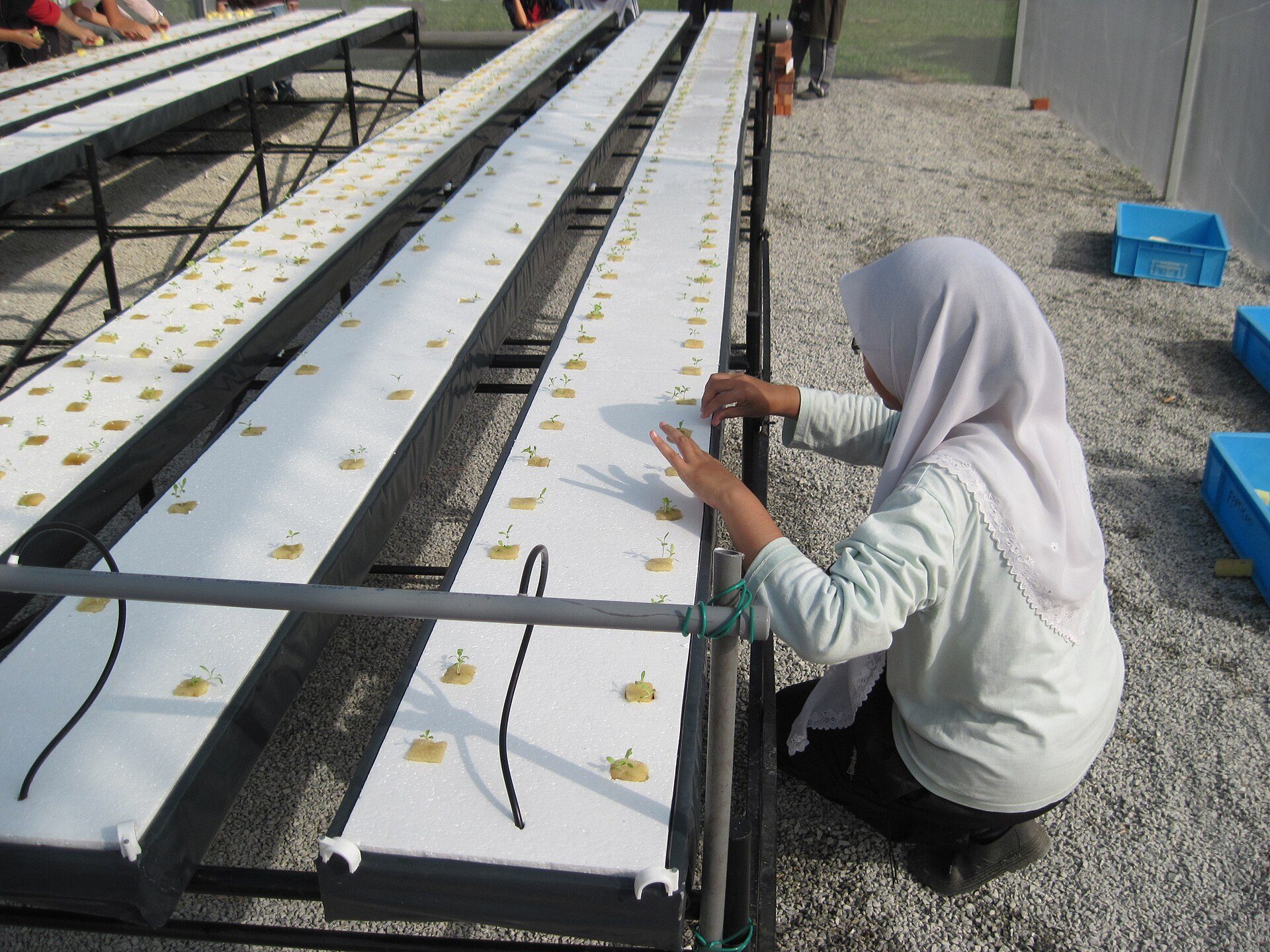
Photo: Izhamwong / Wikimedia Commons, CC BY 3.0
Keep learning hydroponic growing: after safety come choosing systems and greenhouses, sowing, mixing nutrients and measuring EC and pH, greenhouse climate, pest control and running an NFT system for a full cycle. See the 8-step hydroponic and greenhouse grower roadmap.