Learning cybersecurity should start with professional ethics and authorized scope (only test your own systems, a lab, or systems you have written permission to test), then computer networking, Linux and Windows, and only after that threats, defence and SOC monitoring. Beginners who jump straight into "hacking" tools usually get stuck because they do not understand packets, ports or logs, and some break the law without meaning to when they "just try it" on someone else's website. This lesson explains what cybersecurity covers, how to build a legal home lab, how to plan 6 months of study with concrete hours, and what a level 1 SOC analyst does and earns in Vietnam.
By the end of this lesson, you will be able to:
- Name the 5 main areas of cybersecurity work and choose the one that suits you as a starting point.
- Tell permitted activities from illegal ones, and write a simple testing scope document.
- Build an isolated virtual lab on your own computer for safe practice.
- Plan 6 months of study with a set number of hours for each knowledge area.
- Describe the daily work of a level 1 SOC analyst and the reference salary range for newcomers.
Learning cybersecurity properly? This lesson belongs to step 1 of the roadmap: professional ethics, law and authorized scope. See the 9-step cybersecurity specialist roadmap: from networking, Linux and Windows to SIEM, incident response and entry-level certification.
What does cybersecurity cover? The 5 main areas
Cybersecurity means protecting computer systems, networks and data from unauthorized access, damage and leaks. The field is not only about "white hat hackers". Most jobs, especially for newcomers, are on the defensive side: monitoring, detecting, responding and hardening systems.
Career areas and entry roles
| Area | What you do | Typical entry role |
|---|---|---|
| Monitoring and defence (blue team, SOC) | Watch alerts, analyse logs, detect attacks | SOC analyst level 1 (L1) |
| Penetration testing (pentest, red team) | Find vulnerabilities when a client authorizes it in writing | Junior pentester, usually after 1–2 years of foundation |
| Incident response and digital forensics | Contain, remediate and collect evidence after an incident | Usually a step up from SOC |
| Application security | Review source code, security-test web apps and APIs | Developers or testers who switch over |
| Governance, risk and compliance (GRC) | Policies, risk assessment, audits against standards | Compliance specialist, IT auditor |
Why beginners should aim for the SOC first
A SOC (Security Operations Center) needs many people, especially at banks, telecom companies, managed security providers and large enterprises. Level 1 work follows clear procedures, comes with on-the-job training, and shows you real logs and alerts every day. It is a strong base for moving into incident response, pentesting or cloud security after 1–3 years.
Qualities you need
Patience to read long logs, curiosity about "why does it work like that", careful note-taking and respect for the law. You do not need to be a programming genius, but you should be able to read short Python or PowerShell scripts and be willing to read documentation in English.
Step 0: professional ethics, law and authorized scope
This is the first and most important lesson. The same port scan or password test is learning and professional work on your own machine or with permission; on someone else's system without permission it is unauthorized access.
The golden rule: only test systems you are allowed to test
- Your own systems: virtual machines, routers and servers you own and manage.
- Legal practice environments: CTF platforms and online labs built for practice, within the scope they publish.
- Client or company systems: only with a written authorization stating scope, time window, methods and contact person.
- Bug bounty programmes: only within the published scope and terms; anything outside scope is not allowed.
Legal warning: unauthorized access to computer networks, spreading malware, and taking or trading personal data are violations of Vietnamese law and can lead to criminal prosecution. "Just trying it", "I did not take anything" or "the site was already broken" are not legal excuses. Do not scan, guess passwords or run exploit tools against other people's websites, Wi-Fi or accounts, including your school, former employer or friends, without written permission. Do not download cracked "hacking" tools from unknown sources: many come with malware already inside.
Groups of legal documents to know
In Vietnam you need to understand the spirit of several groups of rules: the laws on cybersecurity and network information security, the computer-related offences in the Criminal Code, and the regulations on personal data protection. These documents are amended over time, so do not memorise article numbers from social media; read the current versions on the official Government portal and the national legal documents database, or ask your company's legal team once you are employed.
Write a simple testing scope
Even for a home lab, practise writing an authorized scope the way you would for a client:
- Targets: which IP addresses, domains or applications may be tested (for example only the 192.168.56.0/24 range of your virtual network).
- Time window: start and end date and time.
- Permitted and forbidden methods (for example, no denial-of-service attacks).
- Who authorized it, and who to contact if something goes wrong.
- How collected data is stored and deleted afterwards.
Responsible disclosure
If you stumble on a vulnerability in a real system during normal use, do not exploit it further to "prove" it. Note what you saw, report it privately to the owner through an official channel (a security contact page or a bug bounty programme if one exists), do not publish it before they have had time to fix it, and never ask for money in exchange for the details.
Foundations to learn before "attacking"
Every alert in a SOC is a story about packets, processes, accounts and logs. Without the foundations you can run tools but cannot understand their output.
Computer networking
Learn the TCP/IP model, IP addresses and subnets, ports and common protocols: DNS, HTTP/HTTPS, SSH, RDP, SMB. Understand what switches, routers, firewalls, NAT and VLANs do (Figure 1). Practise capturing packets with Wireshark on your own machine to see the steps behind one web visit.
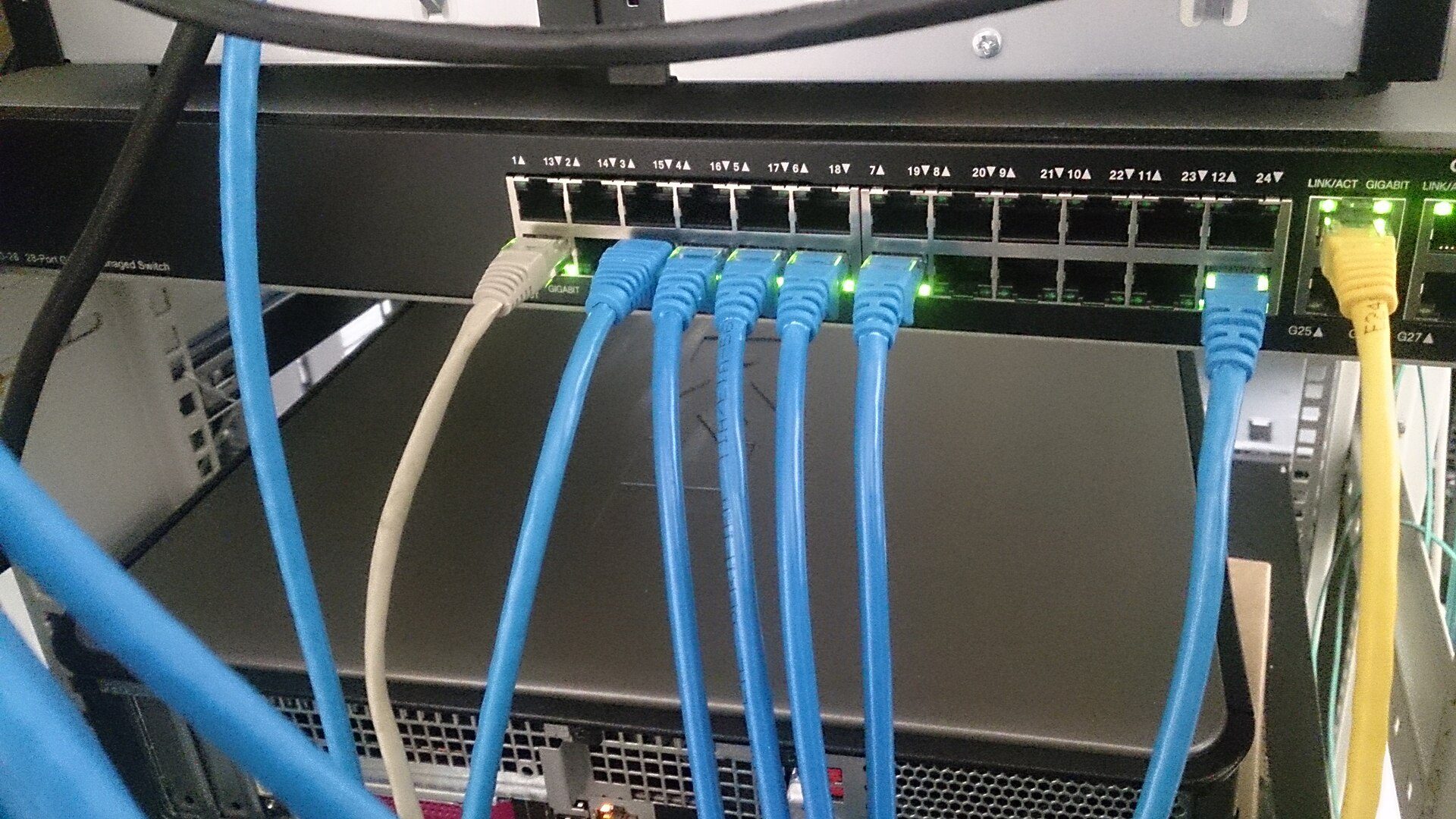
Photo: ProjectManhattan / Wikimedia Commons, CC BY-SA 3.0
Linux and Windows
- Linux: the command line, file permissions, users and groups, processes, services, reading logs in /var/log.
- Windows: Event Viewer, logon events, accounts and groups, basic PowerShell, the idea of Active Directory in companies.
Scripting and technical English
Be able to write short Python or Bash scripts that filter logs or count failed logins per IP. Documentation, tools and alerts are almost all in English; reading one incident report or vulnerability bulletin in English every day is effective practice.
Build a safe home lab
A lab is where you can make mistakes freely without harming anyone. The whole lab runs in virtual machines on your computer, on a virtual network separated from your home network.
Hardware and software
| Component | Minimum | Recommended |
|---|---|---|
| RAM | 8 GB (2 light VMs) | 16 GB or more (3–4 VMs at once) |
| Disk | 100 GB free on an SSD | 250 GB free on an SSD |
| CPU | Virtualization support, enabled in BIOS | 4 cores or more |
| Virtualization software | VirtualBox, VMware Workstation or Hyper-V | |
| Virtual machines | 1 Linux analysis machine, 1 Windows machine, 1 deliberately vulnerable machine for practice | |
Isolate the lab network
Put the VMs on a host-only or internal virtual network, and do not let the deliberately vulnerable machine reach the Internet. Enable NAT only when the analysis machine needs updates. Take a snapshot before every exercise so you can return to a clean state.
Legal places to practise
Deliberately vulnerable web apps such as DVWA or OWASP Juice Shop run inside your own lab. Platforms such as TryHackMe, Hack The Box, picoCTF and OverTheWire provide authorized labs with clear terms. Read the terms carefully and attack only the target machines you are given.
The cybersecurity learning roadmap and a 6-month plan
The 9-step roadmap on NAMBIN runs in this order: ethics and law, networking, Linux and Windows, threats and attack models, defence, SOC monitoring with SIEM, web security testing in a lab, incident response, a mini SOC lab project, then certification and job applications. Instructor-led sessions (Figure 2) help you follow the right order and get mistakes corrected early.
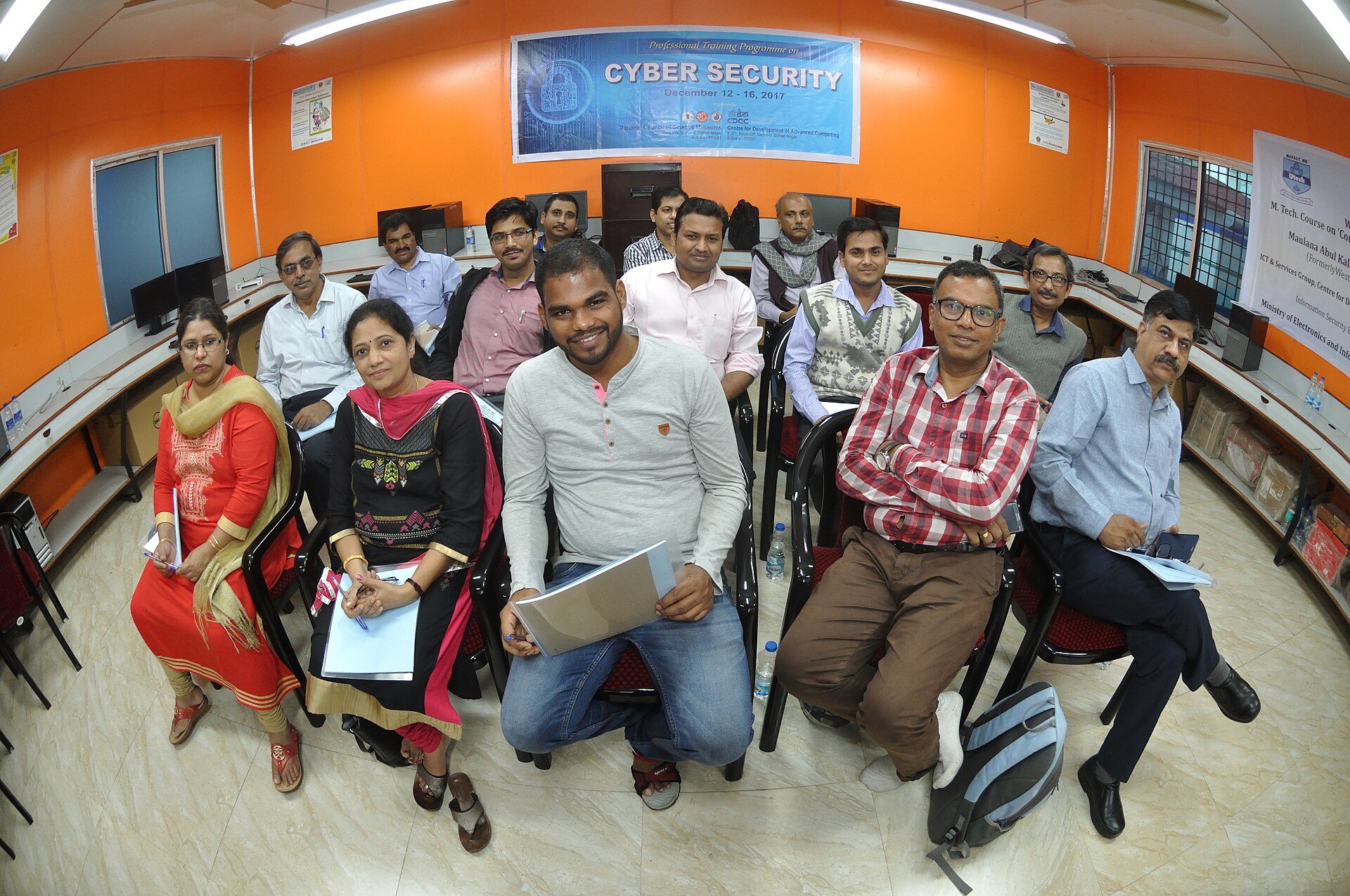
Photo: Biswarup Ganguly / Wikimedia Commons, CC BY 3.0
Worked example: a working learner, 10 hours a week
Tuan, 24, works in IT support and studies in the evenings, 2 hours × 5 evenings = 10 hours a week. Six months is about 26 weeks, so 26 × 10 = 260 hours in total, split as in the table below.
| Stage | Content | Hours | Weeks |
|---|---|---|---|
| 1 | Ethics, law, scope, building the lab | 10 | 1 |
| 2 | Computer networking, Wireshark | 60 | 2–7 |
| 3 | Linux and Windows for security | 50 | 8–12 |
| 4 | Common threats, basic defence | 30 | 13–15 |
| 5 | SIEM, log analysis, writing alert reports | 50 | 16–20 |
| 6 | Mini SOC lab project | 40 | 21–24 |
| 7 | Entry-level certification prep, CV, interviews | 20 | 25–26 |
| Total | 260 | 26 weeks | |
Check: 10 + 60 + 50 + 30 + 50 + 40 + 20 = 260 hours, exactly 26 weeks × 10 hours. Each stage takes hours ÷ 10 weeks (for example 60 ÷ 10 = 6 weeks, weeks 2 to 7). Cost: if your laptop has 8 GB of RAM, upgrading to 16 GB costs about 800,000–1,500,000 VND (roughly 32–60 USD; 2026 reference, depending on the model and region); virtualization software and most beginner material are free. International certification exam fees are set in USD and change over time, so check the issuing organisation's official website.
Take notes like an analyst
After every lab session, write a short note: goal, what you did, what you saw in the logs, conclusion, open questions. After 6 months these notes become a portfolio for interviews.
What does a SOC analyst do, and what are cybersecurity salaries?
A level 1 (L1) SOC analyst works shifts watching alerts from the SIEM (a tool that collects and analyses logs centrally), triages alerts as real or false, gathers more information and escalates to level 2 when a real incident is suspected. Many SOCs run 24/7, so there are night and weekend shifts. Monitoring rooms often have large screens showing system status (Figure 3).

Photo: Alan Levine from United States / Wikimedia Commons, CC BY 2.0
A typical shift
- Take the shift handover and read the alerts still open.
- Work through the alert queue: repeated failed logins, reported phishing emails, machines connecting to suspicious addresses.
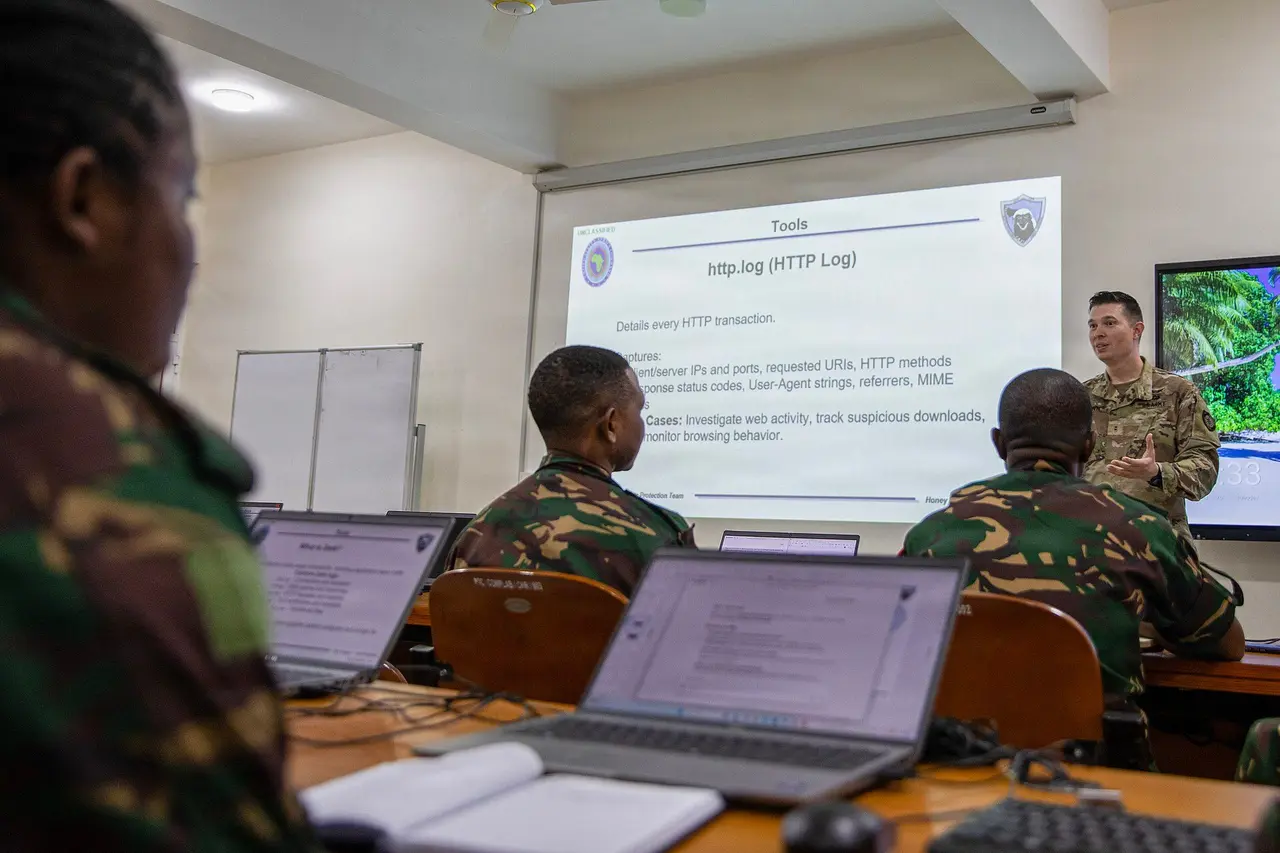
- Analyse the related logs (Figure 4), record the conclusion in the ticket and escalate when needed.
- Write the shift handover and update the playbook if a new situation came up.
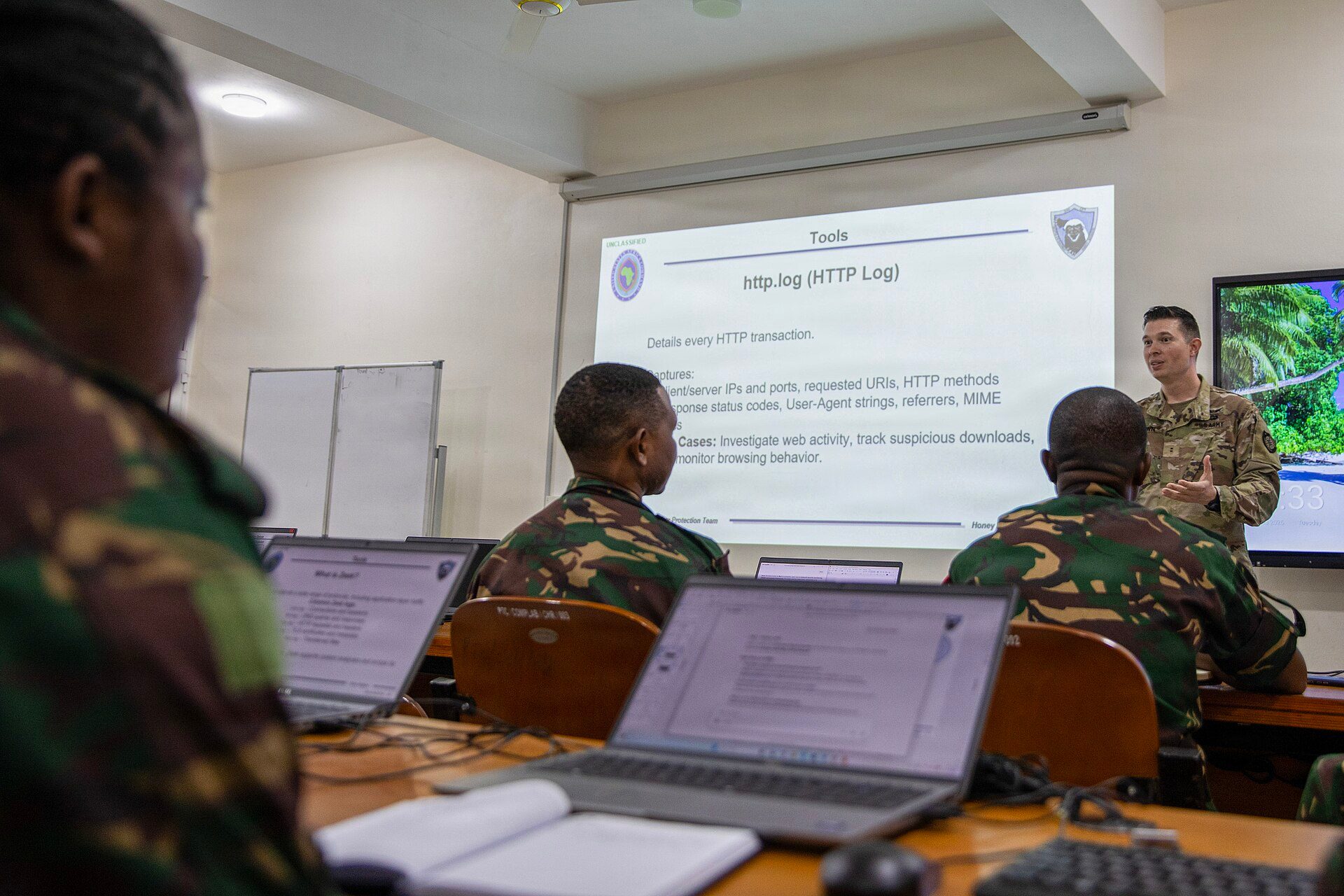
Photo: U.S. Army SETAF-AF by Pfc. Alva Gonzalez / Wikimedia Commons, Public domain
Reference salaries in Vietnam
| Role | Experience | Reference salary per month |
|---|---|---|
| SOC analyst L1, intern converted to staff | 0–1 year | 10–18 million VND |
| SOC analyst L2, incident responder | 2–4 years | 20–35 million VND |
| Pentester, experienced security engineer | 4+ years | 35–60 million VND or more |
These are 2026 reference ranges and vary by region (Hanoi and Ho Chi Minh City are usually higher), type of employer, night shifts and certifications. Compare them with real job postings when you apply.
Common mistakes when teaching yourself cybersecurity
Tools before foundations
Sign: you install a security testing Linux distribution and run dozens of tools but cannot read their output. Cause: networking and operating systems were skipped. Fix: go back to stages 2–3; for every tool you must be able to say "what does it send, and what comes back".
"Just trying it" on real systems
Sign: scanning your school's website, a neighbour's Wi-Fi or friends' accounts. Cause: not understanding the legal boundary. Fix: practise only in your lab and on legal platforms, always with a scope document.
Collecting certificates without results
Sign: you hold certificates but cannot walk through one alert analysis from start to finish. Fix: do the mini SOC lab project and write an attack detection report with log screenshots, a timeline and recommended actions.
Frequently asked questions
Where do I start learning cybersecurity from a non-IT background?
Start with ethics and law, then networking and basic Linux. Career changers should spend 6–12 months in IT support or system administration before applying for SOC roles; it makes getting hired much easier.
Can I learn cybersecurity without strong programming skills?
Yes, especially for SOC and GRC. You need to read and tweak short scripts, not build large software. Application security does require stronger programming.
How long does the cybersecurity roadmap take?
At about 10 hours a week, many people need 6–12 months to be ready for a level 1 SOC role. The example in this lesson is 260 hours over 26 weeks; people with networking experience can move faster.
Are cybersecurity salaries high?
Starting pay for SOC L1 is about 10–18 million VND a month (2026 reference, varies by region) and rises quickly with 2–4 years of experience and incident response skills. The job involves night shifts and pressure during incidents.
Do I need a university degree?
Many employers, especially banks and state agencies, prefer a degree in IT or information security. Security service companies often value practical skills, a portfolio and entry-level certifications more.
Practice exercises and self-assessment
- Write a testing scope for your lab using the 5 items above.
- Set up 2 VMs on a host-only network that can ping each other, while the practice machine cannot reach the Internet.
- Plan your own 6 months using the hours you really have each week, with totals that add up.
Self-assessment criteria
- Pass: your scope states targets, time window, forbidden methods and who authorized it.
- Pass: from the practice machine, opening an outside website fails, while the two VMs can still reach each other.
- Pass: the hours of all stages add up exactly to weeks × hours per week.
- Not yet: any exercise was run against a system you do not own or have no written permission to test.
Once the ethical and legal boundaries are clear, move on to the next step of the roadmap: Networking, Linux and Windows foundations for security, where you learn TCP/IP, packet capture, Linux logs and Windows logon events.
Keep learning cybersecurity: after ethics and law come networking foundations, common threats, system defence, SOC monitoring with SIEM, incident response and a mini SOC lab project. See the 9-step cybersecurity specialist roadmap.