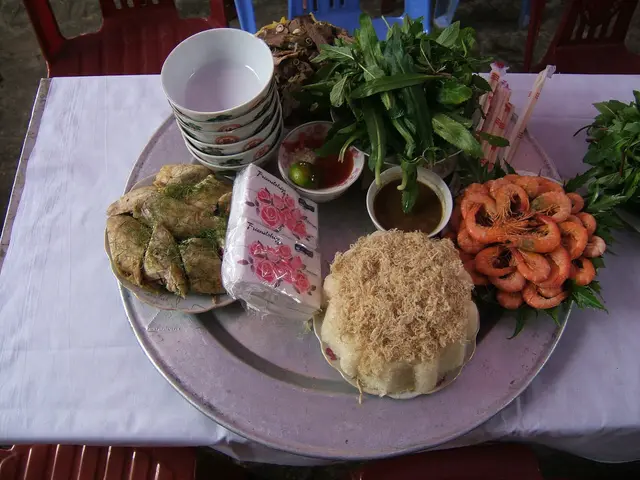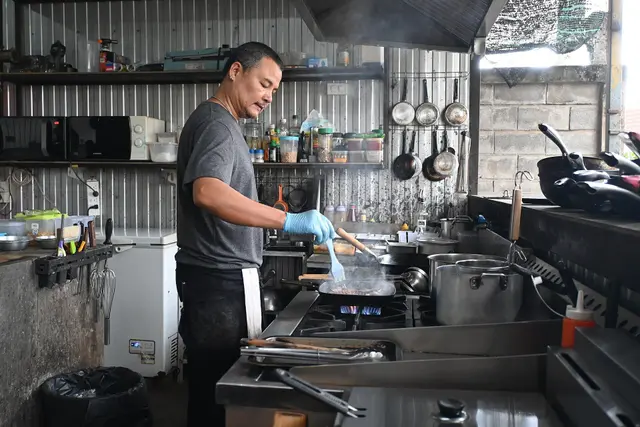
Food safety for feast catering differs from home cooking in one way: you cook a lot, cook early and serve a hundred or more people at once, so a single dish held at the wrong temperature for a few hours is enough to cause mass food poisoning. To prevent it, the kitchen team must control three things: how long cooked food sits in the 5–60°C range, the water and ice supply, and the health of the cooks, plus keeping a sample of every dish for at least 24 hours. This is step 1 of the banquet and catering cook roadmap, written for newcomers joining a mobile feast crew in Vietnam or a wedding venue kitchen, with a sample reverse cooking schedule for a 30-table wedding feast.
By the end of this lesson, you will be able to:
- Explain why feasts so often cause mass food poisoning and spot the 6 most dangerous situations in a feast-cooking day.
- Build a schedule worked back from serving time so that every cooked dish is eaten within 2 hours or is properly held hot or cold.
- Cool dishes cooked in advance quickly, and choose clean water and ice for a field kitchen.
- Take and store a food sample for every dish and keep a three-step food check log.
- Know what to do in the first hour if several guests fall ill after a feast.
Learning feast catering properly? Large-batch food safety is the first of 8 steps on the roadmap, before feast menus, quantities for 10–100 tables and field kitchens. See the banquet and catering cook roadmap to learn in the right order.
Why do feasts so often cause mass food poisoning?
Mass food poisoning tends to happen at weddings, memorial feasts, parties and factory canteens, exactly where food is cooked in bulk. The cause is rarely one "dirty ingredient"; it is usually a chain of small mistakes that cause no trouble in a home kitchen but do at the scale of 300 portions.
Four conditions that make feasts riskier than everyday cooking
- Cooked early, eaten late: to finish 30 tables on time, many dishes are cooked at dawn or the night before.
- Big pots cool slowly: a 50-litre soup pot or a large sticky rice steamer takes hours to cool, sitting in the range where bacteria multiply.
- Field kitchens lack refrigeration: prep happens in a yard or alley, with well water and ice bought from outside.
- Many hands touch the food: the kitchen crew, the host's family and the people carrying trays.
The 5–60°C danger zone
Food poisoning bacteria grow strongly between about 5 and 60°C. On a 30–35°C summer day, a small number of bacteria can double in about 20–30 minutes under favourable conditions. Some bacteria also produce heat-stable toxins: a dish left out too long and then boiled again can still make people ill. So the principle of feast cooking is not "cook it extra hard" but "cook it properly and cut the waiting time".
The 2-hour rule
A common food safety rule: cooked food should not sit at room temperature for more than 2 hours before it is eaten. Anything not eaten within 2 hours must be held hot above 60°C or chilled below 5°C. The whole feast schedule later in this lesson is worked back from this number.
Six dangerous situations in a feast-cooking day
Newcomers to a feast crew should know these six situations by heart. Each comes with the correct practice that the head cook will check.
Situations and the right way to handle them
| Situation | Why it is dangerous | Correct practice |
|---|---|---|
| Boiling chickens at 5 a.m. for an 11 a.m. feast | Cooked chicken sits 5–6 hours at outdoor temperature | Boil in batches so they finish no more than 2 hours before eating |
| Meat and prawns delivered the afternoon before and left in a basin | Fresh food at room temperature overnight | Take delivery at dawn, or hold in ice boxes or a chiller |
| Soup cooked, left to cool and reheated the next morning | Big pots cool slowly, and reheating does not destroy toxins | Make broth on the day; if made ahead, cool it rapidly |
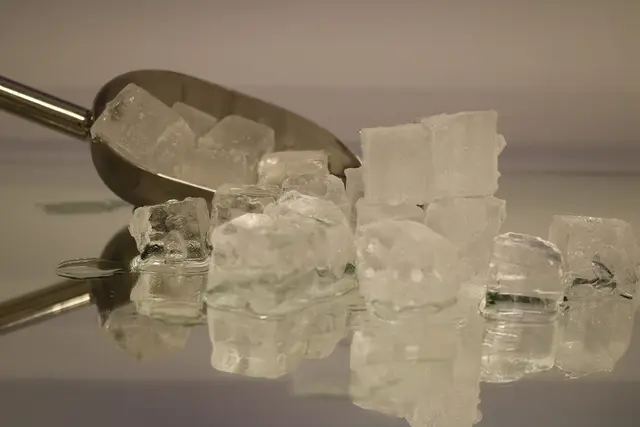
| Block ice used to chill fish crushed into drinks | Ice for storage is not drinking quality | Packaged ice made for drinks; block ice only for chilling food |
| Salads mixed at dawn | Raw vegetables, cooked meat and dressing left standing | Prep ahead and chill, mix just before trays go out |
| A cook with diarrhoea chopping chicken and plating trays | Bacteria and viruses go straight into ready-to-eat food | Move to a job that does not touch food, or rest |
Cold cooked dishes and ready-to-eat food carry the highest risk
Chopped boiled chicken, sliced pork roll, salads and sticky rice on trays are not cooked again after being handled, so any bacteria picked up while chopping, slicing and plating go straight into the guest's mouth. Whoever chops chicken or slices pork roll must wash hands, wear gloves and use a separate board and knife for cooked food.
Bought-in dishes are still the crew's responsibility
Pork roll, sausages, cakes and fermented pork bought ready-made must come from a clearly identified seller; keep the receipt or write down the supplier's name. On delivery, check smell, colour, sliminess and use-by date, and keep them in a cool box until slicing. If something goes wrong, this is the first thing health officials will ask about.
Reverse scheduling, hot holding and rapid cooling
A reverse cooking schedule starts from serving time and works backwards dish by dish: when must it be ready, how long does it take, so when must it start? This is the main tool for being on time and safe at once.
Rules for ordering dishes
- Dishes that hold hot well (soups, sticky rice in the steamer, braises) are cooked first and kept on a low flame.
- Cooked dishes served cold (boiled chicken, pork roll) are cooked or received so that no more than 2 hours pass before eating.
- Stir-fries and fried dishes come last, in batches, straight onto the trays.
- Mixed salads: prep ahead and keep chilled, and mix only 30–45 minutes before the trays go out.
Measure temperature instead of guessing
A probe thermometer is a cheap tool that many feast crews still do not own. Insert it into the thickest part of the meat, the chicken thigh, the centre of a pork roll or the middle of a soup pot to read the core temperature (Figure 1). A common standard is about 75°C at the centre for poultry; hot-held dishes must stay above 60°C the whole time they wait.
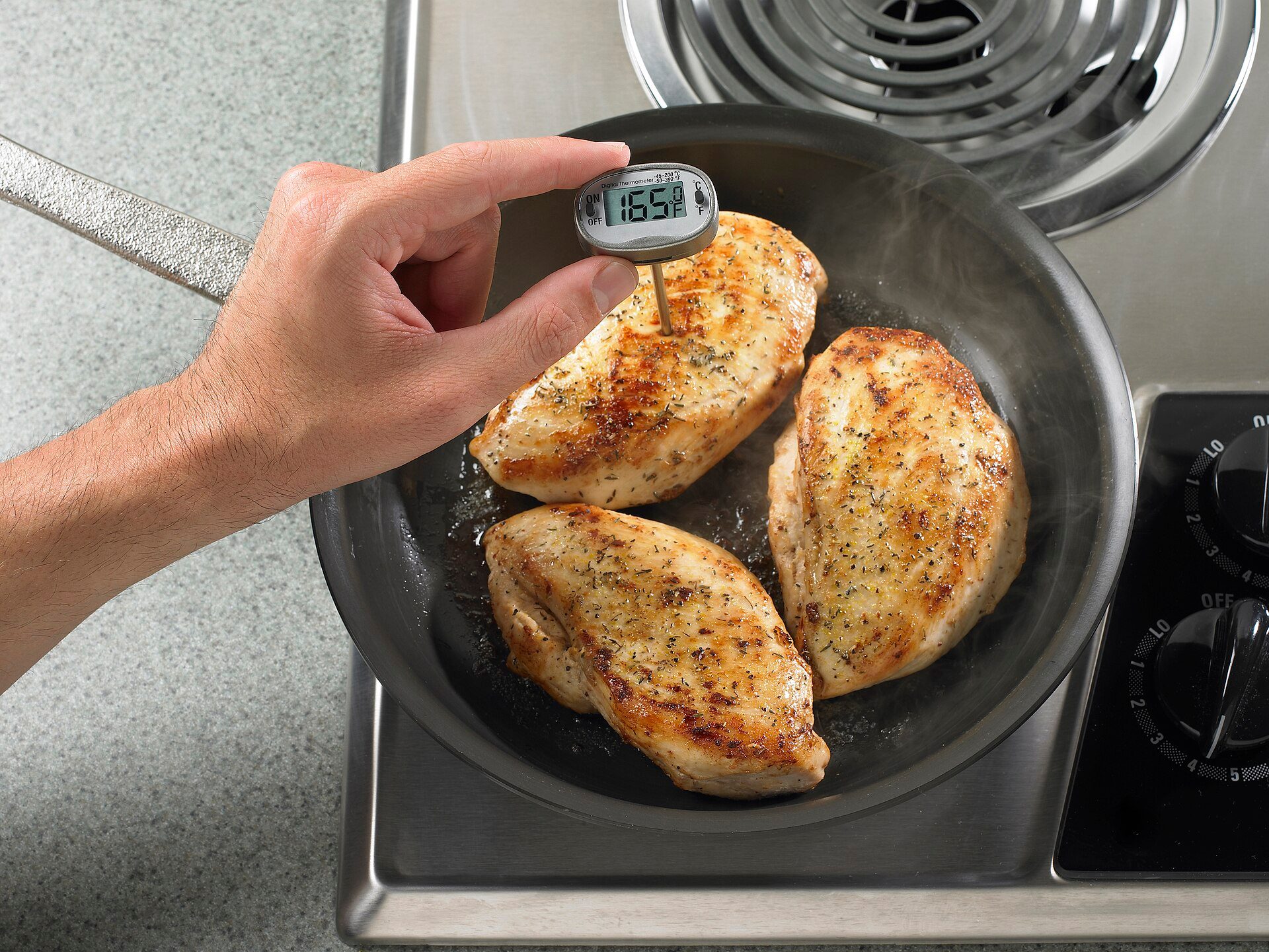
Photo: USDAgov / Wikimedia Commons, Public domain
Rapid cooling of dishes cooked ahead
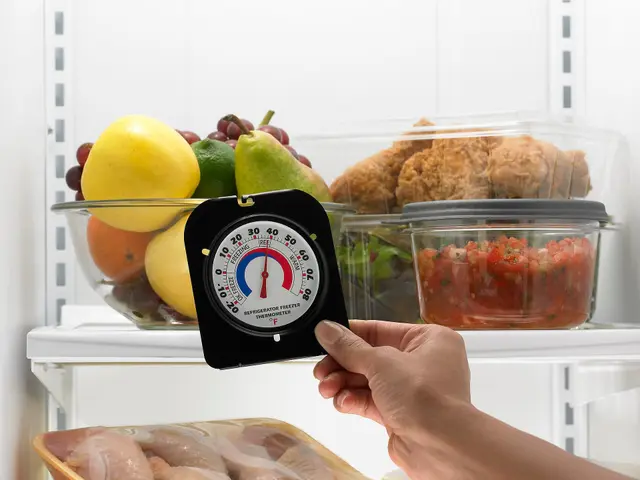
When something has to be cooked in advance (broth, braised pork, sweet soup), it must pass through the 5–60°C range quickly. A common standard is to bring it from about 60°C down to about 21°C within 2 hours, then to 5°C or below within the next 4 hours. In a feast kitchen:
- Divide the food into shallow steel trays, no deeper than about 5–7 cm.
- Set the trays in a basin or box of clean ice water and stir or turn the food regularly (Figure 2).
- Drop clean plastic bottles filled with ice into broth pots to cool them from the inside.
- Do not seal lids while the food is still hot; cover it once cool and put it in the fridge or ice box.
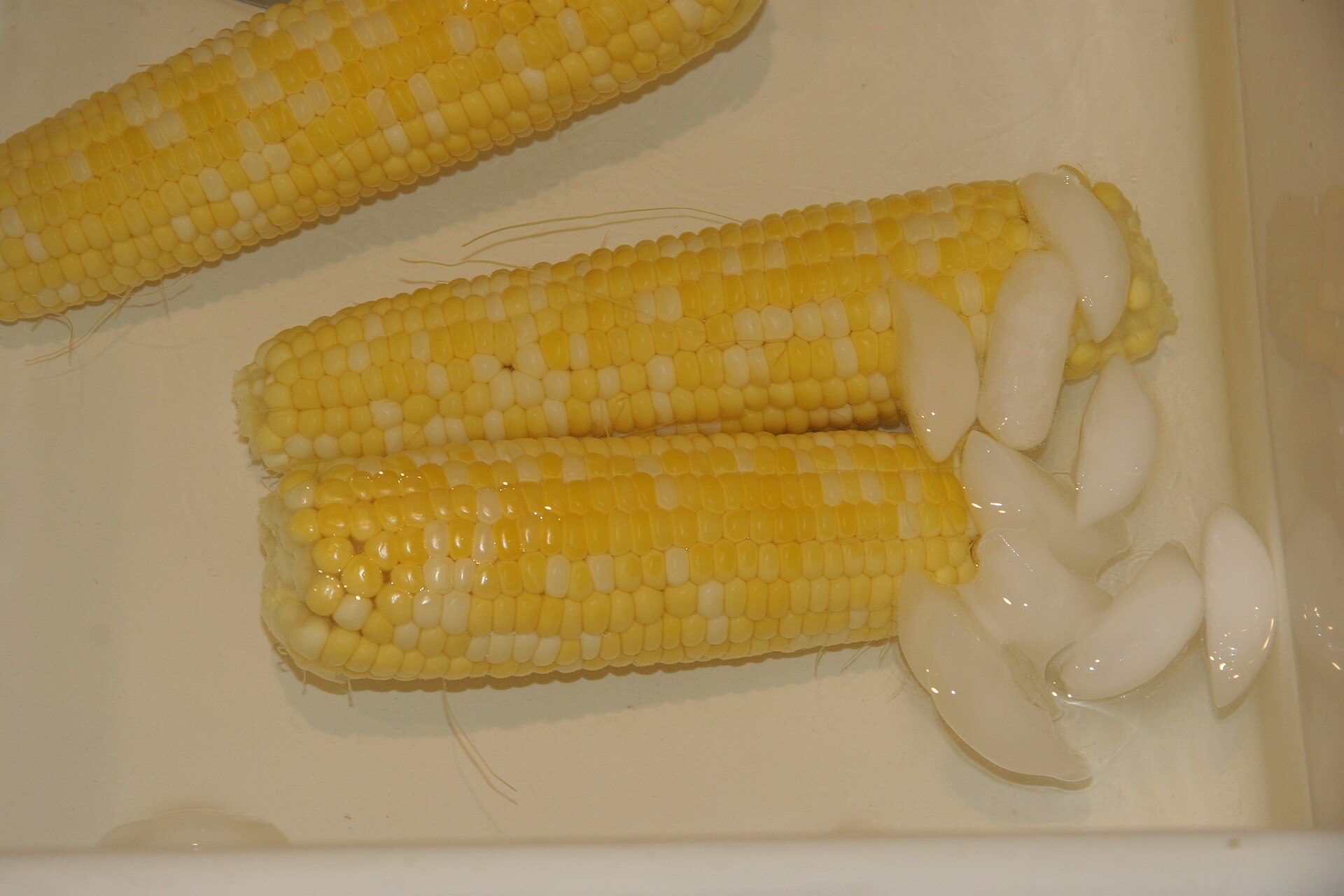
Photo: Nutrition, Food Safety & Health / Wikimedia Commons, CC0
Hot holding and setting the trays
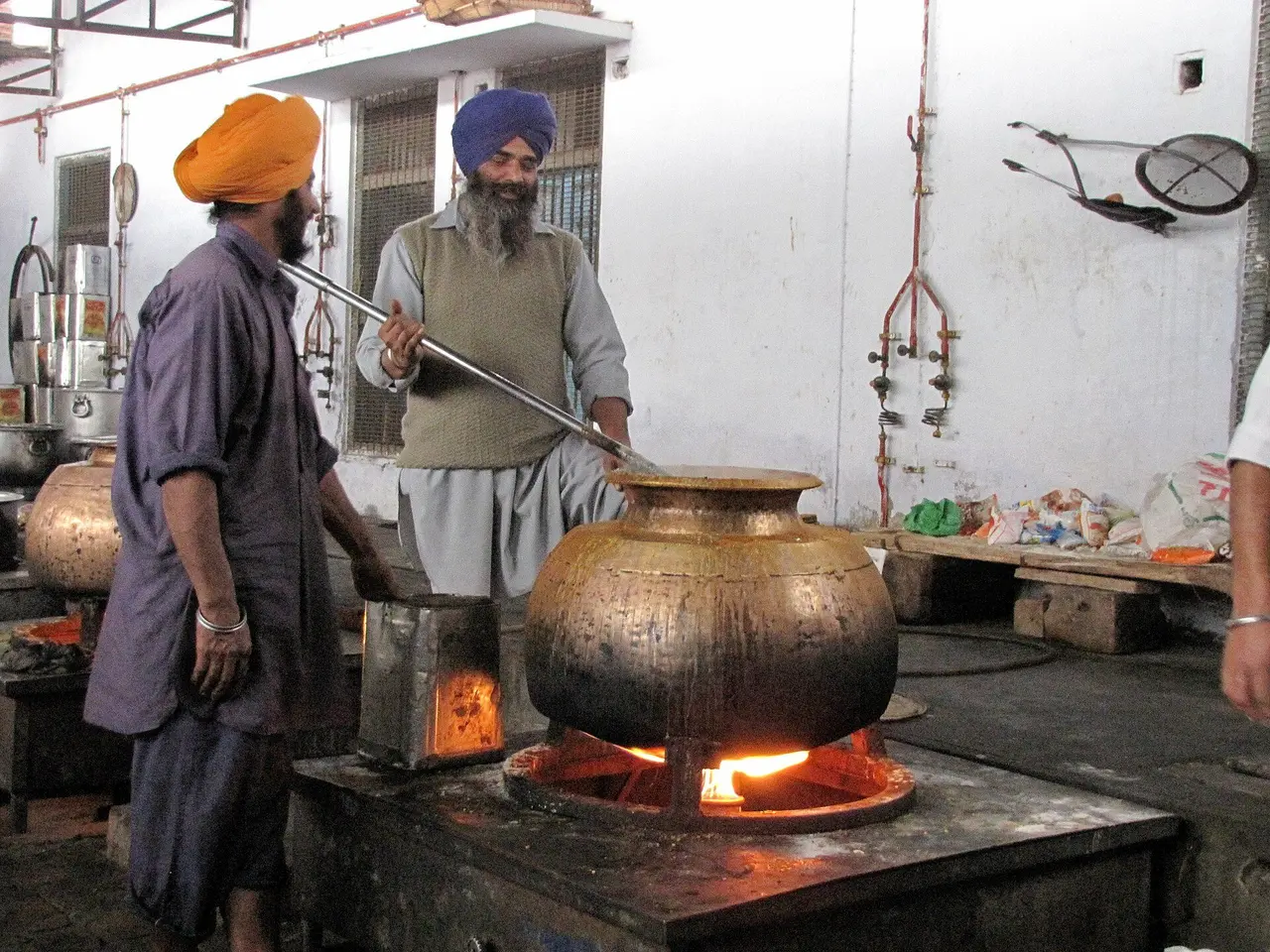
Keep soups on a low flame and ladle them into bowls only when the trays are about to go out. Main dishes can be held in covered steel trays over a warming pot or a pot of hot water (Figure 3). Cover finished trays with a food cover or cling film, and do not set them out too early. Leftovers from guests' trays must never be gathered up and served to another table.
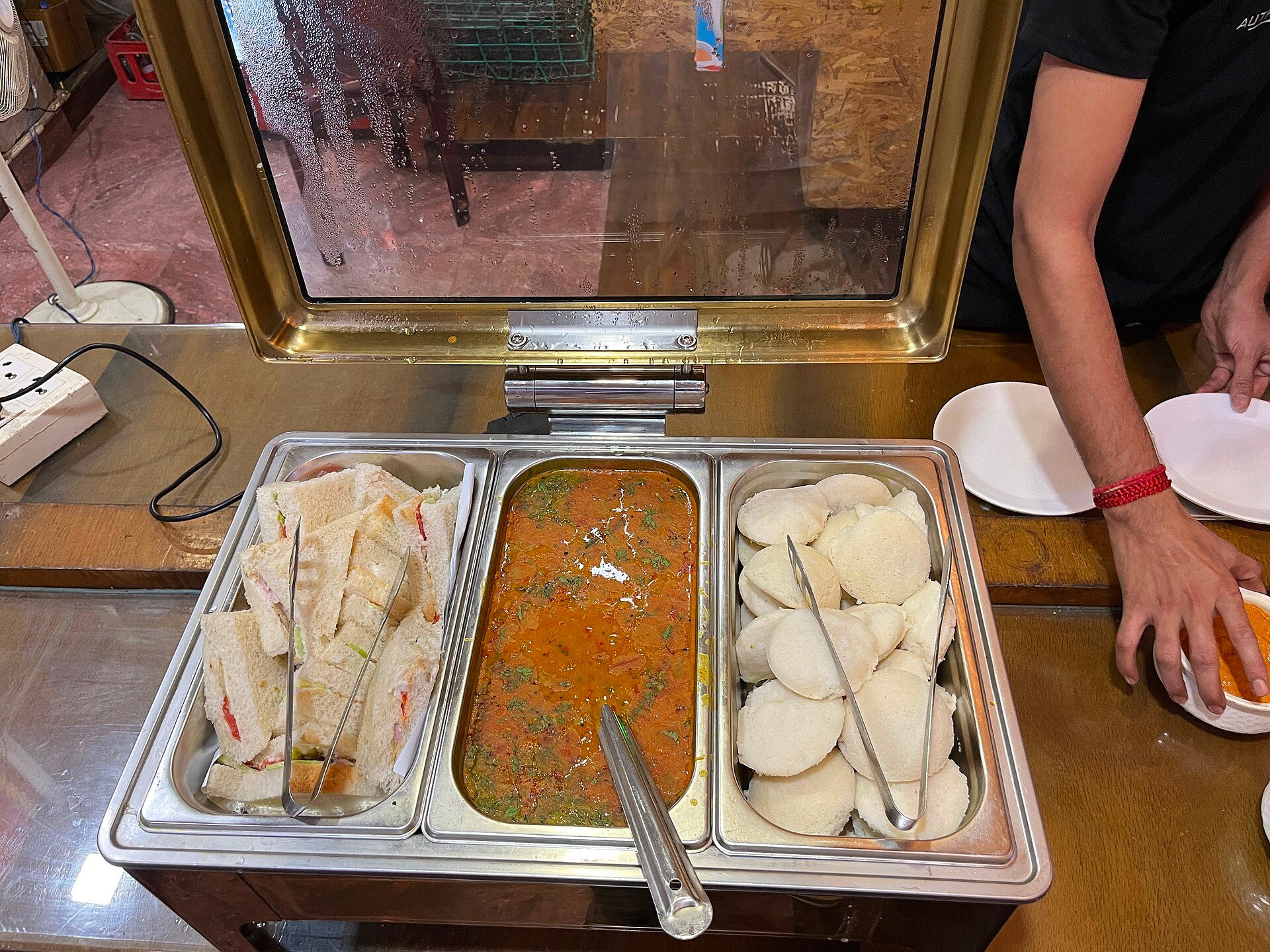
Photo: Dev Jadiya / Wikimedia Commons, CC BY-SA 4.0
Keeping 24-hour food samples and the three-step food check
For catered events and canteens, food samples and food check records are almost always required. They are also insurance for the crew: if someone falls ill, the samples help show which dishes were safe and which were not.
Keeping food samples properly
Under the current guidance of Vietnam's Ministry of Health on the three-step food check and food sample retention, common practice is about 100 g of each solid dish and about 150 ml of each liquid dish, in a clean lidded container, labelled and kept at about 2–8°C for at least 24 hours from sampling. The rules can be updated, so ask the commune health station or local food safety authority when you take on a large event.
- Prepare sample containers the day before: wash, scald with boiling water, dry, with tight lids.
- Take a sample of each dish as soon as it is cooked, with clean utensils, before it is divided onto trays.
- Label: dish name, date and time of sampling, who took it, and the host's name or event.
- In a field kitchen with no fridge, keep sample boxes in a separate ice box with a thermometer, and move them to a chiller when back at base.
- Only discard the samples after 24 hours with no reports of illness, and record it in the log.
What is the three-step food check?
- Step 1, before cooking: check ingredients on delivery: origin, invoices, look and smell, temperature.
- Step 2, during cooking: check the hygiene of the prep area, utensils and cooks, and the timing and method for each dish.
- Step 3, before eating: check that dishes are cooked, check serving utensils and plating times, and take samples.
Each step is recorded in a log or form following the local health authority's template. A small feast crew can print a one-page form for each event.
Clean water and clean ice
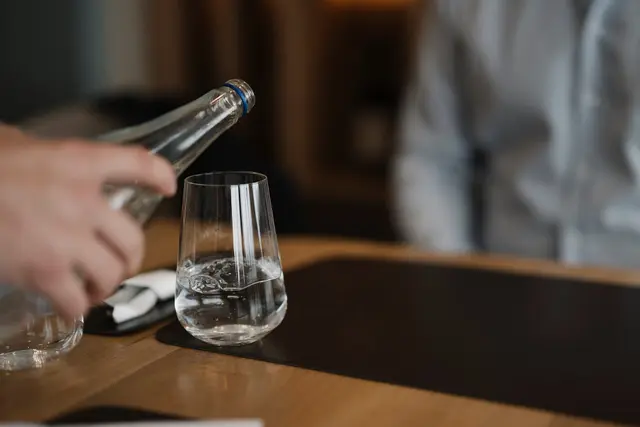
Use tap water or water treated to drinking standard for washing vegetables and cooking. Where only well water is available, bring bottled water or ask the host about the water quality. Ice for drinks must be made for consumption and come in clean bags; block ice used to chill meat and fish must never go into drinks. Ice boxes for raw meat and ice boxes for drinks must be kept separate.
Crew health and hygiene
One cook carrying an infection can affect a hundred guests. Feast crews often include seasonal workers, so the head cook must ask and check before every event.
Health checks and food safety knowledge
People who handle food directly usually need periodic health checks and confirmed food safety knowledge. The exact papers required differ by business type (mobile feast catering, wedding venue kitchen, canteen) and have changed several times in Vietnam. This lesson is not a legal text: ask the commune or ward health station or the district health office, and read the current regulations.
Quick questions before entering the kitchen
- Yesterday or today, have you had diarrhoea, vomiting, fever or a sore throat with fever?
- Do you have a wound, pustule or weeping burn on your hands?
- Is anyone at home currently ill with acute diarrhoea?
One "yes" means no chopping chicken, no plating and no portioning sticky rice; switch to another job such as washing pots, carrying gear or setting tables, or rest.
Clothing and hand washing in a field kitchen
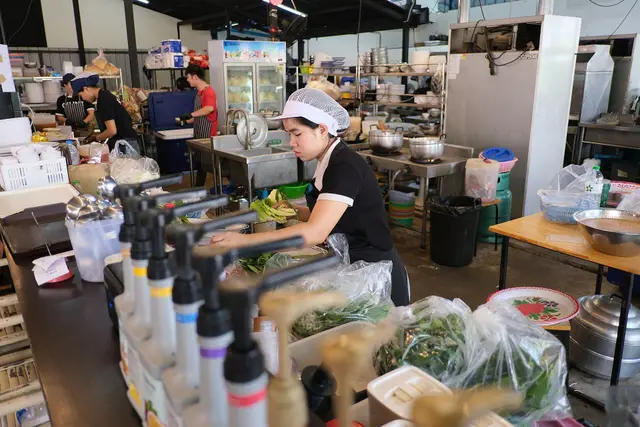
Field kitchens often have nowhere to wash hands, so you must create one: a water container with a tap, soap, a bucket to catch waste water and paper towels. Put it at the entrance to the cooked-food prep area. Wear an apron, tie back hair or wear a cap, keep nails short and remove rings when chopping chicken and plating.
Worked example: a reverse schedule for a 30-table wedding feast
A wedding on the outskirts of town: 30 tables × 6 people = 180 guests, serving at 11:00. A Northern Vietnamese menu of 8 dishes: boiled chicken, pork roll, fried spring rolls, beef stir-fried with celery and garlic, salad, gac sticky rice, bamboo shoot soup and sweet soup. A crew of 5, a kitchen set up in the yard, 2 large ice boxes and 1 chiller borrowed from the host. How to work out quantities and shopping for such an event is covered in how to calculate feast ingredients for 20 trays; here we only deal with timing and temperature.
Cooking times and waiting times
| Dish | Ready at | How it is held | Time from ready to 11:00 |
|---|---|---|---|
| Bamboo shoot soup | 9:00 (base), reboiled 10:40 | Low flame, above 60°C | Held hot, no waiting time counted |
| Gac sticky rice | 9:45 | In the covered steamer on a low flame | Held hot, no waiting time counted |
| Boiled chicken (30 birds, 3 batches from 8:00) | 9:45 | Drained under a food cover, chopped at 10:30 | 1 hour 15 minutes |
| Pork roll (delivered 9:30) | 9:30 | Ice box until 10:20, then sliced and plated | 1 hour 30 minutes, 50 minutes of it chilled |
| Spring rolls | 10:15 (second fry) | Open tray, not sealed | 45 minutes |
| Salad | 10:20 (mixed) | Vegetables and meat chilled until mixing | 40 minutes |
| Beef with celery | 10:30 (last batch) | Straight onto trays batch by batch | 30 minutes |
| Sweet soup | 8:00 | Rapid-cooled, ice box until 10:45 | Held cold, no waiting time counted |
Check: the chicken is ready at 9:45, which is 1 hour 15 minutes before 11:00; all trays are out by 11:15 and the chicken is usually eaten within the first 30–45 minutes, so cooking to eating takes about 1 hour 45 minutes to 2 hours: right at the limit, with no room for delay. That is why the chicken must be chopped and plated close to serving time and trays must go out as soon as guests sit down. If the crew finished the chicken at 6:30, as many still do, 11:00 would be 4 hours 30 minutes later, more than double the 2-hour limit: the boiling time has to move.
Samples for 8 dishes
Solid dishes: chicken, pork roll, spring rolls, beef, salad, sticky rice = 6 dishes × 100 g = 600 g. Liquid dishes: bamboo shoot soup and sweet soup = 2 dishes × 150 ml = 300 ml. In total 6 + 2 = 8 sample boxes, kept in a separate ice box with a thermometer at 2–8°C and discarded no earlier than 11:00 the next day.
Cost of a safety kit for a feast crew (2026 reference, varies by region)
| Item | Quantity × unit price | Total |
|---|---|---|
| Large cool boxes | 2 × 600,000 VND | 1,200,000 VND |
| Digital probe thermometers | 2 × 150,000 VND | 300,000 VND |
| Lidded stainless sample boxes | 20 × 30,000 VND | 600,000 VND |
| Tray food covers | 30 × 40,000 VND | 1,200,000 VND |
| Water container with tap + catch bucket (hand-wash point) | 1 × 250,000 VND | 250,000 VND |
| Total | 3,550,000 VND | |
Check: 1,200,000 + 300,000 + 600,000 + 1,200,000 + 250,000 = 3,550,000 VND (about 135 USD). The kit lasts several wedding seasons; if the crew takes about 25 events a season, each event carries about 3,550,000 ÷ 25 = 142,000 VND, not counting gloves, caps and ice bought per event.
When guests show signs of food poisoning: what to do in the first hour
Typical signs are nausea, vomiting, stomach pain and diarrhoea, sometimes fever, appearing in several people who ate the same meal. Onset can be a few hours to more than a day depending on the cause. The kitchen crew does not diagnose or treat: your job is to help sick people get seen early and to preserve the evidence.
Safety warning: When two or more people develop stomach pain, vomiting or diarrhoea after a feast, take them to the nearest medical facility; for anyone vomiting heavily, faint, short of breath or having seizures, and for young children, older people and pregnant women, call 115 (ambulance in Vietnam) at once. Do not give anti-diarrhoea drugs or remedies on hearsay. Keep the sample boxes, leftover food, packaging and purchase receipts intact, and inform the commune or ward health station. At the same time, do not forget kitchen safety: two people carry large pots of boiling liquid, close gas valves when burners are not in use, and keep an extinguisher near the stoves.
What you must not do
- Throw away leftovers or wash the sample boxes to "clean up": this destroys the chance to find the cause and can make the crew's liability worse.
- Decide which dish caused the poisoning before test results are in.
- Keep serving that dish to other tables.
Write down information for the health authority
Record the menu, cooking times, plating times, eating times, number of people who ate, number with symptoms, where ingredients were bought and the crew list. The three-step food check log and the reverse schedule above are exactly these records; a crew that keeps them can answer quickly and clearly.
Common mistakes of feast crews and how to fix them
Cooking everything overnight "to have an easy morning"
Sign: chickens boiled and spring rolls fried by 3 a.m. Cause: fear of running late, too few hands. Fix: build a reverse schedule and add people or burners for the 7:00–10:30 window instead of cooking overnight.
One board for raw meat and boiled chicken
Sign: the board just used to cut raw beef gets a quick wipe and then the chicken is chopped on it. Cause: not enough boards brought. Fix: bring at least 3 marked boards (raw, cooked, vegetables) and keep a separate chicken cleaver.
Shared ice boxes
Sign: beer and soft drinks chilling in the same box as bags of prawns and meat. Cause: saving on boxes. Fix: one ice box for drinks, one for raw food, one for samples.
Skipping samples because "it is a small event"
Sign: a 10-table event with no samples. Cause: thinking only big events need them. Fix: take samples at every event; 8 sample boxes take a few minutes and a few hundred grams of food.
Frequently asked questions
How much food should be kept as a sample, and for how long?
Common practice under current Ministry of Health guidance in Vietnam is about 100 g of each solid dish and 150 ml of each liquid dish, kept at 2–8°C for at least 24 hours. Ask the local health authority, because requirements can change.
Can feast food be cooked the day before?
Some dishes can, if they are rapidly cooled and kept cold properly (broth, sweet soup, braised pork) and then fully reboiled before eating. Dishes served cold, like boiled chicken, salad or sliced pork roll, should not be made ahead because there is no reheating step.
How do you prevent food poisoning when catering outdoors in summer?
Shorten waiting times, use ice boxes with thermometers, shade the plating area, send trays out as soon as guests sit down and do not set them out more than 30–45 minutes early. The hotter the day, the more strictly the 2-hour rule must be followed.
Do seasonal kitchen helpers need health checks?
People who handle food directly usually have to meet health check and food safety knowledge requirements. The details depend on business type and locality; ask the health station or health office and read the current regulations.
What temperature range is the danger zone?
The common standard is about 5–60°C. Cooked food should be held hot above 60°C or cold below 5°C, and not left at room temperature for more than 2 hours.
Practice tasks and self-assessment
- Build a reverse schedule for a 10-table memorial feast serving at 12:00, with a 7-dish menu of your choice, using the table above as a template.
- Shadow a real feast and record the ready time and eating time of each dish, marking in red any that exceed 2 hours.
- Prepare 8 labelled sample boxes and a one-page three-step food check form.
- Explain out loud to the head cook the steps to take if guests fall ill after a feast.
Self-assessment criteria
- Pass: every cold-served dish in your schedule waits no more than 2 hours; dishes cooked ahead have a rapid-cooling and reheating step.
- Pass: sample boxes hold the right amount, are fully labelled, have a 2–8°C storage place and a discard time.
- Pass: you state the correct order: get sick guests seen, call 115 for severe cases, keep samples and leftovers, inform the health station.
- Not yet: chicken still boiled more than 2 hours before eating without chilling, shared ice boxes, or samples skipped.
Photo: jasleen_kaur from USA / Wikimedia Commons, CC BY-SA 2.0
Once large-batch food safety is second nature, move on to the next roadmap step: Regional feast menus by occasion, where you learn wedding, memorial and housewarming feasts across the North, Centre and South, and how to advise hosts on menus by budget and family customs.
Keep learning feast catering: after food safety come regional feast menus, quantities for 10–100 tables, big-pot cooking, field kitchens, hot holding and per-table quotes. See the 8-step banquet and catering cook roadmap.