Aquaculture farmer
An 8-step path to aquaculture: chemical and electrical safety at ponds, pond preparation, choosing seed stock, water quality management, feeding and FCR, shrimp and fish disease prevention, a full grow-out cycle, then assessment and selling. Suits people in coastal and delta areas who want to farm shrimp, pangasius or tilapia properly.
Start here
Step 1: Pond, electrical & chemical safety
One short lesson per step, 10–15 minutes on a phone. No sign-up needed.
Hands-on roadmap
Roadmap
- Step 1Lesson
Pond, electrical & chemical safety
Paddlewheel and aerator wiring with earth-leakage breakers; protective gear for lime, chlorine and disinfectants; only approved aqua-veterinary products and never banned antibiotics.
- Step 2Skill
Pond preparation & water treatment
Removing sludge, drying the bottom, liming and HDPE lining; settling, filtering and treating reservoir water; building plankton colour and beneficial bacteria before stocking.
Requires: Pond, electrical & chemical safety
No English content for this step yet. Meanwhile, read step 4: Daily water quality management
- Step 3Skill
Selecting, acclimatising & stocking seed
Choosing traceable, quarantined shrimp post-larvae or fingerlings, salinity stress tests; acclimatising temperature and salinity, stocking density by system and logging the stocking date.
Requires: Pond preparation & water treatment
No English content for this step yet. Meanwhile, read step 4: Daily water quality management
- Step 4Skill
Daily water quality management
Measuring pH, dissolved oxygen, alkalinity, salinity, ammonia and nitrite with kits and meters; running aerators, siphoning sludge, exchanging water; handling pH swings after rain and algae crashes.
Requires: Selecting, acclimatising & stocking seed
- Step 5Skill
Feeding, feed trays & FCR
Feeding tables by age and weight, checking feed trays, cast-net sampling; calculating feed conversion ratio and survival, and adjusting to avoid excess feed fouling the pond.
Requires: Daily water quality management
No English content for this step yet. Meanwhile, read step 4: Daily water quality management
- Step 6Skill
Preventing & handling common diseases
Signs of white spot, acute hepatopancreatic necrosis and white faeces in shrimp, and bacillary necrosis in pangasius; biosecurity, sending samples to labs and reporting outbreaks to vets.
Requires: Feeding, feed trays & FCR
No English content for this step yet. Meanwhile, read step 4: Daily water quality management
- Step 7Project
Follow one pond through a full crop
Work at a farm from pond preparation to harvest: log water, feed, treatments and costs; calculate FCR, survival, profit or loss and lessons for the next crop.
Requires: Preventing & handling common diseases
No English content for this step yet. Meanwhile, read step 4: Daily water quality management
- Step 8Assessment
Technical assessment, harvest & sales
Quiz on water and disease plus a practical water test; harvest and quality handling, working with traders and processing plants; learning about VietGAP for aquaculture.
Requires: Follow one pond through a full crop
No English content for this step yet. Meanwhile, read step 4: Daily water quality management
Articles
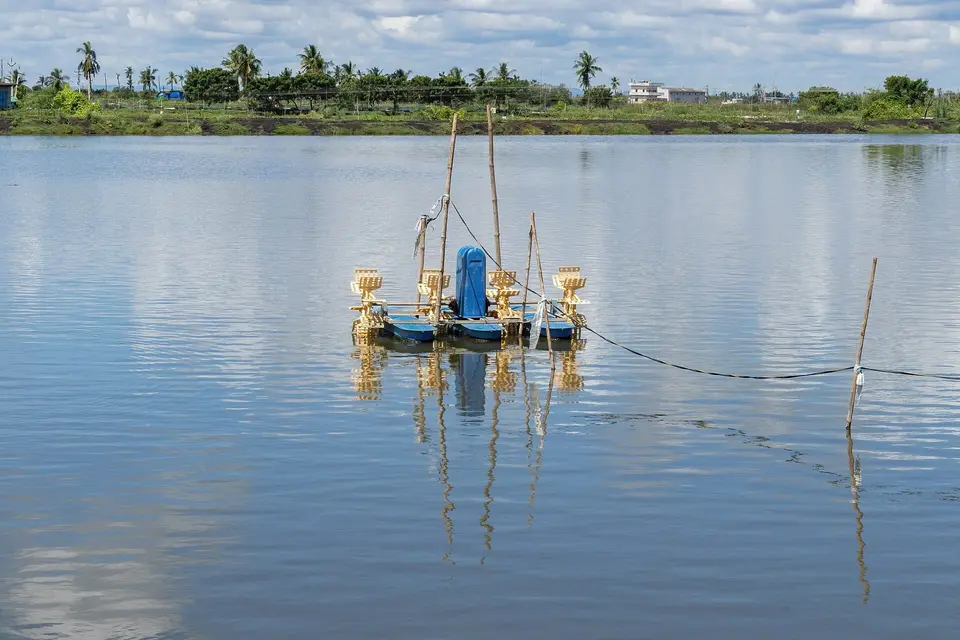 ArticleShrimp and fish pond safety: aerator wiring, lime, chlorine, drugsShrimp and fish pond safety comes down to three things a newcomer must master before any other farm work: every paddlewheel and aerator needs an earth-leakage breaker (RCD), an ear…
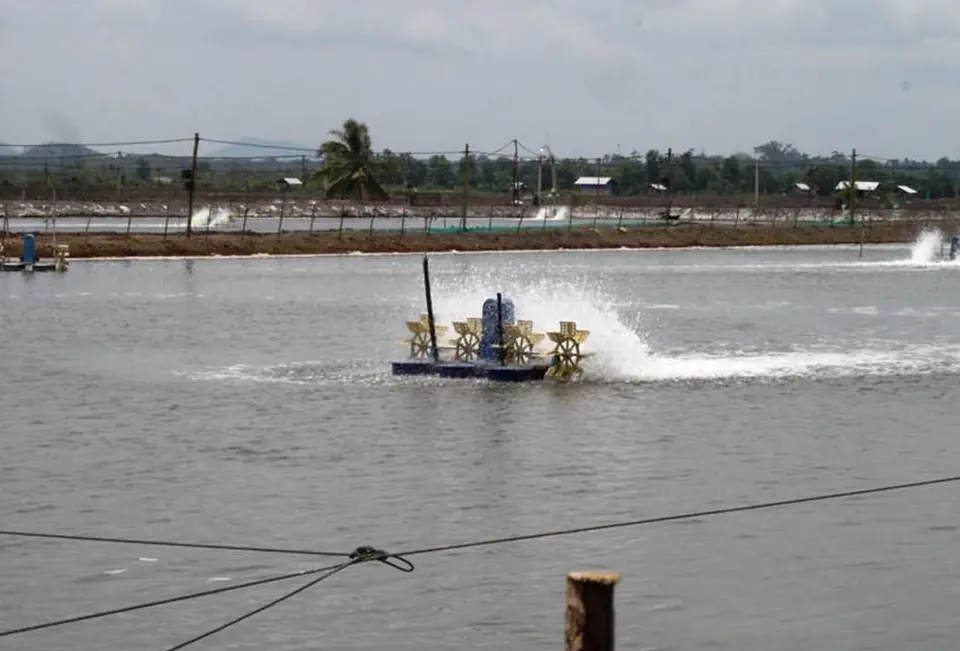 ArticleShrimp pond pH: target range, how to measure, raise and lower itShrimp pond pH should usually be kept within the commonly used range of 7.5–8.5, and just as important, the difference between early morning and mid-afternoon should not exceed abo…