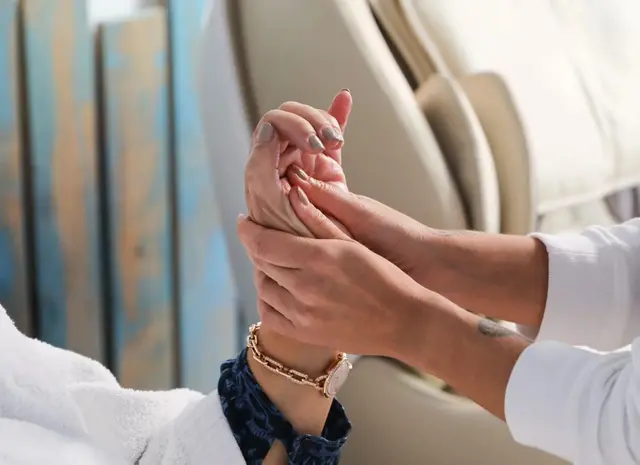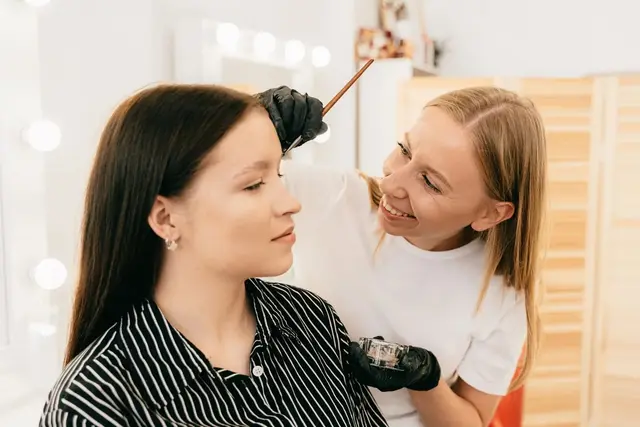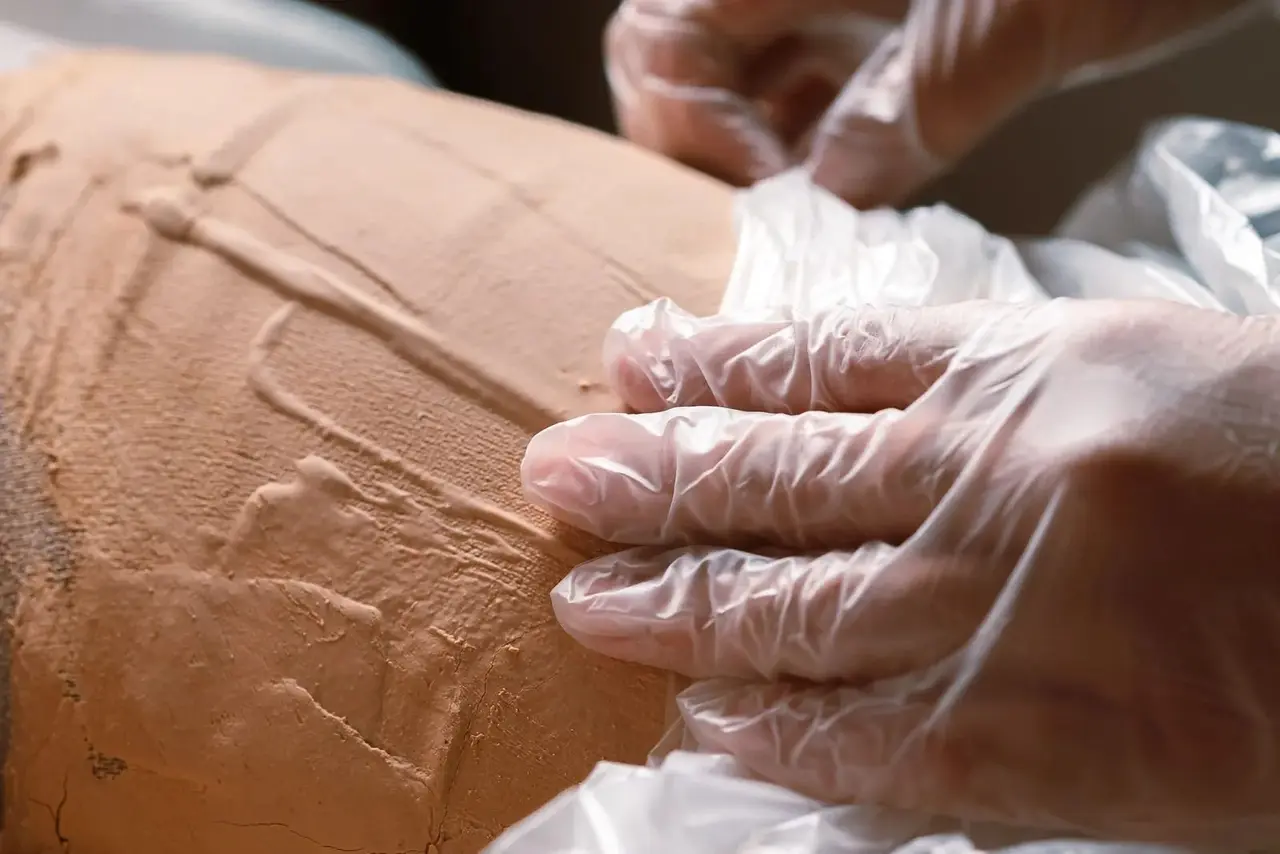
Ms Lan, 45, books a “hot wrap belly-fat melting” package before a wedding. On her form she writes that she takes diabetes medication and often has numbness in her toes, and she tells you: “Wrap me tight, I heard your waist shrinks a few centimetres after a wrap.” Looking at the wrap room, she says quietly: “Lying all wrapped up like that makes me a bit afraid of suffocating.” Doing what the client asks would mean making three mistakes at once: wrapping tightly, using heat on someone with reduced sensation in her feet, and promising something a body wrap cannot do.
Short answer: a body wrap means applying a layer of product (mud, clay, seaweed, cream or nourishing oil) to the skin, covering it with a film or wrapping cloth, and keeping the client warm while they rest for a short time, then removing it and cleaning the skin. In the spa the goal is to cleanse, soften and moisturise the skin and help the client relax. A body wrap does not melt fat. Any loss of weight or measurements right after a wrap is mainly due to water lost through sweat and temporary compression, and it returns once the client eats and drinks normally. The most important parts of the therapist’s job are to ask carefully about health, wrap moderately, control the heat and never leave the client lying alone.
By the end of this lesson, you will be able to: explain the types of body wrap and what they can honestly achieve, screen clients for contraindications, prepare the room, tools and products, carry out the wrap step by step while monitoring the client, respond to incidents during the wrap, and clean up after each client. This lesson is for healthy adult clients treated in a spa; it does not teach slimming therapy or compression binding. The time and temperature for each product always follow the manufacturer’s instructions and spa rules.
What a body wrap is and the main types
A “body wrap” in the spa covers several types, each with its own sensations and precautions; make sure you know exactly which type the client has booked.
Mud and clay wraps: mineral mud or clay powder (such as kaolin or bentonite) mixed according to instructions; it feels tight on the skin as it dries. Often used for oily skin and backs with many clogged pores.
Seaweed wraps: seaweed powder or gel, often containing iodine.
Moisturising wraps: cream, oil, milk, honey and so on, kept warm to help them absorb; suitable for dry skin.
Hot wraps: kept warm with a heated blanket, or using warming creams containing ginger or chilli (capsaicin). This is the type that needs the most care, because it easily becomes too hot and causes stinging or burns.
Cooling wraps: gels containing mint (menthol) or camphor; clients get cold easily.
A body wrap session usually lasts about 60–90 minutes (for reference), including consultation, exfoliation (if included), applying the product, wrapping, unwrapping, cleansing and applying moisturiser. The wrapping time alone is usually about 20–30 minutes (for reference), but the exact figure must be read from the instructions for the product you are using.
What to tell the client about results
You can say: “A body wrap helps your skin feel cleaner, softer and more moisturised, and many people find it very relaxing. Your weight or measurements may be slightly lower right after the wrap, but that is due to water loss; once you drink and eat again it goes back to how it was.”
Do not say: “melts fat”, “weight loss”, “drops a size”, “detox” or “gets rid of cellulite”. Clients who want to lose weight need a sensible diet, exercise and advice from a health professional.
Being honest from the start keeps you from being drawn into “wrapping tighter and hotter to get faster results”, which is the cause of many incidents.
Health questions before a wrap: when not to proceed or when to adjust
During a wrap the client lies still, is wrapped up, warms up and sweats. So in addition to the usual health form, you need to ask about the heart, blood pressure, skin sensation and any fear of enclosed spaces.
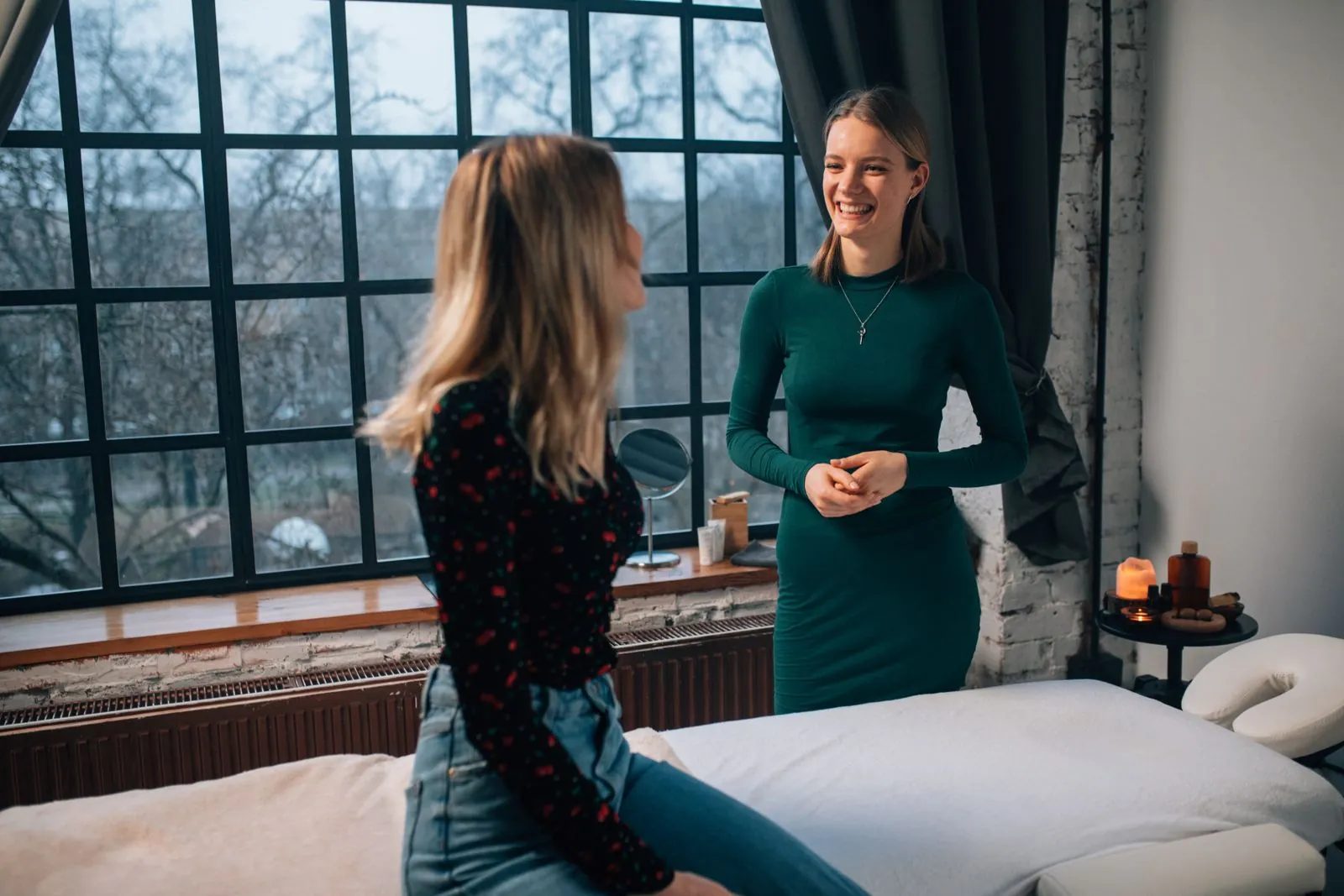
Figure 1. The therapist talks with the client sitting on the treatment bed before starting; this is the time to check health again and explain the steps of the wrap (Photo: KoolShooters, Pexels)
The table below gives reference guidance. The spa should agree a list of contraindications based on its internal rules and the product manufacturer’s instructions.
Client’s situation | How to handle (for reference) |
|---|---|
Pregnant or possibly pregnant | No hot wraps and no fully enclosed wraps. Suggest the spa’s dedicated pregnancy services. |
Heart disease, unstable high or low blood pressure, history of fainting | No hot wraps. Other wraps require a doctor’s advice first; without it, do not proceed. |
Diabetes, especially with numbness in the hands or feet (hard to feel heat) | No heated blankets or warming creams. If the doctor does not forbid it, only a moisturising wrap at warm room temperature. |
Severe varicose veins, history of blood clots (thrombosis), unexplained leg swelling | Do not wrap the legs. A doctor’s advice is needed before proceeding. |
Fever, cold or flu, fatigue, just recovering from illness | Reschedule. |
Open wounds, scrapes, sunburn, inflammation, pustules or a skin condition flaring up | Do not apply product to that area. If the affected area is large, reschedule. |
Allergy to product ingredients (iodine, seaweed, seafood, essential oils, nuts, honey, etc.) | Do not use products containing that ingredient. Switch to another product if suitable. |
Thyroid disease, taking thyroid medication (for seaweed wraps) | Do not use seaweed products without a doctor’s advice. You can switch to a mud or moisturising wrap. |
Fear of enclosed spaces or of being fully wrapped | Ask the client’s preference: leave the arms out, do not wrap fully, or choose another service. |
Recent surgery or cosmetic procedure (liposuction, laser, microneedling, etc.) | Do not treat that area until the doctor has given permission. |
Waxing or shaving within the last 1–2 days (for reference) | Avoid warming products and products containing essential oils on that area. |
Has just drunk alcohol, just eaten a large meal, is very hungry, or has just had a long steam session | Reschedule, or let the client rest and drink water first. No hot wrap. |
Even if the client has filled in the form, ask three groups of questions out loud again: heart disease, blood pressure, diabetes and any numbness in the hands or feet; allergies to iodine, seafood or essential oils; and “Lying fully wrapped for about 20 minutes, would you feel suffocated? I can leave your arms out.”
Testing the product on the skin for first-time clients
For clients using a product for the first time or with easily irritated skin, test a small amount on the skin of the inner forearm; the test time and how to read the result follow the manufacturer’s instructions. If the skin becomes red, itchy, burning or develops a rash, do not use that product. Record the result on the form.
Preparing the room, tools and products
If you have not prepared everything, you will have to leave the client to fetch things midway — exactly when the client needs to be monitored.
Room and bed
A warm, draught-free room, with no fan or air conditioner blowing directly onto the bed.
Close to a shower, with non-slip slippers: mud and oil make the floor very slippery.
A timer, and enough light to see the client’s complexion.
Make up the bed from the bottom up (common practice, for reference): sheet or waterproof underlay → wrapping blanket or heated blanket (if used) → large towel → single-use wrap sheet (plastic, film or purpose-made wrapping paper). Never let the client’s skin touch the heated blanket directly. When the client lies down, wrap in reverse order: wrap sheet → towel → blanket.
Tools and products
A clean mixing bowl, a clean spoon or spatula, and a wide brush.
Disposable gloves and a protective apron.
Wrap product with the expiry date checked and the mixing instructions and wrap time already read.
Plenty of clean cotton towels, warm damp towels, disposable underwear, drinking water and a lidded rubbish bag.
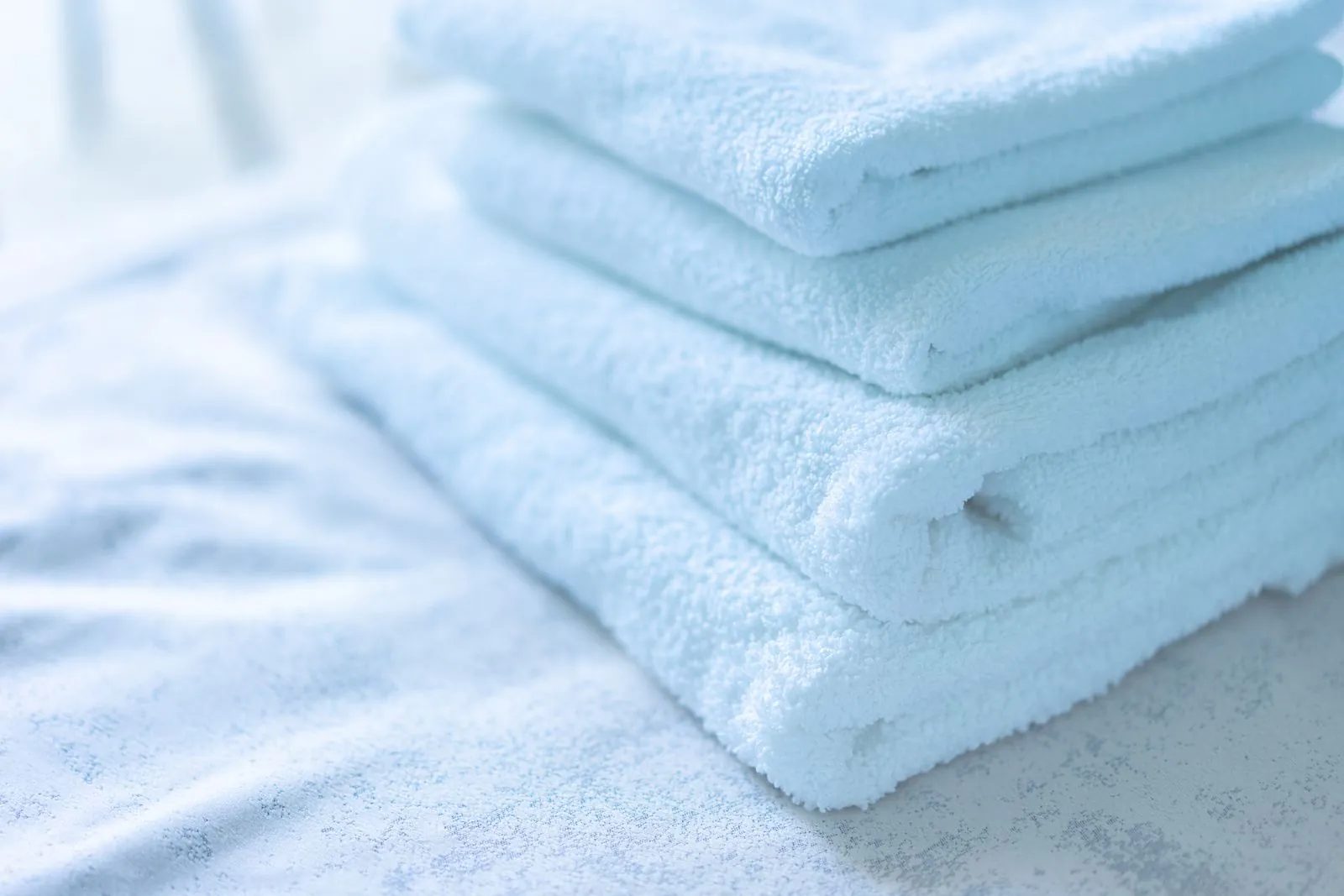
Figure 2. A body wrap needs more clean towels than an ordinary massage session; prepare enough towels before the client comes in so you do not have to leave the room midway (Photo: Atlantic Ambience, Pexels)
Take the product out into a bowl with a clean spoon, enough for one client; never put a brush that has touched a client’s skin back into the shared jar. If the product needs warming, do it in the way the manufacturer allows, test it on the inside of your own wrist and then test a little on the client’s skin before applying.
Step-by-step body wrap procedure
This is a general framework; if the manufacturer has its own procedure, follow the manufacturer’s procedure first.
Step 1. Greet the client, ask about health and explain the steps
Ask the questions from the section above again and record them on the form. Briefly explain: “I will apply the product and wrap you for about 20 minutes. During the wrap I will be right here with you. If you feel too hot, itchy, dizzy or suffocated, tell me and I will open the wrap immediately.” Invite the client to use the toilet first, because they will be lying wrapped for a while and cannot easily get up.
Step 2. Change and gentle exfoliation (if included in the package)
The client changes into disposable underwear, lies on the bed and is fully covered with towels. If the package includes exfoliation, use light pressure and avoid recently waxed areas (see the full-body exfoliation lesson on NAMBIN), then wipe clean with a warm damp towel.
Step 3. Apply the product area by area
Put on gloves. Uncover one area at a time, and cover each area again as soon as you have finished it, so the client does not get cold and is not exposed. A common order (for reference): backs of the legs → back → client turns face up → fronts of the legs → arms → abdomen and upper chest (if the client agrees).
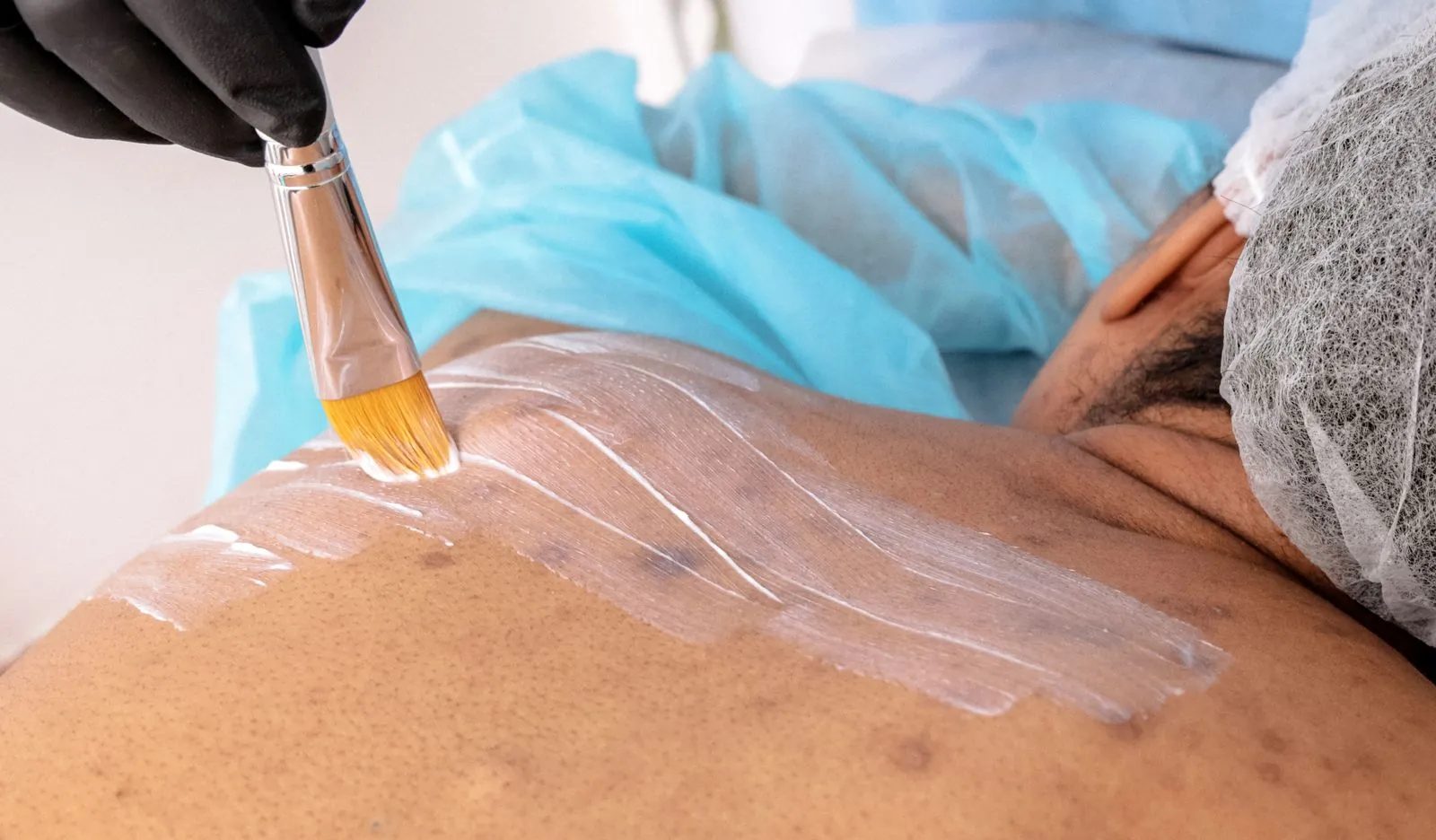
Figure 3. Wear gloves and use a wide brush to spread the product in a thin, even layer on the skin; a hair cap keeps the product out of the client’s hair (Photo: Omar Medina, Pexels)
When applying:
Use a thin, even layer with the thickness given in the instructions; too thick only makes it hard to remove and messy.
Do not apply to the face (unless the product is specifically for the face), nipples, genital area, wounds or irritated skin.
Take care in skin folds (armpits, inner elbows, backs of the knees): the skin is thin and easily stings when wrapped.
Warming products (ginger, chilli): use a small amount, avoid thin skin and keep them out of the eyes.
If the client feels strong stinging or itching as soon as you apply: stop and wipe that area clean.
Step 4. Wrap the film and keep the client warm
Wrap the film sheet around the client’s body, then the towel and the blanket in turn. General principles:
Wrap snugly, not tightly. The aim is to keep warm, not to compress; you should still be able to slide a hand between the wrap and the client’s body (for reference). Tight wrapping makes breathing difficult and may impede blood circulation in the legs.
Never wrap the neck. Leave the face, nose and mouth completely free.
If the client fears suffocation: leave both arms outside the wrap, wrap only the torso and legs, and do not pull the blanket above the shoulders.
Heated blanket (if used): a low setting according to the device instructions, check the power cord, do not fold the blanket; do not use it for the client groups listed in the table.
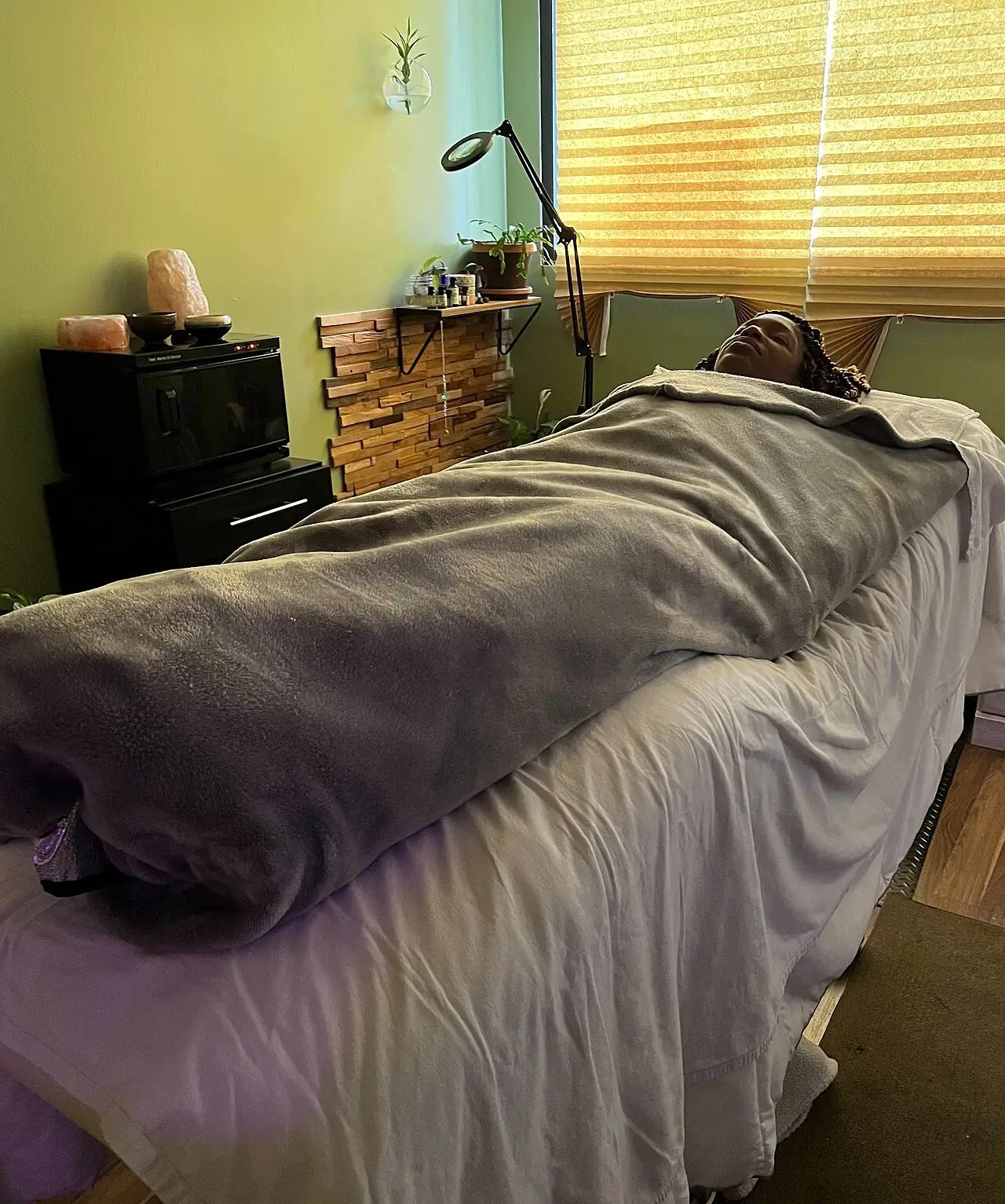
Figure 4. The client rests wrapped under a warm blanket with the face and neck left free; during this time the therapist stays in the room to monitor her (Photo: Eugenia Garnes, Wikimedia Commons, CC BY 2.5)
Step 5. Wrap time and monitoring the client
Start the timer as soon as you finish wrapping. The wrap time follows the product instructions, usually about 20–30 minutes (for reference). Do not extend it “to make it more effective”.
During this time, you do not leave the room; if you absolutely must leave, someone must come in to take your place. You can remove your gloves, wash your hands and give a gentle scalp massage (if it is part of the package), which both helps the client relax and lets you watch their complexion.
About every 5 minutes (for reference), ask quietly: “Is the warmth comfortable? Is anywhere itchy or hot?” Watch for:
A flushed red face and heavy sweating on the face and neck.
The client complaining of dizziness, nausea, headache, a racing heart or difficulty breathing.
The client being restless, wanting to move, saying they feel suffocated or afraid.
The client complaining of strong itching or a burning area of skin.
The client shivering with cold (common with cooling wraps or a cold room).
If you see any of the signs above: open the wrap immediately without waiting for the time to run out. Respond as described in the “When something goes wrong” section below.
Step 6. Unwrapping
Put on new gloves, open the blanket and towel and then the film; roll the edges of the film inwards so the product does not fall onto the sheet or floor. You can wipe off some of the mud with a warm damp towel right on the bed.
Help the client up slowly: roll onto their side, push up with their arms to sit, sit still on the edge of the bed for about 1–2 minutes (for reference) and only then stand. After lying warm, many people get dizzy if they stand up quickly. Stand close beside the client and have them wear non-slip slippers to walk to the shower.
Step 7. Rinse off or wipe clean
The client rinses off with warm, not too hot, water. If the spa has no shower, wipe each area clean with several warm damp towels, one towel per area.
Step 8. Apply moisturiser, offer water, give aftercare advice
Apply a light moisturiser (if part of the procedure), offer the client water and let them sit and rest before leaving. Advise: drink enough water during the day; no steam room or sunbathing right after the wrap; slightly pink skin for a while is common, but if redness, itching or a rash lasts or spreads, contact the spa and see a doctor. Record on the form: product, wrap time, heat level (if any) and the client’s reaction.
Quick comparison table of body wrap types
Wrap type | Common sensations | Main safety notes |
|---|---|---|
Mud, clay | Cool, then gradually warm; feels tight when dry, may itch slightly | Do not let the mud dry hard for too long; clean skin folds thoroughly; prevent slippery floors |
Seaweed | Warm, with a sea smell | Often contains iodine: ask about iodine and seafood allergies and thyroid disease |
Moisturising (cream, oil, honey) | Warm, softens the skin | Ask about ingredient allergies; oily floors and towels |
Hot (heated blanket, ginger or chilli cream) | Distinctly hot, heavy sweating | Easily too hot, stinging, burns; not for heart or blood pressure conditions, diabetes with numbness, or pregnancy |
Cooling (mint, camphor) | Cold, tingling | Clients get cold easily; avoid thin skin and the eyes |
When something goes wrong during a wrap
Dizziness, nausea, flushed face, heavy sweating: open the wrap immediately, switch off the heated blanket and remove the thick blanket. Let the client lie and rest, ventilate the room more, and wipe the face and neck with a cool damp towel; once the client is alert, give them sips of water. Do not let the client get up on their own. Inform the shift manager.
Strong itching, burning, rash: wipe the product off that area, rinse with cool water and note the product name. Do not apply medication yourself; if the rash spreads or does not improve, advise the client to see a doctor.
Panic, feeling suffocated: immediately open the upper part of the wrap and free the arms, speak slowly, remind the client to breathe slowly, and ask whether they want to continue more gently or stop. Never push the client to “hang on a bit longer”.
Call 115 (the emergency number in Vietnam) immediately if the client has difficulty breathing, chest pain, faints or becomes drowsy, has swelling of the lips or tongue, a rapidly spreading full-body rash, or convulsions. While waiting, someone trained in first aid supports the client according to their training.
Real-life scenario: handling Ms Lan’s case
Be honest: “A body wrap helps your skin feel soft and helps you relax. Measurements being smaller right after a wrap is mainly due to water loss, and they come back once you drink again, so I can’t promise fat loss.”
No hot wrap: she has numb feet, so she may not notice when her skin gets too hot. Suggest a moisturising or mud wrap at warm room temperature, with no heated blanket and no ginger or chilli cream; if she is not sure what her doctor has advised about foot skin care, advise her to ask her doctor first.
Wrap snugly, leave both arms out and do not cover above the shoulders.
Check the skin of her feet before and after the session; if there is a scrape, do not apply product there and point it out to her.
Record on the form the reason for changing the service and what you explained. If she still wants a hot wrap, stick to the safe decision and ask the shift manager to explain further.
Common mistakes
Wrapping very tightly, raising the heat or extending the wrap time to “sweat more and get results”.
Leaving the client lying wrapped alone. This is the most dangerous mistake: the client may become dizzy or overheated with nobody knowing.
Skipping questions about the heart, diabetes and iodine because you think “it’s only putting mud on”.
Applying product to freshly waxed or shaved areas or to scrapes.
Letting the client spring up quickly after unwrapping, or walk barefoot on a floor covered in mud.
Dipping a brush used on the client’s skin into the shared jar or reusing leftover product.
Hygiene after each client
Wrap film, gloves and disposable underwear: put them in a lidded rubbish bag right after the session; never reuse them.
Leftover product in the bowl: throw it away. Bowl, spoon and brush: scrape off the mud, wash with water and detergent, then disinfect according to the spa’s tool hygiene procedure and let them dry.
Mud and clay easily block drains: scrape thick mud into the bin before washing, and use strainers in the sink and shower.
Towels and sheets with product on them: launder separately according to spa rules. Very oily towels must be washed thoroughly; never leave a pile of oily towels while still hot from the dryer, because residual oil in the fabric can self-ignite. Let towels cool before folding them.
Wrapping blankets and heated blankets: always use a separating layer; switch off the power, let them cool and then wipe according to the manufacturer’s instructions.
Dry the floor around the bed and walkways; wash your hands after removing gloves.
Safety checklist before, during and after a body wrap
☐ Asked again out loud: pregnancy, heart disease, blood pressure, diabetes and numbness, varicose veins or thrombosis, thyroid disease, allergies (iodine, seaweed, essential oils, etc.), recent waxing or shaving, alcohol, meals.
☐ Asked whether the client is afraid of being fully wrapped; read the product instructions; tested the product on new clients.
☐ Room warm and draught-free; enough towels, gloves, wrap film, drinking water, non-slip slippers and a timer.
☐ No product applied to the face, nipples, genital area, wounds or irritated skin.
☐ Wrapped snugly, neck not wrapped, face and nose free.
☐ Heated blanket (if used) on a low setting with a separating layer, not used for unsuitable client groups.
☐ Timer started; stayed in the room for the whole wrap; checked on the client about every 5 minutes.
☐ Helped the client sit up slowly and rest before standing; gave aftercare advice and completed the form.
☐ Disposed of single-use items, washed and disinfected tools, handled oily towels correctly and dried the floor.
Frequently asked questions
Does a body wrap cause weight loss or fat loss?
No. A body wrap does not melt fat. Weight and measurements may drop slightly right after the session, mainly because of water lost through sweat and temporary compression by the wrap, and they return when the client eats and drinks normally. Never advertise a body wrap as weight loss, dropping a size or detox.
How long should a wrap last?
The wrapping time depends on the product, usually about 20–30 minutes (for reference). Always follow the manufacturer’s instructions and spa rules. A longer wrap is not better; it only increases the risk of overheating, dehydration and skin irritation.
Can a client have a body wrap during her period?
Menstruation is not a mandatory reason to refuse, but ask the client’s preference. Many clients feel tired, get dizzy easily or are uncomfortable lying fully wrapped on these days; you can reschedule or choose a light moisturising wrap with no heat.
If the client feels itchy during the wrap, does that mean “the product is working”?
You should not say that. Slight tightness as the mud dries is normal, but strong itching, stinging or heat in one area may be irritation or an allergy. Open the wrap over that area, wipe off the product with cool water and monitor the client; if a rash spreads or they have difficulty breathing, call 115.
Practice exercises
Create a body-wrap-specific question form: 8–10 additional questions (heart, diabetes and numbness, iodine, fear of being wrapped, etc.) with a “how to handle” column.
Read product labels: for 2–3 of the spa’s wrap products, note the main ingredients, mixing method, wrap time and the contraindications listed by the manufacturer.
Practise wrapping on a partner (clothed): lay the layers in the correct order, wrap snugly and leave your partner’s arms out; your partner comments on whether it feels suffocating or tight.
Practise unwrapping and helping the client up: roll the film inwards (practise with moisturiser instead of mud), help your partner roll onto their side, sit and rest, then stand up.
Consultation role-play: one person is a client who “wants a long hot wrap to lose 3 cm from her waist and has diabetes”; the other practises explaining honestly about results and switching to a safer option.
Self-assessment criteria: you asked all the health questions; you did not promise fat loss; you did not apply product to prohibited areas; you wrapped snugly without wrapping the neck; you stayed in the room for the whole wrap; you helped the client up slowly; and you completed hygiene and the client record in full.