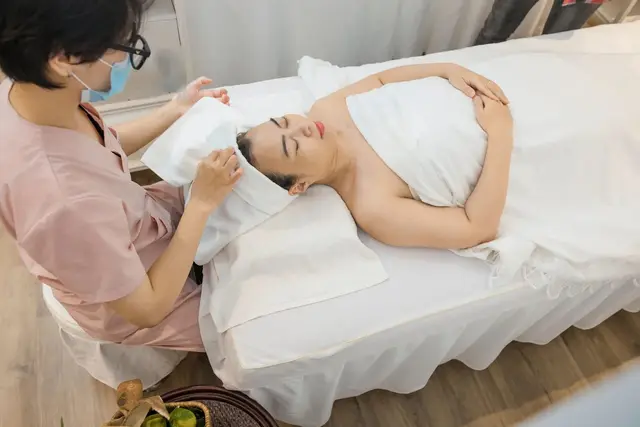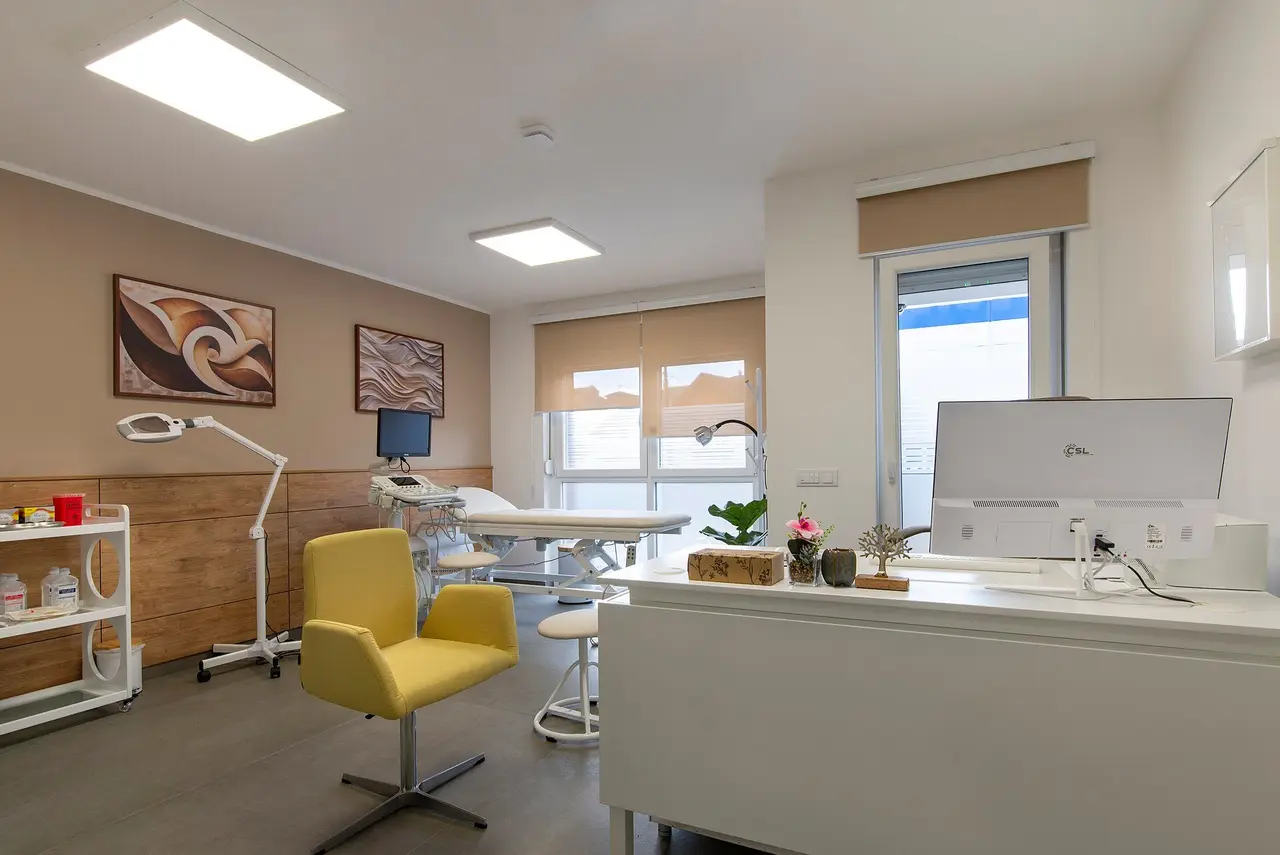
Diode laser hair removal uses light at a wavelength of roughly 800–810 nm that is absorbed by the melanin in the hair, heats up and weakens the hair follicle; most clients need around 6–8 sessions (a rough guide), spaced 4–8 weeks apart depending on the area, to get a clear, long-lasting reduction — the hair is not gone after a single session. Done properly — health intake form, ruling out contraindications, shaving beforehand, protective eyewear, a test shot, cooling and sun protection afterwards — the risk is low; done carelessly it can cause burns, dark marks or eye injury. Depending on the regulations in force, laser equipment may fall under the oversight of the health sector, so a technician should only operate the machine when the facility is permitted to offer the service and they have been trained on that exact device.
By the end of this lesson, you will be able to:
- Explain to a client why hair removal takes several sessions, using melanin and the 3 phases of hair growth.
- Tell diode, IPL, alexandrite and Nd:YAG apart at a general level.
- Screen for all 9 groups of contraindications using the intake form and a skin check before every session.
- Carry out the 8 steps of an underarm session in about 45 minutes, with eyewear for both people and a test shot.
- Recognise the 6 signs that mean you must stop the machine, and tell the client what to avoid after treatment.
Want to operate spa equipment safely and within scope? The NAMBIN course Spa Therapist Level 3 – Advanced covers how light-based devices work, electrical and eye safety, the boundary with medical aesthetics, incident handling and multi-session treatment plans.
Scope of practice: who may operate a laser
Before learning the technique, answer the legal question first: is the place where you work allowed to use this machine at all? The legal points in this section refer to Vietnam. There, the line between an ordinary spa and aesthetic or medical practice is set by health-sector regulations, and those rules have changed several times. This lesson only gives general safety guidance and does not replace advice from the authorities.
Check the regulations before taking the job
Before adding hair removal to the menu, the spa owner should ask the provincial Department of Health or the local health office: which licence the service needs, which certificate the operator needs, and which registration papers the machine needs. The lesson what licences you need to open a spa (in Vietnamese) explains why therapeutic laser work (pigmentation treatment, tattoo removal, scar treatment) clearly belongs to the medical field in Vietnam. If in doubt, only work at a facility that is already permitted, under the supervision of a qualified professional.
Why this lesson gives no machine settings
Every machine has its own handpiece, spot size, cooling system and settings table; a value that is safe on one machine can burn on another. Only adjust a machine according to the manufacturer's instructions and the hands-on training you received on that exact device. Never copy settings from the internet or from a colleague at another spa.
How it works: melanin and the hair growth cycle
Understanding the principle helps you avoid the two biggest mistakes: promising "hair-free after one session" and treating skin that is freshly tanned.
Melanin is the light's target
Melanin is the pigment that gives hair and skin their black or brown colour. Light passes through the skin, is absorbed by melanin in the hair, turns into heat and damages the part of the follicle that feeds the hair — a process called selective photothermolysis. That is why dark, coarse hair on light skin responds best, while grey, white, light blonde and red hair barely responds at all.
The darker the skin, the higher the risk
Skin also contains melanin. Darker or recently tanned skin "competes" with the hair to absorb the light, so it burns and darkens more easily. That is why a fresh tan is a contraindication, and darker skin needs a suitable machine and programme chosen according to the manufacturer's guidance. Figure 1 shows a diode handpiece pressed against the skin during treatment.
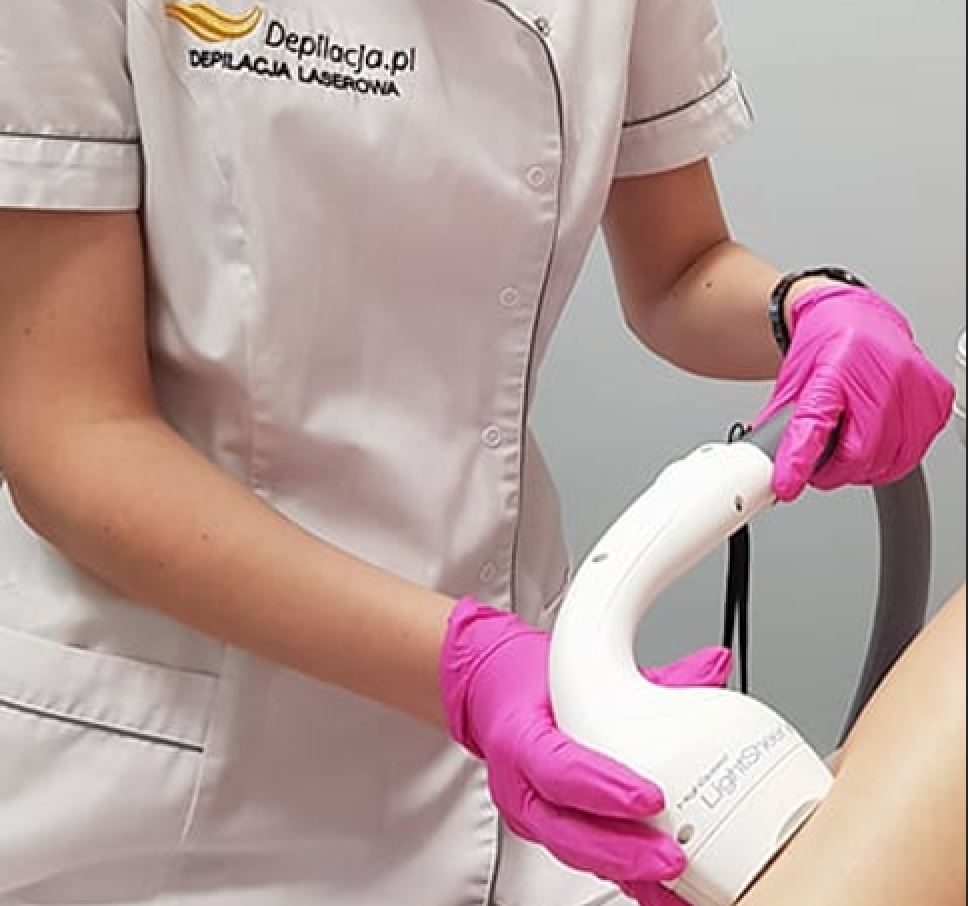
Photo: Bekita / Wikimedia Commons, CC0
Three phases of hair growth: why several sessions are needed
- Growth (anagen): the hair is firmly attached to its blood supply and rich in melanin — the laser works best now.
- Transition (catagen): the hair gradually detaches from its blood supply.
- Rest (telogen): the hair is about to shed; treating it has almost no effect.
At any moment only part of the hair in an area is in the growth phase, so each session only reaches that part, and you must wait for the next group to enter growth. Facial hair has a short cycle, so sessions are closer together; legs and back have a long cycle, so sessions are further apart.
Diode, IPL, alexandrite and Nd:YAG: a general comparison
Clients often ask "which machine is best". The honest answer: it depends on skin type, hair colour and whether the machine is used correctly. The table below is for understanding and client advice only, not a guide to settings.
| Technology | Type of light | Best suited to | Main caution |
|---|---|---|---|
| Diode laser | Single-wavelength laser, usually around 800–810 nm | Most light to medium skin with dark hair | The most common type; still needs care on darker or tanned skin |
| IPL (intense pulsed light) | Not a laser; a broad, filtered band of light | Light skin with clearly contrasting dark hair | Less selective; higher risk of burns and dark marks on darker skin |
| Alexandrite | Laser at about 755 nm | Light skin, dark or finer hair | Less suitable for darker skin |
| Nd:YAG | Long-wavelength laser, about 1064 nm | Darker skin tones | Less competition from skin melanin; often less effective on fine hair |
What "ice diode" or "cold diode" means
These are usually marketing names for diode machines with a cooled handpiece, which reduces stinging and protects the top layer of skin. Cooling matters, but it does not make the machine "risk-free"; you still screen the client and do a test shot.
Clients who use a home device
Handheld home devices (usually IPL) are much lower in power, so results come slowly. Do not criticise the product; explain the hair cycle and note on the form which device the client used and when they last used it.
Health intake form and contraindications
Most hair removal incidents happen because the questions were skipped. Use the spa's intake form (see the lesson on client consultation and health forms), add the laser-specific questions and have the client sign. The background on contraindications is in the lesson on skin structure and contraindications.
9 groups of contraindications to ask about by name
- A fresh tan or sunburn (beach trips, outdoor work, self-tanning cream in recent weeks) — postpone until the skin is back to its normal colour.
- Photosensitising medicines: some antibiotics, isotretinoin (current or recently stopped), strong topical retinoids on the area — ask for the name of the medicine and, if in doubt, advise the client to check with the prescribing doctor.
- Pregnancy: most facilities postpone because safety data is lacking.
- Moles, birthmarks, tattoos or permanent make-up in the area: do not fire over them; cover them or leave them out. A new mole or one that changes colour should be checked by a dermatologist.
- Damaged skin: scratches, open wounds, inflamed acne, active eczema or psoriasis.
- Active infection or cold sores (herpes), especially around the mouth.
- A history of keloid scars, pigment disorders, or burns or dark marks after laser or IPL.
- Conditions that need a doctor's opinion: epilepsy triggered by flashing light, a history of skin cancer, hormonal disorders under treatment.
- Recent plucking, waxing or epilator use in the past few weeks: the hair root is gone, so the laser has nothing to target — rebook.
Check the skin to confirm what the client says
Compare the skin in the treatment area with a rarely exposed area (the belly, the inner arm) to spot a tan; look for scratches, inflamed spots and moles. If the hair is grey, blonde or red, tell the client honestly that the laser will hardly work. Record skin type, hair colour and mole positions on the form.
⚠ Contraindications and laser safety: If any of the contraindications above apply, do not treat that day. Never fire while anyone in the room is not wearing the correct protective eyewear; never fire over moles, tattoos or the area around the eyes; never set the machine beyond the manufacturer's instructions. If the client has trouble breathing, faints or has an extensive burn, call 115 (the emergency number in Vietnam).
Preparing the room, eyewear and skin
The room and the machine
- A closed room, door shut, laser warning sign outside while the machine is in use (see Figure 4); no mirrors or shiny metal facing the treatment area.
- Check the machine at the start of each day as the manufacturer instructs: cooling system, clean and undamaged handpiece; know where the emergency stop is.
- A clean towel on the couch, gel (if the manufacturer requires it), a white marker, disposable razors, cold compresses, soothing cream and sunscreen.
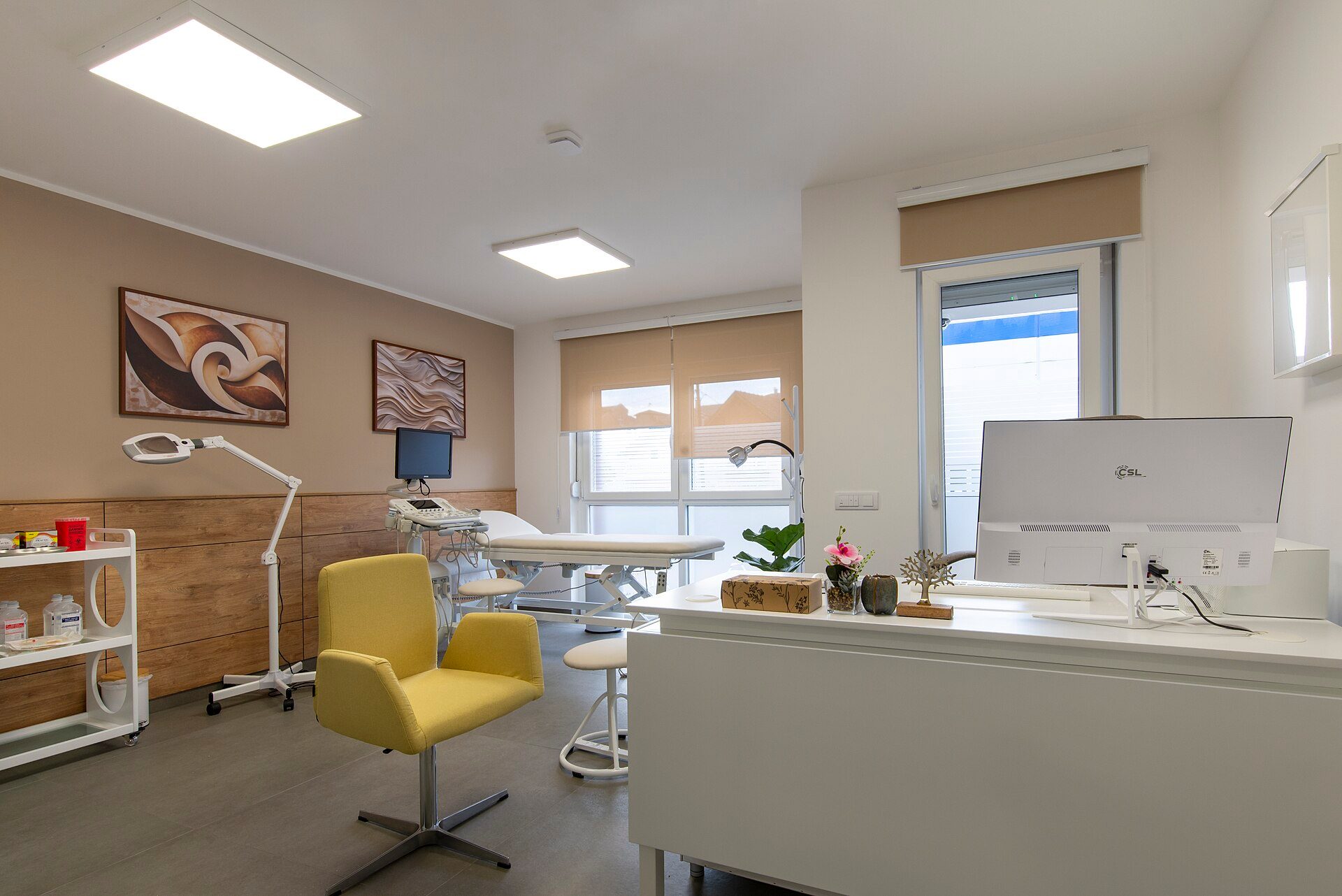
Photo: Shixart1985 / Wikimedia Commons, CC BY 2.0
Protective eyewear for both technician and client
Laser safety glasses are not sunglasses: each pair only blocks the wavelength range marked on it, so you must use the type the machine manufacturer specifies. The client wears fully enclosed goggles or dedicated eye shields that let no light through; the technician and anyone else in the room wear glasses rated for the correct wavelength. Put them on before the machine goes to ready mode and take them off only after it is back on standby. Figure 3 illustrates the rule: everyone in the room wears eyewear.
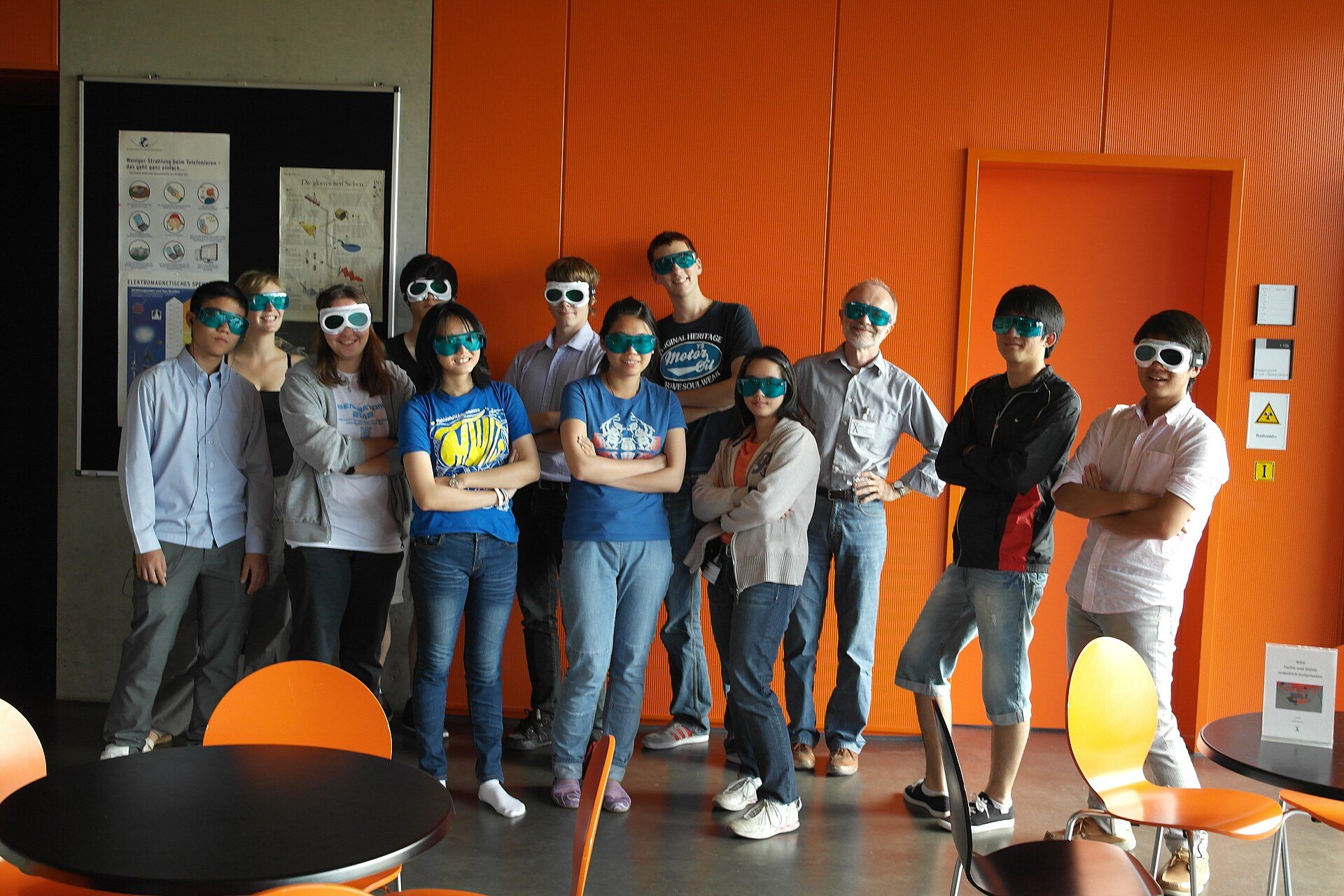
Photo: Thctamm / Wikimedia Commons, CC BY-SA 3.0
Shave beforehand, never pluck
Ask the client to shave the area about a day before the appointment, or shave it yourself just before treatment. Shaving keeps the melanin-rich hair root under the skin intact and removes the hair above the surface, which would otherwise cause stinging heat and a burnt smell. Plucking, waxing and epilators pull out the root, so the client must stop them for several weeks before the course.
Clean and mark the area
Clean the area and let it dry completely: no deodorant, cream or powder left. Use a white marker to divide the area into a grid so you cover it evenly, with no gaps and no overlapping pulses; cover moles and tattoos as the manufacturer instructs.
The diode laser hair removal procedure: 8 steps
Where the manufacturer's instructions or your facility's protocol differ from this lesson, follow the manufacturer and your facility.
- Reread the form, check the skin, explain the sensation: each pulse feels like the snap of a rubber band or a quick hot prick; when the client says "stop", you stop.
- Shave again, clean, dry and mark the grid.
- Put eyewear on the client, then on yourself, close the door and hang the warning sign.
- Choose the programme according to the manufacturer's guidance based on the recorded skin type and hair colour; the first session always starts at the cautious level the manufacturer recommends.
- Do a test shot: a few pulses on one small square, then observe for the time the manufacturer or facility specifies; for new clients or darker skin many facilities ask the client to come back after 1–2 days.
- Treat the whole area: handpiece flat and perpendicular, follow the grid, no overlapping pulses, ask about discomfort regularly.
- Cool the skin with a clean-wrapped cold compress and apply a soothing product as per your facility's protocol.
- Apply sunscreen, complete the form, give aftercare advice and book the next session: record the machine, programme, area treated and skin reaction.
What the test shot is for
A test shot is the only way to know how this particular client's skin reacts to the machine and programme you plan to use. The expected reaction is mild redness around the hair openings and small "goose-bump" swellings that settle gradually. Deep redness, lasting stinging, blisters or greyish-white skin mean you do not continue and you inform the person in charge.
Cooling done right
If the machine has contact cooling, keep the handpiece clean and in the mode the manufacturer specifies; if it needs gel, apply a full layer. Do not hold ice directly on the skin for long, as it can cause a cold burn.
Worked example: a 27-year-old client, underarms
Ms Ha, 27, has medium, slightly olive skin and dark, coarse underarm hair. Her form shows no pregnancy, no medicines, no cold sores, no keloids and no recent sun exposure. However, she plucked her underarms 10 days ago, so the technician tells her to shave only and books the course to start in 4 weeks. Her first session runs as shown below.
| Task | Time | Notes |
|---|---|---|
| Greeting, rereading the form, skin check | 10 min | Client signs the consent form |
| Shave again, clean, dry, mark the grid | 8 min | No deodorant left |
| Eyewear for both, choose programme, test shot | 7 min | Per manufacturer's guidance |
| Treat both underarms | 8 min | Ask about discomfort in each square |
| Cooling and soothing | 7 min | Clean-wrapped cold compress |
| Form, aftercare advice, next booking | 5 min | Hand over written aftercare |
| Total | 45 min |
The plan on the form: 8 sessions about 5 weeks apart. From session 1 to session 8 there are 7 gaps × 5 weeks = 35 weeks, or about 8 months; after that, a check-up and maintenance if needed. The technician is clear: the hair will become sparser, finer and lighter, with no promise of "permanently hair-free".
Monitoring the reaction and signs you must stop
After every few pulses, look at the skin and ask: "From 0 to 10, how much did that last pulse sting?" Clients are often shy about complaining, so you must ask.
Normal reactions
- Mild redness around the hair openings, small bumps and mild warmth — easing within a few hours to a day.
- 1–3 weeks later the treated hairs shed gradually and look as if they are "growing back" — they are being pushed out, not new hair.
6 signs you must stop the machine immediately
- The client reports a sudden jump in pain or a sharp pain that lingers after the pulse.
- The skin turns greyish-white, purplish, or deep red in patches.
- Blisters, swelling with fluid, or weeping skin.
- Redness in the exact shape of the handpiece.
- The machine reports a cooling error, the handpiece gets unusually hot, or someone's eyewear slips off.
- The client feels dizzy, nauseous or short of breath.
What to do when you stop
Release the trigger, put the machine on standby, cool the area with a clean compress, do not apply unfamiliar products, stay with the client and inform the person in charge. Record the time, the area, the programme and what happened. For blisters or redness and stinging that do not ease, advise the client to see a dermatologist; for breathing problems or fainting, call 115.
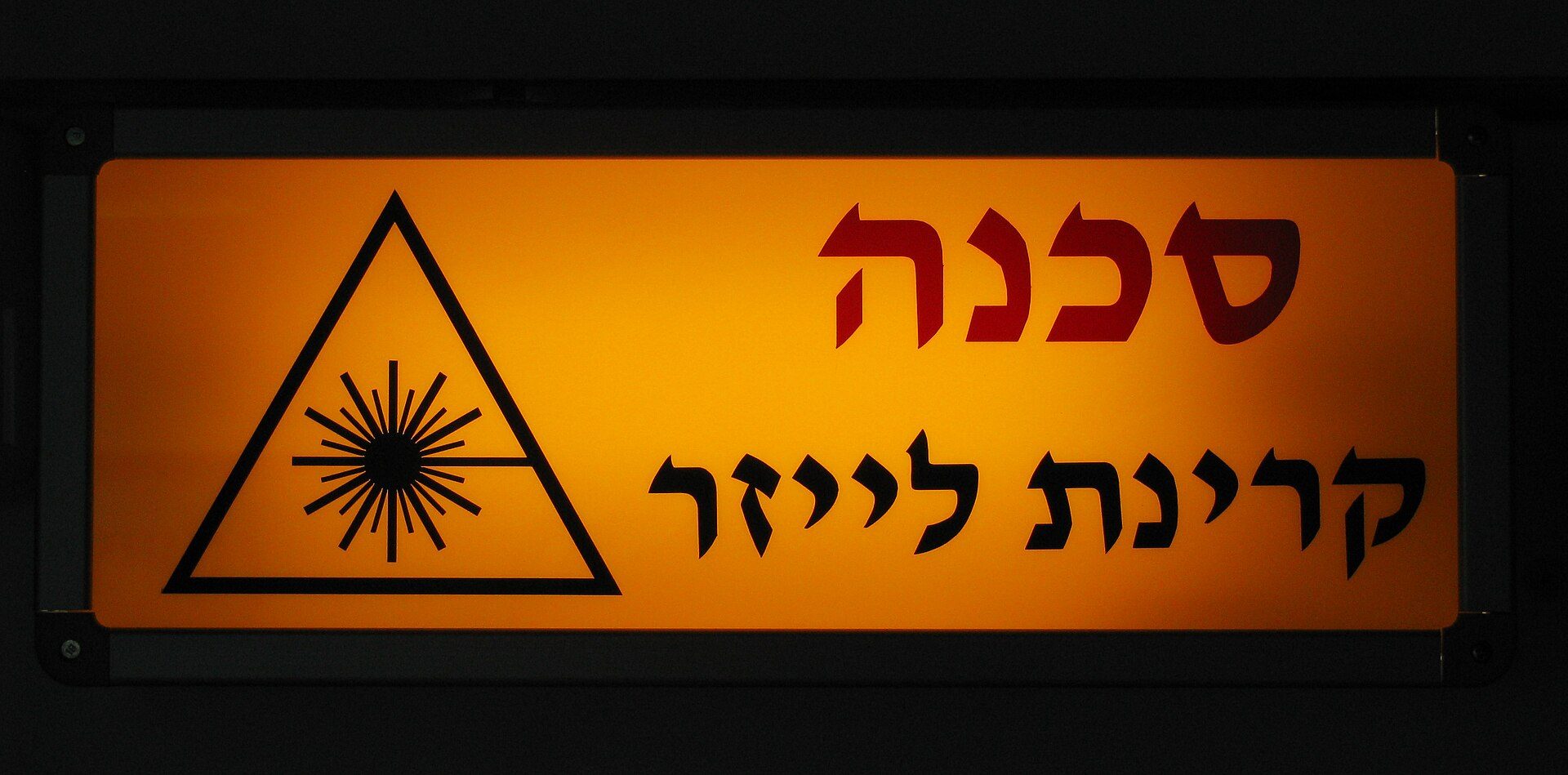
Photo: Itay gel / Wikimedia Commons, Public domain
What to avoid after hair removal: client aftercare
Things to avoid
- Avoid the sun and use sunscreen on treated areas throughout the course; long sleeves and a face mask when riding a motorbike.
- For the first 24–48 hours: no very hot showers, saunas, heavy sweaty workouts or chlorinated pools.
- No scrubbing, exfoliating, or AHA/BHA/retinoid products on the area for the period the facility advises.
- No plucking or waxing between sessions; shaving only.
- Blisters, weeping or increasing stinging: contact the spa at once and see a dermatologist.
Booking and indicative prices in 2026
Session spacing depends on the area and the manufacturer's advice: the face closer together, underarms and bikini line in between, legs and back further apart. Recheck the form from scratch at every session and never raise the level on your own to "speed things up". Indicative prices in Vietnam in 2026, varying by region and facility: small areas such as the upper lip or underarms about 150,000–500,000 VND (roughly US$6–20) per session; lower legs or arms about 500,000–1,500,000 VND per session; many places sell packages of 6–10 sessions that are cheaper than paying per session.
Common mistakes in spa hair removal
Mistake 1: Treating a client just back from the beach
Sign: deep redness, blisters, or dark marks in the shape of the handpiece. Cause: high melanin in the skin absorbs the light instead of the hair. Fix: compare skin colour with an unexposed area, ask directly about sun exposure, and postpone when in doubt.
Mistake 2: Only the client wears eyewear
Sign: the technician experiences glare and eye strain. Cause: believing that not looking straight at the handpiece is enough, when reflected light is still dangerous. Fix: the rule "no eyewear on everyone, no ready mode", with eyewear kept permanently next to the machine.
Mistake 3: The client plucks between sessions, or the technician promises "permanently hair-free"
Sign: after 5–6 sessions the hair is still thick and the client complains. Cause: plucking removes the laser's target; advice copied from advertising. Fix: write "shave only" in the aftercare sheet, use the phrase "long-term hair reduction" and mention maintenance sessions up front.
Practical exercises and self-assessment
Practise under the supervision of the person responsible for the equipment, at a facility permitted to use the machine; actual firing is done only on models who have signed a consent form.
- Exercise 1 – Screening: interview 3 models. Pass: you ask about all 9 contraindication groups, compare skin colour, record mole positions and make a reasoned "treat/postpone" decision. Fail: you miss the questions on sun, medicines or plucking.
- Exercise 2 – Explaining: in 2 minutes, explain why 6–8 sessions are needed. Pass: you correctly mention melanin and the 3 growth phases and do not promise "permanent".
- Exercise 3 – Eye safety: prepare the room in 5 minutes. Pass: correct eyewear for everyone, warning sign up, you know where the emergency stop is. Fail: no eyewear for the technician or the door left open.
- Exercise 4 – Scenario: the client reports a sudden jump in pain and the skin shows redness in the shape of the handpiece. Pass: stop, standby, cool, inform the person in charge and record the incident within 3 minutes. Fail: keep firing or apply an unfamiliar cream.
Frequently asked questions
How many sessions of laser hair removal until the hair is gone?
Usually around 6–8 sessions (a rough guide), 4–8 weeks apart depending on the area, for the hair to become clearly sparser and finer. The result is long-term reduction, not total removal; many people need maintenance sessions. Grey, light blonde and red hair respond very poorly.
Is diode laser hair removal harmful?
With a compliant machine, a trained operator, proper screening and eyewear for everyone, the risk is usually low, mostly temporary redness and mild stinging. Treating tanned skin, wrong settings, no cooling or no eye protection can cause burns and dark marks, and more rarely scars or eye injury.
What should you avoid after laser hair removal?
Avoid the sun and use sunscreen; for the first 24–48 hours no very hot showers, saunas, sweaty workouts or chlorinated pools; no scrubbing or exfoliating; no plucking or waxing between sessions — shave only.
Can a spa offer laser hair removal?
In Vietnam it depends on the regulations in force and the type of device; laser equipment may come under health-sector oversight. The spa owner should ask the Department of Health or the local health office before adding the service to the menu.
Summary and next step
Diode laser hair removal works because melanin in the hair absorbs the light, and it takes several sessions because each one only reaches hair in the growth phase. Safety comes down to five things: check the legal scope, screen for contraindications, shave rather than pluck, eyewear for everyone, and test shot – cooling – stopping at the right moment; settings always follow the manufacturer's instructions and your training. This lesson belongs to the step "Spa devices and light technologies"; the next step on the roadmap is "Medical aesthetics boundaries and incidents", where you learn to recognise complications that need referral and how to handle burns and complaints. The lesson on the chemical peel procedure at a spa (in Vietnamese) applies the same "stay within scope" principle to chemical services.
Continue Level 3 with a mentor: The NAMBIN course Spa Therapist Level 3 – Advanced helps you master how light-based devices work and how to use them safely, the boundary between spa and medical aesthetics, and how to design safe multi-session treatment plans.