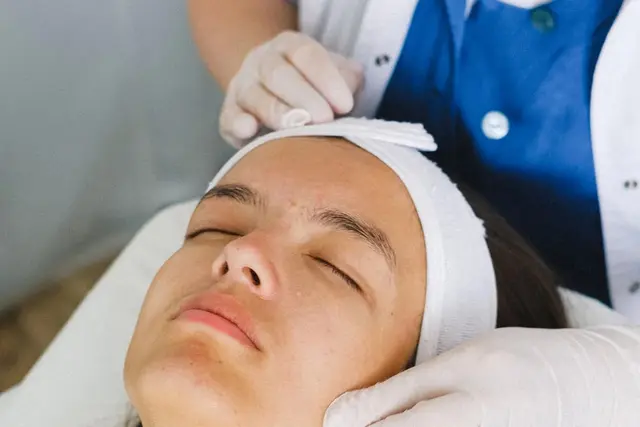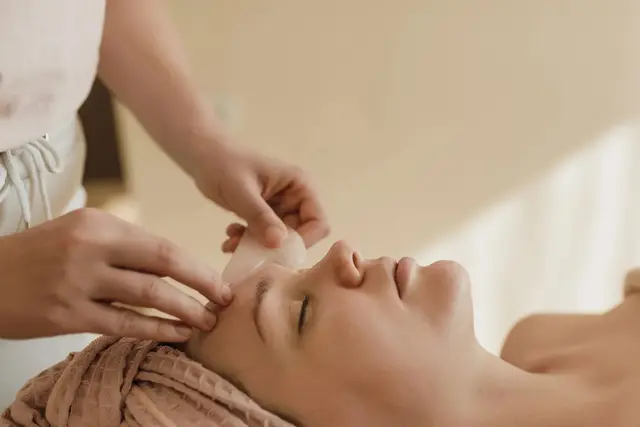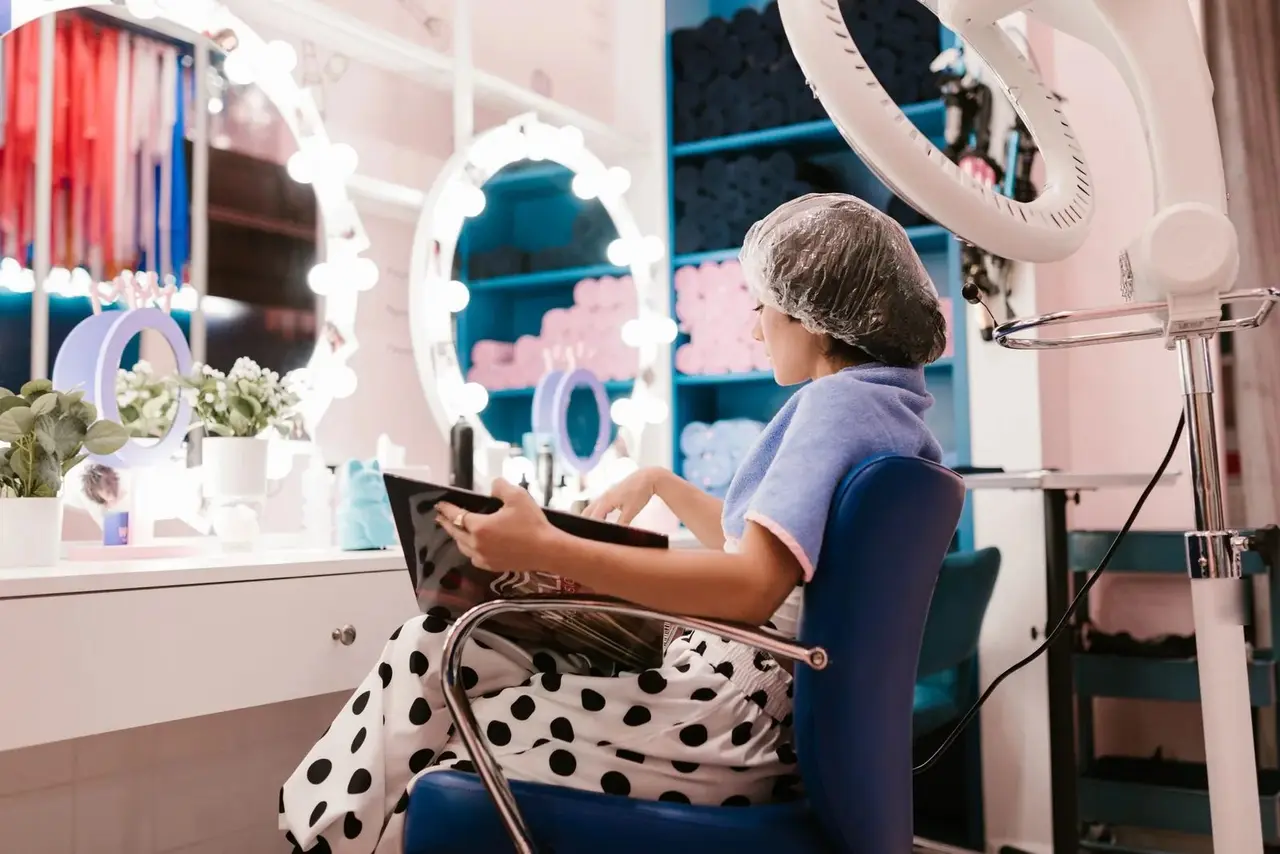
Ms Lan, 38, has just finished a relaxing herbal hair wash when she asks: “My hair has been bleached and dyed twice and it’s as dry as straw. Could you do a hair steam treatment for me as well?” Parting her hair to check, you see that her scalp is normal, but the ends are frizzy and tangled, and she tells you she had her hair recoloured five days ago. Which hair mask should you choose, how long should the steamer run, and is there anything that means you must stop?
The short answer: a hair steam (heated deep-conditioning treatment) is a cosmetic care service that makes hair softer, easier to comb and shinier for a while; it does not cure hair loss, dandruff or scalp disease, and it does not permanently “heal” damaged hair strands. Before starting, ask about the most recent chemical treatment, allergies and health, and look closely at the scalp. The mask is applied from the mid-lengths to the ends, heat and time follow the instructions on the product label and the machine, and you never leave the client sitting alone under a running machine. For Ms Lan: ask what the salon that coloured her hair advised about waiting time; if that time has passed, choose a mask for chemically treated hair at moderate warmth, and tell her clearly that her many split ends need trimming.
This lesson covers hair steam and deep-conditioning treatments at the spa of about 45 minutes (reference). The relaxing herbal hair wash, tool cleaning and disinfection, and the health form are covered in separate lessons on NAMBIN. By the end of this lesson, you will be able to screen the client and the scalp, choose a mask that suits the hair condition, run the 45-minute procedure, use a hair steamer safely and respond correctly if something goes wrong. This lesson does not replace advice from a dermatologist.
What a hair steam treatment is and how it differs from a relaxing herbal hair wash
In Vietnamese spas and hair-washing salons, “hap dau” (hair steaming) usually means applying a hair mask (deep conditioner, steaming cream) to freshly washed hair, covering it with a cap, warming it with a hair steamer or warm towels, and then rinsing it out. The common types are:
Heated hair steam: hair mask + cap + steam hood, infrared heater or warm towels.
Cold conditioning (no heat): apply the mask, leave it for the time stated on the label and rinse, without a machine. Many masks are designed to be used this way.
The relaxing herbal hair wash focuses on the scalp, head–neck–shoulder massage and relaxation. A hair steam focuses on the mid-lengths and ends. The two services are often sold together: wash first, steam afterwards, then rinse and blow-dry.
A hair steam makes hair smoother, less tangled and shinier, but the effect is temporary and fades after a few washes. The mid-lengths and ends of the hair contain no living cells, so no product can make split ends “knit back together”; tell the client the truth from the start.
Before you start: questioning the client and checking the scalp
Questions to ask
Even if the client already has an information form, before a hair steam ask additionally:
When was the last time you had your hair dyed, bleached, permed, relaxed or straightened, where was it done, and did they advise anything about how long to wait before washing or conditioning?
Have you ever had an allergy to shampoo, hair masks, hair dye, fragrance or any ingredient? (For example coconut oil, macadamia nut, wheat… if the product lists these ingredients.)
Does your scalp have severe itching, pain, wounds, pustules or thick scales? Are you using a prescribed scalp cream or medicated shampoo?
Have you recently had head surgery or a hair transplant?
Are you pregnant, do you have high blood pressure or heart disease, or do you often feel dizzy when sitting for a long time or when hot?
Do you have hair extensions or a wig, and what type of extensions?
Inspect the scalp closely under bright light
Part the hair in several places: along the centre of the crown, at both temples, at the nape and behind the ears. If you see scratches, red areas, pustules, thick adherent scales or round bald patches, put on gloves before touching further and use the table below.
Proceed – adjust – postpone table (reference)
Client’s condition | Hair steam | What to do (reference) |
|---|---|---|
Normal scalp, dry and frizzy hair | Proceed | Normal procedure |
Small scratches or scratch marks on the scalp | Adjust | Keep the mask away from that area; use mild heat or no heat; if the marks are many or large, postpone |
Pustules, red swollen painful areas, thick oozing scales, round bald patches | Postpone | Do not treat; advise the client to see a dermatologist |
Using a prescribed scalp cream or medicated shampoo | Ask first | Advise the client to ask the prescribing doctor; proceed only if the doctor has not advised against it |
Recent head surgery or hair transplant | Postpone | Proceed only with the treating doctor’s approval |
Recently dyed, bleached, permed or relaxed | Ask first | Follow the chemical salon’s advice on waiting time; if unclear, choose a light conditioning at low heat, or rebook |
Pregnant, high blood pressure, heart disease, prone to dizziness | Adjust | Mild heat, short time, comfortable seating, ask frequently how she feels; stop if the client feels unwell |
Previous allergy to an ingredient | Adjust | Read the ingredient list on the label; if that ingredient is present, do not use that product |
Hair extensions, wig | Adjust | Ask the type of extensions; avoid mask and heat at the bonds if the extension salon advises this |
The table is for reference only. When unsure, ask the manager or advise the client to ask a doctor; postponing a hair steam harms no one.
Assessing the hair to choose a mask
Feel the mid-lengths and ends (soft, slightly dry or rough like straw), examine the ends under a light for splits, and ask about the history of chemical treatments, flat irons and curling irons. Then choose a product using the table below.
Choosing a hair mask by hair condition (reference)
Hair condition | Product type usually chosen | Notes |
|---|---|---|
Fine hair, scalp quickly gets oily | Light, moisturizing mask | Apply only to mid-lengths and ends, avoid the roots; use a small amount |
Dry, frizzy hair from sun, blow-dryers, flat irons | Moisturizing mask with nourishing oils or butters | Focus on the ends; advise the client to lower the heat when styling |
Heavily bleached or dyed, breaks easily | Mask for chemically treated hair, possibly with hydrolysed protein or keratin (per label) | Follow the time on the label exactly; some practitioners believe that using high-protein products too often can make hair stiff, so they alternate with moisturizing masks (reference) |
Recently permed or relaxed | As advised by the chemical salon | Do not use high heat on your own initiative; if unclear, rebook |
Thick, curly, very tangled hair | Moisturizing mask with high slip | Divide into many small sections; detangle thoroughly before applying heat |
Always read the label of the mask: whether it needs heat, how long to leave it, whether it goes on wet or dry hair, and whether it may be applied to the scalp. The manufacturer’s instructions are the main reference, not the salon’s habits. Do not mix several masks together, and do not add undiluted essential oil to the mask yourself.
Preparing tools, products and the hair steamer
Tools and supplies
The chosen mask, scooped into a separate bowl with a clean spatula; never put your fingers or a used brush into the jar.
Application brush, mixing bowl, wide-tooth comb and sectioning clips, all cleaned and disinfected.
A single-use plastic cap, clean towels, a gown or shoulder towel.
Gloves (mandatory when the client’s scalp has minor lesions or your hands have cuts).
A timer.
Checking the hair steamer before your shift
The salon may use a hooded steam machine, a ring-type infrared heater or an electric heat cap. Whatever the type, check at the start of each shift:
The power cord and plug are not cracked, scorched or taped together; the socket is dry and secure.
The stand is stable and the wheels lock; the arm joints and hood are not loose or cracked.
Steam machines: fill with the type and level of water specified by the manufacturer (many machines require distilled or filtered water); the tank has no scale build-up and no leaks.
Do a test run with no client present: no burning smell, strange noise or sparks; steam comes out evenly with no spurts of hot water.
The cord does not run across walkways or touch a wet floor.
If anything is abnormal, do not use it: label it “faulty – do not use” and inform the manager. Do not dismantle or repair the machine yourself. Sockets in the wet washing area should be installed by an electrician with earth-leakage (RCD) protection; this is the job of the spa owner and the electrician, but you should know about it so you can report a damp or loose socket.
A hair steam procedure of about 45 minutes (reference)
Step | Main task | Time (reference) |
|---|---|---|
1 | Welcome the client, ask questions, check scalp and hair | 5 minutes |
2 | Wash | 5–8 minutes |
3 | Blot excess water, detangle | 3–5 minutes |
4 | Section the hair, apply the mask | 5–7 minutes |
5 | Cap on, apply heat | per the product label, usually about 10–20 minutes |
6 | Cool down, rinse thoroughly | 5 minutes |
7 | Blow-dry, finish, give advice, complete the form | 5–10 minutes |
The time for each step varies with hair length, thickness and the product instructions. Do not cut the questioning and checking steps to save time.
Step 1: Welcome, question and check
Do this as described above; show the client the jar of mask and ask about allergies again.
Step 2: Wash
The mask adheres better to clean hair free of dust, excess oil and styling products.
Test the water on the inside of your own wrist first, then ask the client, “Is the water temperature OK for you?” The water should be moderately warm, not hot.
The client’s nape rests on the edge of the basin on a towel, with the neck not tilted back too far.
Wash with the pads of your fingers, never scratching the scalp with your nails. One or two washes are usually enough; only very oily hair needs a second wash.
Rinse out all the lather, especially at the nape and behind the ears.
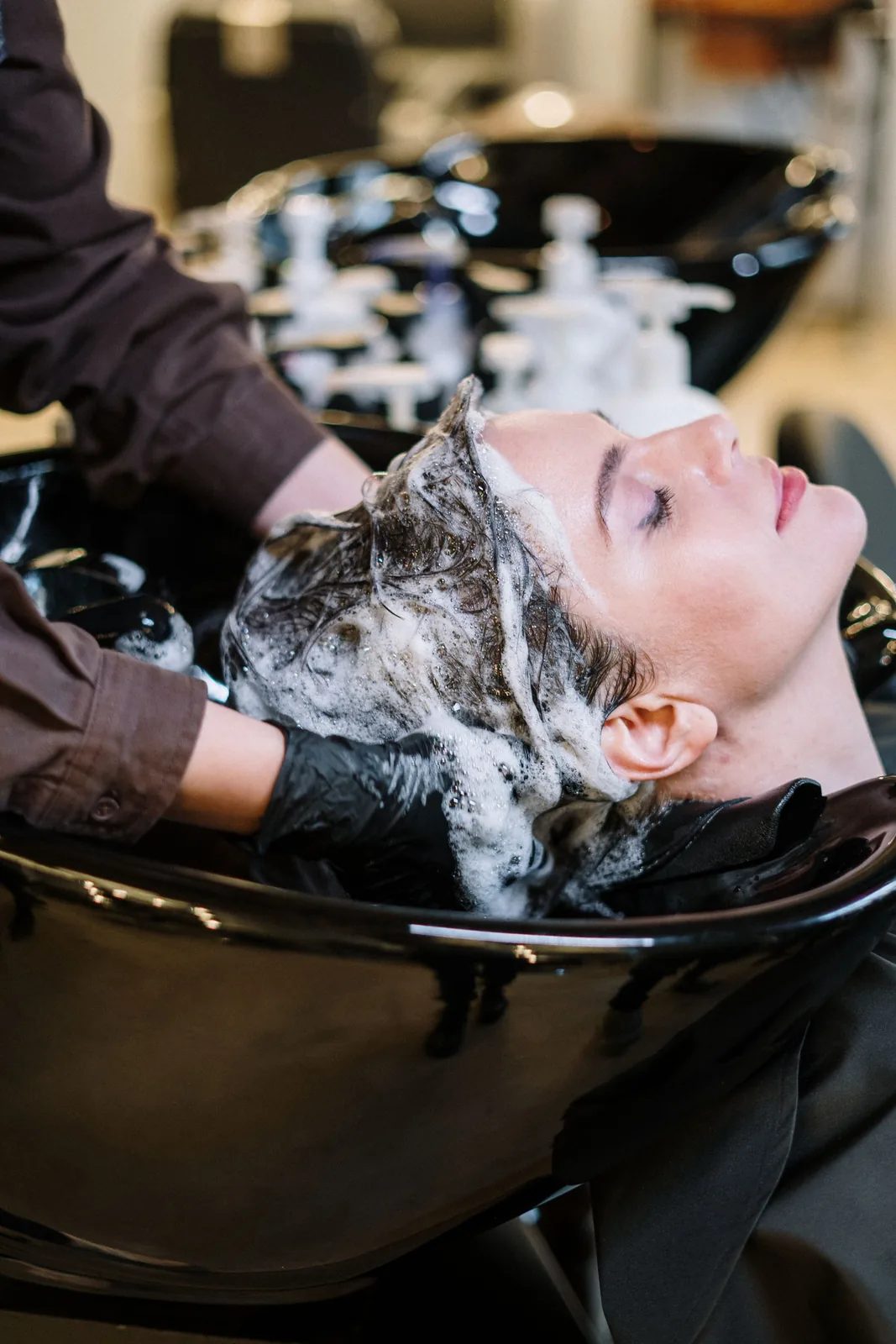
Figure 1. Wash the hair with the pads of the fingers before conditioning and rinse the lather thoroughly at the nape and behind the ears; wear gloves when the client’s scalp has small scratches or your hands have cuts (Photo: cottonbro studio, Pexels)
Step 3: Blot excess water and detangle
Soaking-wet hair dilutes the mask and makes it run down the neck. Press the towel to absorb water; do not rub hard, because wet hair breaks more easily than dry hair. Then detangle with a wide-tooth comb: start at the ends, comb short sections, and gradually work up to the roots. Hold the hair above the section you are detangling with one hand so you do not pull on the client’s scalp. When you meet a knot, loosen it by hand first; never yank the comb.
Step 4: Section the hair and apply the mask
Divide the hair into 4 sections (two sides, crown, nape) with clips; for thick hair, make smaller sections.
Scoop the mask into a bowl and apply it with a brush or gloved hands from the mid-lengths to the ends; the ends get more because they are usually the driest.
Avoid the roots and scalp (stay about one to two finger joints away from the scalp, for reference), unless the label says the product can be used on the scalp.
Amount: just enough to coat evenly so the hair feels slippery, with no dripping. Excess mask will run onto the forehead, eyes and neck when heated and is hard to rinse out.
Comb through once more with the wide-tooth comb to distribute the mask evenly.
Wipe any mask off the forehead, ears and nape with a damp towel.
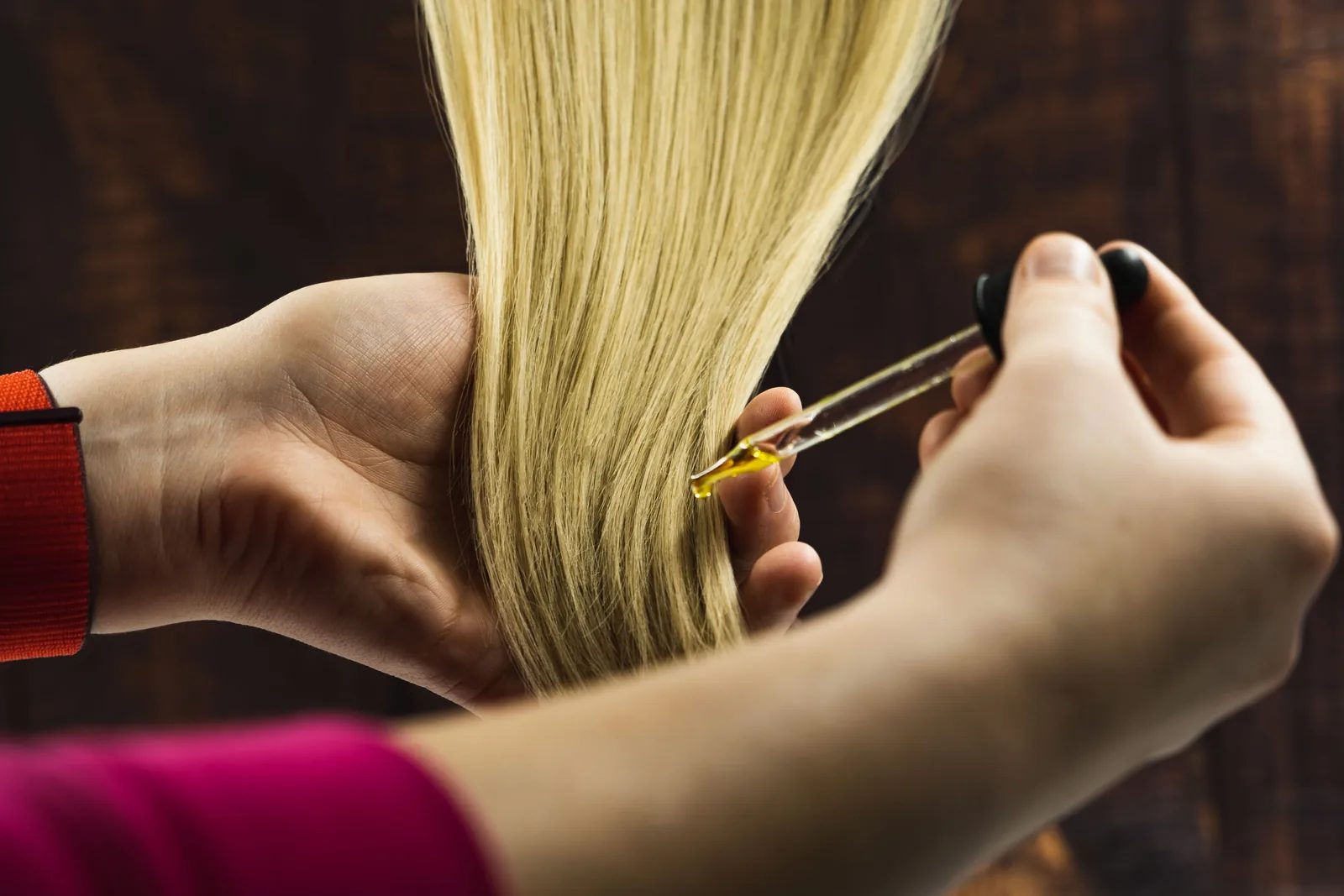
Figure 2. Apply the conditioning product to the mid-lengths and ends while the other hand holds the lock flat; do not drip it straight onto the scalp (Photo: geehairimages, Wikimedia Commons, CC BY 2.0)
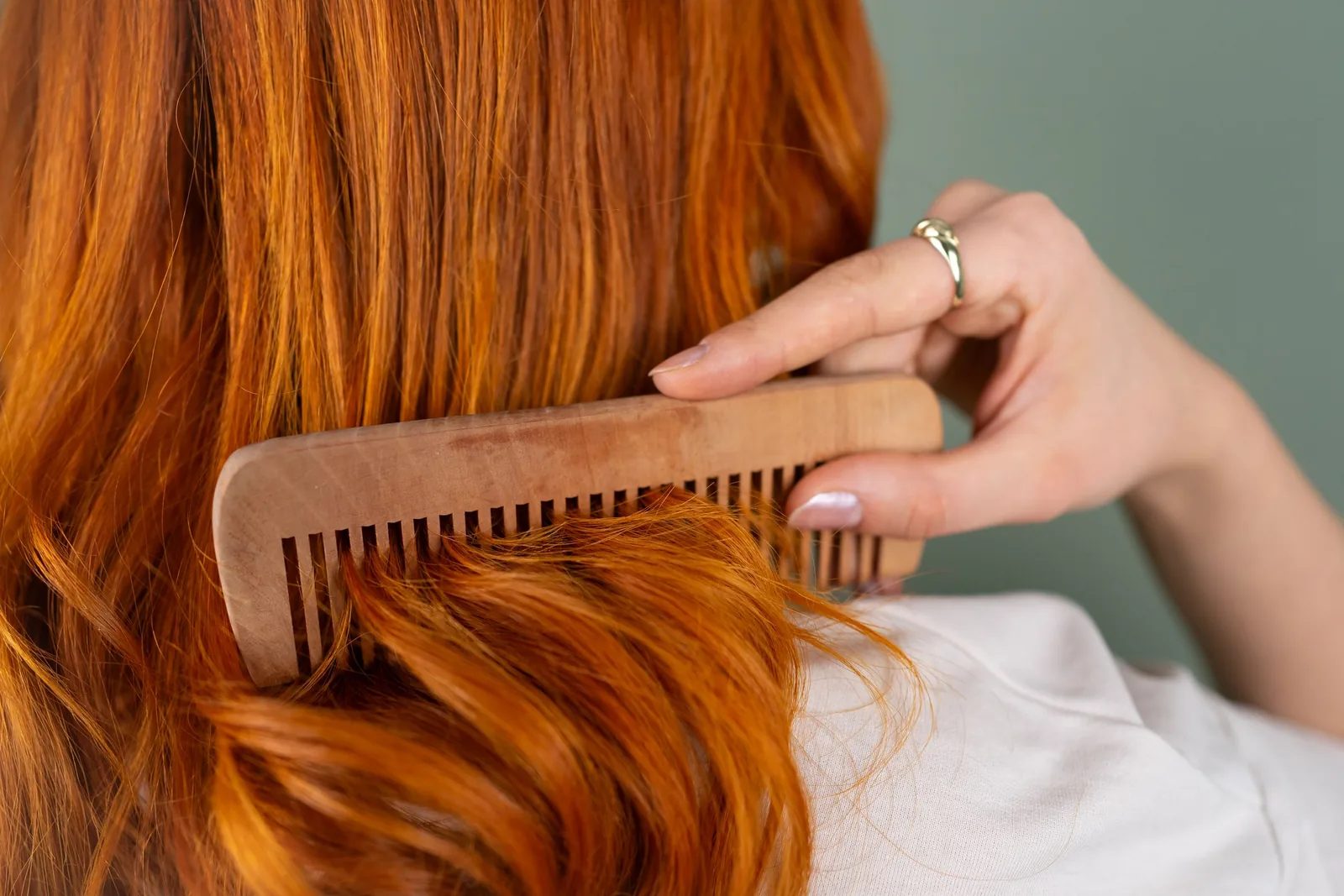
Figure 3. A wide-tooth wooden comb working through the ends of the hair; when detangling or spreading the mask evenly, start at the ends and work upwards in short sections (Photo: Beyzanur K., Pexels)
Step 5: Cap on and apply heat
Gather the hair on top of the head (not in a tight bun) and put on a new plastic cap, with the edge covering the hairline but not pressing on the eyes. Wrap a dry towel around the neck to absorb steam and any mask that runs down.
With a hooded steam machine:
Switch the machine on and let the steam flow evenly before bringing the hood over the client’s head, to avoid the strong first burst of steam.
Set the hood at the height and distance given in the machine’s instructions; the hood must not touch the client’s head, ears or face.
Ask the client after about a minute: “Does it feel pleasantly warm or too hot?” Then ask again every few minutes.
With a ring-type infrared heater: set the heating ring at the distance and heat level given in the machine’s instructions, never close to the head, and watch the skin of the forehead and behind the ears.
Without a machine: wrap a warm towel (wrung out thoroughly and tested on your own wrist first) over the cap, replacing it when it cools. Do not blow a hair dryer directly onto the plastic cap at close range.
Time: according to the mask label. Many products state about 10–20 minutes (reference), but some require less. Leaving it longer than the label says does not make the hair better; it only keeps the client under heat for longer. Set the timer.
Stay with the client the whole time the machine is running. If you have to leave the chair for a few seconds, switch the machine off or move the hood away first. Do not let children play near the machine.
Step 6: Let it cool, then rinse thoroughly
Switch off the machine, move the hood away, and let the hair cool for a minute or two before removing the cap. Rinse with moderately warm to cool water, and rinse for longer than you think necessary: mask left at the roots and nape easily makes hair greasy and the scalp itchy. Some masks are designed to leave the hair slightly slippery after rinsing; check against the description on the label, and do not shampoo again unless the label requires it.
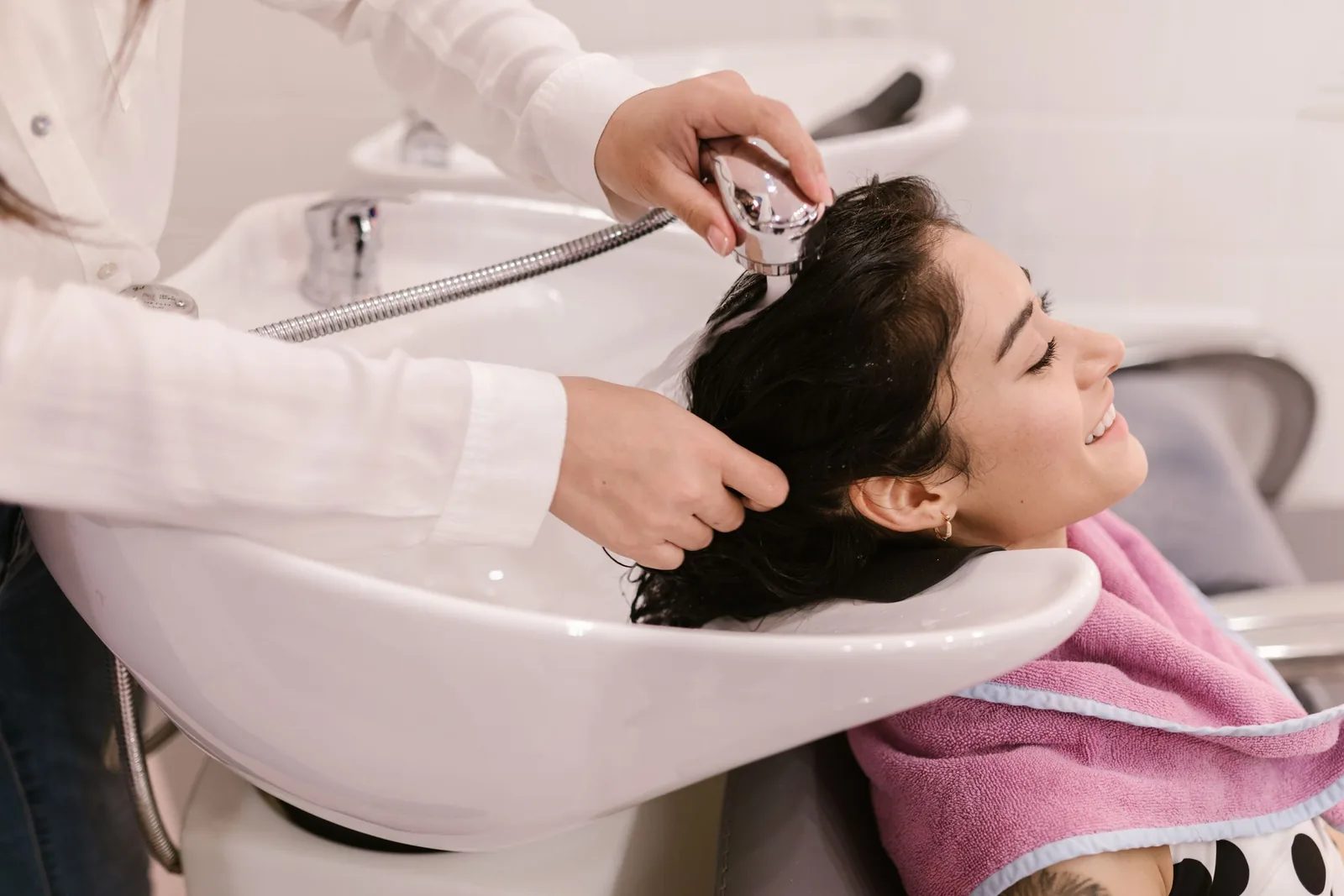
Figure 4. Rinse out the mask thoroughly with a handheld shower head, lifting the hair with one hand so water flows through the roots and nape; drape a towel over the client’s shoulders so water does not run into her clothes (Photo: RDNE Stock project, Pexels)
Step 7: Blow-dry, finish and advise the client
Blot dry with a towel by pressing, not scrunching.
Blow-dry at medium heat, with the nozzle kept away from the scalp and always moving, never pointed at one spot. Ask the client about the heat.
If you use a serum or hair oil on the ends after drying: a small amount, on the ends only.
Give the client advice (see home care below) and complete the form: product name, batch number if any, machine type, heat level, conditioning time and the client’s reaction.
Using hair steamers safely
Common risks by heating method (reference)
Heating method | Main risks | Prevention |
|---|---|---|
Hooded steam machine | Burst of hot steam on start-up, hot condensation dripping, scale in the tank, burns to the ears | Switch on before bringing the hood over; use the right type and level of water; descale as instructed; hood must not touch the head or ears |
Ring-type infrared heater | Heat concentrated in one spot if the ring is too close or the client tilts her head | Set the distance as instructed; watch the forehead and behind the ears; ask frequently how it feels |
Warm towel | A towel that is too hot causes burns | Wring it out well and test on your own wrist before placing it on the client’s head |
Signs you must stop immediately
Switch off the machine, move the hood away and remove the cap when the client:
Complains of burning heat on the scalp, forehead or ears, or you see unusually red skin.
Feels dizzy or nauseous, sweats or turns pale, or says she feels tired.
Has stinging, itching or a red rash on the forehead, neck or behind the ears where the mask touched.
Or when the machine gives off a burning smell, strange noise, sparks or leaks water.
First response
Client feels faint or dizzy: switch off the machine, let the client sit back or lie down in a well-ventilated spot, loosen the towel around the neck, stay beside her and inform the manager. If the client is alert and can swallow, you may give her water. If the client has chest pain, shortness of breath, difficulty speaking, a drooping mouth, weakness in the arms or legs, or faints, call 115 immediately.
Skin burned by heat: switch off the machine and cool the skin with gently running cool water (not ice water) for about 20 minutes, following common burn first-aid guidance (reference); do not apply toothpaste, fish sauce or grease, and do not pop blisters. If there are blisters, a large burned area, or burns on the face or ears, advise the client to see a doctor immediately.
Skin irritated by the mask: rinse thoroughly with plenty of cool water, do not apply any other product, and monitor; if the rash spreads or there is swelling of the lips or eyes or difficulty breathing, call 115.
After any incident, set aside the jar of mask used, record the name, batch number, time of the incident and the actions taken in the client record, and inform the manager. Spa therapists do not diagnose or give medication to clients.
Real-life scenario: a client wants a hair steam to “get rid of dandruff”
Mr Tuan, 45, wants a hair steam because he has “a lot of dandruff and itching”. Parting his hair, you see thick adherent scales, some red areas and scratch marks. You do not give him a hair steam, and explain: “Your scalp has some red areas and scratch marks; a mask and heat may make it more uncomfortable. It would be best to see a dermatologist to find out the cause; once your scalp is fine, I’ll be happy to do it for you.” Record this on the form and suggest another service that does not touch the scalp if he would like one.
Cleaning after each client
Remove hair from combs, brushes, bowls and clips, wash off the mask and then disinfect them according to the spa’s procedure (see the tool cleaning and disinfection lesson on NAMBIN). Each client gets their own set of towels; plastic caps and gloves are thrown away. Wipe the machine hood as instructed; for steam machines, empty leftover water, dry them and descale periodically according to the manufacturer. Clear hair from the wash basin drain. Keep the mask jar tightly closed, check the period-after-opening shown on the label, and do not use it if it smells odd or has separated.
Home care advice for the client
Space out hair steam treatments according to the product instructions; oily or fine hair needs them less often than dry, frizzy hair.
Blow-dry at medium heat and limit flat irons and curling irons; use a wide-tooth comb on wet hair; trim heavily split ends.
See a dermatologist if hair loss is unusually heavy or occurs in patches, or if the scalp is red and itchy, has persistent thick scales or pustules, or is painful. A hair steam cannot treat these conditions.
Hair steam and conditioning safety checklist
☐ Asked about the last chemical treatment, allergies, health and any scalp medication
☐ Parted the hair and checked the scalp under bright light; adjusted or postponed if there were lesions
☐ Read the mask label: whether it needs heat, the time, wet or dry hair
☐ Scooped the mask into a bowl with a clean spatula, no fingers in the jar
☐ Checked the machine: cord, plug, stand, water, test run with no client
☐ Tested the wash water and warm towels on your own wrist first
☐ Mask applied to mid-lengths and ends, avoiding the scalp (unless the label allows), no dripping
☐ A new plastic cap for each client, a dry towel around the neck
☐ Steam switched on before bringing the hood over; hood not touching the head or ears
☐ Timer set as per the label; asked frequently about the heat
☐ Never left the client while the machine was running
☐ Rinsed thoroughly, checked the nape and behind the ears
☐ Completed the form: product, machine, heat level, time, client’s reaction
☐ No “the longer the better”, no turning up the heat to save time
☐ Cleaned the tools, machine and wash basin after the client
Frequently asked questions
Can a hair steam repair damaged hair?
No. Hair becomes softer and shinier for a while, but strands that are broken or split at the ends do not heal themselves; heavily split sections need trimming.
How often should you have a hair steam?
There is no universal figure. For dry, frizzy hair, many salons suggest about once every one to two weeks (reference); oily or fine hair may need it less often. Hair that starts to feel greasy and heavy is a sign of conditioning too thickly or too often.
Does a hair steam reduce hair loss or get rid of dandruff?
No. A hair steam is cosmetic care for the mid-lengths and ends; it does not treat hair loss or dandruff. Clients with unusually heavy hair loss, patchy hair loss, a red itchy scalp or persistent thick scales should see a dermatologist.
Can pregnant women have a hair steam?
Many spas still serve pregnant clients with mild heat, a short time, comfortable seating and frequent check-ins on how they feel. If the client has a pregnancy complication, is prone to dizziness, or her doctor has advised avoiding heat, only do a gentle wash or rebook. When unsure, advise the client to ask the obstetrician who is following her pregnancy.
Practice exercises
Read the labels: take three hair masks the spa currently stocks and note in your notebook: whether each needs heat, the conditioning time, whether it goes on wet or dry hair, whether it can be applied to the scalp, and the period after opening.
Practise on a mannequin head or a colleague: divide the hair into four sections, apply the mask from mid-lengths to ends, avoid the scalp and do not let the mask drip; ask someone else to check whether any mask has reached the roots.
Consultation role-play: one person plays a client with “lots of dandruff and itching who wants a hair steam to get rid of it”; the other practises explaining why the treatment is postponed and advising a doctor’s visit, in a gentle tone and without diagnosing.
Incident role-play: at minute eight, the client complains of hot ears and dizziness. Practise in order: switch off the machine, move the hood away, remove the cap, let the client rest, cool the hot area, inform the manager, write the record. Swap roles and time yourselves.
Self-assessment criteria: you asked all the questions before starting; no mask on the scalp when the label does not allow it; conditioning time matched the label; you asked about the heat at least three times during heating; you never left the client while the machine was running; the form was fully completed.