A motorbike only counts as "using too much fuel" when its consumption, measured by the fill-to-full method, has risen clearly (usually by more than about 15–20%) above that same bike's baseline, on the same kind of roads with the same load. The most common causes, in the order you should check them, are: riding style and load, under-inflated tyres or dragging brakes, a dirty air filter, a worn spark plug, fuel-injection faults (injector, sensors), a slipping scooter CVT, fuel leaks, and finally a worn engine with low compression. This lesson shows you how to measure litres per 100 km properly, narrow the cause down from cheapest to most expensive, and show the customer that the repair pays for itself in fuel saved.
By the end of this lesson, you will be able to:
- Measure fuel consumption with the fill-to-full method, convert it to litres per 100 km and compare it with the baseline.
- Question the customer and rule out causes that are not faults: traffic jams, heavy loads, a new riding pattern, a different petrol station.
- Check tyres, dragging brakes, the air filter and the spark plug, and read the plug colour to tell whether the engine is running rich or lean.
- Narrow down fuel-injection faults, a slipping scooter CVT, fuel leaks and low compression.
- Work out the repair cost, monthly fuel saving and payback time with figures that add up.
Learning motorbike repair properly? Electronic fuel injection (FI) and fault codes are step 5 of the roadmap, after routine maintenance, brakes and tyres, and the electrical system. See the 8-step motorbike mechanic roadmap to learn in the right order.
What counts as real overconsumption? Measure before you repair
When a customer says "my bike is drinking fuel lately", it is usually a feeling: 70,000 VND of petrol used to last three days and now only two. That may be true, but it may also be a price rise, more riding, or worse traffic. A mechanic's first job is to turn the feeling into a number.
The fill-to-full method
- Fill the tank to the same level every time (for example to the neck, stopping when the nozzle clicks off) and write down the odometer reading (Figure 1).
- Ride normally for at least 100–150 km; the longer, the more accurate.
- Fill to full again at the same station in the same way, and record the litres added and the new odometer reading.
- Calculate: litres per 100 km = litres added ÷ kilometres ridden × 100.
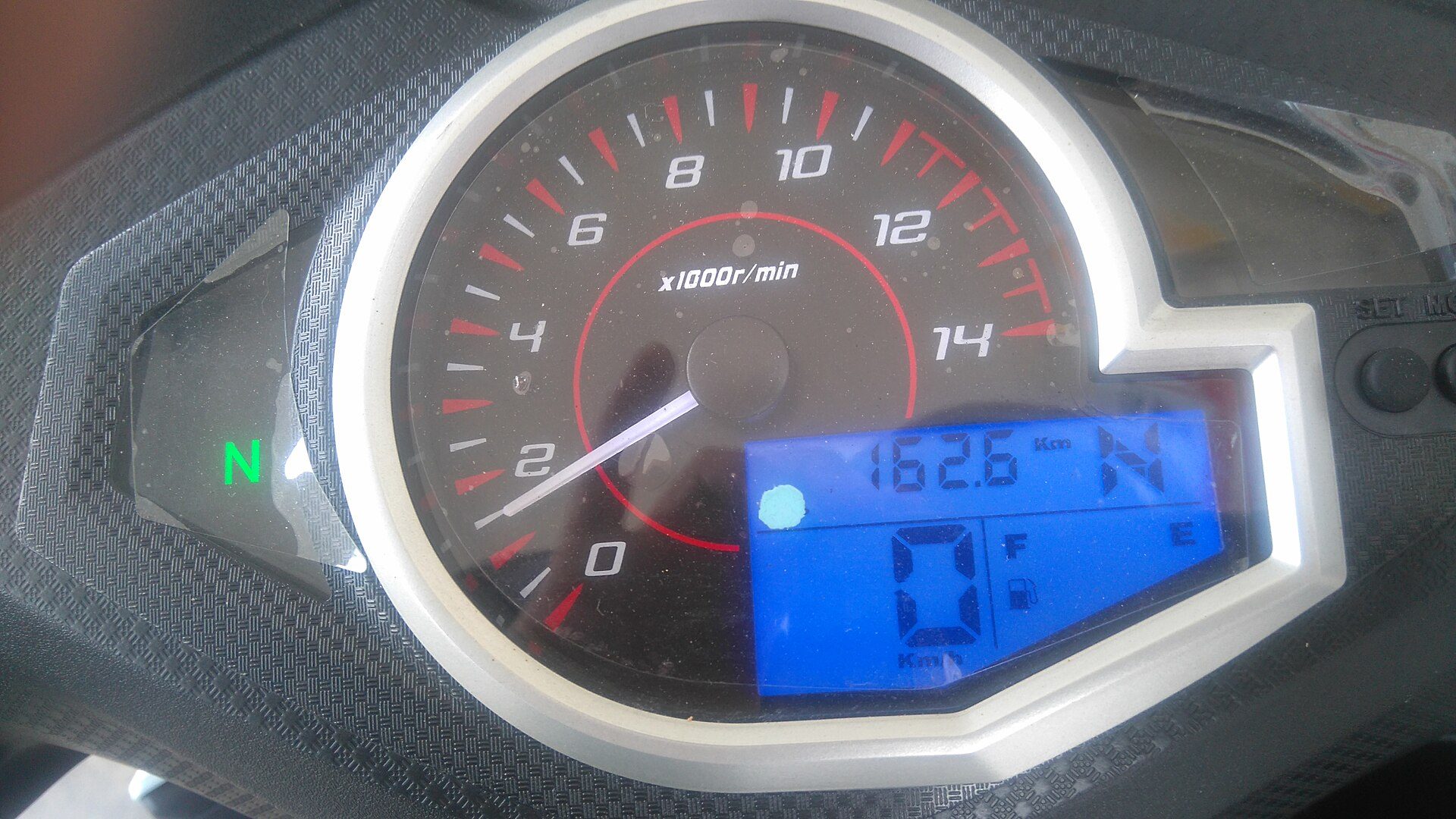
Photo: Hezery99 / Wikimedia Commons, CC BY-SA 4.0
Example: 120 km ridden, 3.0 litres to refill. Consumption = 3.0 ÷ 120 × 100 = 2.5 L/100 km. To convert to km per litre, 100 ÷ 2.5 = 40 km/L.
Typical city consumption
| Bike type | Typical city figure (reference) | Notes |
|---|---|---|
| 100–125 cc fuel-injected underbone (manual) | About 1.6–2.2 L/100 km | Lower on open roads |
| 110–125 cc scooter | About 1.9–2.6 L/100 km | Higher in jams or two-up |
| 150–160 cc scooter or clutch bike | About 2.2–3.0 L/100 km | Depends heavily on throttle use |
| Older carburettor bikes | Usually higher than a fuel-injected bike of the same size | Very sensitive to carburettor setup |
Manufacturers' published figures come from a standard test cycle and are usually lower than real city riding. What matters most is that bike's own baseline: if the customer remembers how far a tank used to go on the same kind of roads, that is the figure to compare with.
Five questions before you open the bike
- Has the route changed, with more rush-hour riding, an extra passenger or cargo?
- Did the petrol station or fuel grade change between the two measurements?
- Any other symptoms: engine warning light, loss of power, rough running, black smoke, fuel smell, high revs but slow acceleration?
- When were the air filter and spark plug last replaced, the injector cleaned, the CVT serviced?
- Has the bike recently been repaired or modified at another shop?
Group 1: Riding style, load and anything slowing the bike
This is the cheapest group to check and the one most often skipped. A perfectly healthy engine still uses more fuel if it has to pull extra resistance.
Traffic jams, short trips and throttle habits
Constant stop-start riding in traffic (Figure 2) uses far more fuel than steady cruising. On short trips the engine never warms up and the injection system enriches the mixture, adding more. Snatching the throttle, braking hard and idling while waiting all raise consumption. If the customer has just started city delivery work, a higher figure is normal, not a fault.
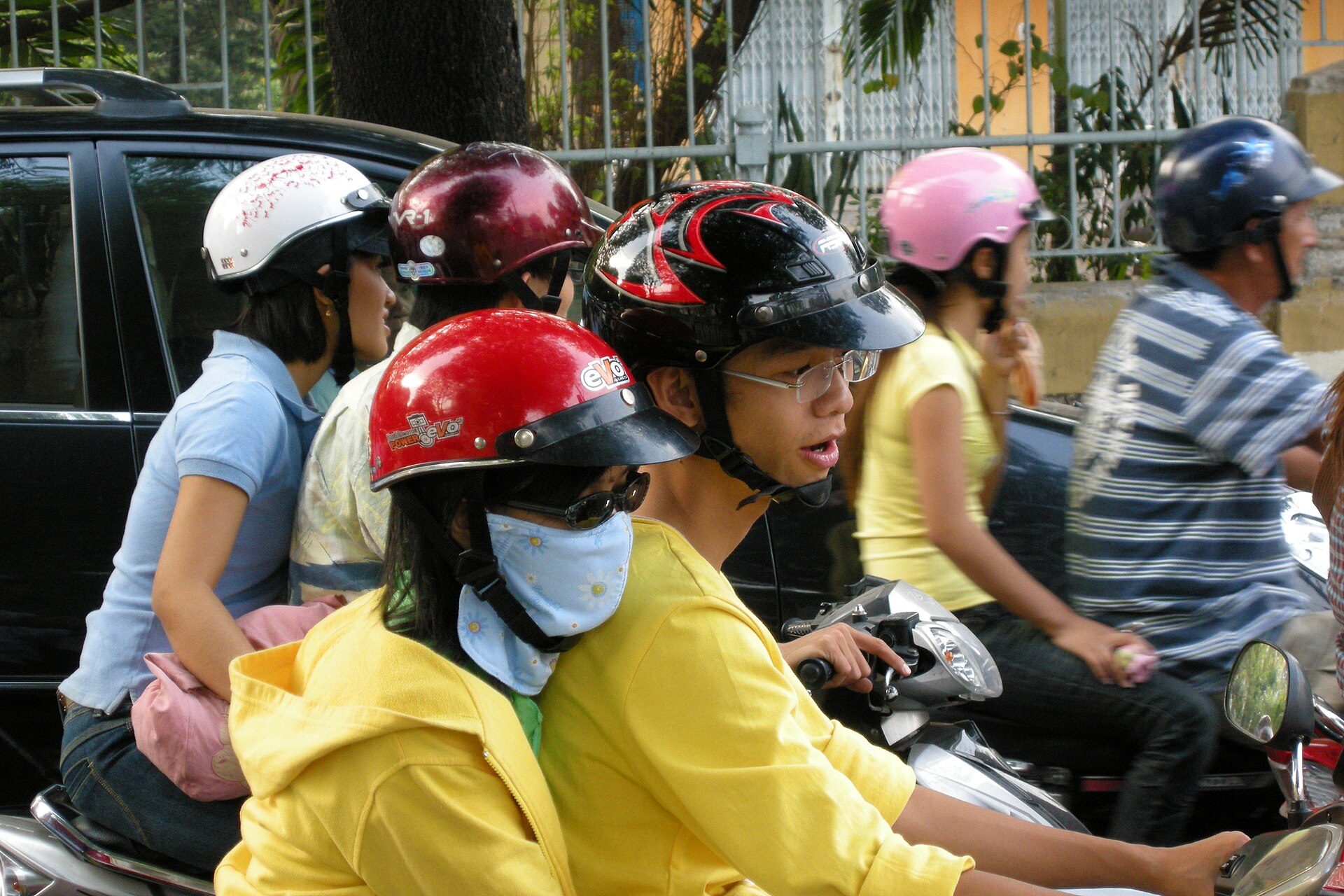
Photo: Vyacheslav Argenberg / Wikimedia Commons, CC BY 4.0
Under-inflated tyres
Low tyre pressure enlarges the contact patch and raises rolling resistance, so the bike feels heavy on the throttle. Measure with a pressure gauge when the tyres are cold and compare with the sticker on the bike or the owner's manual (front and rear usually differ, as do solo and two-up figures). Do not trust a squeeze with your hand.
Dragging brakes, a tight chain, wheel bearings
Lift each wheel off the ground and spin it by hand: it should turn freely and evenly with no rubbing. An over-adjusted drum brake or a sticking disc caliper makes the wheel drag, and the drum or disc will be unusually hot after a ride. On manual bikes, also check chain slack and lubrication; a chain that is too tight or dry and rusty absorbs noticeable power.
Group 2: Air filter, spark plug and reading the plug
These two cheap, quick-to-reach parts tell you a lot about combustion inside the engine.
Air filter
A dirty air filter starves the engine of air. A carburettor bike short of air runs clearly rich; a fuel-injected bike has sensors that compensate partly, but the engine is still weaker and the rider uses more throttle. Open the airbox and hold the element up to a light: black all over, oil-soaked or torn means replace. Oil-impregnated paper elements must not be blown out or washed. For mileage intervals, see the lesson motorbike oil change interval and maintenance schedule by km.
Worn spark plug and wrong gap
A worn plug has eroded electrodes and a wider gap, the spark is weaker, the mixture does not burn completely and unburnt fuel leaves through the exhaust. Remove the plug with the engine cold, measure the gap with a feeler gauge and compare with the owner's manual. Figure 3 shows different electrode designs: single-ground plugs can be re-gapped, multi-ground plugs cannot and are replaced when worn.
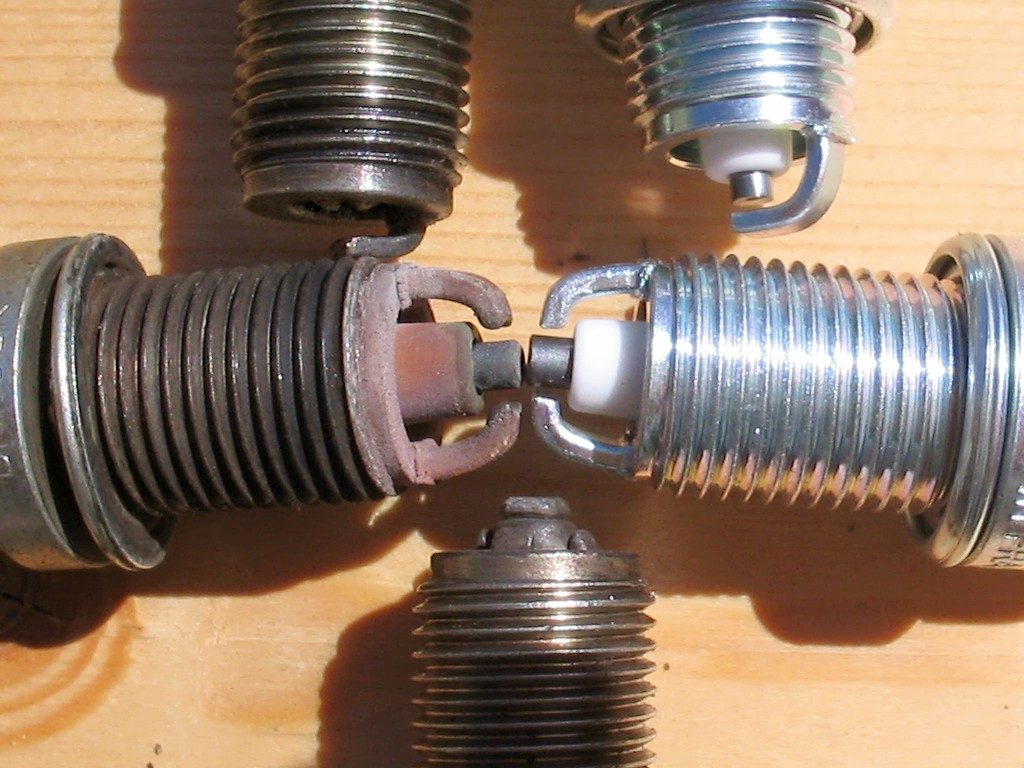
Photo: A7N8X / Wikimedia Commons, CC BY-SA 4.0
Reading the plug colour
| Plug tip colour | Usual meaning | Check next |
|---|---|---|
| Light brown, dry | Healthy combustion | Look for the cause in another group |
| Black, dry, sooty | Rich: too much fuel or too little air | Air filter, injector, temperature sensor, carburettor |
| Black and oily | Oil reaching the combustion chamber | Piston rings, valve stem seals, compression test |
| White, with burn marks | Lean, engine running hot | Intake leak, blocked injector; not an overconsumption fault |
A dry, sooty black plug is the main sign of overconsumption from a rich mixture. Fitting a new plug only removes the symptom; you must find out why the mixture is rich.
Group 3: Fuel injection, injectors and sensors
Almost all new motorbikes sold in Vietnam now use electronic fuel injection (FI). The engine control unit (ECU) calculates how much fuel to inject from its sensors; if a sensor reads wrong, the ECU injects the wrong amount.
Read the fault codes first
If the engine warning light is on or flashing, read the code before anything else. Many bikes let you read codes by counting flashes as the maker describes; newer bikes have a diagnostic port for a scan tool. Record the code, look it up, fix the right part, clear the code and test ride. No code does not mean the FI system is perfect: a sensor that has drifted but is still inside its limits will not trigger a code.
FI faults that raise consumption
- Engine temperature sensor reading falsely cold: the ECU thinks the engine is always cold and enriches as if for a cold start. Measure the sensor's resistance or voltage cold and hot and compare with the maker's figures.
- Failed oxygen sensor (if fitted): the ECU loses feedback and runs on a fallback map that is usually richer.
- Dirty injector, uneven spray or dripping: fuel does not atomise and burns incompletely; an injector that drips after shutdown floods the chamber. Clean it and check the spray pattern on a test bench.
- Misadjusted throttle position sensor, dirty throttle body, high idle: the engine runs faster than it needs to at every red light.
Older carburettor bikes
On carburettor bikes, suspect a worn needle, a high float level, a choke stuck closed, or a wrongly set mixture screw. Strip, clean and set to specification; do not adjust by ear unless you have been taught how.
Group 4: Slipping CVT, fuel leaks and a worn engine
When the groups above all pass, move to the causes that take more labour to reach.
A slipping scooter CVT
A worn, narrow drive belt, flat-spotted rollers or a weak clutch spring make the continuously variable transmission slip: the revs climb, the engine is loud, but the scooter is slow and needs more throttle to hold speed. Open the CVT cover (Figure 4), measure the belt width against its limit and check whether the rollers have flat spots. A dirty clutch also causes take-off judder; for the detailed cleaning procedure see the lesson scooter judder on take-off: 6 causes and how to clean the clutch.
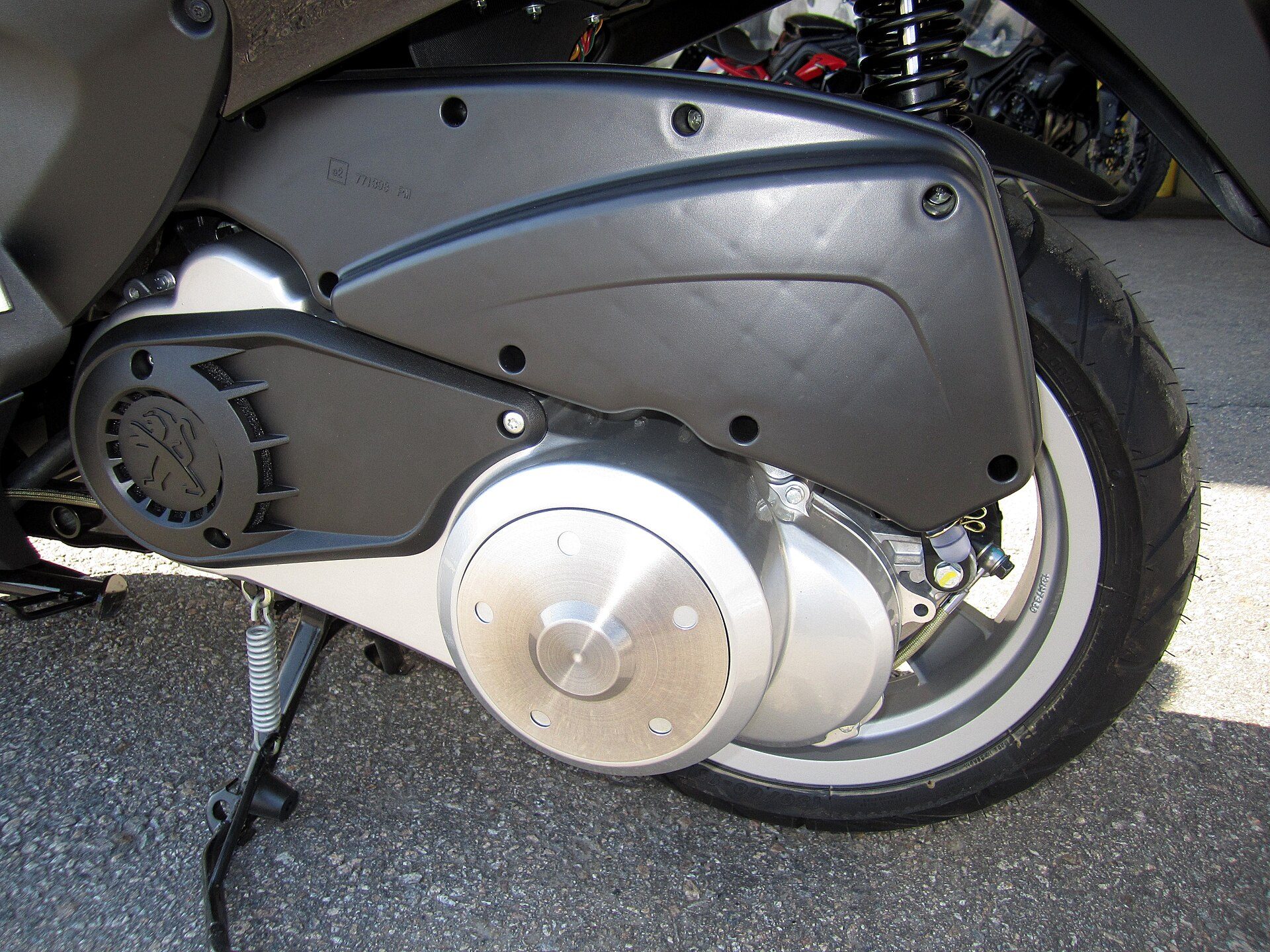
Photo: Khaosaming / Wikimedia Commons, CC BY-SA 4.0
Fuel leaks
A smell of petrol around the bike, or wet marks under the tank, around the fuel hose, the pump or the injector, mean a leak. Old rubber fuel hoses craze and crack, injector seals harden, connectors loosen. A leak wastes fuel and is very dangerous, so it must be fixed before the bike goes back.
Low compression, leaking valves
Worn piston rings, leaking valves or wrong valve clearance reduce compression, the engine loses power and the rider uses more throttle. This often comes with oil consumption, blue smoke and an oily black plug. Test compression with a compression gauge and compare with the repair manual for that exact model. Older carburettor bikes like the one in Figure 5 should have their valve clearance checked regularly.
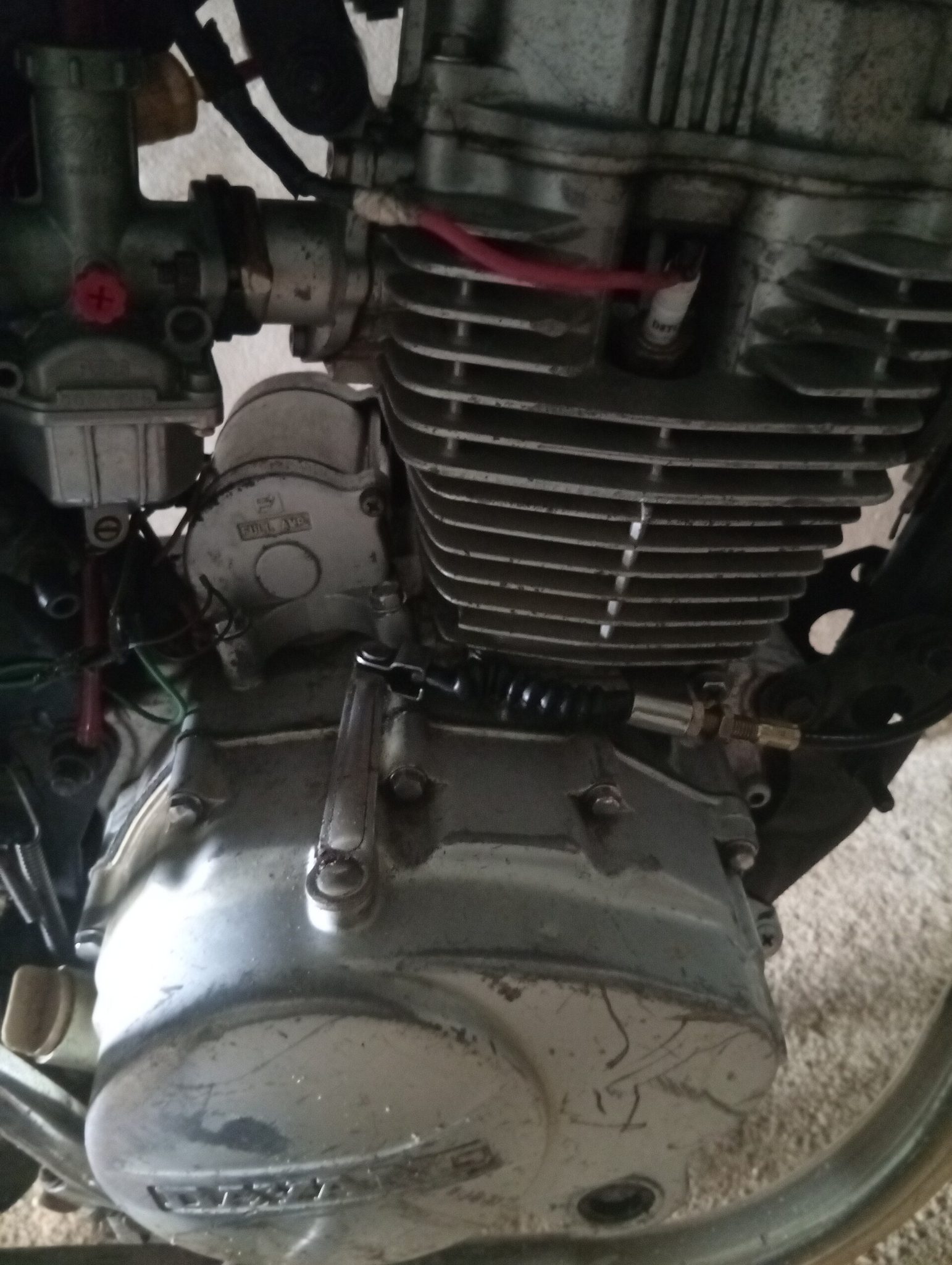
Photo: Paul The Writer / Wikimedia Commons, CC0
Quick narrowing-down table
| Accompanying symptom | Suspect first | Check |
|---|---|---|
| No other symptom, just high consumption | Riding style, tyres, dragging brakes, air filter | Ask the customer, check pressures, spin the wheels, inspect the filter |
| Black smoke, raw fuel smell at the exhaust, dry black plug | Running rich: FI or carburettor | Fault codes, temperature sensor, injector |
| High revs but slow (scooter) | Slipping CVT | Open the CVT, measure the belt, check rollers |
| Fuel smell around the bike, wet marks | Leak | Fuel hose, connectors, injector seals |
| Weak engine, oil use, blue smoke | Worn engine | Compression test, valve check |
Safety when working with petrol
Safety warning: Petrol and its vapour ignite very easily. Work in a ventilated area with no smoking, no open flames, and no grinding or welding near a fuel hose or injector you are removing; keep a fire extinguisher within reach. The injection system is pressurised: switch off, let it cool, relieve pressure as the maker instructs and wrap a rag around connectors before undoing them. Catch fuel in a sealed can and never pour it down a drain. Exhausts and engines are very hot after riding, so wait for them to cool before removing the spark plug. When spinning a wheel or running a CVT on a stand, keep hands and clothing clear of the turning wheel and belt.
Test ride after the repair
Test ride in a safe area wearing a helmet, and check the brakes before going on the road. Ask the customer to measure again with the fill-to-full method over 1–2 tanks to confirm the result.
Do not promise an exact figure
Consumption depends on riding, roads and load. Only say "after the repair the bike should return close to its old baseline"; never promise an absolute number.
Worked example: a 125 cc delivery scooter that gets far fewer kilometres per tank
A delivery rider covers about 80 km a day on a 125 cc scooter with 32,000 km on the clock. The rider says it used to do about 2.2 L/100 km (measured by the fill-to-full method) but now seems much thirstier. The mechanic asks for a fresh measurement: 120 km ridden, 3.6 litres to refill, so 3.6 ÷ 120 × 100 = 3.0 L/100 km, up (3.0 − 2.2) ÷ 2.2 ≈ 36% on the baseline. This is genuine overconsumption.
Checks and findings
- Rear tyre about a quarter below the pressure on the sticker: reinflated correctly.
- Wheels spun: free, no dragging.
- Air filter black all over, not replaced since 18,000 km: replaced.
- Spark plug dry and sooty, electrode worn: replaced; noted that the engine was running slightly rich.
- No FI fault code; engine temperature sensor within range.
- CVT opened: belt worn below its limit, 2 rollers flat-spotted, revs high on acceleration. Belt and roller set replaced, clutch cleaned.
Quote and payback (2026 reference prices in Vietnam, varying by region and model)
| Item | Quantity × unit price | Amount |
|---|---|---|
| Air filter | 1 × 120,000 VND | 120,000 VND |
| Spark plug | 1 × 90,000 VND | 90,000 VND |
| Drive belt | 1 × 350,000 VND | 350,000 VND |
| Roller set | 1 × 150,000 VND | 150,000 VND |
| Labour: clean CVT, fit belt, rollers, filter and plug | 1 × 150,000 VND | 150,000 VND |
| Total | 860,000 VND | |
Check the sum: 120,000 + 90,000 + 350,000 + 150,000 + 150,000 = 860,000 VND (about 34 USD). After the repair the rider measures 2.3 L/100 km. The saving is 3.0 − 2.3 = 0.7 litres per 100 km. The rider covers 80 × 30 = 2,400 km a month, so saves 0.7 × 24 = 16.8 litres. Assuming petrol at 23,000 VND per litre (Vietnamese pump prices are adjusted periodically), that is about 16.8 × 23,000 = 386,400 VND a month. Payback time: 860,000 ÷ 386,400 ≈ 2.2 months.
Common beginner mistakes
Repairing on the customer's feeling without measuring
Symptom: a pile of parts replaced and the customer still complains. Cause: no before-and-after figure, so nobody knows whether the repair worked. Fix: always get a litres-per-100-km figure before repairing and book a re-measurement afterwards.
Replacing the plug and calling it done
Symptom: the new plug is black again within weeks. Cause: the plug is only a symptom; the root cause is a rich mixture from a sensor, injector or filter. Fix: use the plug colour for direction, then find the root cause.
Cleaning injectors or adjusting mixture while tyres are soft and brakes drag
Symptom: lots of labour charged for little result. Cause: the cheapest group was skipped. Fix: always follow the order riding style, tyres, brakes, air filter, plug, then FI and the CVT.
Frequently asked questions
Why is my motorbike suddenly using more fuel?
The usual causes are soft tyres, a dirty air filter, a worn spark plug, a slipping scooter CVT, and fuel-injection faults such as a dirty injector or a temperature sensor reading wrong. Traffic jams and heavy loads also raise consumption clearly without anything being broken.
How do I know whether my motorbike really uses too much fuel?
Measure by filling to full, riding at least 100 km, then filling to full again and working out litres per 100 km. Compare with that bike's earlier baseline on similar roads; a rise of more than about 15–20% is worth checking.
Will cleaning the injector fix high fuel consumption?
Only if a dirty injector is the cause. If the fault is in the tyres, the air filter, the CVT or a sensor, injector cleaning will not solve it. Check in order first.
Do scooters use more fuel than manual bikes?
At the same engine size, a scooter usually uses a little more than a manual underbone, because the CVT has higher losses and scooters tend to be heavier. The real difference depends a lot on how the bike is ridden.
Practice tasks and self-assessment
- Measure your own bike's consumption with the fill-to-full method over 2 consecutive tanks and compare the results.
- Remove the spark plug from a bike at the shop (engine cold), read its colour, measure the gap and write a conclusion using the plug colour table.
- Check tyre pressures and wheel spin on 5 customer bikes, noting which have soft tyres or dragging brakes.
- Prepare a quote and payback calculation for an overconsumption job using the worked example as a template.
Self-assessment criteria
- Pass: you calculate litres per 100 km and the percentage rise over baseline correctly.
- Pass: you work from the cheapest group to the most expensive, and every conclusion has a measurement or specific observation.
- Pass: the quote adds up, and the monthly saving and payback time match.
- Not yet: repairing before measuring, only replacing the plug, or opening fuel lines near a flame without an extinguisher.
Once you are confident with fuel injection and fault codes, move on to the next roadmap step: Scooters: drive belt, clutch and engine overhaul, where you go deeper into the CVT that this lesson only checked at the level of belt width and rollers.
Keep learning motorbike repair: after fuel injection come scooter CVTs, engine overhauls, working as an assistant and opening your own shop. See the 8-step motorbike mechanic roadmap.