Mason (bricklayer)
An 8-step path to becoming a mason: scaffold and height safety, cement, sand and brick materials, mixing mortar to spec, laying straight, plumb and level walls, plastering, pouring concrete and screeding floors, reading drawings, and a real hands-on job. You can then work for townhouse builders or take small repair jobs. Suits fit, careful people who can handle the sun.
Start here
Step 3: Mixing mortar and concrete & reading drawings
Articles for the earlier steps are still being written; start with this one.
Hands-on roadmap
Roadmap
- Step 1Lesson
Scaffold, height safety & PPE
Erect braced scaffolds with platforms and guardrails; harnesses on upper floors and catch nets; helmets, boots and gloves against cement burns; mixer and temporary site power safety.
No English content for this step yet. Meanwhile, read step 3: Mixing mortar and concrete & reading drawings
- Step 2Lesson
Materials: cement, sand, aggregate, bricks
PCB30 and PCB40 cement, masonry and plaster sand, 1x2 aggregate; solid, hollow, unfired and lightweight concrete blocks; keep cement dry and spot salty or muddy sand.
Requires: Scaffold, height safety & PPE
No English content for this step yet. Meanwhile, read step 3: Mixing mortar and concrete & reading drawings
- Step 3Skill
Mixing mortar and concrete & reading drawings
Batch M75–M100 mortar and grade 250 concrete by bucket; correct water ratio; read plans, sections and levels; transfer levels with a water level or laser.
Requires: Materials: cement, sand, aggregate, bricks
- Step 4Skill
Building straight, plumb, level walls
String lines, corner profiles, stretcher bond with staggered joints; even 10–12 mm mortar joints; tie walls to columns and fit lintels; common faults: leaning walls and aligned joints that crack.
Requires: Mixing mortar and concrete & reading drawings
No English content for this step yet. Meanwhile, read step 8: Skills test, quantity take-off & finding work
- Step 5Skill
Plastering, screeding & pouring concrete
Set screeds, two-coat plaster, float flat and finish corners; anti-crack mesh over conduit chases; screed floors to level, pour, vibrate and cure small slabs with daily watering.
Requires: Building straight, plumb, level walls
No English content for this step yet. Meanwhile, read step 8: Skills test, quantity take-off & finding work
- Step 6Skill
Home repairs: chasing, patching, extensions
Chase walls for pipes and cables, patch invisibly, build planters, steps and small water tanks; coordinate with waterproofers and tilers and protect furniture in occupied homes.
Requires: Plastering, screeding & pouring concrete
No English content for this step yet. Meanwhile, read step 8: Skills test, quantity take-off & finding work
- Step 7Project
Build and plaster a real wall and entrance steps
With a townhouse crew: lay and plaster a 10 m2 wall and pour entrance steps; check with a 2 m straightedge and spirit level, photograph for sign-off and record materials used.
Requires: Home repairs: chasing, patching, extensions
No English content for this step yet. Meanwhile, read step 8: Skills test, quantity take-off & finding work
- Step 8Assessment
Skills test, quantity take-off & finding work
Timed practical: build a wall corner, plus a safety quiz; calculate bricks, cement and sand, quote labour per m2; optionally sit an elementary masonry trade certificate.
Requires: Build and plaster a real wall and entrance steps
Articles
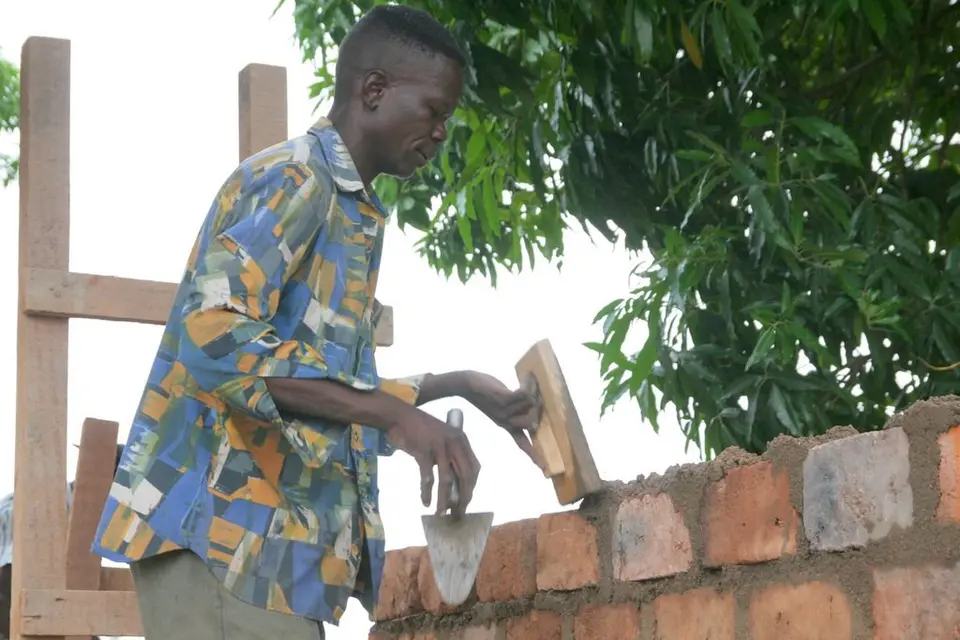 ArticleHow to calculate bricks for a wall: per m2, openings and wasteThe quick, correct way to calculate how many bricks a wall needs is: work out the actual brickwork area (length × height, minus door and window openings, columns, beams and lintels…
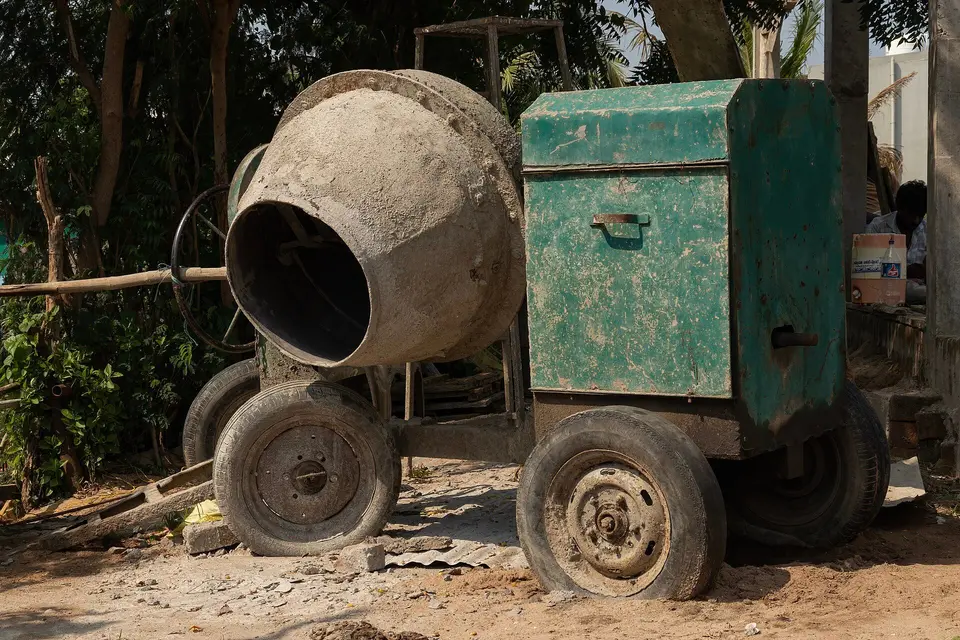 ArticleGrade 250 concrete mix ratio: per cubic metre, per bag, per bucketThe grade 250 (M250) concrete mix commonly used on Vietnamese house builds, with PCB40 cement and 10–20 mm crushed stone, is about 350 kg of cement, 0.48 m³ of coarse sand, 0.88 m³…