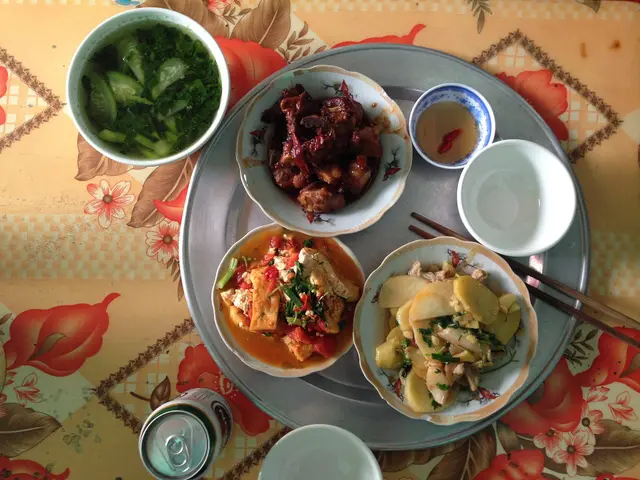
Nutrition coaching means helping healthy people understand and change their everyday eating habits: eating a balanced diet, spacing meals sensibly and choosing familiar Vietnamese dishes to maintain weight, lose fat or build muscle. A nutrition coach does not diagnose, prescribe or treat disease; people with diabetes, kidney disease, pregnancy or long-term medication must be referred to a doctor or clinical dietitian. This boundary protects clients from wrong advice and protects you from legal risk. This is the first lesson of the roadmap, written for beginners, with a screening form and sample scripts you can use with your very first client.
By the end of this lesson, you will be able to:
- Tell apart a nutrition coach, a clinical dietitian and a doctor, and know which tasks are within your scope.
- Use a 10-question screening form to decide whether to take a client or refer them to a health professional.
- Refer a client to a doctor tactfully, without losing their trust.
- Present supplements responsibly: never calling them medicine and never promising cures.
- Apply 6 ethical principles: confidentiality, honesty, no promises of rapid weight loss, and respect for the client.
Want to work as a nutrition coach properly? Scope of practice, ethics and safety is step 1 of the 8-step roadmap, before nutrients, reading labels, energy needs and Vietnamese meal planning. See the 8-step nutrition coach roadmap.
What is nutrition coaching, and how does it differ from a doctor's work?
In Vietnam the phrase "nutrition expert" is used very loosely, from hospital doctors to online sellers. A newcomer needs to know exactly where they stand in this picture.
Three roles that are often confused
| Role | Usually works at | Serves | May do |
|---|---|---|---|
| Nutrition coach | Gyms, healthy food shops, health apps, online | Healthy adults | Guide healthy eating, plan menus, track habits |
| Clinical dietitian | Hospitals, nutrition clinics | Patients and people with special needs | Build therapeutic diets together with doctors |
| Doctor (including nutrition physicians) | Hospitals, clinics | Patients | Examine, diagnose, order tests, prescribe, treat |
Why this boundary matters legally
Examining, diagnosing, treating and prescribing are medical practice in Vietnam, and only people with professional qualifications and a practising licence under current law may do them. This lesson does not list document numbers; the principle to remember is that a coach without a medical licence does nothing that resembles examining or treating patients. When unsure whether a task goes beyond your scope, ask the local health authority or a lawyer, and by default do not do it.
What an in-scope session looks like
A good coaching session looks more like a habit-mapping session than a medical exam: you ask what the client eats, when, how they sleep and move, then write a small plan together (Figure 1). No stethoscope, no prescription, no "treatment protocol".

Photo: Shixart1985 / Wikimedia Commons, CC BY 2.0
What a nutrition coach may and may not do
The table below is the "rule book" you should print and keep on your desk. Most trouble in this trade comes from sentences that seem harmless.
Scope of work
| May do | May not do |
|---|---|
| Teach balanced food groups, reading food labels, estimating portions | Diagnose "you are anaemic" or "you have fatty liver" |
| Plan Vietnamese menus for healthy people by goal | Design therapeutic diets for diabetes, kidney disease or gout |
| Track weight, waist and food diaries | Read and explain blood test results in place of a doctor |
| Encourage clients to see a doctor when something seems wrong | Advise lowering, stopping or replacing medication with food |
| Present products according to the uses printed on the label | Say supplements "cure", "treat" or "replace medicine" |
Wrong and right ways to say it
- Wrong: "You have diabetes, so cut out rice completely and drink this cereal powder, and your blood sugar will be normal." Right: "With diabetes, your diet has to match the medication you take, so a doctor or clinical dietitian needs to design it. I can help you keep a food diary to take to your appointment."
- Wrong: "You look pale, you must be anaemic." Right: "If you often feel tired and look pale, it is worth seeing a doctor and having tests to find the cause."
- Wrong: "This package loses you 10 kg in a month." Right: "A safe rate of weight loss differs from person to person; we set small weekly goals and keep an eye on your health."
Measurements within scope
Weight, height and waist circumference are measurements a coach may use to track progress (Figure 2). Measure at the same time and in the same conditions and record them accurately; never use them to conclude that someone is ill. If a reading looks abnormal, advise the client to see a doctor rather than explaining the cause yourself.
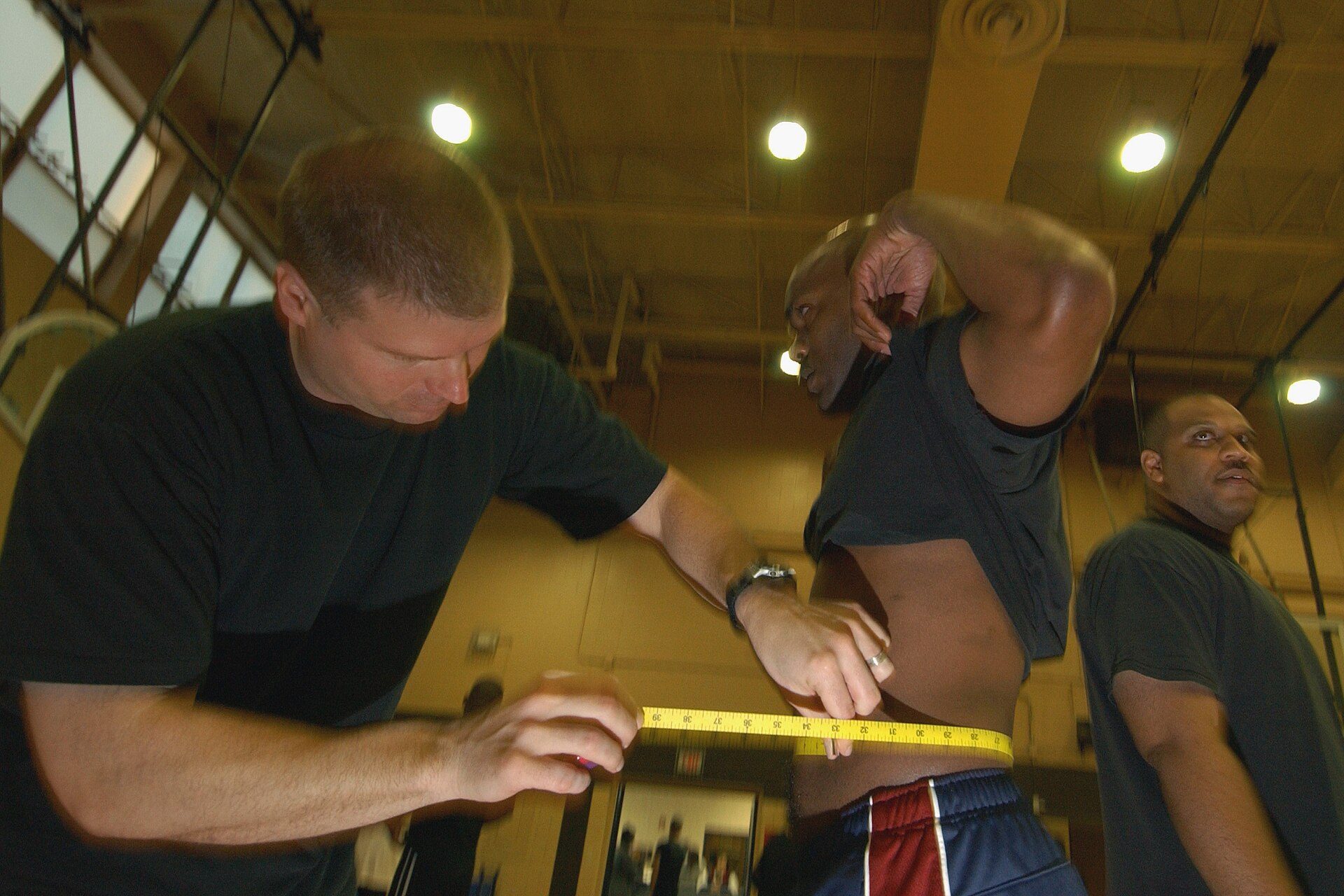
Photo: Department of Defense. American Forces Information Service. Defense Visual Information Center. 1994 / Wikimedia Commons, Public domain
Screening clients before coaching
Screening is compulsory before the first session. The aim is not to turn clients away but to know whom you can help safely and who needs a health professional first.
The 10-question screening form
- Year of birth (under 18 needs a parent and a paediatric specialist).
- Are you pregnant, planning a pregnancy or breastfeeding?
- Has a doctor diagnosed a chronic condition (diabetes, kidney, liver or heart disease, high blood pressure, thyroid disease, gout)?
- Do you take any medication daily? Which?
- Do you have any food allergies? Have you ever had breathing trouble or swollen lips after eating something?
- Have you lost or gained a lot of weight in the past 3 months without a clear reason?
- Have you ever fasted for long periods, eaten a lot then made yourself vomit, or used laxatives or diuretics to lose weight?
- Do you often feel dizzy, faint, or have chest pain or breathlessness on exertion?
- Have you recently had surgery or are you being treated for any illness?
- What is your goal, and over what time frame?
Any "yes" to questions 2 to 9 means stop: no meal plan yet, refer the client to a health professional. The detailed list of groups to refer and the warning signs that need urgent care is in how to calculate calories for weight loss: BMR, TDEE, safe deficit. If you work in a gym, use this form alongside the trainer's exercise screening; see pre-exercise health screening for gym clients.
How to talk about a referral
Clients are often disappointed to hear "I can't take you on". Speak in 3 steps: acknowledge ("Thank you for telling me about your kidney condition"), explain that it is for their safety ("a kidney diet has to be calculated from your test results, and that is a doctor's job"), and give a concrete next step ("you can book at the hospital's nutrition department; once you have their guidance, I can help you keep a diary and cook suitable dishes"). Record the referral in the client's file.
When a client needs to see a doctor
- Rapid unexplained weight loss, lasting exhaustion, unusual thirst and frequent urination.
- Dizziness, fainting, an unusually fast heartbeat, missed periods for several months.
- Abdominal pain, vomiting, lasting diarrhoea, black stools.
- Breathing difficulty, swollen lips, hives all over the body after eating: call 115 (Vietnam's ambulance number) at once.
Ethics in nutrition coaching
Clients come to you because they trust you. The six principles below protect that trust.
Six principles
- Confidentiality: health information, weight and before-and-after photos are private. Do not post them on social media without written consent, and blur faces if the client wishes.
- Honesty about evidence: say clearly what is backed by research and what is only experience; never invent "studies show".
- No promised results: no promises of a number of kilos in a short time, no "money back if you don't lose weight".
- Transparent interests: if you earn commission on products, tell the client; never make buying a product a condition of coaching.
- Respect: no body shaming, never call a client "fat" or "lazy"; respect their eating habits, religion and budget.
- Know your limits: never criticise doctors or tell clients to abandon treatment; when you do not know, say "I don't know, I'll find out" or refer.
Respecting the Vietnamese meal
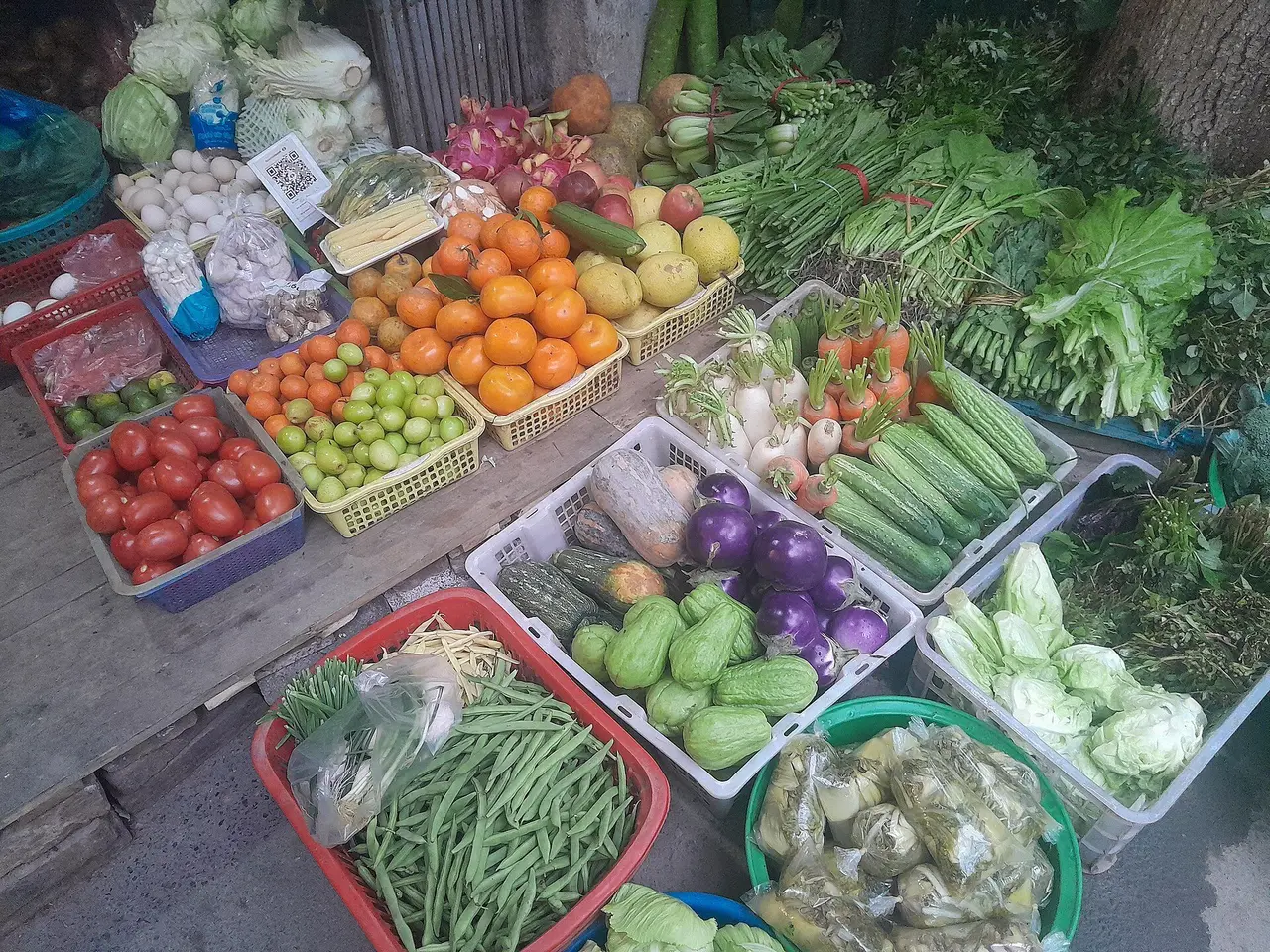
Good advice starts from the client's market and family meal: greens, fish, tofu, meat and rice (Figure 3). Telling a client to drop rice and eat only imported salads is expensive and hard to sustain. A good coach adjusts the proportions within the familiar meal.
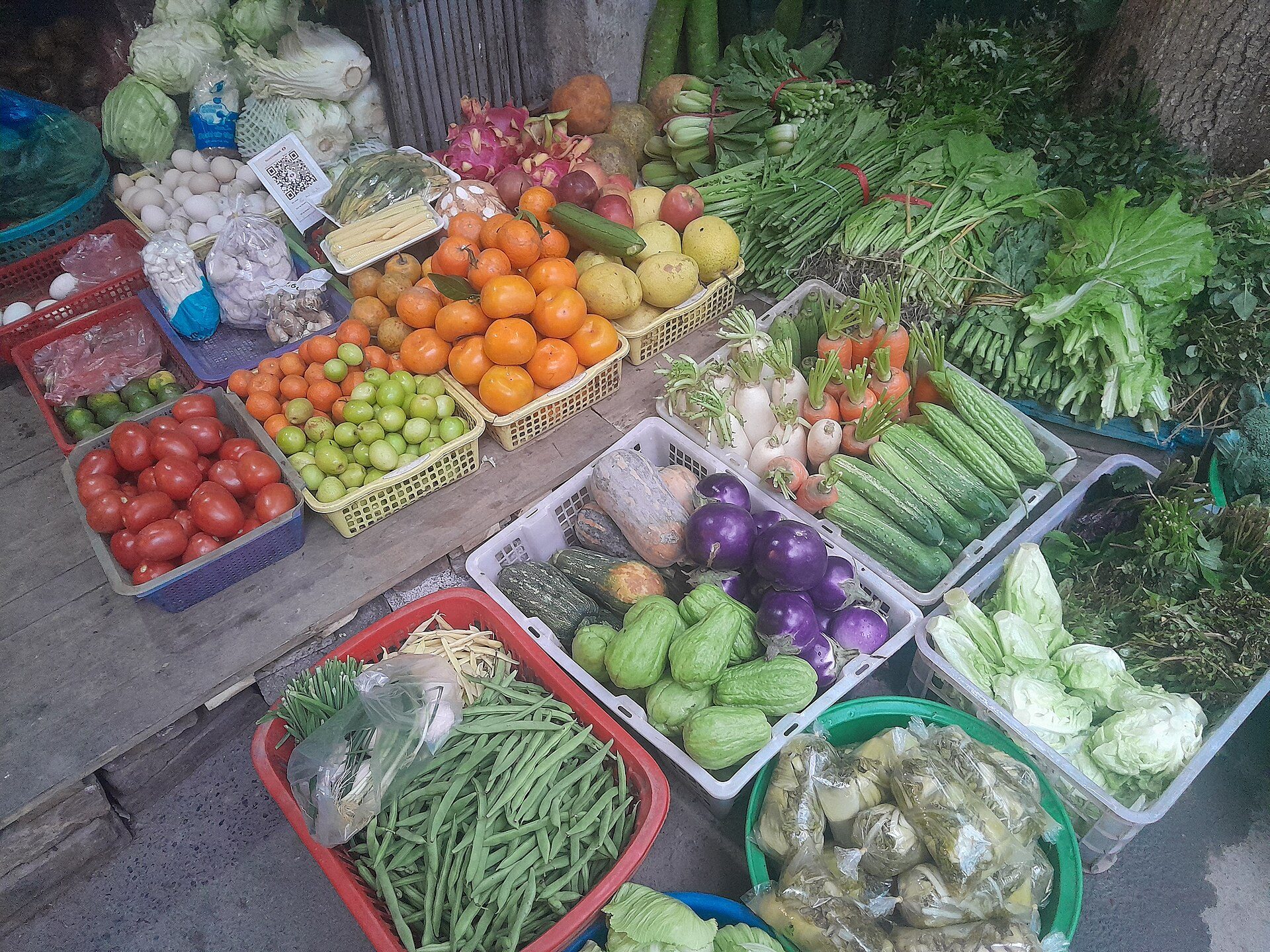
Photo: Huy Vinh 299G / Wikimedia Commons, CC BY-SA 4.0
Recognising signs of disordered eating
A client with an intense fear of weight gain, weighing themselves many times a day, eating very little then bingeing, self-induced vomiting or laxative misuse needs a psychologist and a doctor. Do not give these clients a weight-loss plan, even if they ask. Detailed recognition skills come in the habit coaching step.
Supplements: selling and recommending responsibly
Many coaches work in supplement shops or earn commission on products. This is where both ethical and legal violations happen most easily (Figure 4).

Photo: Ragesoss / Wikimedia Commons, CC BY-SA 3.0
Never present them as medicine
In Vietnam, advertising for health supplements must carry a statement that the product is not a medicine and does not replace medicines for treating disease. When coaching, keep to that spirit: never use words like "cure", "treat", "special treatment" or "heal", never compare products with medicine, and never suggest using a product instead of prescribed drugs. Registration and advertising procedures change over time; if you run your own business, check the current rules of the food safety authority.
Food before pills
Healthy people with a varied diet usually do not need many supplements. Only suggest one when there is a clear reason (for example a fully vegan diet), and advise the client to ask a doctor or pharmacist. High-dose vitamins and minerals taken for a long time can do harm, and many "rapid weight loss" products of unknown origin have been found to contain banned substances.
Food and drug interactions
For clients on medication, any major diet change and any supplement must be checked with a doctor or pharmacist first. A few well-known examples: vitamin K antagonist anticoagulants are affected by sudden changes in the amount of leafy greens; grapefruit juice interacts with some drugs. A coach does not need to know every interaction, only to remember to ask and refer.
Safety in sessions and meal plans
Food allergies
Always ask about allergies before suggesting dishes. Peanuts, eggs, milk (Figure 5), shellfish and fish are common allergens. An allergic client's menu must exclude the food entirely, including dishes that may contain traces. A client with breathing difficulty, swollen lips or tongue, or hives all over after eating is an emergency: call 115 at once.

Photo: NIAID / Wikimedia Commons, CC BY 2.0
Food safety in meal suggestions
When suggesting weekly meal prep, include storage advice: portion into boxes, refrigerate and reheat thoroughly. Raw dishes, salads and juices left standing carry a risk of bacterial contamination, so take extra care with older clients.
Safety note: A nutrition coach does not replace a doctor. Do not advise diets for people with chronic disease, pregnancy, breastfeeding, under 18, or signs of disordered eating without a doctor or clinical dietitian supervising. Never advise prolonged fasting, never advise stopping or reducing medication, and never sell products as medicine. If a client faints, has chest pain, breathing difficulty or swollen lips after eating, call 115.
Worked example: the first screening week at a gym
Scenario: you have just started as a nutrition coach at a gym in a central city district. In the first week 12 members sign up for coaching, and each fills in the 10-question screening form.
Screening results
| Group | Clients | Reason | Action |
|---|---|---|---|
| Accepted for coaching | 8 | Healthy adults, no long-term medication | Book the first session |
| Referred to doctor / clinical dietitian | 3 | 1 with diabetes on medication, 1 five months pregnant, 1 who lost 6 kg in a month without a clear reason | Referral conversation, recorded in the file |
| Needs a parent and paediatric specialist | 1 | A 16-year-old student wanting to lose weight | Contact the parent, no weight-loss plan |
| Total | 12 |
Check: 8 + 3 + 1 = 12 clients. Screening time: 12 clients × 15 minutes = 180 minutes, or 3 hours in the week.
Income from accepted clients (2026 reference, varies by region)
Suppose a one-month coaching package costs 1,500,000 VND (about 59 USD) and 8 clients sign up: 8 × 1,500,000 = 12,000,000 VND of package revenue for the month, before any split with the gym. Taking on the 4 clients who should have been referred would add 4 × 1,500,000 = 6,000,000 VND, but at the price of health risks for the clients and legal risk for you. Clients referred at the right time often come back once they have their doctor's guidance, and recommend friends.
Common mistakes of new coaches
Skipping screening because the client "looks healthy"
Sign: a meal plan in the first session. Result: you do not know the client takes blood pressure medication or is pregnant. Fix: no screening form, no meal plan.
Reading test results for the client
Sign: the client hands over blood results and you explain "with cholesterol this high you must avoid...". Fix: advise the client to ask the doctor who ordered the tests; you only help them follow the diet the doctor sets.
Using medical words to sell products
Sign: "this clears fatty liver", "cures constipation for good". Fix: state only the uses on the label, with "this is not a medicine".
Posting before-and-after photos without permission
Sign: a client's photo on your fan page and a complaint. Fix: a written consent form stating where photos will be posted and whether faces are hidden.
Frequently asked questions
What is nutrition coaching?
It is guiding healthy people to eat a balanced diet suited to goals such as maintaining weight, losing fat or building muscle, through menus and sustainable habits; it does not include diagnosing or treating disease.
Can a nutrition coach advise people with diabetes?
Not on their own. People with diabetes need a doctor or clinical dietitian to design a diet that matches their medication. A coach only helps them follow it, with medical guidance and in coordination with those professionals.
Do you need qualifications to be a nutrition coach?
Coaching healthy people on eating usually does not require a medical licence, but employers often ask for a nutrition course certificate. Anything resembling medical examination or treatment requires qualifications and a licence under current law.
Can a nutrition coach sell supplements?
You may sell legal products if your workplace allows, but you must state only the uses on the label, make clear the product is not a medicine and does not replace treatment, and be open about any commission.
Checklist and self-assessment
Checklist before your first client
- The 10-question screening form, printed or on your phone.
- A list of referral options: the hospital nutrition department and the nearest clinics.
- The 3 steps of a referral conversation learned by heart.
- A consent form for using photos and information.
- The 115 number and what to do if a client has breathing difficulty or faints.
Practice tasks
- Screen 3 acquaintances with the form and sort them into the 3 groups as in the example.
- Rewrite 3 common wrong sentences heard in supplement shops into correct ones.
- Role-play with a friend: refer a pregnant "client" to a doctor using the 3 steps.
Self-assessment criteria
- Pass: correct grouping, with the totals of the 3 groups matching the number of forms.
- Pass: the rewritten sentences no longer contain "cure", "treat" or "replace medicine".
- Pass: the role-play covers all 3 steps: acknowledge, explain, concrete next step.
- Not yet: making a meal plan for someone who answered "yes" to questions 2–9.
With the scope of practice clear, move on to the next step of the roadmap: Protein, fat, carbs, micronutrients & water, where you learn the role of each nutrient group, familiar Vietnamese food sources and common myths such as cutting out carbs completely.
Keep learning nutrition coaching: after scope of practice come nutrients, reading food labels, energy needs, budget Vietnamese meal plans and habit coaching. See the 8-step nutrition coach roadmap.