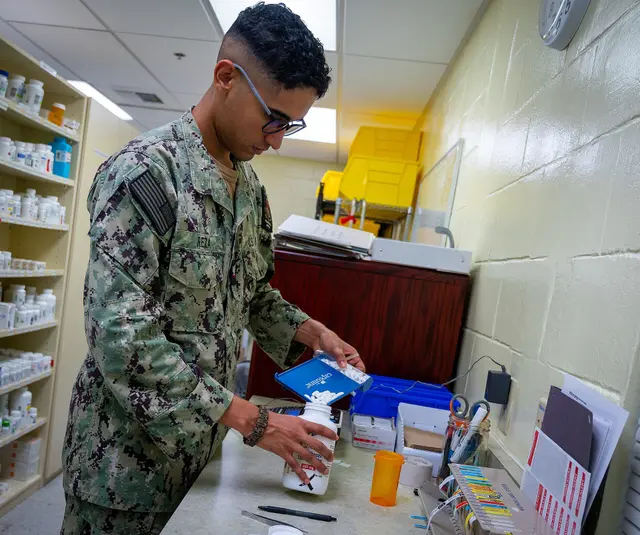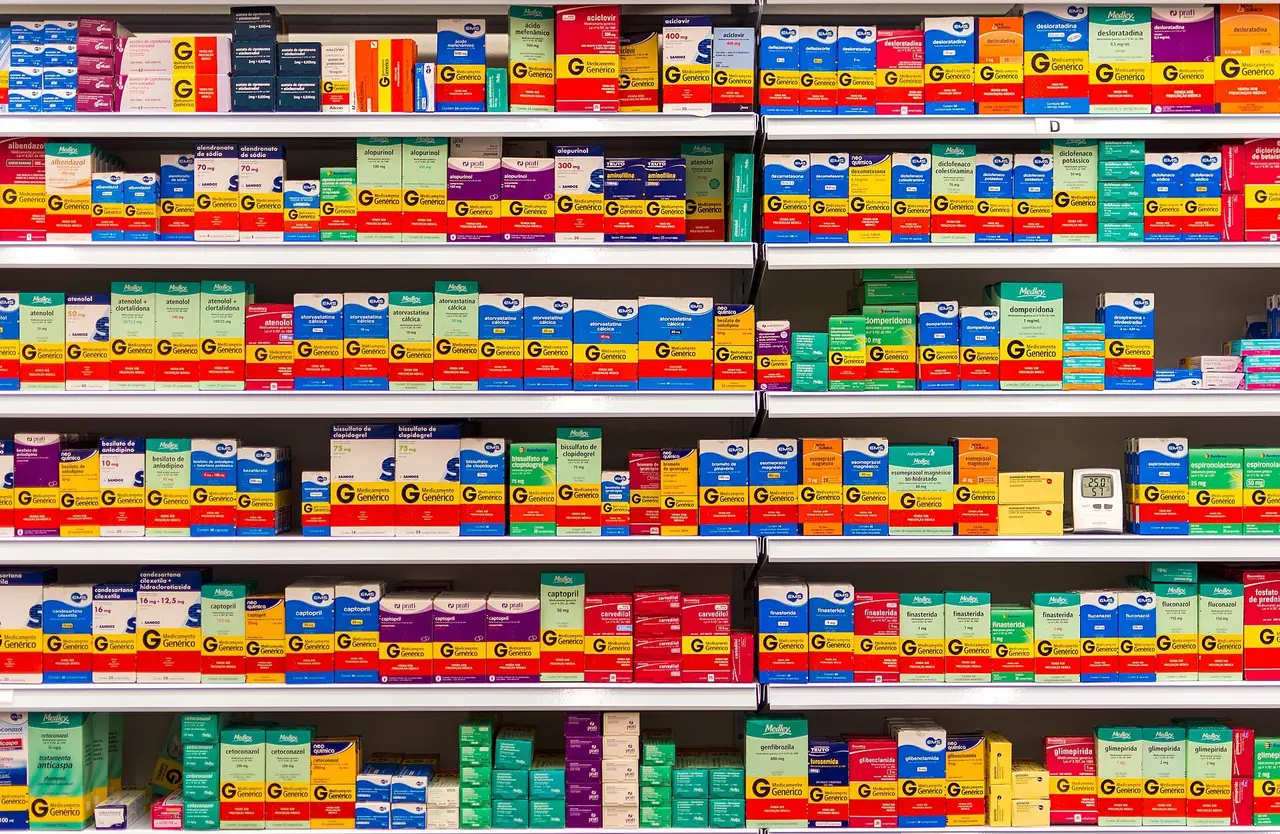
A brand name is the trade name a manufacturer gives its product, while the active ingredient is the substance inside that actually treats the condition; one active ingredient can be sold under dozens of brand names and in many dosage forms. New counter staff often pick the wrong item because two boxes have different names but the same ingredient, or the same name but a different strength. This lesson teaches you to read a medicine box properly, sort stock into the right group, understand dosage forms, read the package leaflet and notice counterfeit or untraceable goods so you can report them to the pharmacist.
By the end of this lesson, you will be able to:
- Point out on a medicine box the brand name, active ingredient, strength, dosage form, registration number, batch number and expiry date.
- Sort 40 items into 4 groups (prescription drugs, OTC drugs, supplements, medical devices) with totals that add up.
- Tell apart at least 10 common dosage forms and what to watch for when picking and shelving them.
- Find the right section of a package leaflet when the pharmacist asks you to look something up.
- Check 8 warning signs of counterfeit or untraceable goods and know who to tell and what to record.
Learning to work in a pharmacy? This is step 2 of the roadmap, after legal limits and medicine safety and before storage and expiry control. See the pharmacy assistant roadmap to learn in the right order.
Brand name vs active ingredient: the three most important lines on the box
In the lesson what is a prescription drug, you learned to look for the "Rx" symbol. This step reads the whole box, starting with three lines: brand name, active ingredient and strength.
Brand name (trade name)
The brand name is printed largest on the box, sometimes with the ® symbol (registered trademark); it is the name customers remember and ask for. On the box, a smaller line under the trade name gives the active ingredient and its concentration. An originator brand comes from the company that discovered the ingredient; a generic is the same ingredient made by another company after patent protection ends.
Active ingredient (international non-proprietary name)
The active ingredient is the substance that produces the medicine's effect. It is usually written using its international non-proprietary name (INN), such as paracetamol, amoxicillin or loratadine. This name is the same whichever company makes the product, so pharmacists usually talk about medicines by ingredient. On the box it appears under the brand name or in the "composition" section ("each tablet contains").
Strength, concentration and units
Strength tells you how much active ingredient is in one unit: mg per tablet, mg per 5 ml of syrup, percent in a tube of cream. The same brand may come in 2–3 strengths with almost identical boxes, differing only in the number, and this is where newcomers make the most mistakes. The rule: read the name, ingredient and strength out loud when you pick an item, let the pharmacist check it before it goes to the customer, and never swap to another strength yourself.
Combination products and duplicate ingredients
Many cold and pain products are combinations: one tablet holds 2–3 active ingredients. The risk is that a customer buys two products with different names that contain the same ingredient and takes them together, which can lead to an overdose. Your job is not to work out doses; it is to notice when a basket holds two products with the same ingredient and tell the pharmacist straight away.
The four product groups in a pharmacy and how to recognise them
A typical pharmacy in Vietnam sells at least four groups: prescription drugs, over-the-counter (OTC) drugs, supplements (the tablets and ampoules on pharmacy shelves are usually classed as "health protection foods") and medical devices. Each group is displayed differently and a different person decides on the sale.
Prescription and OTC drugs
Prescription drugs are sold only when the customer has a valid prescription, and the pharmacist decides. OTC drugs need no prescription but still need guidance from someone with pharmacy training. Pharmacies usually keep prescription drugs in a separate, clearly signed area; the exact layout is decided by the pharmacist in charge under Good Pharmacy Practice (GPP) standards. If you find an "Rx" box mixed into the self-service area, do not move it yourself; tell the pharmacist.
Supplements
Supplements are not medicines. Labels and adverts for health protection foods in Vietnam usually carry a sentence meaning "This food is not a medicine and does not replace medicines for treating disease". These products have a product declaration number rather than a drug registration number. If a customer asks "will this cure me?", call the pharmacist; never say a supplement "cures" anything.
Medical devices
Medical devices in a pharmacy include blood pressure monitors, thermometers, glucose meters, face masks, dressings and pregnancy tests (Figure 1). Assistants may be asked to show how to use a device according to the maker's manual, but they do not comment on readings; an unusual result means calling the pharmacist and advising the customer to see a doctor.
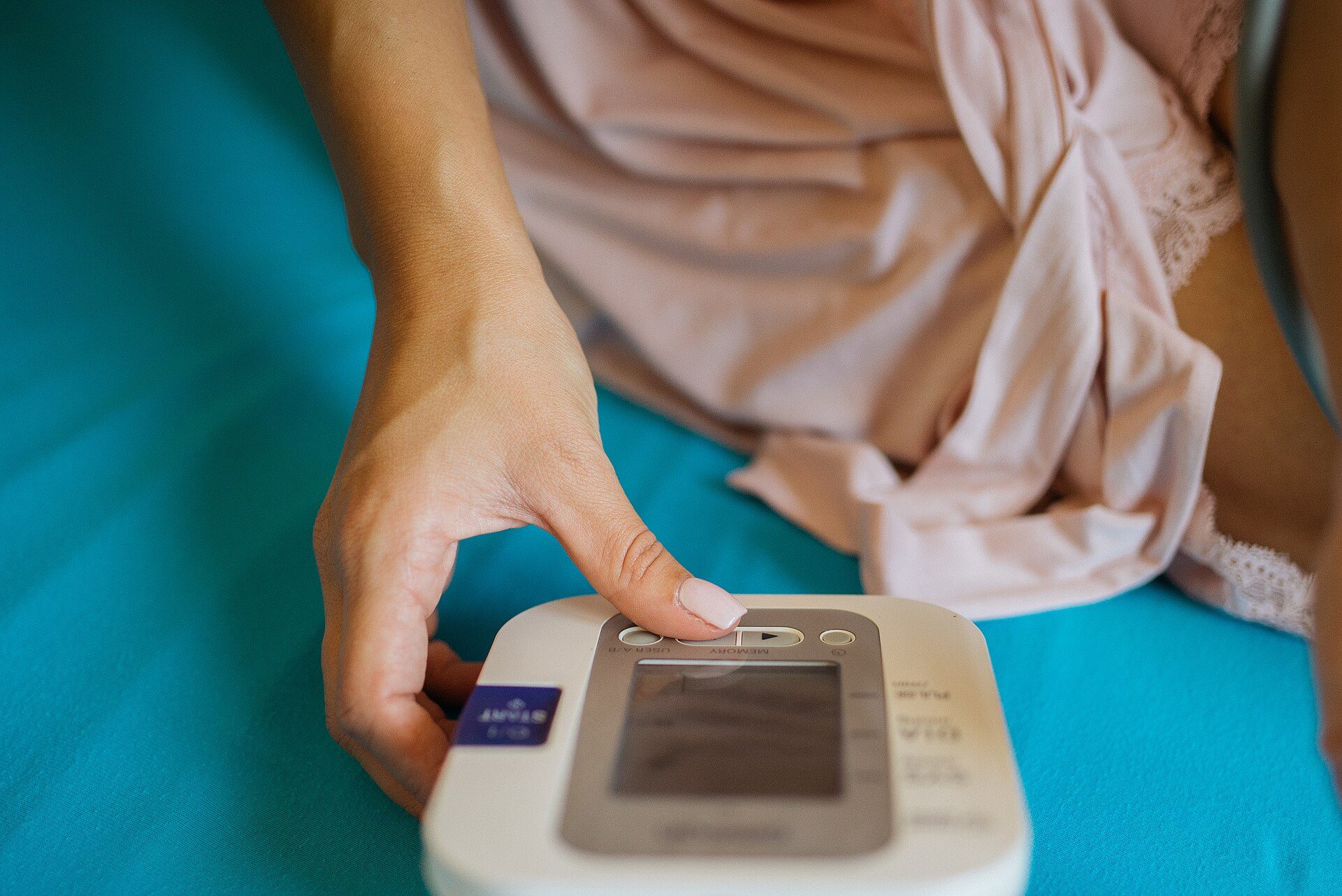
Photo: Shixart1985 / Wikimedia Commons, CC BY 2.0
Quick grouping table
| Group | Signs on the packaging | Who decides on sale and advice | The assistant's job |
|---|---|---|---|
| Prescription drugs | "Rx" and a line meaning "prescription drug", drug registration number | Pharmacist, only with a valid prescription | Take the prescription, call the pharmacist, pick as instructed |
| OTC drugs | No "Rx", drug registration number | Staff with pharmacy training as assigned | Pick items and take payment as assigned, no advice of your own |
| Supplements | "Not a medicine" sentence, product declaration number | As assigned by the pharmacist | Display, never claim the product treats disease |
| Medical devices | Device name, maker, user manual | As assigned; unusual readings go to the pharmacist | Show how to use it following the maker's manual |
Labelling rules for each group can change; the pharmacist checks the current Ministry of Health regulations when needed.
Dosage forms: same ingredient, different tablet, syrup or ointment
A dosage form is the way the active ingredient is delivered: tablet, syrup, ointment, eye drops, suppository. One ingredient may come as a plain tablet, an effervescent tablet, a sachet of powder and a syrup; the right ingredient in the wrong form is still the wrong item.
Solid forms taken by mouth
Tablets are pressed solids, some film-coated or sugar-coated to mask taste. A score line does not mean the tablet may be split; split only when the pharmacist says so. Effervescent tablets dissolve in water and are very sensitive to moisture. Hard capsules have two halves fitted together and contain powder; soft capsules have a one-piece flexible shell filled with oil or liquid (Figure 2). Tablets marked SR, XR, ER, MR or "extended release" release the drug slowly and usually must not be chewed or crushed; if a customer asks, call the pharmacist.
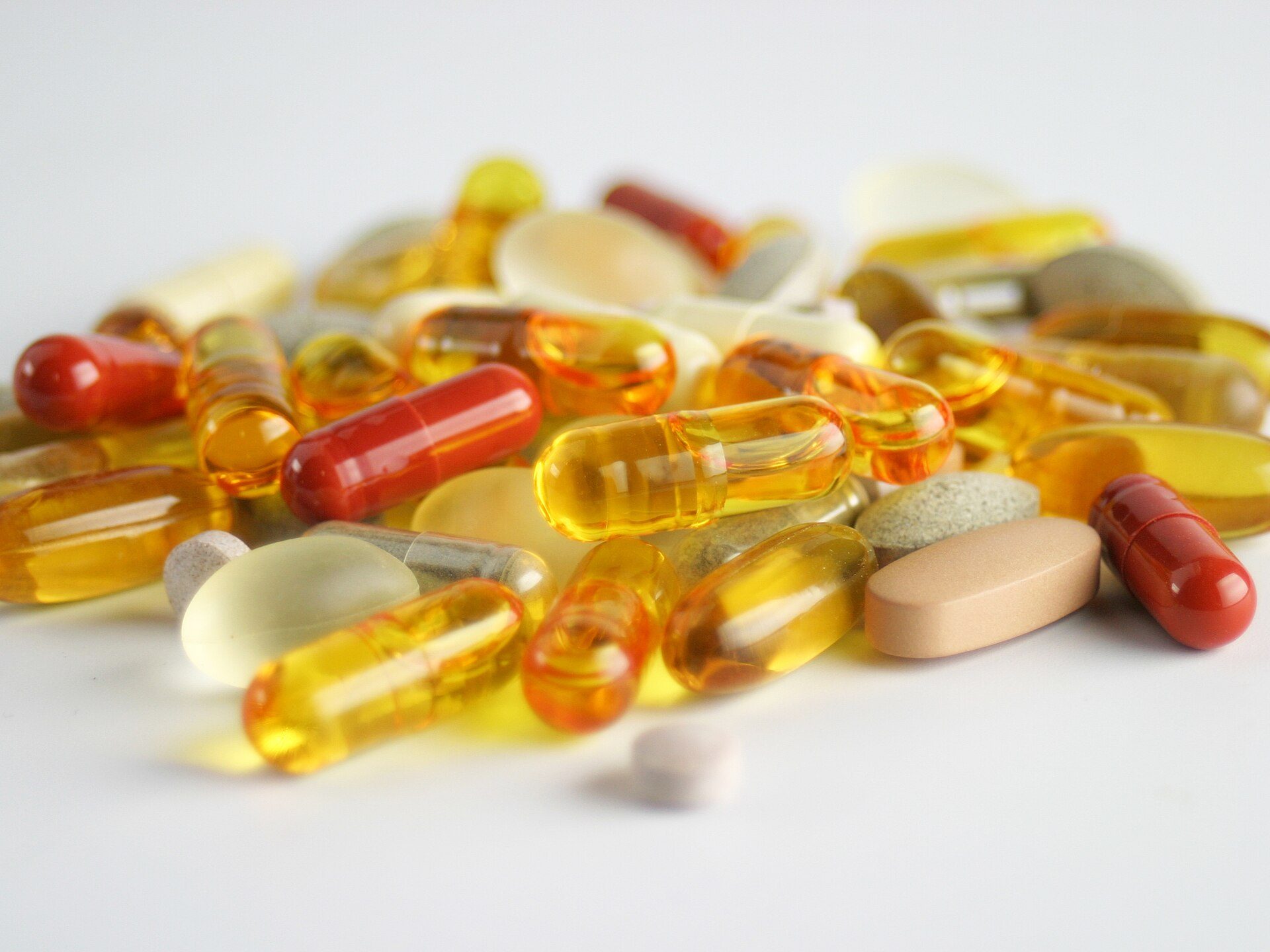
Photo: Root66 / Wikimedia Commons, CC BY-SA 3.0
Liquid and topical forms
Syrup is a sweet solution, often used for children. In a suspension the ingredient floats in the liquid and settles over time, so the label says "shake well before use". Creams, ointments and gels go on the skin; eye ointment is a separate product and must not be swapped with a skin cream. Eye and nose drops state the route clearly, and many have a short shelf life after opening, given in the leaflet. Suppositories soften in heat; injections are usually prescription drugs, sold only on prescription and on the pharmacist's decision.
Dosage form table and what to watch when picking
| Dosage form | Words often on the box | What the assistant watches for |
|---|---|---|
| Tablet, film-coated tablet | Tablet, film-coated tablet | Count strips correctly, do not cut strips unless assigned |
| Effervescent tablet | Effervescent | Check the tube cap is tight |
| Hard and soft capsules | Capsule, soft capsule | Soft capsules stick together in heat; check strips for dents |
| Extended release | SR, XR, ER, MR, extended release | Do not confuse with the standard version of the same name; splitting or crushing questions go to the pharmacist |
| Syrup, solution | Syrup, solution | Check the seal, include the measuring cup if the box has one |
| Suspension, powder for suspension | Suspension | Point to the "shake well" line as the pharmacist instructs |
| Cream, ointment, gel | Cream, ointment, gel | Separate eye ointments from skin products |
| Eye, nose and ear drops | Eye drops, nasal drops | Read the route printed on the label |
| Suppository | Suppository | Tell the pharmacist if heat has deformed them |
| Spray, inhaler | Spray, inhaler | Do not teach inhaler technique yourself; call the pharmacist |
Storage conditions for each form are covered in detail in the next step.
Reading the package leaflet in the right order
The package leaflet is the folded sheet inside the box (Figure 3 shows an example). The print is small and long, but you only need to know where each section sits so you can look things up quickly when the pharmacist asks.
Main sections of the leaflet
- Name, composition, strength: must match the box.
- Dosage form and pack size: for example, a box of 10 strips x 10 tablets.
- Indications: what the medicine is used for.
- Dosage and administration: for doctors and pharmacists to advise from; assistants never read doses out to customers.
- Contraindications: when it must not be used.
- Precautions, interactions, pregnancy and breastfeeding.
- Side effects.
- Overdose and what to do.
- Storage, shelf life, manufacturer's name and address.
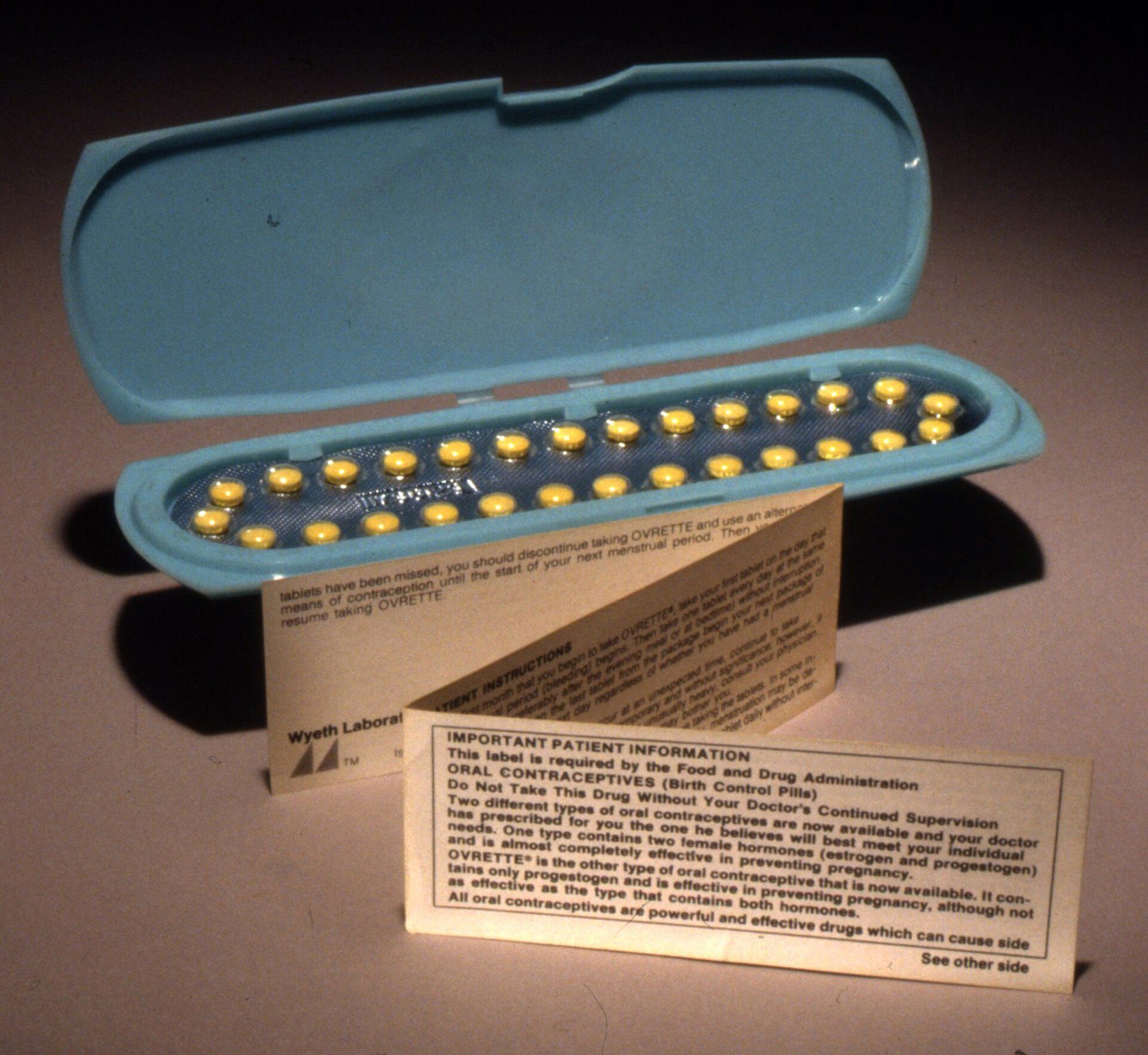
Photo: The U.S. Food and Drug Administration / Wikimedia Commons, Public domain
Which sections you use and which the pharmacist uses
Day to day you use sections 1, 2 and 9: matching name, strength and pack size when shelving and checking stock, and reading storage conditions. Indications, dosage, contraindications and interactions are what the pharmacist uses to advise. When the pharmacist asks you to look up a section, open the right one and read it word for word without interpreting.
When a customer asks about the leaflet
A customer may hold out the leaflet and ask "how many do I take?" or "is it safe in pregnancy?". You always call the pharmacist: "The pharmacist will answer that properly for you, I'll get them now." Never read out the dose for the customer to follow, because the right dose depends on age, weight, condition and other medicines.
Spotting counterfeit and untraceable goods
A fake can look almost identical to the real product (Figure 4). Assistants handle every box every day, so they are often the first to notice something odd. You do not decide whether an item is genuine; you spot the signs, set it aside and tell the pharmacist.
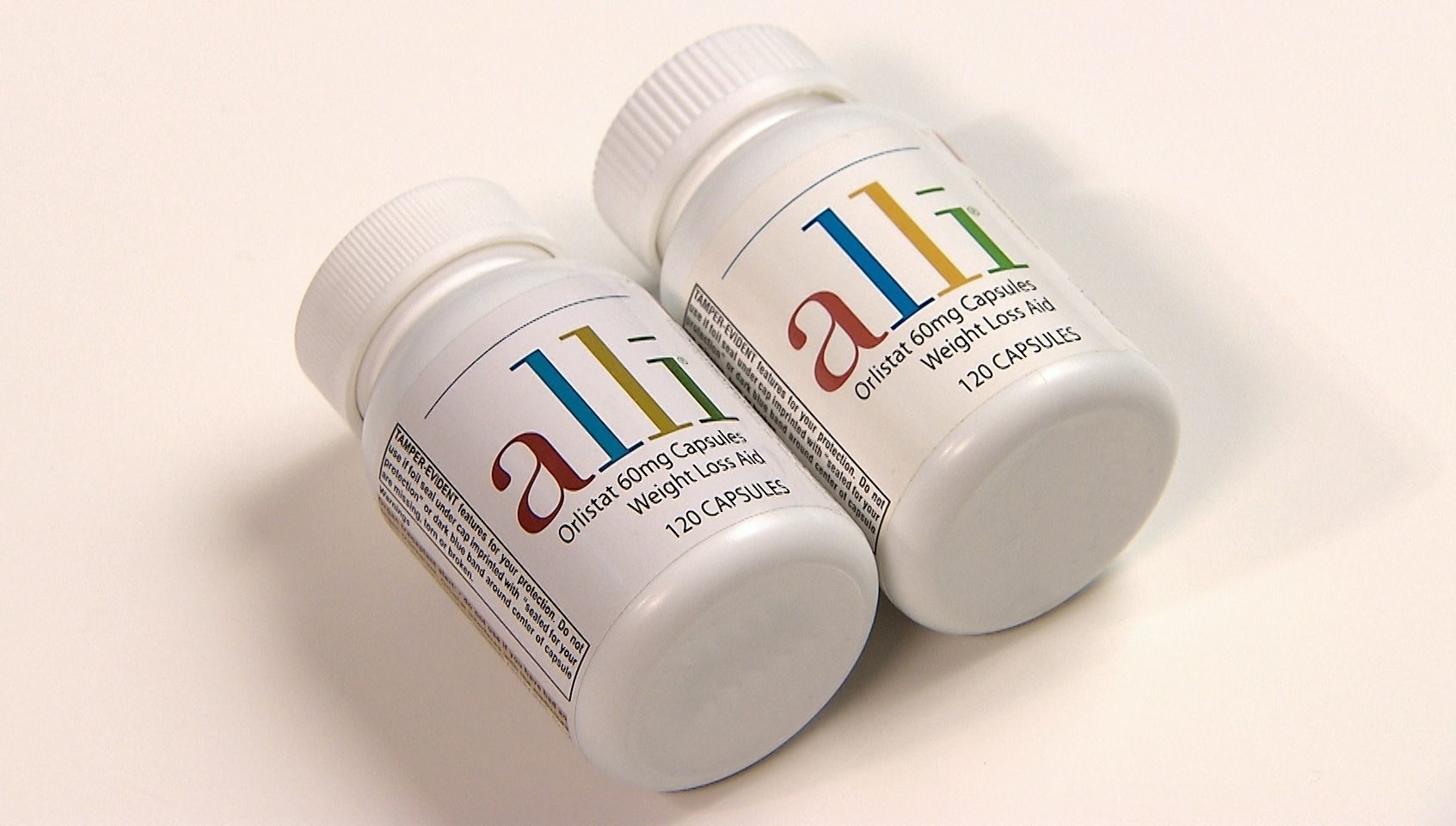
Photo: The U.S. Food and Drug Administration / Wikimedia Commons, Public domain
Check the packaging and label
- Blurred or smudged print, spelling mistakes, colours that differ from the same product already on the shelf.
- Missing registration number, batch number, manufacturing date or expiry date, or a batch number on the box that differs from the one on the strip.
- Imported medicines sold in Vietnam must carry label information in Vietnamese (usually a sticker label); a box without it may not have come through official channels.
- A torn or re-stuck seal; the maker's anti-counterfeit sticker (if any) missing, or its code returning no information when scanned.
Check the contents when there is a reason
- Dented strips, tablets of a different colour, size or imprint from the batch you know.
- Cloudy syrup, strange sediment, a cap that is no longer sealed.
- Do not open a sealed box "to have a look": tell the pharmacist, who decides whether to inspect it.
Check the source and price
- Goods with no invoice or paperwork, or a stranger offering "hand-carried" or "clearance" stock at an unusually low price.
- A price far below the usual purchase price from the main supplier.
Drug registration numbers can be looked up in the database of the Drug Administration of Vietnam (Ministry of Health); the pharmacist does the lookup and draws the conclusion.
Safety warning: Never taste, sniff, break open or dissolve a suspicious medicine. Do not sell it, hand it back to the seller or throw it away before the pharmacist decides: it is evidence. If an unknown medicine is broken or spilled, wear gloves to collect it and tell the pharmacist at once. This lesson does not replace a pharmacist's or doctor's advice; decisions on selling and advising on medicines belong to the pharmacist in charge.
What to do with a suspicious item
- Stop selling it immediately and take every box with the same batch number off the shelf.
- Move them to the quarantine area labelled "Awaiting check, do not sell".
- Record brand name, ingredient, strength, batch number, expiry date, quantity, supplier, the warning sign, date and time, and who found it.
- Photograph the box, the sticker label and the strip (if the pharmacist allows).
- Report to the pharmacist in charge, who decides whether to contact the supplier or the authorities.
Worked example: sorting 40 items in a display area
The pharmacist asks you to review the display near the till, where stock has been mixed up: record each product's group, ingredient and dosage form, and flag anything the pharmacist needs to see. The figures are made up for practice.
Step 1: count and group
| Group | Items | Notes |
|---|---|---|
| OTC drugs | 14 | 3 products contain paracetamol |
| Prescription drugs | 9 | Marked "Rx", sitting in the self-service area; pharmacist to decide placement |
| Supplements | 11 | 1 imported box with no Vietnamese label |
| Medical devices | 6 | Thermometers, masks, test strips |
| Total | 40 | 14 + 9 + 11 + 6 = 40 |
Step 2: flag items for the pharmacist
- 9 prescription items in the self-service area: do not move them yourself; ask the pharmacist to return them to the prescription area.
- 3 OTC products sharing paracetamol, with different brand names and forms (tablet, effervescent tablet, powder sachet): suggest a "same ingredient" shelf reminder.
- 1 supplement box without a Vietnamese label, plus 1 more of the same batch in the stockroom: quarantine both and record them.
Total flagged for the pharmacist: 9 + 3 + 1 = 13 items (the 2 suspicious boxes count as 1 item).
Step 3: quarantine value and time
At an assumed cost of 85,000 VND per box (about 3.3 USD), the quarantined stock is worth 2 × 85,000 = 170,000 VND. Time: checking 40 items at an average of 1.5 minutes each is 40 × 1.5 = 60 minutes; recording and reporting take 15 minutes; total 60 + 15 = 75 minutes.
Your limits and when to advise seeing a doctor
Knowing ingredients and dosage forms helps you pick the right item; it does not make you a medicine adviser. Pharmacy assistants without a pharmacy degree work under the supervision of the pharmacist in charge; details of roles by qualification are in what qualifications a pharmacy assistant needs.
Things you never do
Never swap a prescribed brand for another brand "with the same ingredient" (substitution is the pharmacist's decision), never sell a prescription drug without a prescription, and never read out a dose for a customer to follow.
Signs to call the pharmacist at once and advise seeing a doctor
- The customer is pregnant, breastfeeding, a young child, or an older person taking several medicines.
- They have taken a medicine and symptoms have not improved, have lasted several days or are getting worse.
- They report a rash, swelling or feeling unwell after using a product, or suspect it was fake.
Emergency signs such as difficulty breathing, swollen lips or tongue, chest pain, seizures, drowsiness or a child who swallowed medicine by accident: call 115 (Vietnam's ambulance number) and alert the pharmacist immediately.
Common beginner mistakes
Right name, wrong strength
Sign: the pharmacist hands the box back because the mg is wrong. Cause: looking only at the big name. Fix: read the name, strength and form out loud every time you pick.
Mixing up extended-release and standard versions
Sign: you miss the SR or XR on the box. Cause: two boxes with the same name and colour. Fix: shelve the two versions apart and read the whole name line.
Shelving supplements with medicines
Sign: customers think the product is a medicine. Cause: similar-looking boxes. Fix: look for the "not a medicine" sentence; if unsure, ask the pharmacist.
Frequently asked questions
What is a brand name and how is it different from the active ingredient?
The brand name is the trade name the company chooses, printed large on the box; the active ingredient is the substance that works, and its name is the same across companies.
Are generics worse than the originator brand?
A generic contains the same active ingredient as the originator and must be licensed by the regulator before it can be sold. Which one to choose or substitute is decided by the pharmacist or doctor.
How do I tell supplements from medicines on the shelf?
Medicines have a drug registration number; health protection foods have a product declaration number and usually carry the sentence saying they are not a medicine and do not replace treatment. If unsure, ask the pharmacist.
What is the fastest way to read a package leaflet?
Learn the order of the sections, from composition to storage. Assistants mainly look up composition, pack size and storage; the dosage section is for the pharmacist's advice.
If I suspect a fake, can I return it to the supplier myself?
No. Stop selling it, set it aside, record it and tell the pharmacist in charge. The pharmacist decides how to handle it and whether to report it to the authorities.
Practice and self-assessment
- Pick 10 boxes from the shelf and record for each: brand name, ingredient, strength, dosage form, registration number, batch number, expiry date. Have the pharmacist check.
- Find 2 products with different names but the same ingredient, and 2 with the same name but a different strength or form.
- Take a package leaflet and time yourself finding 3 sections: composition, storage, manufacturer.
- Redo the sorting example with: 50 items, of which 18 OTC, 12 prescription, 13 supplements and the rest medical devices; 3 suspicious boxes at 85,000 VND each.
Self-assessment criteria
- Pass: all 7 details correct for all 10 boxes, no strength mistakes.
- Pass: 3 leaflet sections found in under 2 minutes.
- Pass: the sorting exercise gives 7 medical devices (50 − 18 − 12 − 13 = 7) and a quarantine value of 3 × 85,000 = 255,000 VND.
- Not yet: swapping a brand for a customer, reading out a dose, or leaving a box without a Vietnamese label on the shelf without reporting it.
Once you can read a box and sort stock confidently, move on to the next step of the roadmap: Storage, shelving & expiry control, where you learn daily temperature and humidity logs, shelving by group and by first expired, first out, and monthly expiry checks.
Keep learning the pharmacy assistant path: after drug groups and dosage forms come storage, expiry, receiving stock in software, sales and customer care. See the pharmacy assistant roadmap.