The way to choose a content niche that works is to find where three things overlap: a topic you know and enjoy well enough to make 100 videos about, a real need of a specific group of viewers, and a clear path to earning money; then check whether the niche runs into platform rules, copyright or advertising law. Many beginners open a "sharing my life" channel or chase trends, post 30 videos nobody watches and give up, or grow fast and then get copyright strikes or fined for promoting products of unknown origin. This lesson is the first step of the roadmap: choose a niche, sketch your viewer and learn the rules before you film your first video.
By the end of this lesson, you will be able to:
- List 3 candidate niches and score them on 4 criteria (strengths, demand, enough ideas for 100 videos, a way to earn) to pick one.
- Write a one-page audience persona: who they are, what problem they have, when they watch, what they want after watching.
- Split the niche into 4 content pillars of 25 ideas each, enough for your first 100 videos.
- Use music, images and footage within copyright rules and avoid strikes, muted audio and takedowns.
- Label paid content correctly when you take sponsorships, and turn down products with legal risk.
Learning to be a content creator properly? Choosing a niche, the audience persona and the rules are step 1 of the 8-step roadmap, before ideas, hooks, phone filming and editing, and earning from sponsorships. See the content creator roadmap to learn in the right order.
What is a niche, and why does a new channel need a narrow one?
A niche is a topic narrow enough that viewers remember you as "the person who does that", yet broad enough that you will not run out of ideas after 20 videos. "Cooking" is a field; "office lunch boxes under 35,000 VND for people renting a room" is a niche.
Algorithms distribute by viewer groups
TikTok, YouTube Shorts and Facebook Reels test your video on a small group, then push it to people who behave like those who watched to the end, liked or shared. A channel that posts cooking one day, travel the next and phone reviews after that meets a different group with each video, and the platform cannot "understand" who the channel is for. With one niche, each new video benefits from the audience of the last.
Start narrow, widen later
A narrow niche gives a new channel a foothold. Once you have a stable community, you can move into neighbouring topics: from office lunch boxes to budget grocery shopping, then to kitchen tools for rented rooms. Do not widen before you have 30-50 videos in the niche and can read your numbers.
Niche and personality
Two channels in the same niche still differ in how they talk, how they frame shots and how honest they are. You do not need a niche nobody has done; you need an angle where you tell it better or more truthfully than others.
How to choose a content niche in 4 steps
Do not pick a niche on one evening's inspiration. Work through these 4 steps on paper or in Google Sheets; it takes about two sessions.
Step 1: list your strengths
Write down 10 things you know how to do, that people often ask you about, or that you are willing to keep learning for 6 months: your job, hobbies, your living situation (student renting a room, new mum, electrician and so on). Your living situation is an overlooked strength: people in the same situation trust you more than an expert.
Step 2: check for real demand
- Type the topic into the TikTok and YouTube search boxes and look at the autocomplete suggestions: those are the questions people really ask.
- Read the comments under 10 popular videos in the niche: what are viewers asking that nobody has answered?
- See whether small channels (under 10,000 followers) in the niche still get videos with hundreds of thousands of views. If so, there is room for newcomers.
Step 3: try writing 30 ideas
Sit down and write 30 video titles in one go. If it comes easily, that is a good sign; if you get stuck at idea 12, the niche is too narrow or you do not know it well enough yet. The real target is 100 videos, because a channel usually needs months of regular posting before its direction becomes clear.
Step 4: find a way to earn
Which brands want to reach your viewers? Are there suitable affiliate products? Could you sell your own service or course? A niche with no path to income can still be a hobby, but do not expect it to become a career.
| Criterion (1-5 points) | Question to score it | Scores 5 when |
|---|---|---|
| Strengths | How well do you know and enjoy the topic? | You do it every day and people often ask you |
| Demand | Do many people search for or ask about it? | Dense search suggestions, lots of questions in comments |
| Enough ideas for 100 videos | Is it easy to write 30 ideas? | 30 ideas in one session and you still want to keep going |
| Way to earn | Are there brands, affiliate programmes or your own product? | At least 2 legal ways to earn |
Sketch your audience persona
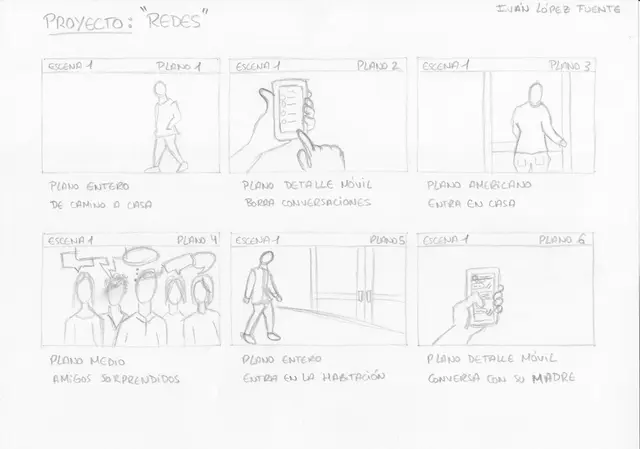
An audience persona describes one typical viewer, specific enough that you can picture where they are holding their phone and at what time (Figure 1). Making videos for "everyone" means making them for no one.
5 questions for writing a persona
- Who are they: age, job, where they live, rough income, situation (renting, young children and so on).
- What problem do they have: what annoys them, costs them money or wastes their time.
- What have they tried: why the old way is not working.
- When and where do they watch: lunch break, on the bus, before bed; with sound on or off.
- What do they want after watching: save it to follow later, share it with a friend, ask to buy, follow to see more.
Check the persona against real data
At first the persona is a hypothesis. After about 20 videos, open the platform's analytics (TikTok Analytics, YouTube Studio) to see the real age, gender, region and active hours of your viewers, then revise the persona. Reading the numbers in detail comes in the channel growth step.
Platform rules
Each platform has its own community guidelines and monetisation policies. Violations can mean a video is not recommended, is removed, the channel gets a strike or loses the right to earn. Read the policy pages of TikTok, YouTube and Facebook at least once, and again whenever the platform announces an update.
Content that is often restricted
- Dangerous acts: challenges likely to cause injury, using knives, fire or chemicals without warnings or safety measures.
- Health misinformation: advising people to stop medication, unproven home cures, crash diets.
- Children: filming children in sensitive situations, revealing a child's personal information.
- Misleading clickbait: titles or thumbnails that promise something the video does not contain.
Unoriginal content
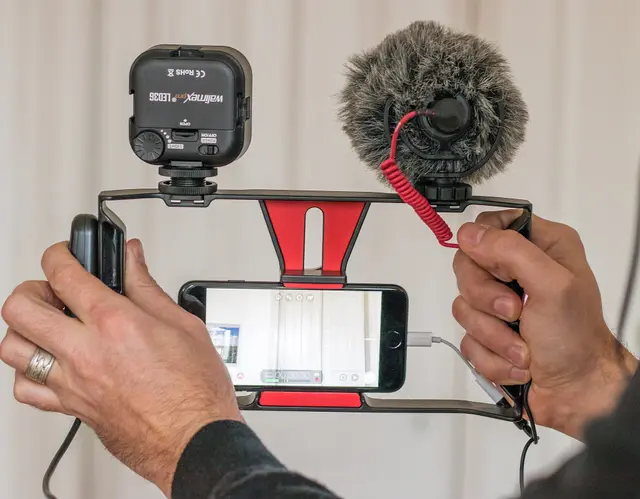
Stitching together other people's videos, reading out news articles in a robot voice or reposting chopped-up films is the kind of content platforms limit and usually do not allow to earn. Your content must contain a real contribution of your own: you film it yourself (Figure 2), speak, make and analyse it yourself.
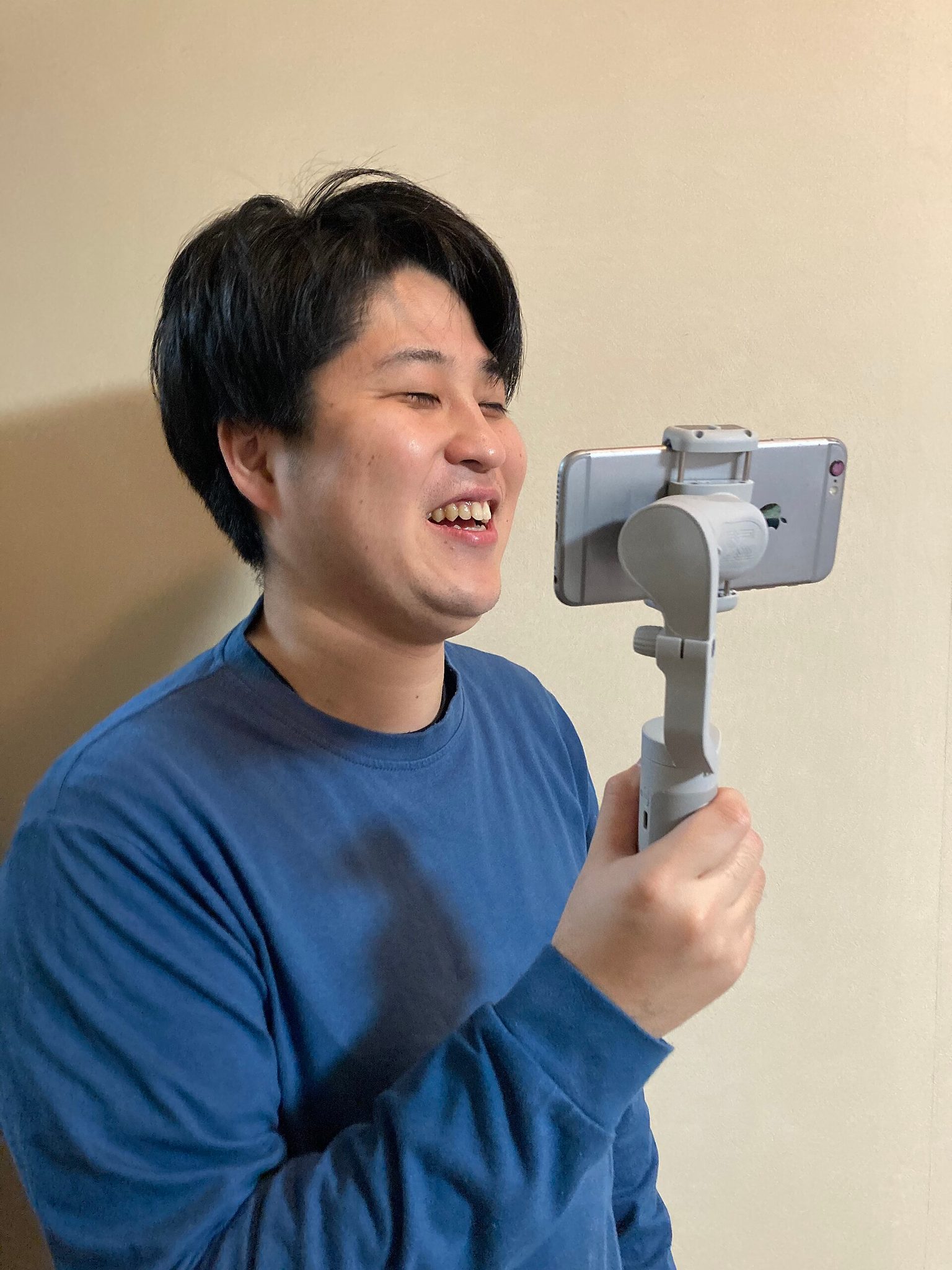
Photo: 8joKeaton / Wikimedia Commons, CC BY-SA 4.0
Accounts and personal information
Turn on 2-step verification for every social media account, and never give your password to strangers promising "more followers". Be careful when filming at home: number plates, your address and documents on the table can all be exposed.
Copyright for music, images and footage
"I found it online" does not mean it is free to use. Most music, photos and clips have an owner, and platforms run automatic copyright detection.
Music
Use the platform's built-in music library when posting on that platform. Business accounts, ads and sponsored videos are usually limited to the commercial music library, because trending tracks in the library are often not licensed for advertising. Downloading a song from elsewhere and adding it to a video is likely to get the audio muted, the video removed, or on YouTube the revenue claimed by the rights holder. Making your own background music, as in Figure 3, is even safer.

Photo: Shixart1985 / Wikimedia Commons, CC BY 2.0
Images and footage
Images from Google, images from other channels, TV clips and cinema films are not free to use. Use your own photos, stock libraries with a clear licence (crediting the author if the licence requires it), or get written permission. Vietnamese law allows some quotation without permission, but the exception is narrow; do not assume "a short clip is fine".
When you get a copyright claim
Read the notice carefully: is the claim about the music, the images or the whole video? If you really used it without permission, remove it or replace the music. If you hold the rights (you made it, you have a licence), file a response with evidence as the platform instructs. Never re-upload a removed video unchanged.
Label ads clearly and never advertise falsely
Once your channel has viewers, brands will come to you. This is where many new creators stumble: taking money for an ad but presenting it as a personal recommendation, or accepting products of unknown origin.
Turn on the paid content label
TikTok, YouTube and Facebook all have tools to mark sponsored or paid-partnership content when you post (a "branded content" toggle, a "paid promotion" box, a "paid partnership" label). Turn it on whenever you receive money, free products or commission. Say it in the video too: "this video is in partnership with...". Viewers trust you more, not less.
The responsibility of influencers
Vietnam's advertising rules have recently been amended to give influencers more responsibility when they advertise: checking the documents for the product and the advertiser, clearly separating advertising from other content, and facing penalties for false advertising. Read the regulations in force or ask a professional before signing your first contract.
Products to turn down
- Banned goods or goods that may not be advertised: tobacco, e-cigarettes, gambling, betting, weapons.
- Supplements, cosmetics and medicines where the brand cannot show product notification or advertising content approval.
- Investment platforms and crypto promising high returns, "easy work, high pay" offers.
- Products you have not used when the script asks you to say "I've used it for 3 months and it works".
Legal note: this lesson only sets out general principles and is not legal advice. Rules on advertising, copyright and tax for content creators change over time. Keep your contracts, the documents brands send and the approved version of the content; when in doubt, decline or ask a lawyer before posting.
Worked example: Lan, 24, picks a niche from 3 candidates
Lan works as an office administrator in Ho Chi Minh City, rents a room, and usually cooks on Sunday evening to take lunch to work all week. She is good at Excel and likes cosmetics. She has a phone, a cheap external microphone that mounts with the phone (Figure 4) and about 6 hours a week for the channel.
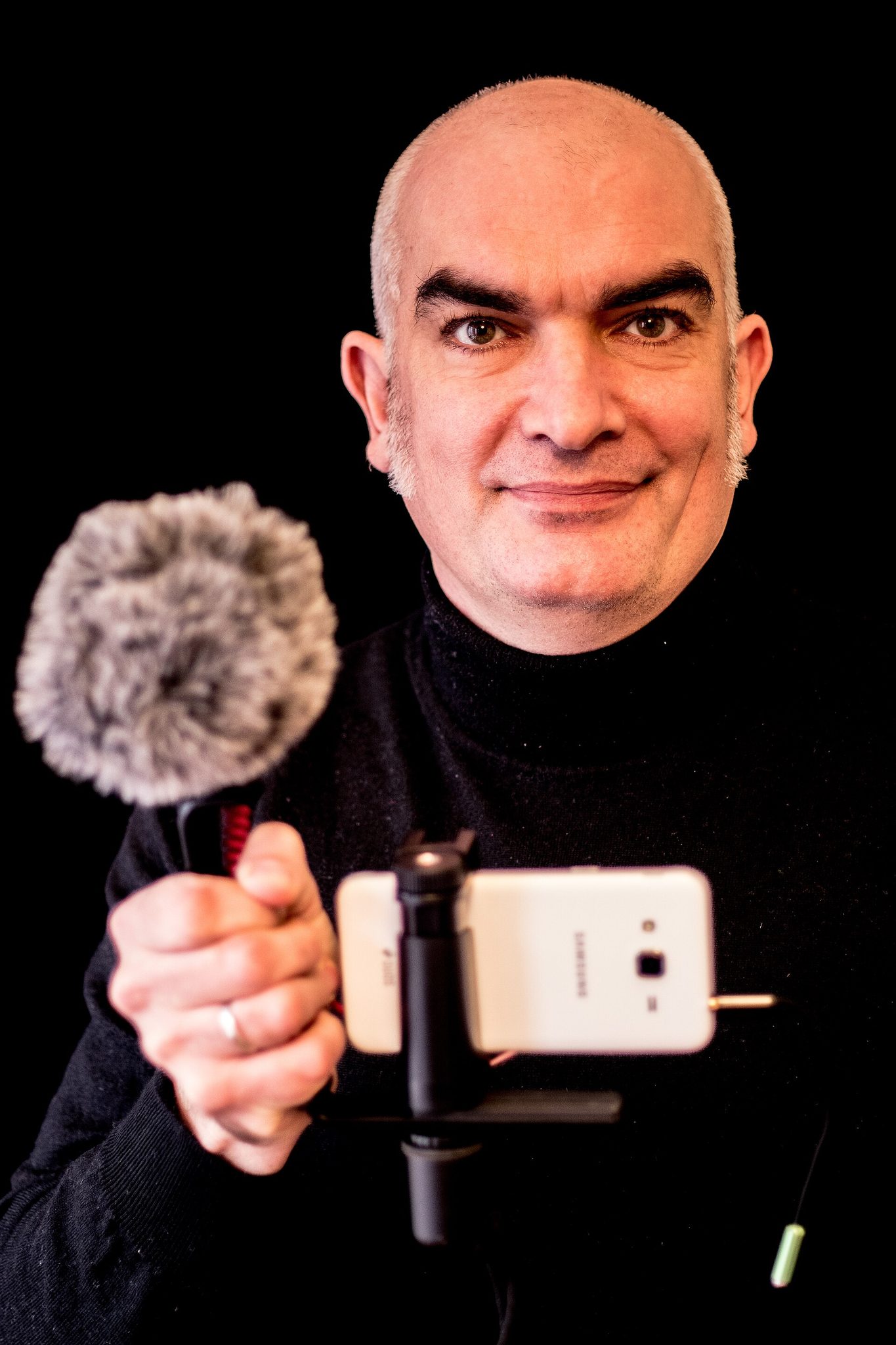
Photo: User:Matthias Süßen / Wikimedia Commons, CC BY-SA 4.0
Step 1: score the 3 niches
| Candidate niche | Strengths | Demand | Ideas for 100 videos | Earning | Total (max 20) |
|---|---|---|---|---|---|
| A. Budget office lunch boxes for people renting a room | 4 | 5 | 5 | 4 | 18 |
| B. Cosmetics reviews | 3 | 5 | 3 | 4 | 15 |
| C. Excel for office workers | 5 | 4 | 4 | 3 | 16 |
Check the totals: A = 4 + 5 + 5 + 4 = 18; B = 3 + 5 + 3 + 4 = 15; C = 5 + 4 + 4 + 3 = 16. Lan picks A. Niche B also carries the highest legal risk: brands may push her to claim cosmetics "treat" skin conditions. Niche C is kept as a later expansion.
Step 2: the audience persona
"Hanh", 22-30, an office worker renting a room in Ho Chi Minh City, earning about 8-12 million VND (roughly US$310-460) a month. Lunch out costs her about 40,000-50,000 VND a meal; she wants to cook her own for cleaner, cheaper food but worries about the time. She watches her phone from 9 to 11 pm and at lunch. After watching she wants to save the recipe and screenshot the shopping list.
Step 3: 4 content pillars x 25 ideas = 100 videos
| Content pillar | Example title | Ideas |
|---|---|---|
| 5 lunch boxes for one week | "This week's 5 lunch boxes: 150,000 VND of shopping" | 25 |
| 15-minute dishes | "Ginger braised chicken in 15 minutes, keeps 3 days in the fridge" | 25 |
| Shopping, prep and storage tips | "Portion meat once for the whole week without the smell" | 25 |
| Rented-room kitchen: tools and safety | "One rice cooker, 4 dishes" | 25 |
| Total | 100 |
The first pillar's numbers add up: 5 boxes x 30,000 VND = 150,000 VND of shopping a week, cheaper than eating out at 5 x 40,000 = 200,000 VND. The food in the videos is real lunch boxes Lan cooks, like the one in Figure 5.
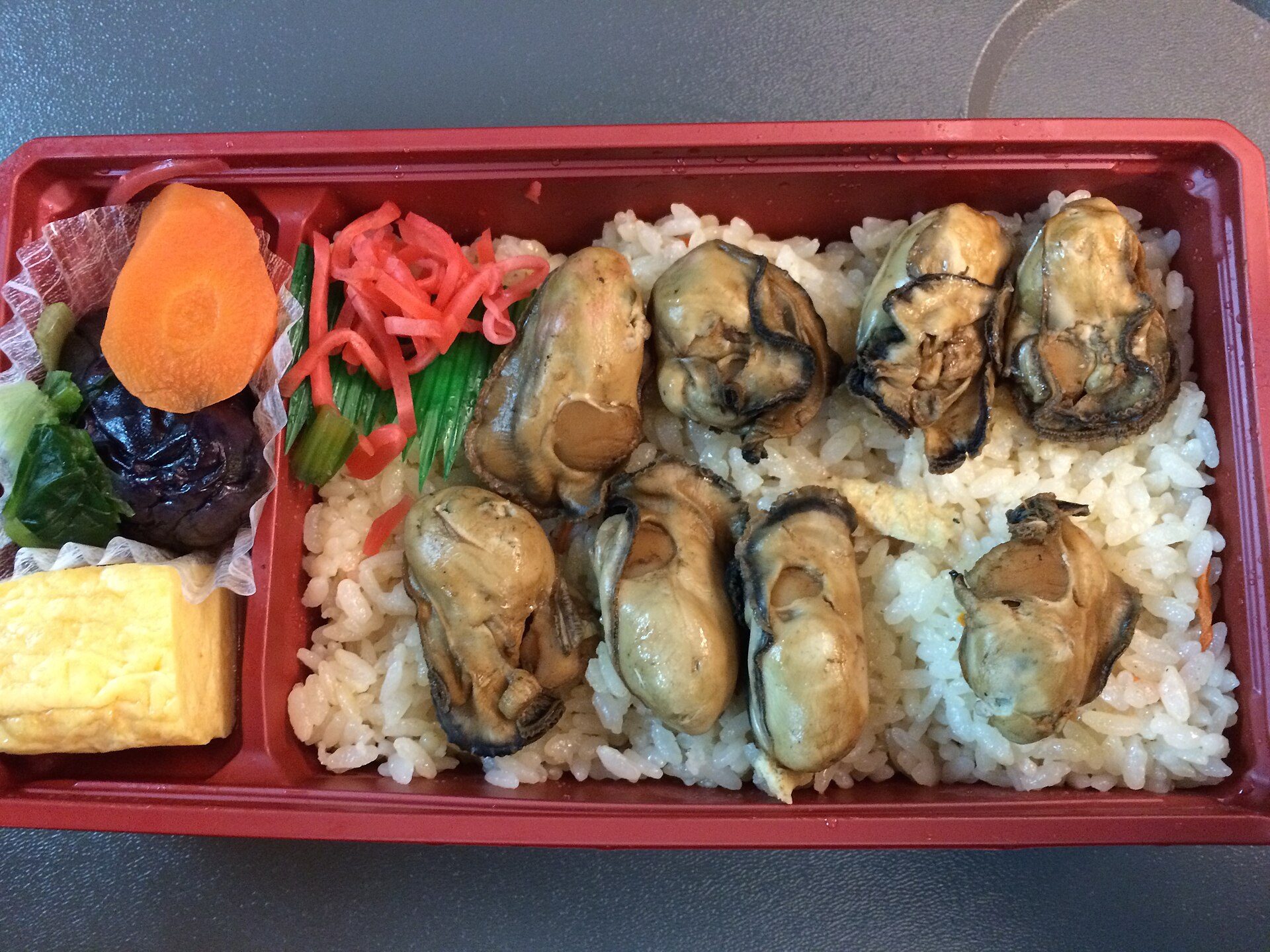
Photo: pelican from Tokyo, Japan / Wikimedia Commons, CC BY-SA 2.0
Step 4: check the rules before posting
- Background music: only from the platform library; sponsored videos use the commercial music library.
- No "eat like this and lose 5 kg": that is a health promise, and Lan is not a nutrition expert.
- Sponsored air fryer video: turn on the paid content label, say it in the video, and only say what Lan has actually tried herself.
- Turn down a slimming tea sponsorship that has no documents, however well it pays.
Common mistakes when choosing a niche
Choosing a niche just because it is hot
Symptom: when the trend ends, so do the ideas, and the channel stalls. Cause: no real strength in the niche. Fix: re-score on the 4 criteria; use trends as seasoning for your main niche, not as the niche itself.
A niche that is too broad
Symptom: every video reaches a different group, nobody follows. Cause: "sharing my life", "reviewing everything". Fix: add a situation, a budget or a target viewer to the niche name.
Switching niche after 10 videos
Symptom: a new channel every month. Cause: impatience. Fix: commit to at least 30 videos, read the numbers, then decide whether to switch.
Frequently asked questions
Which TikTok niche is easiest for beginners to grow?
There is no niche that is "easy" for everyone. The best niche for you scores high on both strengths and demand. Familiar niches such as cooking, office tips or learning English still have room if you have your own angle and a specific situation.
Do I have to show my face?
No. Many niches work with just hands, a voice or a notebook on screen. Showing your face builds trust faster, but an authentic voice and consistency matter more.
Will trending music get me a copyright claim?
Using music from a platform's library when posting on that same platform is usually allowed for personal accounts. Ads, sponsored videos and business accounts must use music licensed for commercial use.
Do I have to say a sponsored video is an ad?
Always make it clear: turn on the platform's label and say it in the video. Advertising rules in Vietnam increasingly require advertising to be clearly identified; check the regulations in force for the exact requirements.
Practice exercises and self-assessment
- List your 3 candidate niches, score them on the 4 criteria using the sample table, and add up the totals.
- Write a one-page persona for the highest-scoring niche, answering all 5 questions.
- Split the niche into 4 content pillars and write your first 30 titles.
- Read your chosen platform's policies on music copyright and branded content, and note 5 things you did not know.
Self-assessment criteria
- Pass: your scoring table adds up, and the chosen niche scores 4 or more on both strengths and demand.
- Pass: the persona includes age, situation, problem, viewing time and the action they want to take after watching.
- Pass: you wrote all 30 titles, spread across at least 3 pillars.
- Not yet: choosing a "review everything" niche, using downloaded music in a sponsored video, or planning to take sponsorships without turning on the label.
With a niche and a viewer persona in hand, move on to the next step of the roadmap: Ideas, hooks and short scripts. Read on with how to write hooks for short videos and how to write a 5-part short video script to turn your 30 titles into real videos.
Keep learning content creation: after choosing a niche come ideas, hooks and scripts, phone filming, CapCut editing, reading channel analytics and earning from sponsorships and affiliate programmes. See the content creator roadmap.