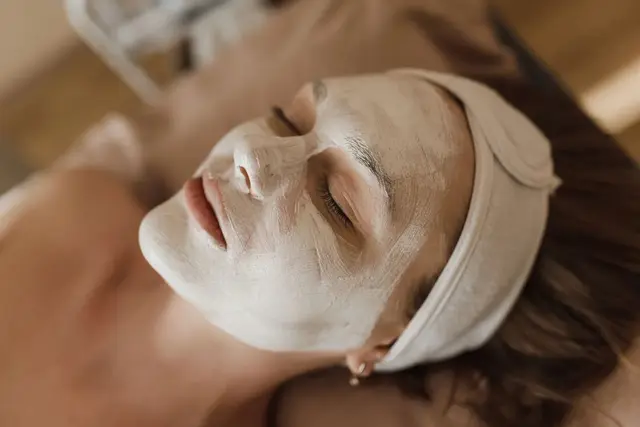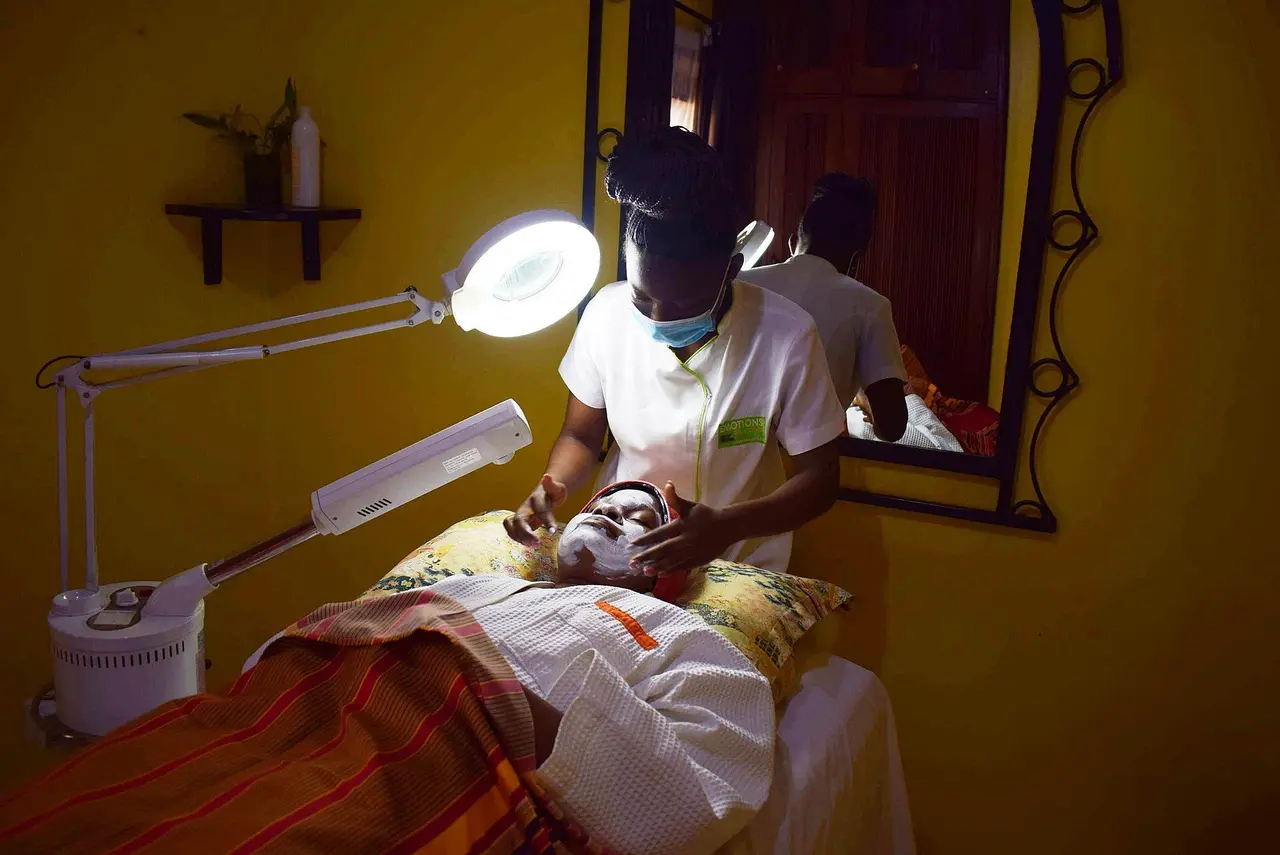
A chemical peel at a spa follows 7 steps: go through the health intake form and rule out contraindications, examine the skin, patch test the product on a small area, cleanse and protect the sensitive areas, apply the peel with a timer running, neutralise or rinse off exactly as the manufacturer instructs, then soothe, apply sunscreen and give aftercare advice. A spa may only perform light superficial peels using low-strength cosmetic AHA/BHA/PHA products; medium and deep peels are the work of medical facilities and doctors. A client who is taking isotretinoin, using retinoids, has damaged skin, or is pregnant (for some active ingredients) does not get a peel that day.
By the end of this lesson, you will be able to:
- Tell a light superficial peel (which a spa may do) apart from medium and deep peels (which belong to medical facilities), and say no the right way when a client asks for a "strong peel".
- Screen for all 8 groups of contraindications using the intake form and a skin check before every peel session.
- Carry out the 7 steps of a light peel in a 60-minute session, with a patch test and a countdown timer set according to the product instructions.
- Recognise the 6 signs that mean you must stop immediately, and give first response in the right order.
- Brief the client on aftercare (sun protection, no exfoliating, no peeling skin off by hand) and book the next session.
Want to offer advanced skin services and still stay safe? The NAMBIN course Spa Therapist Level 3 – Advanced covers spa equipment, the boundary with medical aesthetics, incident handling and multi-session treatment plans — exactly the knowledge you need to take on services such as light peels without going beyond the scope of the profession.
What a chemical peel is and how far a spa may go
A chemical peel means applying an acid solution to the skin to loosen the bonds between old, dead surface cells so that they shed faster. Afterwards the skin feels smoother, pores look clearer and the skin tone looks more even. In essence, a light peel is a form of chemical exfoliation that is stronger than the products clients use at home. If you are not yet confident with exfoliation, go back and reread the lesson on facial exfoliation at a spa first.
Three peel depths and who may perform them
How strong a peel is does not depend on the name of the acid alone. It depends on the concentration, the pH (how acidic it is), how long it stays on the skin, how many layers are applied and the condition of the client's skin that day. That is why two bottles that both say "AHA" can be very different. The table below sorts peels by depth of action — the way dermatology traditionally draws the line.
| Peel depth | How deep it acts | Typical products | Who performs it | After the peel |
|---|---|---|---|---|
| Light superficial peel | The horny layer and the shallow part of the epidermis | Cosmetic AHA (glycolic, lactic, mandelic), BHA (salicylic), PHA, fruit enzymes — low strength, made for spas | A trained spa therapist, following the product instructions | Skin slightly pink and dry, possibly fine flaking for a few days |
| Medium peel | The whole epidermis, down into the upper dermis | High-concentration acids, TCA and other treatment-grade agents | A doctor at a licensed medical facility | Visible peeling, needs medical follow-up |
| Deep peel | The deep dermis | Strong medical chemicals | Only a specialist doctor, with medical monitoring | Long recovery, risk of scarring and skin colour change |
In short: a spa does light superficial peels, using cosmetic products with clear labels and instructions in Vietnamese, or products the distributor has trained you on. Any package advertised as "new skin", "peels away melasma completely" or "a whole week of peeling" has already crossed into medical territory. The legal side of this boundary (why deep peels have no place on a spa menu) is covered in the lesson what licences you need to open a spa (in Vietnamese).
Why this lesson gives no concentrations or minutes
Every product has its own formula and pH, so a "safe" number for one bottle can burn the skin with another. The right number is the one in the manufacturer's instructions for the exact product in your hand. Never extend the time, add layers or mix products on your own initiative.
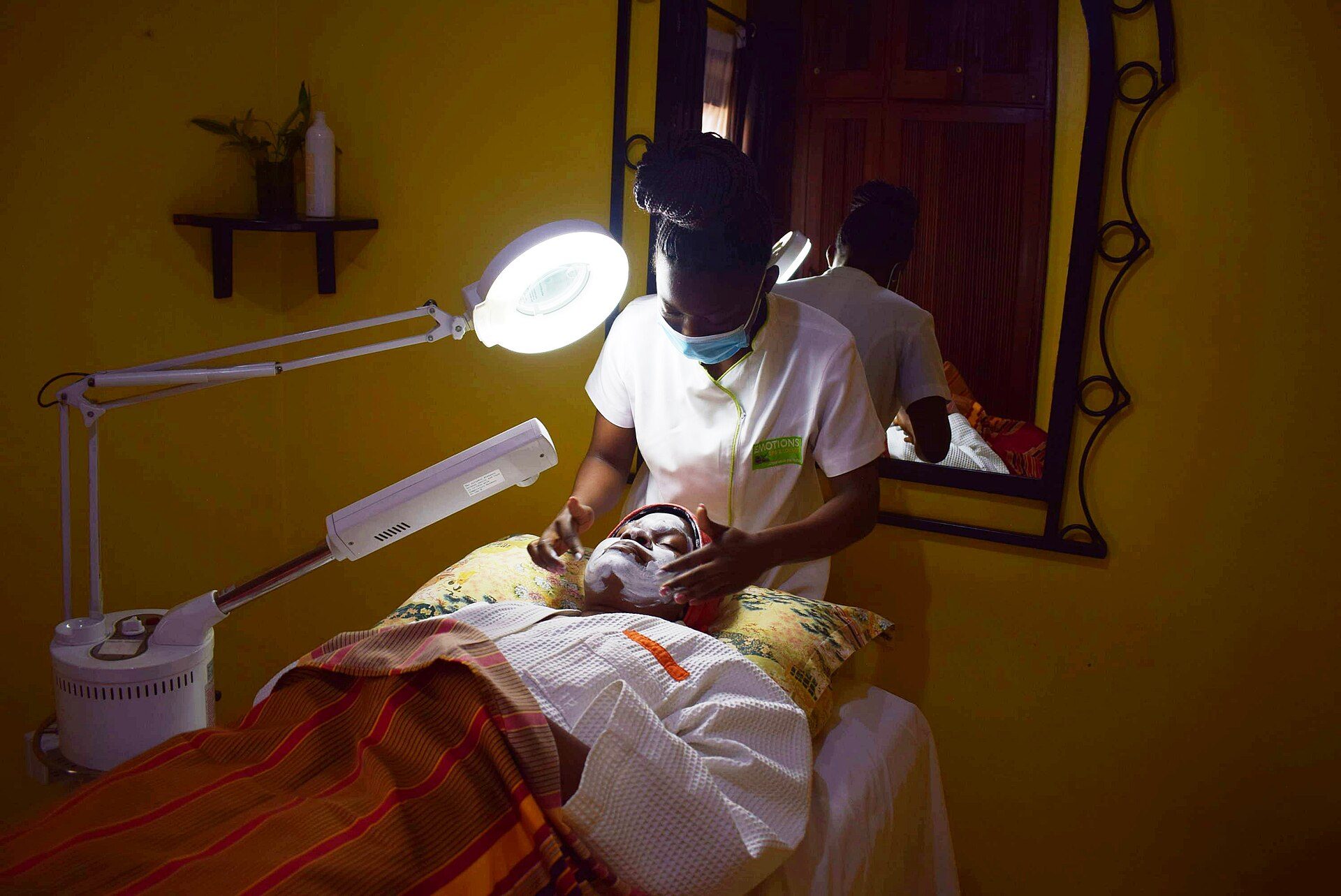
Photo: Alvinategyeka / Wikimedia Commons, CC BY-SA 4.0
What a "biological peel" is
"Biological peel" (peel da sinh hoc) is a common marketing name in Vietnam, not a professional term. Depending on the spa, it may be a fruit enzyme peel, a plant-based acid peel, or a herbal or algae powder with microscopic spicules that is rubbed into the skin. The word "biological" does not mean gentle or unable to cause irritation. You still have to read the ingredients, screen for contraindications and patch test, just as with any other peel.
Intake form and contraindications: what decides whether to peel
Most peel incidents at spas happen because the questions were skipped. Use the spa's health intake form (see the lesson on client consultation and the health form), add the questions specific to peels, write down the answers clearly and ask the client to sign.
8 groups of contraindications to ask about
- Oral isotretinoin (a prescription acne medicine): currently taking it or recently stopped — no peel; the client needs to ask their dermatologist when treatments can resume.
- Topical retinoids (tretinoin, adapalene, strong retinol) or prescription acne or melasma creams: they must be paused for as long as the peel product instructions or the client's doctor require.
- Damaged skin: scratches, open wounds, sunburn, many inflamed and painful spots, an area that has just been waxed, shaved or had heavy extractions.
- Active skin conditions in the treatment area: atopic dermatitis, eczema, psoriasis, cold sores (herpes) on the lips.
- A recent medical procedure on the face: laser, microneedling, injections, a peel somewhere else — wait as advised by the place that did it.
- Pregnancy or breastfeeding: some actives (for example salicylic acid and retinoids) are not suitable; the spa should only use products the manufacturer clearly states can be used, or postpone and advise the client to ask her obstetrician.
- Allergies: a past reaction to cosmetics, an aspirin allergy (related to the salicylate group) or to an ingredient in the product.
- Skin that marks or forms keloid scars easily, or a client about to spend a lot of time in the sun (a beach trip, outdoor work) who cannot protect their skin.
Check the skin to confirm what the client said
Remove make-up and examine the skin under the lamp: look for existing redness, flaking, scratches and inflamed spots. If the client says their skin is "normal" but both cheeks are flushed and warm to the touch, postpone anyway. Record the pre-peel condition on the form.
⚠ Chemical safety and contraindications: If any of the contraindications above applies, do not peel that day; switch to a gentle cleansing and hydrating service or rebook. Never raise the concentration, time or number of layers on your own; never mix products; never accept medium or deep peels however much the client pleads. If the client has difficulty breathing, swollen lips, swollen eyelids or a rash spreading over the body, call 115 (Vietnam's emergency ambulance number) immediately.
Preparing tools and products, and patch testing
A peel is precisely timed, so everything must be within reach before you open the bottle.
Tools laid out on the trolley
- An in-date peel product with a tight cap and its instructions; a neutralising solution if the manufacturer requires one.
- A small clean dish to pour out exactly the amount for one use (never dip the brush into the bottle).
- A mask brush or cotton pads/gauze, disinfected or single-use.
- A thin barrier balm for the corners of the eyes, the sides of the nose and the corners of the mouth; eye pads.
- A timer with an alarm (a phone in countdown mode is fine), placed where you can see it.
- A bowl of clean cool water, soft towels, a small handheld fan, a soothing mask, moisturiser and sunscreen.
Photo: Original uploader was Obli at en.Wikipedia / Wikimedia Commons, CC BY-SA 3.0
Patch test on a small area
A patch test means applying a very small amount of product to a discreet patch of skin (usually behind the ear or at the angle of the jaw, as the brand directs) to see how the skin reacts before treating the whole face. Many manufacturers require the test to be done some time before the peel session; follow the instructions exactly and record the date and time of the test on the form. The result is a pass when the test area turns only slightly pink and tingles a little, then settles. If the area becomes deep red, swollen, develops a rash or keeps burning, do not peel with that product.
Read the product instructions before every session
When the batch or product changes, reread the instruction leaflet and copy onto the form: the maximum contact time for a first session, how to end the peel (neutralise or rinse with water), and the signs that mean stop. A product without clear instructions, or a "ready-mixed" product of unknown origin, is not to be used.
Photo: WGW2007 / Wikimedia Commons, CC BY-SA 4.0
The chemical peel procedure at a spa: 7 steps in a 60-minute session
Below is the standard sequence for a light superficial peel. The order and the details of each step can differ slightly by product; when the leaflet says something different from this lesson, follow the leaflet.
- Review the form, examine the skin, confirm the patch test result. Explain to the client what normal feels like (warmth, light tingling) and agree on a signal: when the client says "burning", you stop and check.
- Cleanse. Remove make-up, wash the face with a gentle cleanser and pat it completely dry. No grainy scrubs, no extractions and no hot steam before a peel, because they make the skin more sensitive.
- Protect sensitive areas. Cover the eyes and dab a thin layer of barrier balm on the corners of the eyes, the sides of the nose and the corners of the mouth — places where product tends to pool.
- Apply the peel and start the timer. Pour the right amount into the dish and brush on a thin, even layer in the order the brand directs (usually from thicker skin such as the forehead and chin towards thinner areas). Start the timer as soon as the first area is covered.
- Monitor continuously. Stay beside the client for the whole contact time, watch the colour of each area, ask how strong the tingling is and use the small fan if the brand allows it. Do not leave the room.
- Neutralise or rinse off. When the alarm goes, or earlier if anything looks wrong, end the peel exactly as the manufacturer states: use the neutralising solution, or rinse repeatedly with cool water until clean.
- Soothe, moisturise, apply sunscreen, give advice. Apply a soothing mask, then moisturiser and sunscreen, fill in the form and book the next appointment.
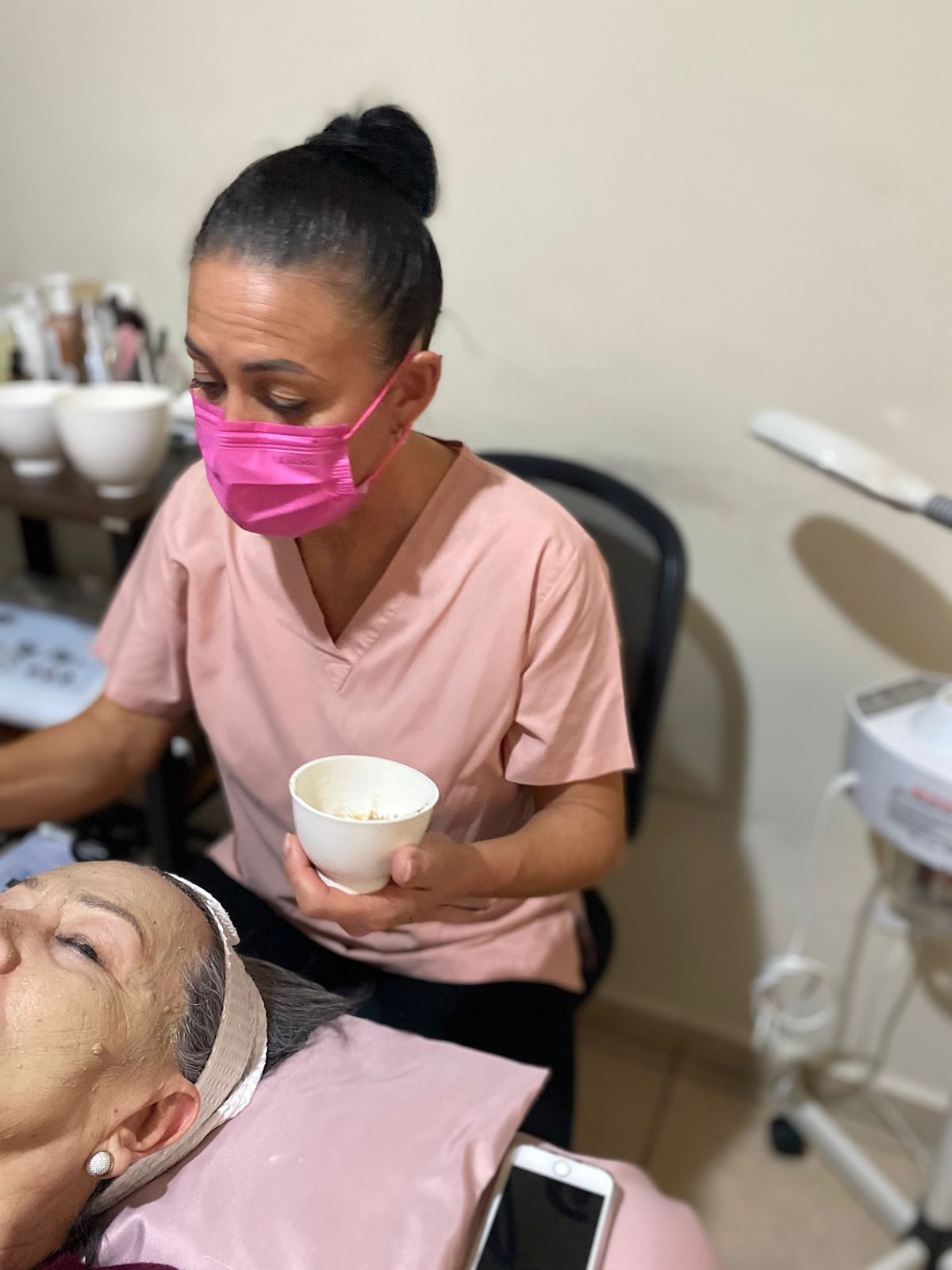
Photo: A01708827 / Wikimedia Commons, CC BY-SA 4.0
Setting the timer: why you never "roughly guess"
With a peel, a few minutes' difference can turn "slightly pink skin" into "a week of red, stinging skin". Set a countdown to the maximum time the instructions give for the client's first session, then treat it as a ceiling, not a target. Ending early when the skin reddens quickly is the right decision, not an incomplete job.
Neutralise or rinse: do what the bottle says
Some products need a neutralising solution, some only need rinsing with water, and some are self-buffering. Ending the peel the wrong way can irritate the skin further, so step 6 must be written on the form in advance.
Worked example: a 29-year-old client with oily skin and large pores
Ms Linh, 29, an office worker, has oily skin with many blackheads on her nose and chin, and wants a peel "to clear things up". Form: no acne medication, no retinoids, not pregnant, no aspirin allergy, no facial waxing last week. Skin check: the T-zone is shiny and oily, with no inflamed spots and no scratches. She has done a patch test behind the ear exactly as the instructions of the spa's BHA product require; it turned only slightly pink and then settled. The therapist confirms she is eligible and plans a 60-minute session as in the table below.
| Task | Time | Notes |
|---|---|---|
| Greet the client, reread the form, examine the skin, explain the sensations | 10 minutes | Client signs the consent form |
| Remove make-up, cleanse, pat dry | 8 minutes | No steaming, no extractions |
| Cover the eyes, protect eye corners, sides of the nose, mouth corners | 4 minutes | |
| Apply the peel, monitor, end as instructed | 10 minutes | Actual contact time per the leaflet, timer set in advance |
| Soothing mask, cool compress | 15 minutes | Therapist stays in the room |
| Moisturiser, sunscreen | 5 minutes | |
| Aftercare advice, fill in the form, book next visit | 8 minutes | Hand over the written aftercare sheet |
| Total | 60 minutes |
During the contact time Ms Linh says her chin "tingles a little"; the skin is evenly pink, with no deep red patches. The therapist ends the peel exactly when the alarm rings. After soothing, the skin is lightly pink and she feels no burning. The therapist records on the form: the product name, batch number, actual contact time and reactions during the session; then books the next session at the interval the brand recommends and sends a check-in message after 24 hours.
Monitoring reactions and when to stop immediately
While the peel is on, ask regularly: "On a scale from 0 to 10, how strong is the tingling now?". Clients are often shy to speak up, so you have to ask and watch actively.
Normal reactions
- Warmth and light tingling that fades or stays the same, without a sudden jump.
- Even pinkness that gradually disappears after soothing.
- A few days later: dry, slightly tight skin, possibly fine flaking, especially around the nose and chin.
6 signs that mean stop immediately
- Burning that rises quickly, the client says "it's too hot", or the tingling goes beyond what the brand describes.
- Deep or patchy redness, especially one area clearly redder than its surroundings.
- White patches appearing on the skin (with a light peel, this is an abnormal sign).
- Blistering, weeping, or skin that looks unusually shiny and wet.
- Swollen eyelids or lips, or a rash spreading beyond the treated area.
- The client feels dizzy, short of breath or nauseous.
What to do, in order, when you stop
End the peel at once the way the manufacturer instructs (neutralise, or rinse repeatedly with cool water), apply a cool compress with a clean towel, do not apply any new product, stay with the client and inform your manager. Record the product name, batch number, the time and how things developed. Sign 6, or swollen lips or eyelids with difficulty breathing, is an emergency: call 115. For blistering or redness and burning that does not ease, advise the client to see a dermatologist and take the product name with them. How to talk to the client and document the incident is explained in detail in the lesson on red, stinging or rashy skin after a spa treatment.
Post-peel care and booking the next session
Half of the result of a peel is decided in the days after the session. Give the advice out loud, hand over a written aftercare sheet and send a check-in message after 24–48 hours.
What to do after a chemical peel
- Wear sunscreen every day, even indoors near a window; apply enough and reapply when outdoors for a long time; wear a wide-brimmed hat and a face mask when riding a motorbike.
- Wash the face with a gentle cleanser and cool water; pat dry lightly, never rub with a towel.
- Moisturise regularly with a simple product with few ingredients.
- Never peel off flaking skin by hand or pick at flakes; let the skin shed on its own.
- No exfoliating, no retinoids, no AHA/BHA at home, no steaming and no facial waxing for the period the spa advises based on the product instructions.
- If redness and burning increase, or blisters or weeping appear, message the spa immediately and see a dermatologist.
Booking and multi-session treatment plans
Light peels give results gradually over several sessions. The interval and number of sessions follow the manufacturer's recommendations; the next session only goes ahead when the skin has fully recovered and the form has been gone through again from the start (the client may have started a new medicine). Record the reaction from the previous session to decide whether to keep the same intensity or reduce it — never increase it on your own.
Common mistakes when peeling at a spa
Mistake 1: Peeling a client who is on acne medication
Sign: the skin turns red and stings unusually fast within the first few minutes. Cause: the question was not asked, or was asked vaguely as "are you taking any medicine?". Fix: ask specifically, "Are you taking any acne pills, or using any acne or melasma cream prescribed by a doctor?", and write the name of the medicine on the form.
Mistake 2: Leaving it on longer "so it works better"
Sign: the client peels in large sheets and develops dark marks a few weeks later. Cause: the therapist or the client wants fast results, so the time is extended or layers are added. Fix: the timer is the ceiling; for better results, follow a multi-session treatment plan.
Mistake 3: Skipping sunscreen because the client "stays home all day"
Sign: darkening after 1–2 weeks, especially on darker skin. Cause: fresh skin after a peel is sensitive to the sun. Fix: apply sunscreen right there at the spa, give clear instructions and ask about it again in the check-in message.
Practice exercises and self-assessment
Work on practice models under the supervision of a senior therapist or instructor, using the spa's light peel product and its instruction leaflet.
- Exercise 1 – Screening: interview 3 models using the form. Pass: you ask about all 8 contraindication groups, write down specific medicine/cream names, and make the right "peel/postpone" decision with a reason. Not yet: you miss the medication group or pregnancy.
- Exercise 2 – Preparation: set up the trolley in 5 minutes. Pass: all tools present, timer set according to the instructions, the ending method written on the form. Not yet: no cool water or towels, or you have to leave the room to fetch something.
- Exercise 3 – Performance: complete all 7 steps within 60 minutes. Pass: you never dip the brush into the bottle, you end on time or earlier when there are warning signs, and you ask about the tingling at least 3 times. Not yet: you take your eyes off the client or go over time.
- Exercise 4 – Scenario: the instructor plays a client whose burning rises quickly. Pass: within 3 minutes you stop, end the peel as instructed, apply a cool compress, add nothing else, inform the manager and log the incident. Not yet: you apply extra cream "to calm it" or carry on.
Frequently asked questions
How long does a chemical peel at a spa take?
Usually about 45–60 minutes for the whole session, including the intake form, cleansing, the peel itself, soothing and aftercare advice. The time the product stays on the skin is only a small part of that and must follow the manufacturer's instructions exactly.
What is a "biological peel", and is it safer than an acid peel?
It is a marketing name for several different things: enzyme peels, plant-based acids, and herbal or algae powders with microscopic spicules. "Biological" does not mean completely safe; you still have to read the ingredients, screen for contraindications and patch test.
What should I do after a chemical peel?
Wear sunscreen every day, cleanse gently, use a simple moisturiser, do not peel the skin off yourself, avoid exfoliants, retinoids and AHA/BHA for the period the spa advises, and contact the spa immediately if redness and burning increase or blisters appear.
Is it a problem if my skin is red and stinging after a peel?
Light pinkness and mild tingling that fade gradually are normal. Deep redness, increasing burning, blisters, weeping, or swollen eyelids or lips are not: stop immediately, rinse or neutralise as instructed, apply a cool compress and advise the client to see a dermatologist; if they have difficulty breathing, call 115.
Can a spa do deep peels or TCA peels?
No. Medium and deep peels fall within the scope of licensed medical facilities and doctors.
Summary and next steps
A light peel at a spa is safe when you hold to three principles: ask thoroughly and postpone when there is a contraindication, follow the product instructions with the timer set in advance, and stop immediately at any abnormal sign. Post-peel care — above all sun protection — shapes the result as much as the session itself. This lesson belongs to the roadmap step "Medical aesthetics boundaries & incident handling"; the next step is "Special clients & multi-session treatment plans", where you learn to plan several sessions for clients with sensitive skin, older clients and pregnant clients.
Continue to Level 3 with an instructor: The Spa Therapist Level 3 – Advanced course helps you master the boundary between spa and medical aesthetics, handle incidents by the book and design safe multi-session treatment plans for each group of clients.