The event planning process runs through 7 stages in order: taking the brief, budgeting, developing the concept, booking suppliers, writing the run-of-show, delivering on site (setup, rehearsal, running the programme, teardown) and the wrap-up. Crowd safety runs through all 7: a solid stage, temporary power with earth-leakage protection, emergency exits that stay clear, and effects such as confetti cannons used properly. A beautiful wedding where a guest is shocked or an exit is blocked is still a failed event. This is the first lesson of the roadmap, written for people who have never worked an event, with a checklist you can use at your very first show.
By the end of this lesson, you will be able to:
- Tell apart 5 common event types (weddings, conferences, openings, team building, company parties) and the particular difficulty of each.
- Name the 7 stages of the event planning process and the role of each person in the team.
- Check stage safety, temporary power, emergency exits and confetti effects before the doors open.
- Estimate the capacity of a banquet hall and draw up a safety assignment with figures that add up.
- Know when an event needs a permit or a notice to local authorities, and whom to ask to be sure.
Want to enter the events trade properly? This is step 1 of the 8-step roadmap: understand the process and safety first, then learn briefs, quotes, decor, suppliers and run sheets. See the 8-step event and wedding planner roadmap.
Common event types and what makes each one hard
Each type of event has different clients, pace and risks, so a newcomer needs to know which kind they are working on before taking the job.
Weddings and family ceremonies
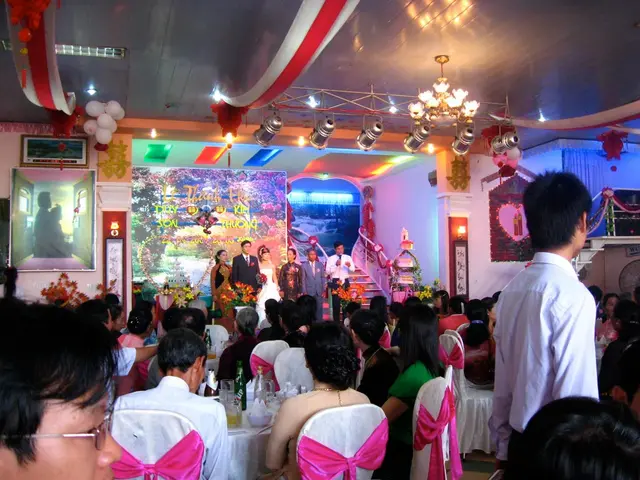
Weddings are the busiest segment in Vietnam, concentrated in the wedding season at the end of the year and before the lunar new year. The client is the couple plus both families, with many people giving opinions at once. The hard parts: regional customs (engagement ceremony, collecting the bride, auspicious times), large guest lists of every age, and many elderly guests and small children moving between tables (Figure 1). The hall is enclosed, lights go down for the ceremony and alcohol is served, so exits matter even more.
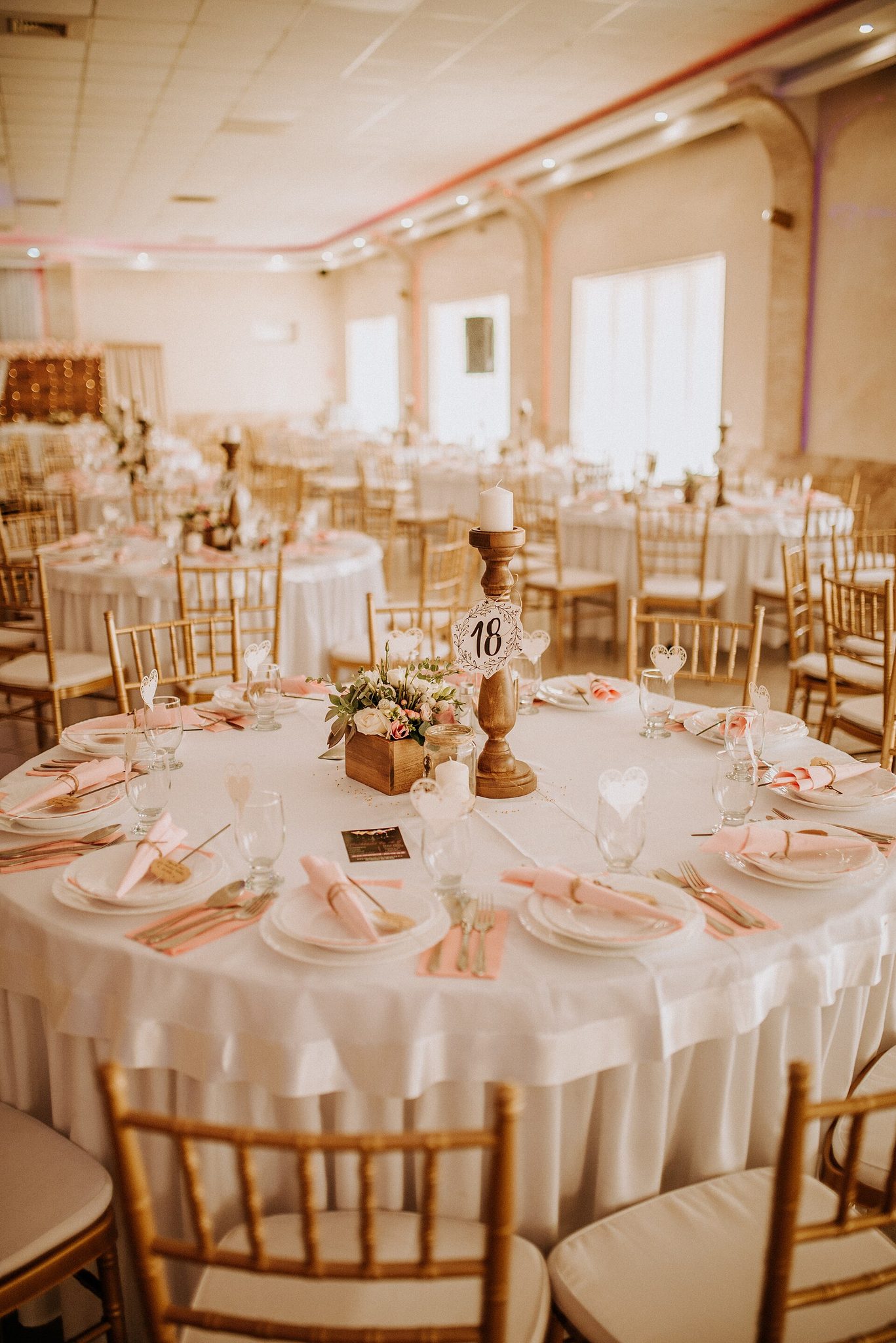
Photo: Shixart1985 / Wikimedia Commons, CC BY 2.0
Conferences, seminars and product launches
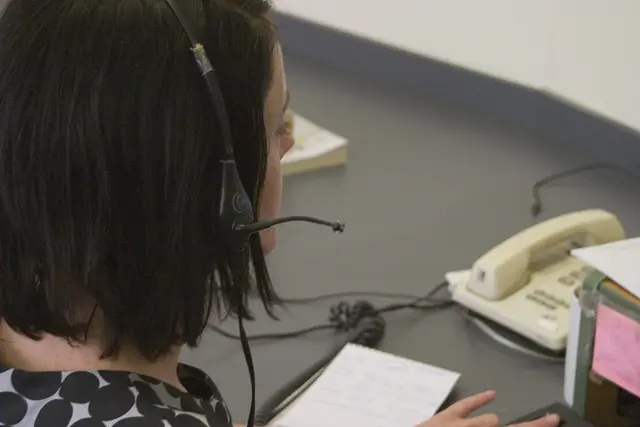
The client is a company that expects timing to the minute. The difficulty is technical: LED screens, projectors, microphones, interpreting, livestreams; a technical failure in front of 200 people is a big failure. Halls are usually packed with chairs, so lengthwise and crosswise aisles to the exits must be kept (Figure 2).
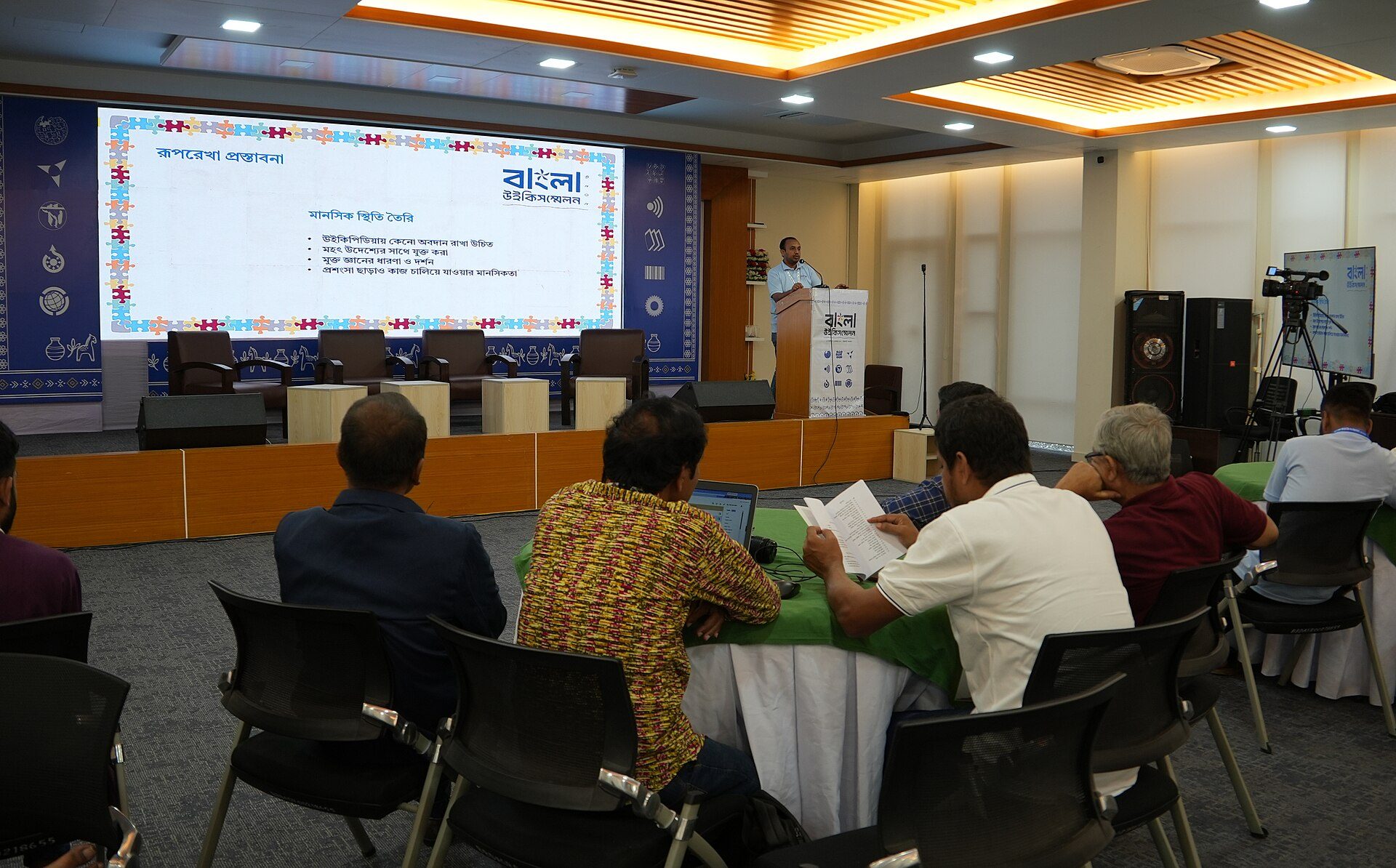
Photo: Wikimedia Bangladesh / Wikimedia Commons, CC BY-SA 4.0
Shop openings, groundbreakings and outdoor events
These take place in front of a shop, on a construction site or in an open yard, often in the morning at an auspicious hour. The difficulties: weather (sun, rain, gusts that topple inflatable arches and banners), uneven ground, power that has to be run temporarily or come from a generator, and possible use of the pavement or road. This is the type most likely to need a permit or notice to local authorities.
Team building, gala dinners and company parties
Team building involves active games, travel and swimming; the risks are injuries, drowning and heatstroke. Galas and year-end parties involve alcohol, stage performances and lucky draws; the risks are pushing crowds, drunk guests and late journeys home. Plan medical cover and transport from the quoting stage.
The 7-stage event planning process
Whether it is a 50-guest birthday or a 500-guest conference, the process goes through the 7 stages below. Later steps of the roadmap teach each stage in depth.
From brief to run sheet: 5 preparation stages
- Taking the brief: ask about goals, guest count, date and time, venue, budget, style and customs. Write meeting notes and get the client to confirm them in writing.
- Budget and quote: estimate by line item with a contingency, sign the contract and take the deposit. For prices by item, see wedding reception costs in Vietnam: prices by item, 30-table budget.
- Concept and design: colour concept, moodboard, floor plan for tables, stage, backdrop and aisles.
- Suppliers and timeline: book the venue, sound and lighting, flowers, MC and photographer; plan backwards from event day.
- Run-of-show: a minute-by-minute run sheet, radio assignments, plan B for delays, power cuts and rain.
Stage 6: on-site delivery
Event day has 4 beats: setup, rehearsal, running the programme and teardown. Setup often starts early in the morning or the night before; rehearsal tests the music, lights, microphones and the walking route of the couple or speakers. The final safety check is done before doors open, not once guests are inside. Teardown is as dangerous as setup and only starts after all guests have left.
Stage 7: wrap-up
Settle accounts with the client and suppliers, return rented items, record incidents and how they were handled, and send the post-event photos.
Roles in an event team
Knowing who does what helps you ask the right person and report to the right person when something goes wrong.
Roles and safety responsibilities
| Role | Main work | Safety responsibility |
|---|---|---|
| Planner / project manager | Meets the client, budget, books suppliers, approves the run sheet | Chooses a venue with enough exits, checks permits, approves the emergency plan |
| On-site coordinator | Runs the run sheet, cues the MC, sound and lighting | Walks the checklist before doors open, decides to stop the programme when there is danger |
| Sound, lighting and power technicians | Rig speakers, lights, LED screens, run temporary power | Correct connections, earth-leakage protection, tidy cables, safety cables on hung lights |
| Build crew | Build the stage, truss, backdrop and entrance arch | Anchor and brace, wear hard hats while building, fence off the build area |
| Logistics / reception | Welcome guests, seating, gifts, supplies | Keep aisles and exits clear, guide guests during an evacuation |
| MC | Hosts the programme to the script | Announces the exits (conferences), keeps the crowd calm during an incident |
One person in charge of safety
Every event needs one person clearly named as "safety lead", usually the on-site coordinator or the head technician. This person can stop the programme, cut effects and order an evacuation without waiting for the client's approval. Write their name and phone number on the run sheet so the whole team knows.
Working with venue staff
The venue's hall manager and technicians know where the distribution board, exits and fire extinguishers are. Meet them before event day and ask about setup rules: access times, floor load, and whether smoke or confetti is allowed.
Stage, backdrop and temporary power safety
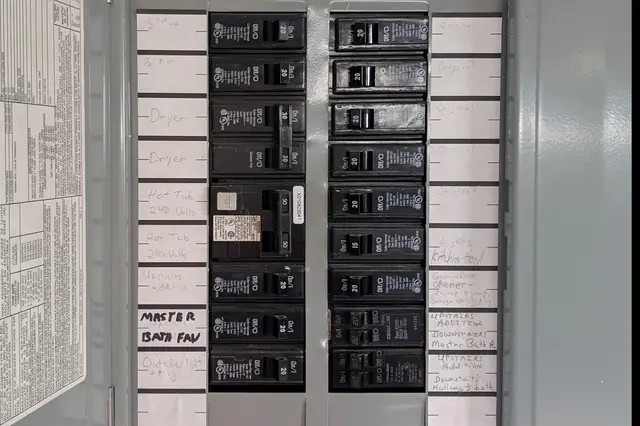
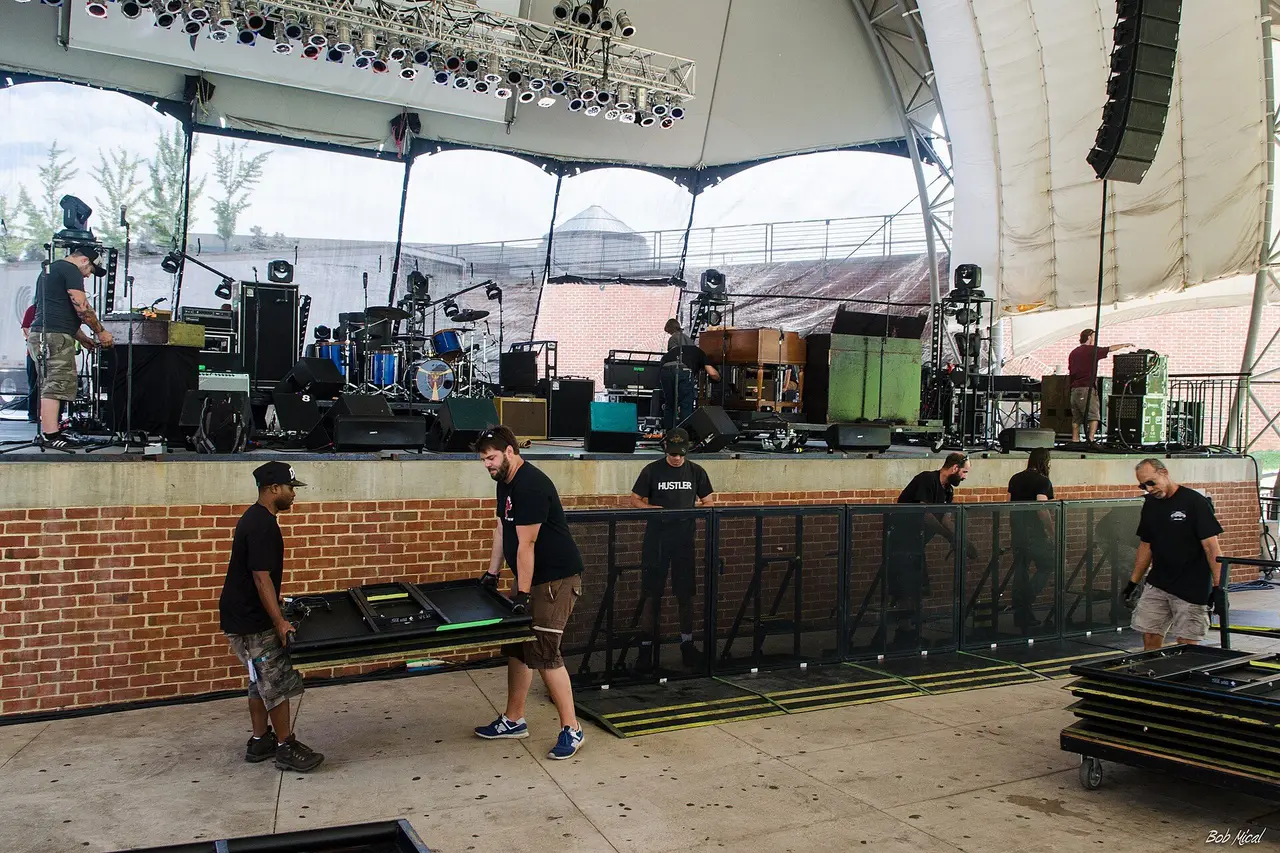
The three things most likely to cause serious accidents at events are falling heavy objects, electric shock and fire. All three are found in the stage and technical area (Figure 3).
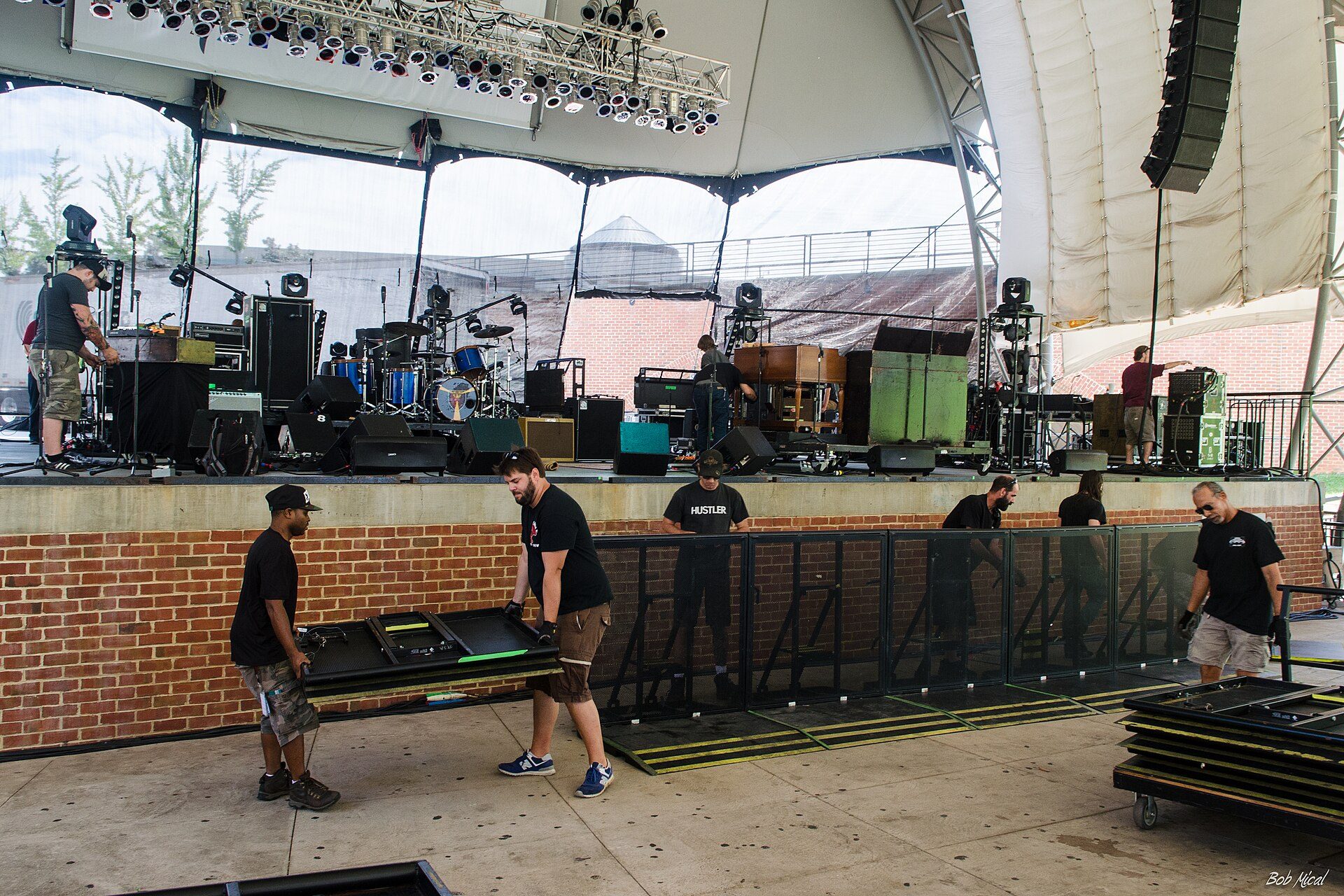
Photo: Bob Mical / Wikimedia Commons, CC BY 2.0
Stage, truss and backdrop
- Modular staging must stand on level ground with legs adjusted evenly and deck panels locked; a high stage edge needs sturdy steps and reflective tape along the edge.
- Truss (aluminium frames for lights and banners) is built to the rental company's instructions: enough ballast on the bases and guy lines; do not hang more lights or speakers than the technical team allows.
- Lights and speakers hung overhead need a secondary safety cable in case the main clamp slips.
- Outdoor backdrops and flower arches act like sails in strong wind: anchor and weight both sides; in storms or strong wind, lower the banners and pause outdoor parts.
Temporary power and generators
Events often run temporary power for lights, speakers, LED screens and smoke machines. You are not an electrician, but you must know what to demand. The temporary distribution board needs circuit breakers and earth-leakage (RCD) protection; cables must be sized for the load, with no joints made by twisting wires and wrapping tape; cables across walkways need cable ramps or must be taped flat; outdoor sockets must be covered from rain and raised off the ground. Generators go outdoors in a ventilated spot, away from exits and guest areas, behind a barrier.
Fire and decor materials
Voile, artificial flowers, paper and balloons burn easily: keep real candles away from fabric and hot lights away from backdrops. Outdoors, bring your own fire extinguisher and put it where everyone can see it.
Safety warning: Only qualified electricians may connect temporary power and generators. Never touch a distribution board, socket or cable with wet hands or while standing in rainwater; if you see a crushed cable, cracked insulation, a hot socket or a breaker that keeps tripping, ask the technician to cut the power and do not repair it yourself. Do not climb truss, do not stand under an area where lights are being hung, and do not build a stage without a hard hat. In strong wind or lightning, stop outdoor activities and move guests to shelter. If someone is electrocuted, cut the power before touching them and call 115 (Vietnam's ambulance number).
Emergency exits and crowd safety
Crowd safety means keeping the number of people within the space's capacity, making sure everyone can reach an exit quickly, and avoiding crush points. Most crowd incidents start with a poor floor plan, not with the guests.
Keep exits clear at all times
- Mark every emergency exit on the floor plan from the start; never put tables, backdrops, boxes or the guest book table in front of an exit.
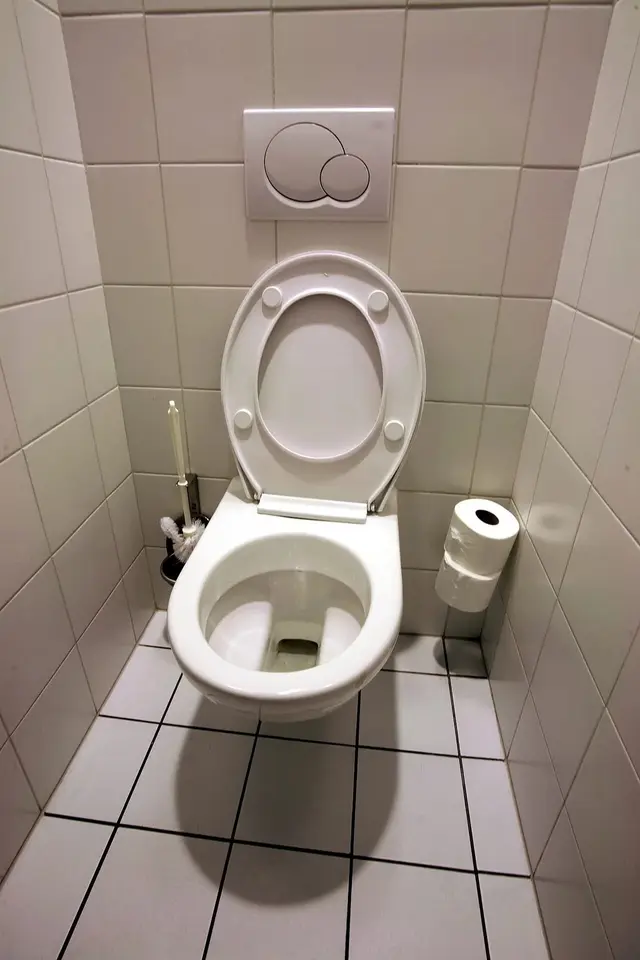
- Exits must not be locked while guests are in the hall; exit signs must be visible, even when lights are dimmed for the ceremony (Figure 4).
- Decor must not cover exit signs; effect smoke must not obscure signs and walkways.
- Aisles between tables must be wide enough for servers with trays, elderly guests and wheelchairs.
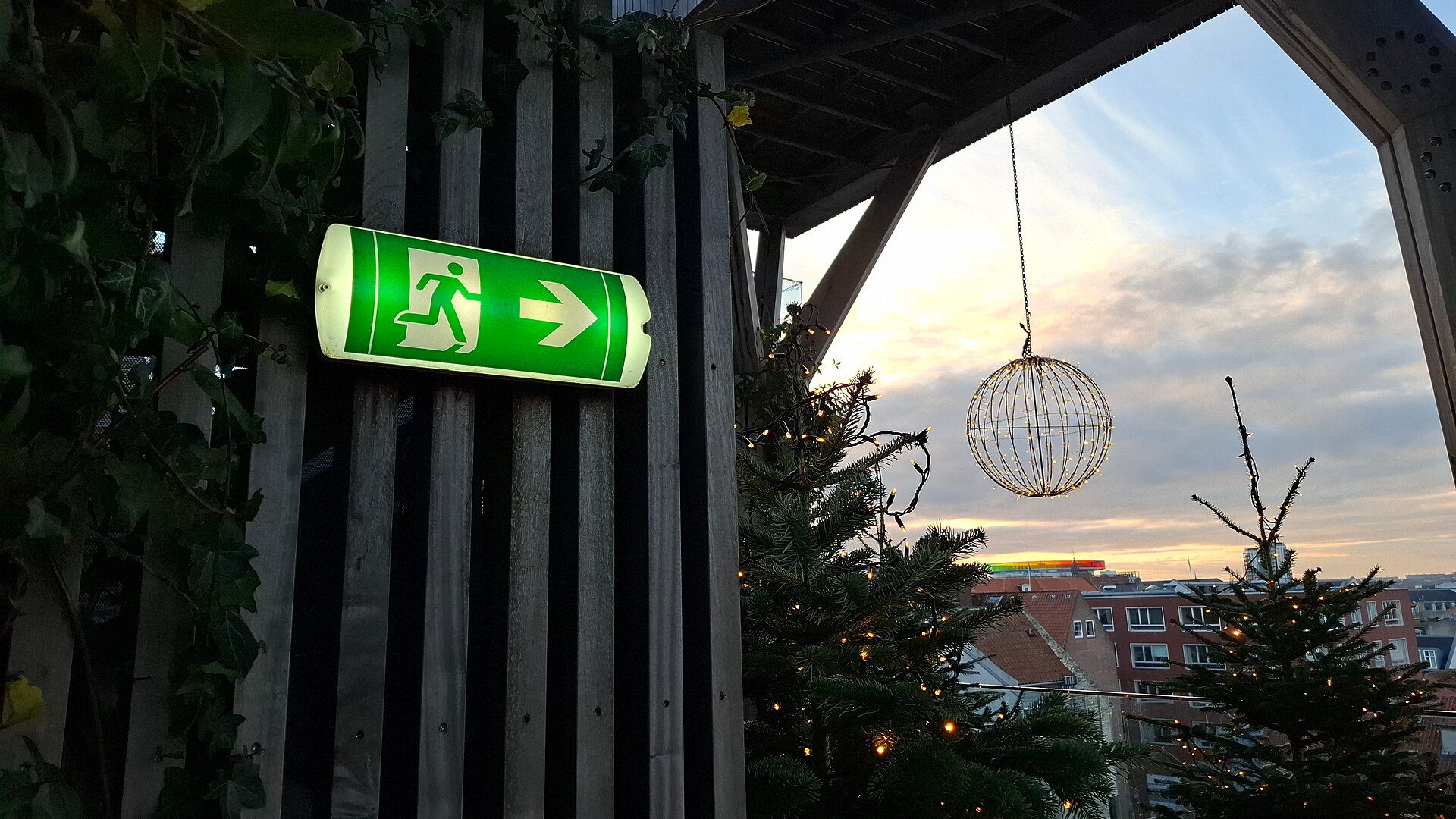
Photo: Ciara Ní Riain / Wikimedia Commons, CC BY-SA 4.0
Capacity and counting guests
Every hall has a capacity published by the venue; ask for that figure and never exceed it. For seated events at round tables, practical experience often allows about 1.1–1.4 m² of floor per guest, excluding the stage and main aisles (a rough planning figure; the final number must come from the venue). Open-access events (openings, fairs) need a way to count people in and out, such as wristbands or a clicker at the gate.
Crush points and vulnerable guests
Typical crush points: the entrance at peak arrival, the photo area, the lucky draw, the gift desk and the end of the party. Separate entry and exit flows, open several doors, and never call the whole hall onto the stage at once. Watch for children running near the stage and cables, and for drunk guests.
Confetti, smoke and stage effects
Effects look great but cause accidents easily: hits to the face, burning fabric, smoke setting off fire alarms, slips.
Using confetti cannons properly
A confetti cannon fires coloured paper or tinsel, usually with compressed air, and is popular at weddings and openings (Figure 5). Use only products with a clear origin and instructions that are legally sold; never use explosive fireworks. When firing, point the tube high and towards open space, never at faces, and away from hot lights, candles and fabric. A designated staff member fires it, never guests or children; paper on the floor is swept up straight away.
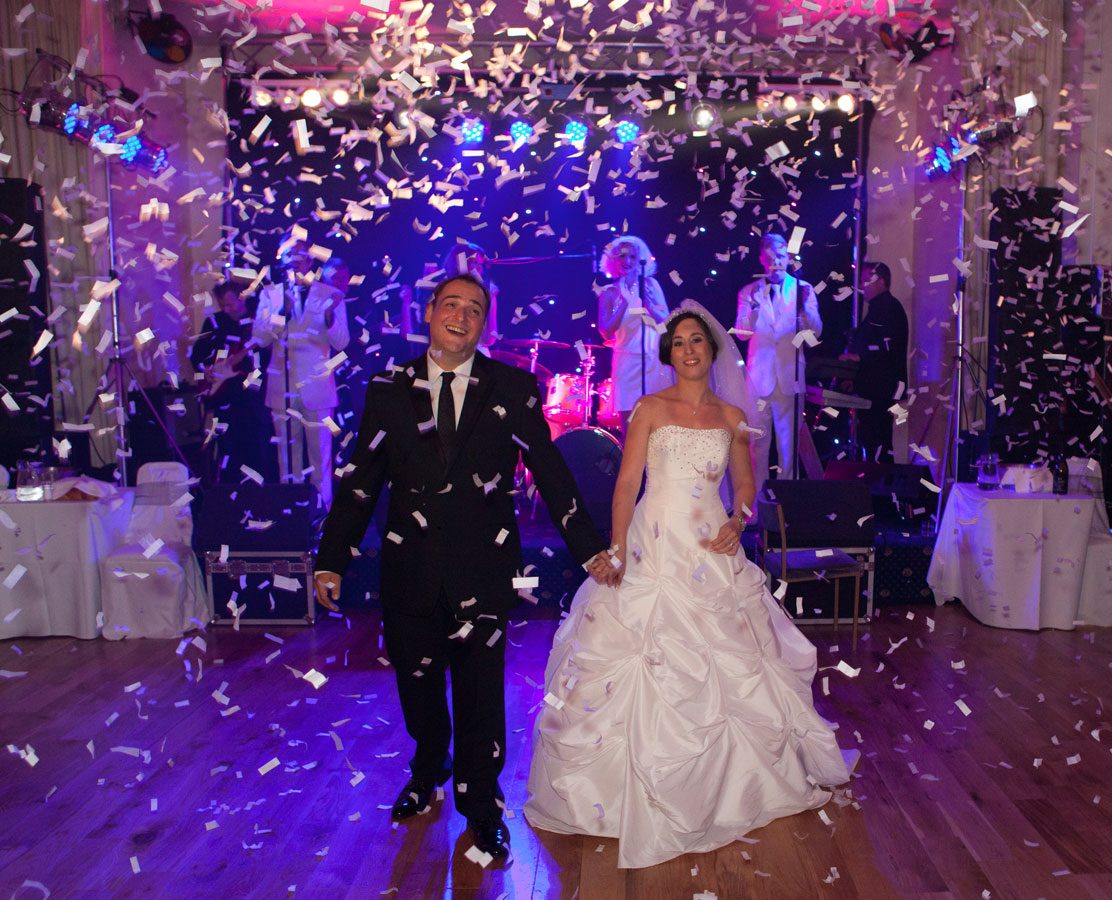
Photo: Magikkk64 / Wikimedia Commons, CC BY-SA 4.0
Smoke machines, low fog and cold spark machines
Smoke machines, dry-ice low fog and cold spark machines must all be cleared with the venue first, because they can trigger smoke detectors or be banned in the hall. Position them at the safe distance in the manufacturer's instructions, away from fabric and guests; dry-ice fog is heavier than air and pools on the floor, so do not use it in small closed rooms.
Permits for events with large crowds
The general principle: events inside licensed hotels, wedding restaurants and conference centres usually rely on the venue for most safety conditions; events in public places, outdoors or with large crowds usually need a notice or a permit.
Cases to check carefully
- Events using the pavement, road, parks or squares, or building an outdoor stage or entrance arch.
- Public performances, concerts or ticketed shows.
- Fireworks, fire effects, hot-air balloons, or drones flying over the crowd.
- Large events running late at night, with powerful speakers near homes.
Whom to ask
Rules on performances, outdoor advertising, fire safety, fireworks and noise in Vietnam change over time and by locality. This lesson does not list document numbers or fees to avoid errors. The right approach: ask the ward or commune People's Committee where the event takes place, the culture authority and the local police under the regulations in force, and ask the venue management about fire safety conditions and house rules. State in the client contract who is responsible for obtaining permits.
Worked example: safety check for a 35-table wedding
Scenario: a Saturday evening wedding at a wedding restaurant, with a hall of about 480 m² (excluding the stage), 35 round tables of 10 guests each. You are the assistant coordinator, assigned the safety check.
Step 1: check capacity
- Guests: 35 tables × 10 = 350 guests.
- Staff in the hall at peak: 20 restaurant servers + 8 event team members (coordinator, technicians, MC, photographer) = 28 people.
- Total people in the hall: 350 + 28 = 378.
- Average area: 480 ÷ 378 ≈ 1.27 m² per person, within the usual 1.1–1.4 m² range for seated round-table events. Compared with the restaurant's published capacity of 400 people, there are still 22 places to spare.
Step 2: exits and assignments
The hall has 3 doors: the main entrance and 2 side emergency exits. On the draft plan, the guest book table sat right against the left exit; you propose moving it to the lobby. Assignments: 1 technician on the temporary distribution board, 1 person watching the stage and its steps, 1 person holding the confetti cannon and sweeping after firing; the on-site coordinator is the safety lead.
Step 3: safety items the team brings (2026 reference prices, vary by region)
| Item | Quantity × unit price | Amount |
|---|---|---|
| Cable ramps (rented per show) | 3 × 60,000 VND | 180,000 VND |
| Floor tape, reflective tape | 4 rolls × 35,000 VND | 140,000 VND |
| Portable fire extinguishers (rented) | 2 × 100,000 VND | 200,000 VND |
| Extra first aid kit | 1 × 250,000 VND | 250,000 VND |
| Torches for the team | 4 × 80,000 VND | 320,000 VND |
| Total | 1,090,000 VND | |
Check: 180,000 + 140,000 + 200,000 + 250,000 + 320,000 = 1,090,000 VND (about 43 USD), or about 31,000 VND per table across 35 tables. This is small compared with the total cost of a wedding, so put it in the quote as a separate "safety supplies" line.
Safety checklist before the doors open
Print this checklist and walk the hall with the technician and hall manager about 60 minutes before doors open. Fix every item that fails before letting guests in.
Layout and exits
- Every emergency exit opens from the inside and is not blocked by tables, boxes or backdrops.
- Exit signs are visible with the hall lights off.
- Main walkways have no exposed cables; cable ramps are taped flat.
Stage, power and effects
- The stage is solid, its edge has reflective tape, and the steps do not wobble.
- Truss and hung lights have safety cables; outdoor banners are weighted.
- The temporary distribution board has earth-leakage protection and someone on duty; sockets are dry.
- Confetti and smoke have been approved by the venue, with a designated person to fire and clean up.
People and communication
- The whole team knows the safety lead's name and where the extinguishers, distribution board and first aid kit are.
- Phone numbers 113 (police), 114 (fire), 115 (ambulance), the hall manager and the electrician are on the run sheet.
- An outdoor assembly point for evacuation has been chosen.
Common beginner mistakes in events
Decor blocking emergency exits
Sign: an exit is blocked by a backdrop or flower arch "for a better photo frame". Cause: the floor plan did not mark exits. Fix: draw exits on the very first plan; if the client insists, explain and offer another option.
Makeshift power to save time
Sign: twisted joints wrapped in tape, sockets lying on wet ground, no earth-leakage protection. Cause: late setup and pressure on the technicians. Fix: give the electricians enough time in the setup schedule and include the distribution board in the checklist.
Nobody to make decisions during an incident
Sign: a power cut, heavy rain or a guest fainting, and the whole team looks at each other. Cause: no safety lead assigned. Fix: write the safety lead and plan B into the run sheet and rehearse the incident response too.
Frequently asked questions
What do you need to organise an event?
A clear brief, a budget, a venue that fits the guest count, suppliers (sound, lighting, decor, MC, catering), a run-of-show and a safety plan. Beginners should learn in the order of the 7-stage process above.
Do you need a permit to organise an event?
It depends on the type and venue. Events in hotels and restaurants usually rely on the venue's conditions; outdoor events in public places, public performances or fireworks usually need a notice or a permit. Ask the ward or commune People's Committee and the relevant authorities under current regulations.
Are confetti cannons safe at weddings?
Yes, if you use products of clear origin that are not explosive fireworks, point them high and away from faces, candles and fabric, have staff fire them and sweep the floor right after. Always ask the venue before bringing them in.
Where should a beginner start in event planning?
Usually as an assistant coordinator, logistics or reception staff at an event company or wedding restaurant. Reference pay in 2026 is about 7–10 million VND a month for new staff, depending on region and wedding season. Learn the process, safety and brief-taking while you work.
Practice and self-assessment
- Visit a wedding restaurant or hall near you and draw the hall plan: main entrance, emergency exits, distribution board, fire extinguishers, stage.
- Estimate the hall's capacity at about 1.1–1.4 m² per guest and compare it with the venue's published figure.
- Write a 12-item safety checklist for an outdoor shop opening, including weather and permits.
Self-assessment criteria
- Pass: the plan shows all exits, the distribution board, extinguishers and main walkways, with nothing blocking exits.
- Pass: the capacity calculation has guests, staff, total people and m² per person that agree.
- Pass: the checklist names a safety lead, a plan for wind and rain and the permit questions for local authorities.
- Not yet: forgetting to count the team in the total, or placing decor in front of an exit.
With the process and safety understood, move on to the next step of the roadmap: Taking the brief & client consulting, where you learn the questions on guest count, budget, style and regional wedding customs, and how to confirm everything in writing to avoid disputes.
Keep learning event planning: after process and safety come briefs, budgets and quotes, concept and decor, supplier management, run sheets and running a small event yourself. See the 8-step event and wedding planner roadmap.