Postnatal mother & baby carer
An 8-step path to postnatal care at home: hygiene and the limits of the role, bathing and cord care, breastfeeding and pumping support, safe sleep, caring for mothers after vaginal or caesarean birth, nutrition and recognising danger signs.
Start here
Step 2: Holding, bathing, cord care & diapering
Articles for the earlier steps are still being written; start with this one.
Hands-on roadmap
Roadmap
- Step 1Lesson
Hygiene, infection control & role limits
Handwashing, short nails, no baby care while ill; sterilising bottles; carers do not give babies medicine, treat illness or use risky folk remedies, they follow the doctor's guidance.
No English content for this step yet. Meanwhile, read step 2: Holding, bathing, cord care & diapering
- Step 2Skill
Holding, bathing, cord care & diapering
Support head and neck, right water and room temperature for baths, keep the cord dry and clean, change diapers and prevent rash; common errors are covering the cord and long baths.
Requires: Hygiene, infection control & role limits
- Step 3Skill
Breastfeeding support, pumping & milk storage
Positioning and a good latch, signs a baby is feeding enough, helping with mild blocked ducts; using breast pumps, storing milk in fridge and freezer and thawing correctly.
Requires: Holding, bathing, cord care & diapering
- Step 4Skill
Safe sleep & baby routines
Back to sleep on a flat mattress with no pillows, heavy blankets or toys in the cot; safe swaddling; build feed-sleep-play routines and log feeds, sleep and diapers for parents.
Requires: Breastfeeding support, pumping & milk storage
No English content for this step yet. Meanwhile, read step 3: Breastfeeding support, pumping & milk storage
- Step 5Skill
Caring for mothers after vaginal or caesarean birth
Perineal hygiene, monitoring lochia and keeping the C-section wound dry and clean; support early walking and light relaxing massage; avoid extreme taboos like not bathing.
Requires: Safe sleep & baby routines
No English content for this step yet. Meanwhile, read step 3: Breastfeeding support, pumping & milk storage
- Step 6Skill
Mother's nutrition, danger signs & wellbeing
Cook balanced meals that support milk supply; urgent signs: baby fever, worsening jaundice, refusing feeds, maternal fever or heavy bleeding; recognise postnatal depression and tell the family.
Requires: Caring for mothers after vaginal or caesarean birth
No English content for this step yet. Meanwhile, read step 3: Breastfeeding support, pumping & milk storage
- Step 7Project
Placement: 2 weeks with a family under mentoring
Shadow an experienced carer with a postnatal family: plan the day, keep the baby log, cook for the mother, teach parents to bathe the baby and get a final review.
Requires: Mother's nutrition, danger signs & wellbeing
No English content for this step yet. Meanwhile, read step 3: Breastfeeding support, pumping & milk storage
- Step 8Assessment
Practical test & taking clients
A practical baby bath on a model and a quiz on safe sleep and danger signs; learn newborn first aid (milk choking); prepare a profile and monthly or per-bath pricing.
Requires: Placement: 2 weeks with a family under mentoring
No English content for this step yet. Meanwhile, read step 3: Breastfeeding support, pumping & milk storage
Articles
 ArticleHow to burp a newborn: 3 positions and when to see a doctorTo burp a newborn, hold the baby upright or leaning slightly forward with the tummy resting against your shoulder or lap, support the head and neck (or the chin) firmly with one ha…
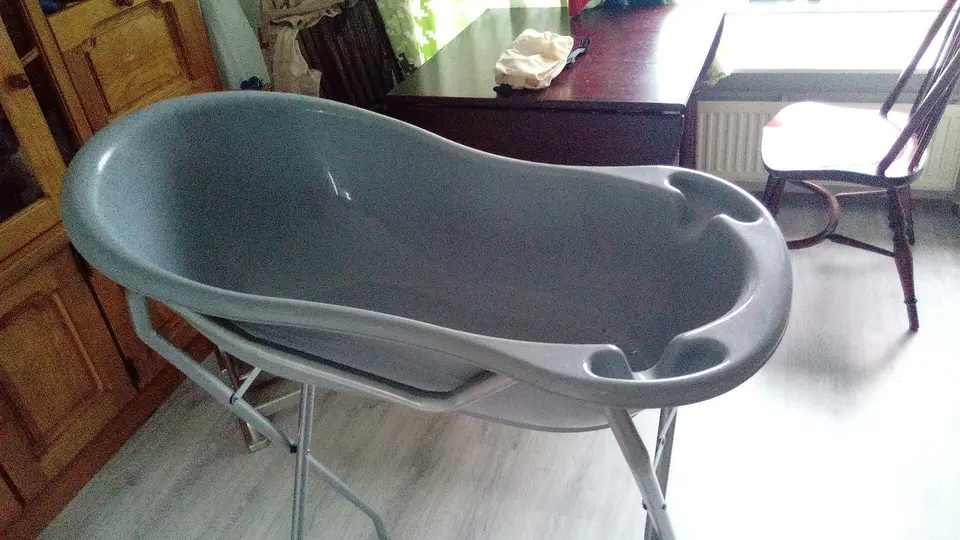 ArticleHow to bathe a newborn: preparation, order of washing and cord careBathing a newborn safely comes down to three things: a warm, draught-free room, water at about 37°C, and a quick 5–10 minute wash in a clean-to-dirty order — face, eyes, head, body…