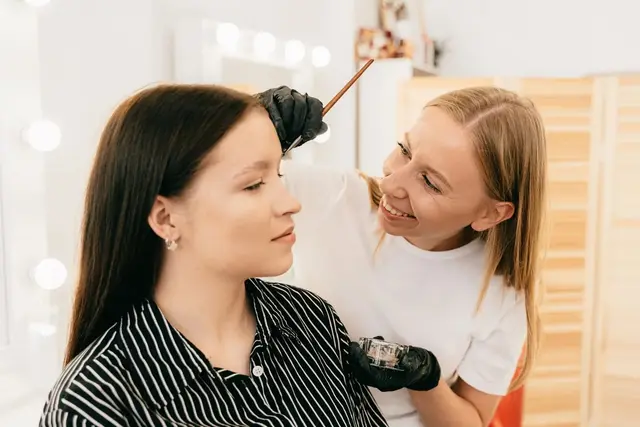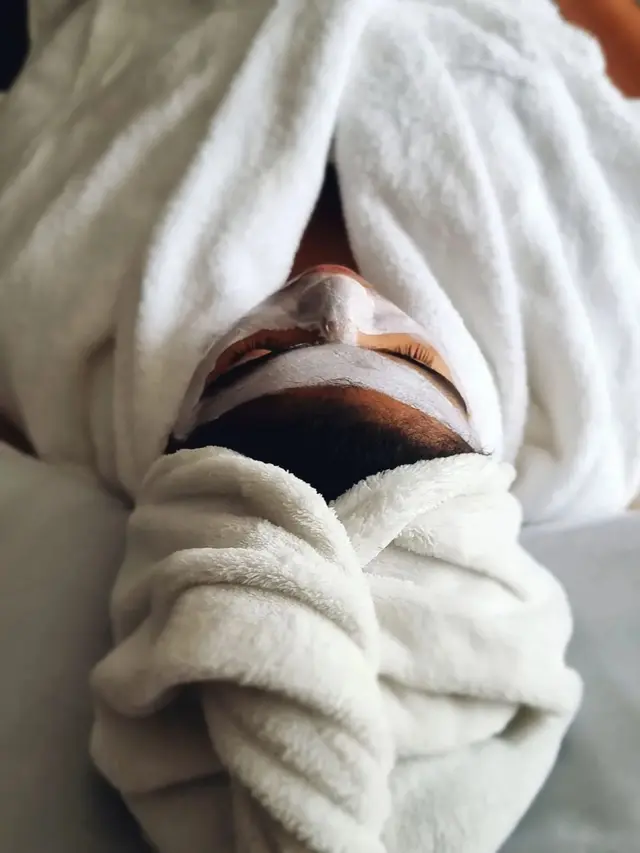
“Please go gently, I often get neck pain.” “Could the water be a little hotter?” “After the wash I just want to fall asleep.” The therapeutic head wash (in Vietnam called goi dau duong sinh) is a familiar service at many spas and hair-wash salons, and it is often the first service a new therapist is assigned. Because it is so familiar, many people underestimate it. Yet in this service the client lies on their back with the neck resting on a basin, with hot water and electricity very close by — done wrong, it can give the client neck pain, scald the scalp or make them dizzy when they sit up.
This lesson is an extension of the “Serving a complete client treatment” step. It reuses the massage skills from the “60-minute relaxing body massage” step, the health form from the “Client consultation & health information form” step, and the tool hygiene procedure. By the end of this lesson, you will be able to: (1) screen clients for contraindications before the wash; (2) prepare the wash bed, water, electrical equipment and tools safely; (3) carry out the 9-step procedure in about 60 minutes with correct neck positioning; (4) finish the treatment, complete the client record and give aftercare advice.
Three principles of the therapeutic head wash
Relaxation, not treatment
The therapeutic head wash combines cleansing the hair and scalp with massage of the head, face, neck and shoulders, plus gentle pressure on a few familiar points. Its purpose is relaxation. A therapist does not promise to cure headaches, insomnia, hair loss or blood pressure problems. When a client asks, be honest: “Many clients feel more comfortable afterwards, but if the symptoms persist, you should see a doctor.”
The neck is the area that needs the most protection
When a client lies on their back over a wash basin, the neck can easily be overextended, with the nape pressing on the hard edge of the basin. The medical literature records rare cases of vascular complications in the neck linked to prolonged neck extension during hair washing at salons. Although rare, this is why every position must keep the neck in a neutral position with a support cushion, and why you never twist, crack or press hard on the nape.
Hot water and electricity in the same place
A wash bed has a water heater or heating unit, a hair dryer, lights and sometimes a steamer. All of these must be installed by an electrician, with earthing and residual-current (earth-leakage) protection; handheld devices must be kept away from the basin. Therapists do not repair electrical equipment themselves and never use a hair dryer with wet hands.
Preparation before the client arrives
Tools and supplies
A clean wash bed, neck support cushion, bed sheet towel, neck towel and waterproof cape.
Suitable shampoo and conditioner (a regular type and one for sensitive scalps), plus massage oil or facial massage cream if used.
A water thermometer (recommended), hot towels already temperature-checked, and a disinfected wide-tooth comb.
A hair dryer on a rack away from the basin, and a socket with a protective cover.
A health information form, a pen and a clock.
Questions to ask when the client books or arrives
Do you currently have high blood pressure, dizziness or severe headaches in the past few days?
Do you have any cervical spine condition or injury, or have you recently had surgery on the head or neck?
Are you pregnant?
Does your scalp have any wounds, inflamed spots, itching or fungal infection, or have you recently had a perm, colour or bleach?
Are you allergic to any shampoo, herbs or essential oils? Have you drunk alcohol today, do you have a fever, or have you just eaten a very large meal?
The 9-step, 60-minute therapeutic head wash procedure
Greet and screen the client (about 5 minutes). Offer water, go through the health form, and explain the treatment and its duration. If there is a contraindication, suggest a more suitable service or rebook.
Position the client (about 3 minutes). Invite the client to lie down and adjust the support cushion so the nape is supported and the neck is not bent back over the edge of the basin. Wrap a towel around the neck and ask whether the client is comfortable. Taller or shorter clients need their position on the bed adjusted.
Dry massage of the head and face (about 8 minutes). Gently stroke the forehead, temples and the area around the ears, and lightly press areas such as Yintang (between the eyebrows), Taiyang (the temples) and Baihui (the crown) in rhythm with the client’s breathing. Use moderate pressure and check with the client after a minute or two.
Wet the hair and check the water (about 3 minutes). Test the water on the inside of your own wrist or with a thermometer; it is usually comfortably warm, around 37–40 °C. Let the water run from the front hairline towards the back, with one hand shielding the client’s ears and eyes. Ask the client again about the temperature.
First shampoo and scalp massage (about 10 minutes). Lather the shampoo in your hands first, then apply it to the hair. Use your fingertips (not your nails) to massage the scalp in small circles from the forehead to the nape. Rinse thoroughly.
Second shampoo, rinse and conditioning treatment (about 8 minutes). Do the second shampoo more quickly and rinse thoroughly. Apply conditioner to the lengths and ends of the hair, avoiding the roots for clients with an oily scalp. If you use a conditioning wrap, use a warm towel whose temperature you have tested.
Gentle neck, shoulder and nape massage (about 10 minutes). While the conditioner is working, gently massage the shoulders and the muscles on both sides of the neck with your palms. At the nape and the Fengchi points, press only lightly — no twisting, cracking or pulling of the neck. Stop immediately if the client feels dizzy, has numbness in the arms or feels pain.
Rinse, towel-dry and help the client sit up (about 5 minutes). Rinse out the conditioner completely, dry the hair with a towel and wrap it. Help the client sit up slowly and ask them to sit still for about one minute before standing, especially older clients.
Blow-dry, comb and give aftercare advice (about 8 minutes). Dry the hair and scalp, keeping the dryer a safe distance from the head and moving it constantly. Comb gently, offer warm water, ask how the client feels, complete the record and book the next appointment if the client wishes.
Safety: Never let the client’s neck bend back over the edge of the basin; always use a support cushion. Do not press hard, twist or crack the neck and nape. Test the temperature of the water and hot towels on your own wrist before touching the client. Do not use a hair dryer, straightener or any electrical device with wet hands or near the basin. Stop the treatment immediately if the client feels dizzy or nauseous, has numb hands, difficulty speaking or blurred vision, and call an ambulance if the signs do not quickly disappear.
Tips for keeping to the 60-minute rhythm
Place a clock where you can see it but the client cannot; avoid giving the client the feeling of being rushed.
Asking the client about pressure at steps 3 and 7 is enough; asking too often makes it hard for them to relax.
Keep one hand in light contact with the client when moving between steps; this creates a feeling of safety.
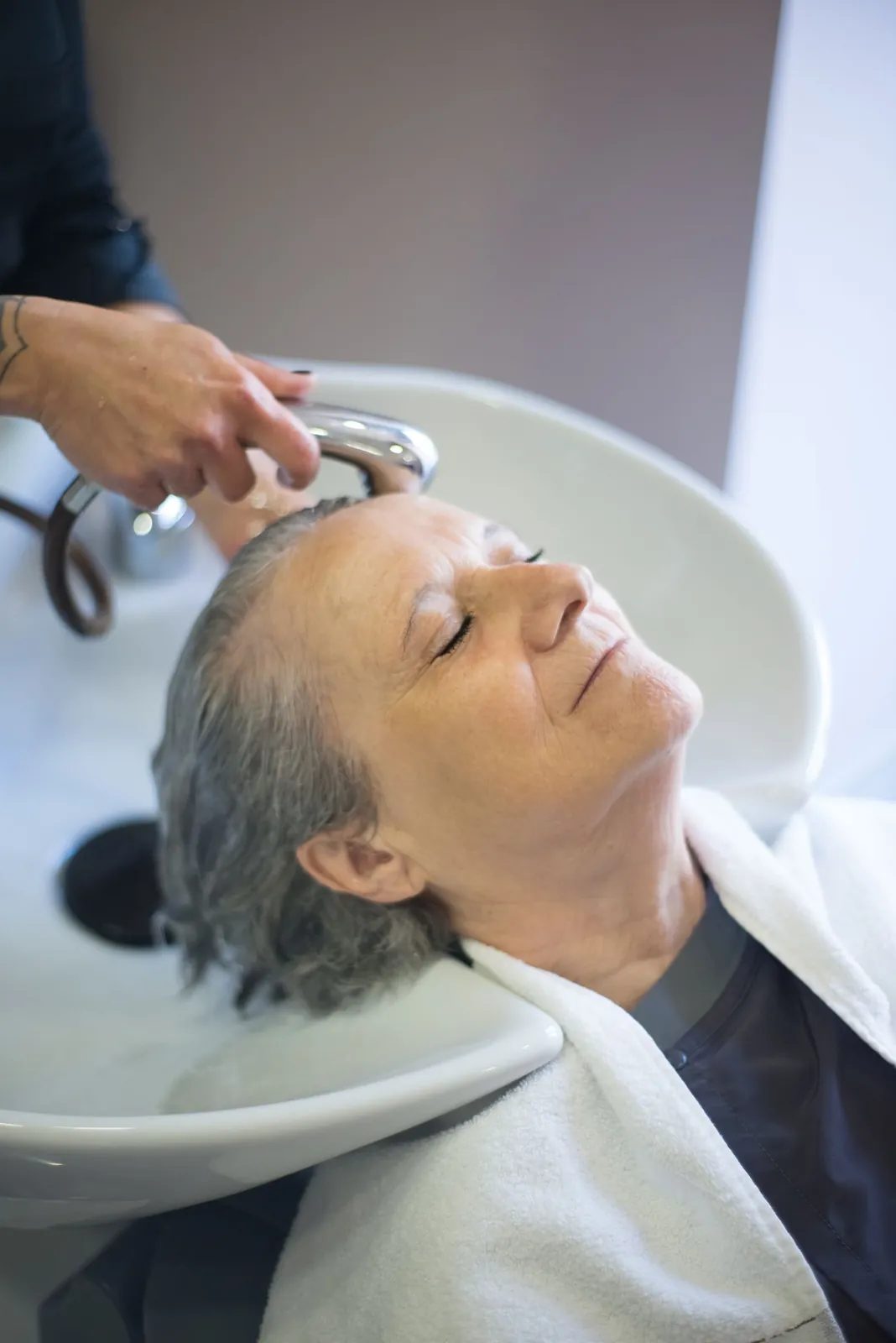
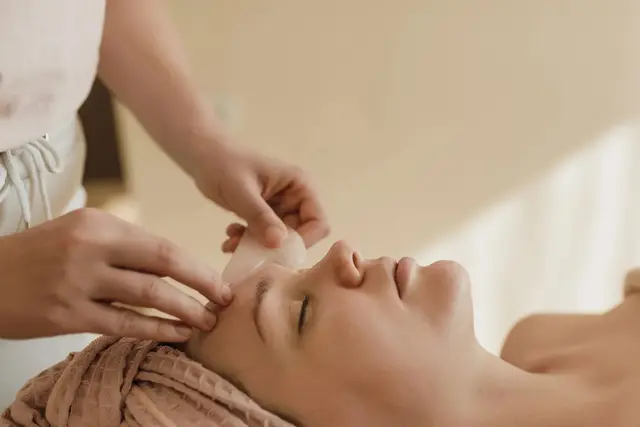
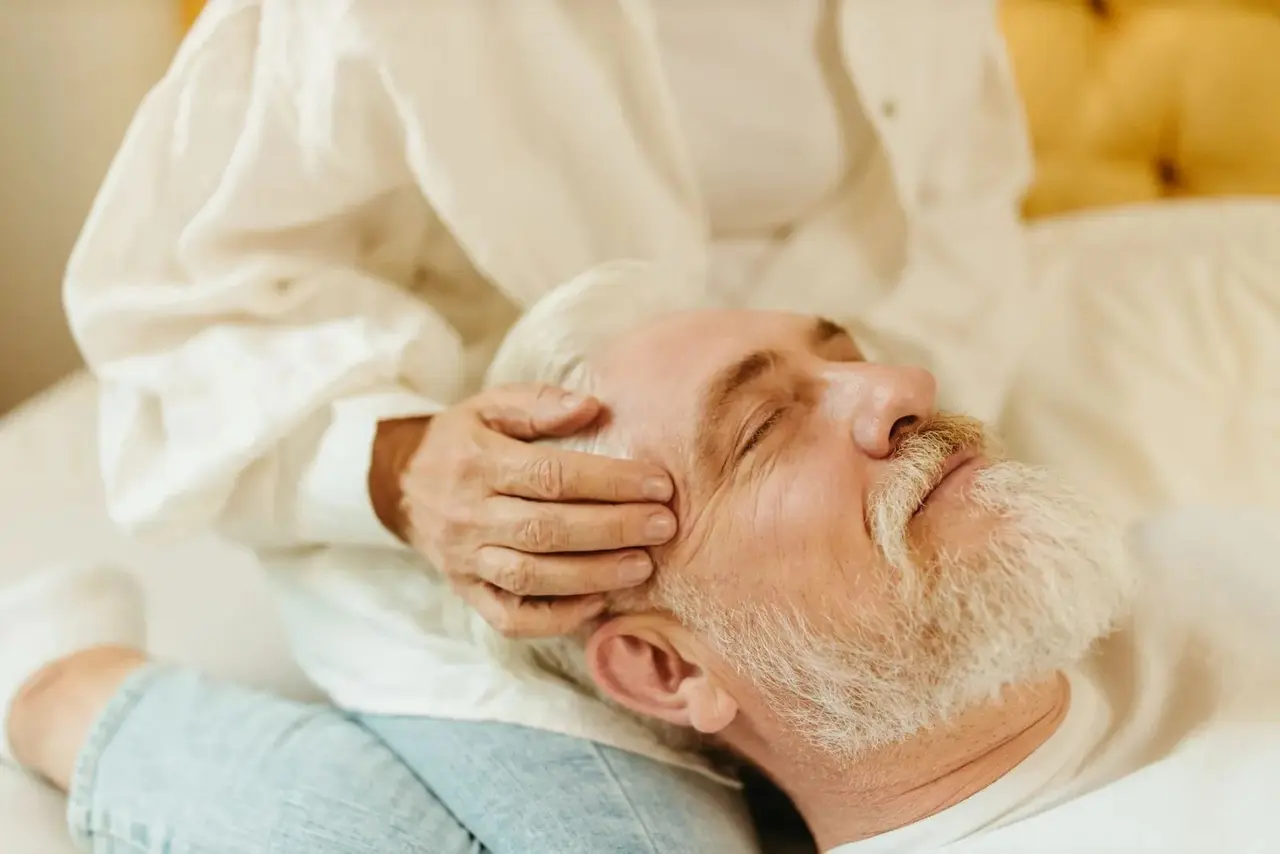
Figure 1. Client lying flat on her back on the bed while the therapist rests her hands lightly on the temples; head and neck are straight, not bent back. When washing on a wash bed, maintain this position with a support cushion under the nape.
Contraindications table and how to handle them
The table below reflects common reference practice for the therapeutic head wash in spas and does not replace a doctor’s advice. When in doubt, choose the more cautious option.
Client’s condition | Level | How to handle |
|---|---|---|
Has a fever, is unwell, or has just drunk alcohol | Do not perform | Rebook for when the client is well |
Dizziness, severe headache, unstable blood pressure | Do not perform | Advise the client to see a doctor |
History of stroke, vascular disease of the neck, cervical spine injury or surgery | Do not perform, or only with a doctor’s approval | Consider offering a seated wash with no neck massage |
Pregnancy | Caution; the client should ask her doctor | Short duration, no acupressure, no essential oils unless known to be safe |
Scalp wounds, inflammation, fungal infection, head lice | Do not perform | Advise a dermatology check; clean and disinfect the area if there has been contact |
Allergy to herbs or essential oils, sensitive skin | Caution | Use mild products and patch-test on a small area of skin |
Recent perm, colour or bleach | Caution | Ask when it was done and use products suitable for chemically treated hair |
Older clients | Caution | Mildly warm water, light pressure, help them sit up slowly |
Note: go through the health form again every time the client returns, because their condition may have changed. If the client does not want to answer, do not pressure them, but record this and serve them at the gentlest level.
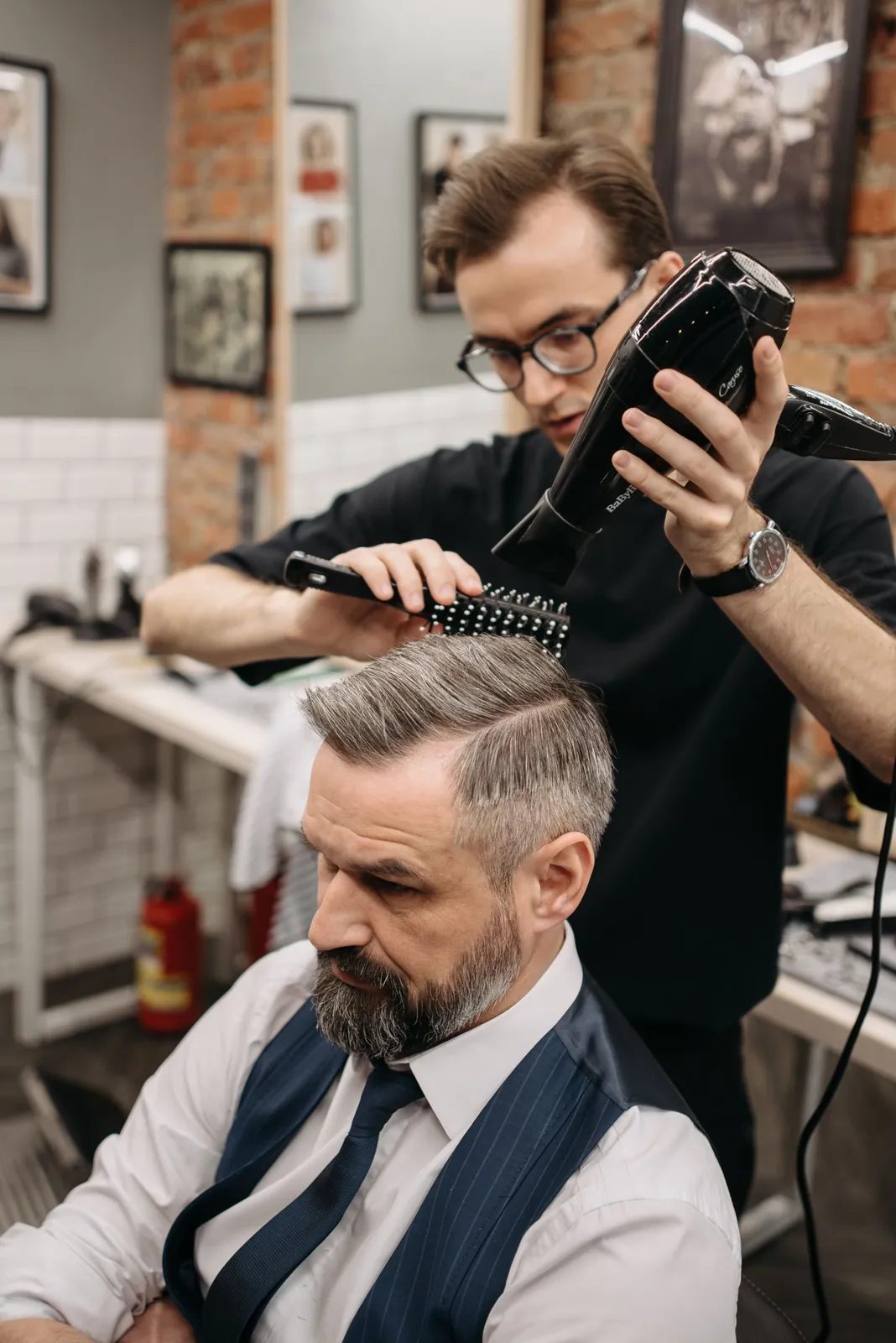
Figure 2. Washing at a reclining basin: the client’s nape rests on the basin edge with only a towel as padding. This position easily overextends the neck if prolonged — prefer a wash bed with a nape support cushion as in Figure 1, and always test the water on your own wrist before bringing the spray to the client’s hair.
Worked example: an office worker with frequent neck and shoulder fatigue
Situation
A female client of about 40, an office worker, books the 60-minute therapeutic head wash package. Health form: frequent neck and shoulder fatigue from sitting at a computer, slightly high blood pressure for which she takes medication, feels normal today, not pregnant, no known allergies. The client says: “Press hard on the back of my neck so it feels less tired.”
Narrowing down and planning
The client has no absolute contraindication: her blood pressure is being treated, and today she is not dizzy and has no headache. But the request to “press hard on the back of the neck” is something you do not do. You explain: “The nape has many blood vessels and nerves, so I will massage your shoulders and both sides of your neck a bit more firmly, but on the nape I will only press lightly, okay?” You choose comfortably warm water, not too hot, and adjust the timing: two minutes less at step 3, added to step 7 for the shoulders.
Plan and re-check
At step 2, you adjust the support cushion because the client is short and her nape does not yet touch the cushion. At step 4, you test the water on your wrist and ask the client — she wants it a little warmer, so you raise it slightly and ask again. At step 7, you massage the shoulders with your palms and the heels of your hands, both sides of the neck with moderate pressure, and press the nape lightly in rhythm with her breathing. At step 8, you help her sit up slowly and sit still for a minute; she is not dizzy. You record: shoulder pressure “moderate – firm”, water “slightly warmer than usual”, nape pressed lightly only, client satisfied — next time, another therapist reading the record will know exactly what to do.
Basic hand techniques for washing and head massage
Fingertip circles
Place all ten fingertips on the scalp with the thumbs resting lightly. Move the scalp in small circles rather than rubbing your fingers over the hair — this cleans well, tangles the hair less and does not scratch the skin. Work from the front hairline to the crown, then from both temples towards the nape.
Gliding and stroking
Use the pads of your fingers to glide gently from the centre of the forehead out to the temples, and from the eyebrows up to the hairline. Movements are slow and even, following the client’s breathing. Do not stretch the facial skin, especially around the eyes.
Gentle press and hold
Place the pads of your fingers on the area, increase pressure gradually over a few seconds, hold for one or two breaths, then release slowly. The pressure should be just enough for the client to feel comfortable, not painful. Use only light pressure on the nape and the sides of the neck.
Squeezing and kneading the shoulders
Cup the shoulder muscle with your whole hand, squeeze gently and release, combined with kneading using the heel of your hand. Avoid pressing deeply into one point with your thumb for too long. Ask the client about pressure the first time.
Remember: the therapist’s hands must be clean, with short nails and no rings; rings and bracelets can scratch the client’s skin or catch in their hair.
Common situations
The client feels dizzy during the wash
Stop immediately, turn off the water, support the client in a comfortable position and ask how they feel. If the dizziness persists, or they have difficulty speaking, weakness in an arm or leg on one side, a drooping mouth or blurred vision — call emergency services (115 in Vietnam) immediately and do not let the client get up and go home on their own.
The client wants very hot water
Explain that overly hot water dries out the scalp and can easily cause redness and stinging. Increase the temperature gradually within safe limits and test it again on your wrist. Older clients and people with diabetes may have reduced sensitivity to heat — take extra care.
You discover lice, fungal infection or a wound after starting
Stop politely and explain gently, without embarrassing the client in front of others. Advise them to see a dermatologist. Replace all towels and disinfect the comb and wash bed according to the hygiene procedure before serving the next client.
The client falls asleep
That is a good sign. Finish gently, wake the client with a quiet voice and a light touch on the shoulder, and wait until they are fully awake before helping them sit up.
Common mistakes
Neck bent back over the basin edge — sign — the client’s nape gets tired and they have to lift their own head. Cause — no support cushion or wrong positioning. Fix — always adjust the support cushion for each client at step 2.
Not testing the water — sign — the client flinches because it is too hot or too cold. Cause — relying on the previous client’s temperature. Fix — test on your wrist or with a thermometer before each wetting.
Scratching with fingernails — sign — red, scratched scalp. Cause — long nails or habit. Fix — keep nails short and use your fingertips.
Pressing hard on the nape because the client asked — sign — the client feels dizzy or has pain afterwards. Cause — trying to please the client. Fix — explain and shift the pressure to the shoulders.
Leaving the hair dryer near the basin — sign — wet power cord, risk of electric shock. Cause — convenience. Fix — hang the dryer on a rack away from water and dry your hands before picking it up.
Promising to “cure” illness — sign — the client has the wrong expectations and complains. Cause — repeating advertising claims. Fix — only talk about relaxation and advise seeing a doctor when needed.
When to stop and call someone with authority: if the client shows unusual neurological signs (difficulty speaking, weak arms or legs, drooping mouth, blurred vision, dizziness that does not ease) — call emergency services (115) and inform the manager immediately; if the client is scalded; if electrical equipment smells of burning, leaks current or trips the circuit breaker (MCB) — stop using it, tell the manager to call an electrician, and do not repair it yourself.

Figure 3. Blow-drying the hair and scalp after washing, moving the dryer evenly together with a comb. Hair dryers and electrical equipment are always stored on a rack away from water and plugged into a socket with residual-current protection.
Hygiene after each client
Change the towels and cape; put used towels in a separate bag for laundering. Clean the wash basin, and wipe the bed and neck cushion with a disinfectant suitable for the surface. Clean the combs and hair clips, then disinfect them according to the tool hygiene step. Check that the electrical area is dry before welcoming the next client.
Recording and reporting to the client
Record on the client card: date, therapist, health status declared by the client, products used, the client’s preferred water temperature, pressure, any unusual reaction, and the client’s feedback. A good record helps you serve the client the way they like next time without asking everything again from the start.
Sample aftercare script:
“Today I washed your hair with comfortably warm water and massaged your shoulders more firmly, but I only pressed lightly on the back of your neck. Please drink a little more warm water and sit and rest for a moment before you stand up. If your neck stays tired for a long time or you have bad headaches, you should see a doctor.”
As for pricing, the price of a therapeutic head wash package varies by spa, area and time; therapists should use their own establishment’s price list and not quote their own prices.

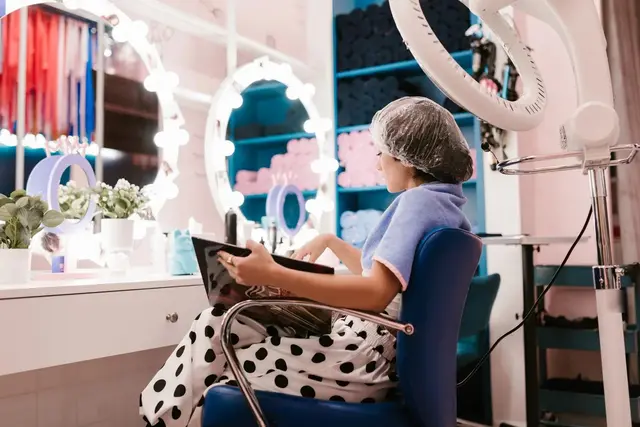
Figure 4. Writing information on a clipboard form while talking with the client. Asking all the health questions before the treatment helps detect contraindications and protects both the client and the therapist.
Frequently asked questions
Can a therapeutic head wash cure headaches or insomnia?
You should not promise that. The therapeutic head wash is a relaxation service; many clients feel more comfortable afterwards, but it is not a treatment method. Clients with persistent headaches or insomnia should see a doctor.
How warm should the wash water be?
Usually comfortably warm, around 37–40 °C depending on the client’s preference. Always test it on the therapist’s wrist first and ask the client; older clients and those with sensitive skin need slightly cooler water.
Can pregnant women have a therapeutic head wash?
Not necessarily. They should ask their doctor first. If you do serve them, prefer a comfortable seated or lying position, a short duration, no acupressure, comfortably warm water and no essential oils unless they are known to be safe.
Should herbal shampoo be used for every client?
No. Herbs and essential oils can both cause allergies. Ask about allergy history on the health form and patch-test on a small area of skin for clients with a sensitive constitution.
Can clients with high blood pressure have a head wash?
Not necessarily. If the client is on stable treatment and feels well, you can serve them gently, with water that is not too hot and no hard pressure on the neck and nape. If the client is dizzy, has a severe headache or unstable blood pressure, do not perform the service and advise them to see a doctor.
Practice exercises
Role-play with a classmate: ask all five health form questions and decide whether to serve the client in three scenarios given by the instructor.
Adjust the neck support cushion for three classmates of different heights and ask the instructor to check the neck position.
Test water with your wrist and then check it with a thermometer ten times, recording the difference between your sense and the measurement.
Perform the complete 9-step procedure in 60 minutes, with someone timing each step.
Complete the client record after the treatment and present your aftercare advice.
Self-assessment criteria — you pass when:
You correctly identify the contraindications in the sample scenarios.
The client’s neck is always in a neutral, supported position.
Water and hot towels are always tested before touching the client.
You never press hard, twist or crack the nape during the whole treatment.
You finish in about 60 minutes and complete the record in full.
After this lesson, move on to the “Safety and service skills assessment” step, where the practical exam may include a therapeutic head wash treatment observed by an examiner.