How much a car repaint costs depends on its scope: a small scratch touch-up runs about 300,000–900,000 VND, one panel such as a door or bumper on a mainstream car about 900,000–2,000,000 VND, and a full repaint about 15–45 million VND for mainstream cars and much more for luxury cars (2026 reference for Vietnam, varying by region, paint type and shop). The big differences come from whether panel beating and filler are needed, whether the colour is easy or hard to match, and whether the shop has a heated spray booth or paints outdoors. This lesson helps you, as an auto body painter about to start work, read a price list, understand how a garage repaints a car, and write a quote whose figures add up.
By the end of this lesson, you will be able to:
- Give price ranges for painting one door, a touch-up, a bumper, bonnet, roof and a full repaint by vehicle class.
- Explain to a customer the six factors that make paint prices differ between shops.
- List the 10 stages of a garage repaint in the right order with typical times.
- Write a per-panel quote for a car after a minor collision, with a total that matches every line.
- Recognise the safety risks of solvents, paint dust and fire when quoting and working.
Learning auto body and paint properly? Quoting and job hunting is step 8, the last step of the roadmap, after chemical safety, dent repair, frame straightening, body filler, colour matching, spraying and restoring a complete door. See the 8-step auto body and paint roadmap to learn in the right order.
How is a car repaint priced?
Body shops in Vietnam usually quote per panel: each door, front bumper, rear bumper, bonnet, roof, boot lid and wing (fender) is one panel. A full repaint is quoted as a package because it involves removing many parts and much more masking.
What a per-panel price includes
- Materials: filler, sandpaper, primer, basecoat, clearcoat (the clear gloss layer), hardener, thinner, masking tape and paper.
- Labour: removing and refitting parts, surface preparation, colour mixing, spraying, polishing.
- Shop costs: electricity for the heated booth, compressor, filters, equipment depreciation, rent.
A per-panel price usually covers all three. Dent repair, replacing parts and complex removal (lamps, mirrors with sensors) are usually charged separately.
Three levels of damage, three levels of price
Painters sort damage into three levels. Light scratches only in the clearcoat can often be polished out without paint. Deep scratches down to the colour or primer, or a small patch of missing paint (Figure 1), need a local touch-up. Dents, cracks, wide peeling or rust need beating, filler, primer and a full panel repaint.
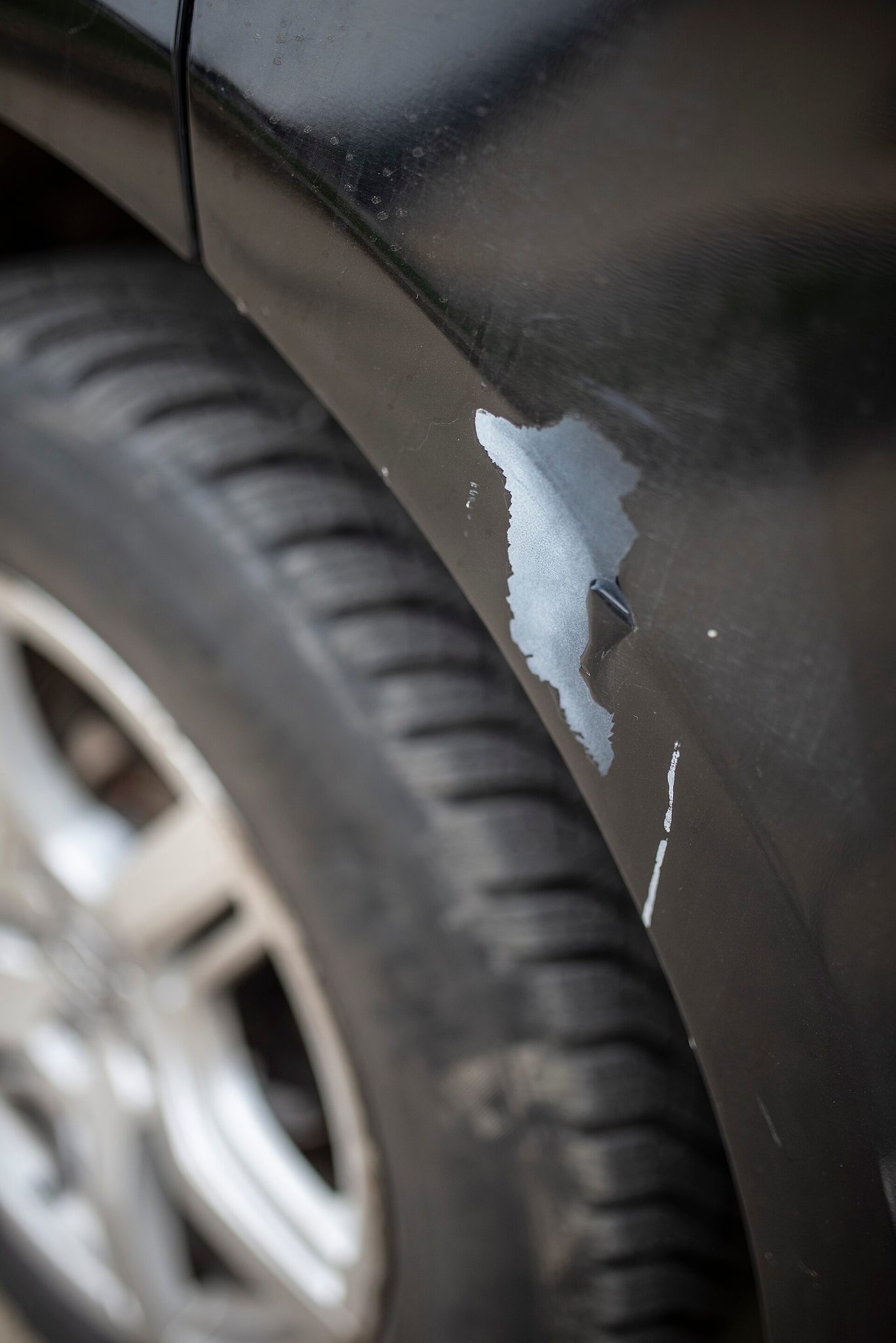
Photo: Shixart1985 / Wikimedia Commons, CC BY 2.0
Car repaint price list, 2026 reference
The ranges below are 2026 references for independent garages with heated spray booths in big Vietnamese cities, excluding heavy dent repair, replacement parts and VAT if an invoice is needed. Authorised dealer body shops are usually higher; small provincial shops painting outdoors may be lower.
Prices per panel
| Item | Mainstream car (A–C segment) | SUV, pickup, D segment | Notes |
|---|---|---|---|
| Touch-up of a small scratch (under palm size) | 300,000–900,000 VND | 500,000–1,200,000 VND | Hard colours need wider blending |
| One door | 900,000–1,800,000 VND | 1,300,000–2,500,000 VND | Excluding dent repair |
| Front or rear bumper (plastic) | 900,000–1,800,000 VND | 1,200,000–2,500,000 VND | Needs plastic adhesion primer, sensor removal |
| Wing (fender) | 800,000–1,500,000 VND | 1,000,000–2,000,000 VND | |
| Bonnet | 1,200,000–2,500,000 VND | 1,800,000–3,500,000 VND | Large area, flaws show in sunlight |
| Roof | 1,500,000–3,000,000 VND | 2,000,000–4,000,000 VND | Careful masking of glass and seals |
| Small dent repair (extra) | 200,000–800,000 VND/panel | 300,000–1,000,000 VND/panel | Depends on depth and body lines |
Full repaint prices
| Vehicle type | Same colour | Colour change (door shuts and bays too) |
|---|---|---|
| A and B segment (small) | 15–25 million VND | 25–40 million VND |
| C and D segment sedan | 20–35 million VND | 30–50 million VND |
| 7-seat SUV, pickup | 25–45 million VND | 35–60 million VND |
| Luxury car | From 40 million VND | Quoted after inspection |
Three-stage pearl, difficult metallics and matte colours typically add about 15–40% over solid colours. Older cars with rust and cracked old paint that must be stripped to the base cost much more and take much longer (Figure 3).
Legal note on colour changes
As a general principle in Vietnam, the paint colour is recorded on the vehicle registration, so a full colour change usually requires updating the registration. Procedures, documents and fees may change; tell customers to check with the current vehicle registration authority before changing colour. A shop should never promise "it's no problem".
Six factors that make paint prices differ
Customers often ask why one shop charges 1 million and another 2 million for the same door. Whoever quotes must be able to explain it with concrete factors.
Paint type and paint system
2K paint (two components: paint plus hardener), solvent-borne or waterborne, from dedicated automotive paint makers holds its colour and gloss far better and costs much more than 1K paint or aerosol cans. A good clearcoat resists UV better and yellows less after a few years.
Heated booth or outdoors
A booth with filtered air, good lighting and heat curing keeps dust off and dries the paint evenly and quickly. Painting outdoors (Figure 2) is cheaper but dust and insects stick to wet paint, it dries slowly, lasts less well and is dangerous for the painter and the neighbours.
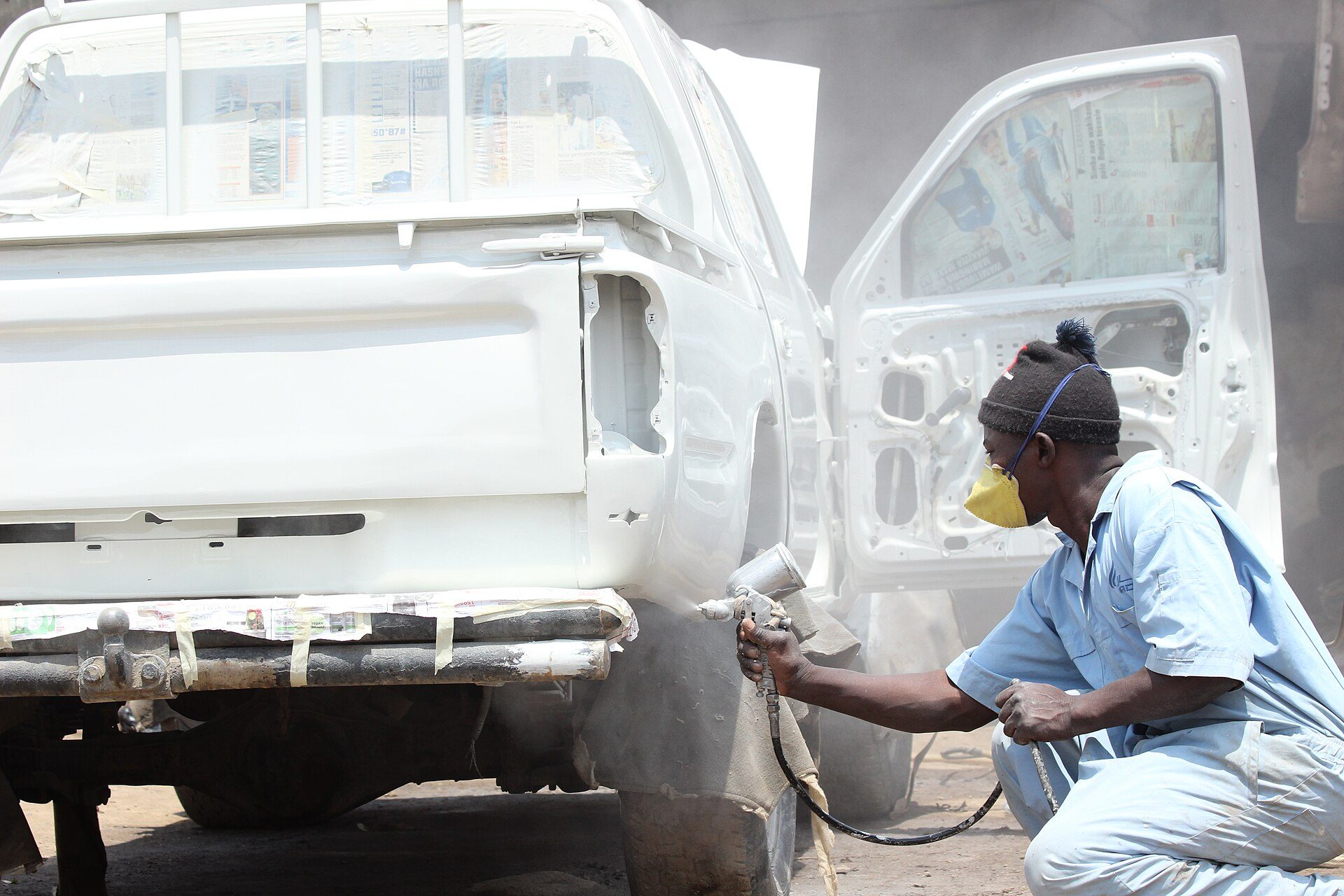
Photo: KelvinJM / Wikimedia Commons, CC BY-SA 4.0
Colour, damage, skill and location
- Colour: pearl white, silver and metallic grey are hard to match, need spray-out cards and blending into the next panel.
- Damage: dent repair, thick filler and rust treatment add a lot of labour.
- Skill: a good colour matcher gets it right in fewer tries, wastes less paint and redoes less work.
- Location and shop type: dealer shops and big city garages have higher rent, equipment and warranty costs than small shops.
How a garage repaints a car: 10 stages
Knowing the process lets you promise realistic delivery times and explain why a repaint cannot be done "in a morning". Below is the process for one panel with a small dent and a deep scratch.
From check-in to primer
- Check-in and photos: note the mileage and items inside, photograph every existing mark to avoid disputes.
- Remove parts: handles, trims, lamps, mirrors if needed, stored in labelled trays.
- Dent repair: bring the metal back close to shape; the closer the shape, the less filler.
- Filler and sanding: thin coats of filler, sanded from coarse to fine (about P80 to P320).
- Primer: spray 2K or epoxy primer over bare metal, cure, then wet or dry sand fine (about P400–P600) (Figure 3).
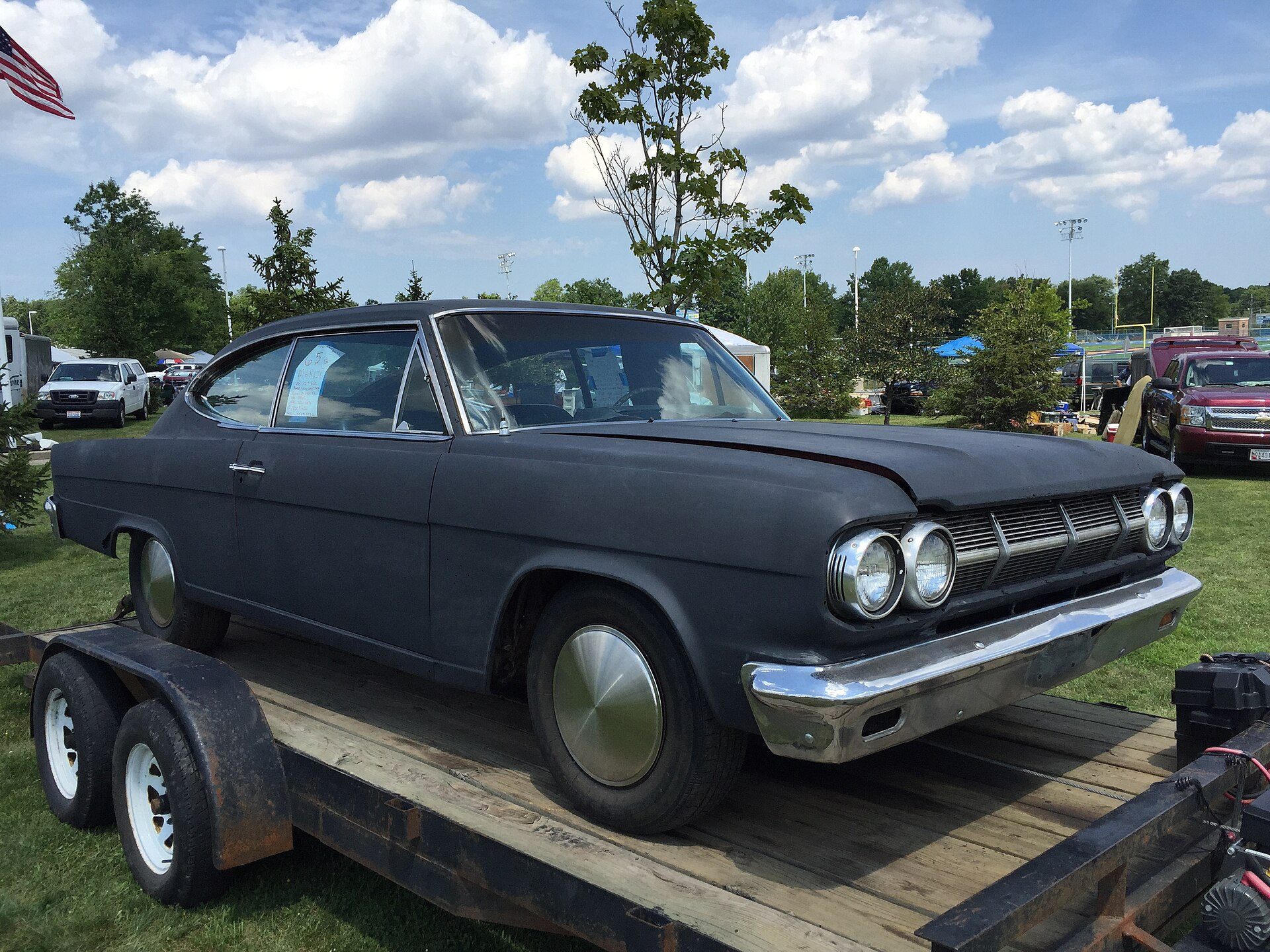
Photo: CZmarlin — Christopher Ziemnowicz — a photo credit is required if this image is used anywhere other than Wikipedia. / Wikimedia Commons, CC BY-SA 4.0
From colour mixing to handover
- Masking: tape and paper or film over everything not being painted, especially glass, seals and lamps.
- Colour mixing by code: find the paint code on the car's label, weigh the formula, spray a test card, compare under a colour-matching lamp and in daylight.
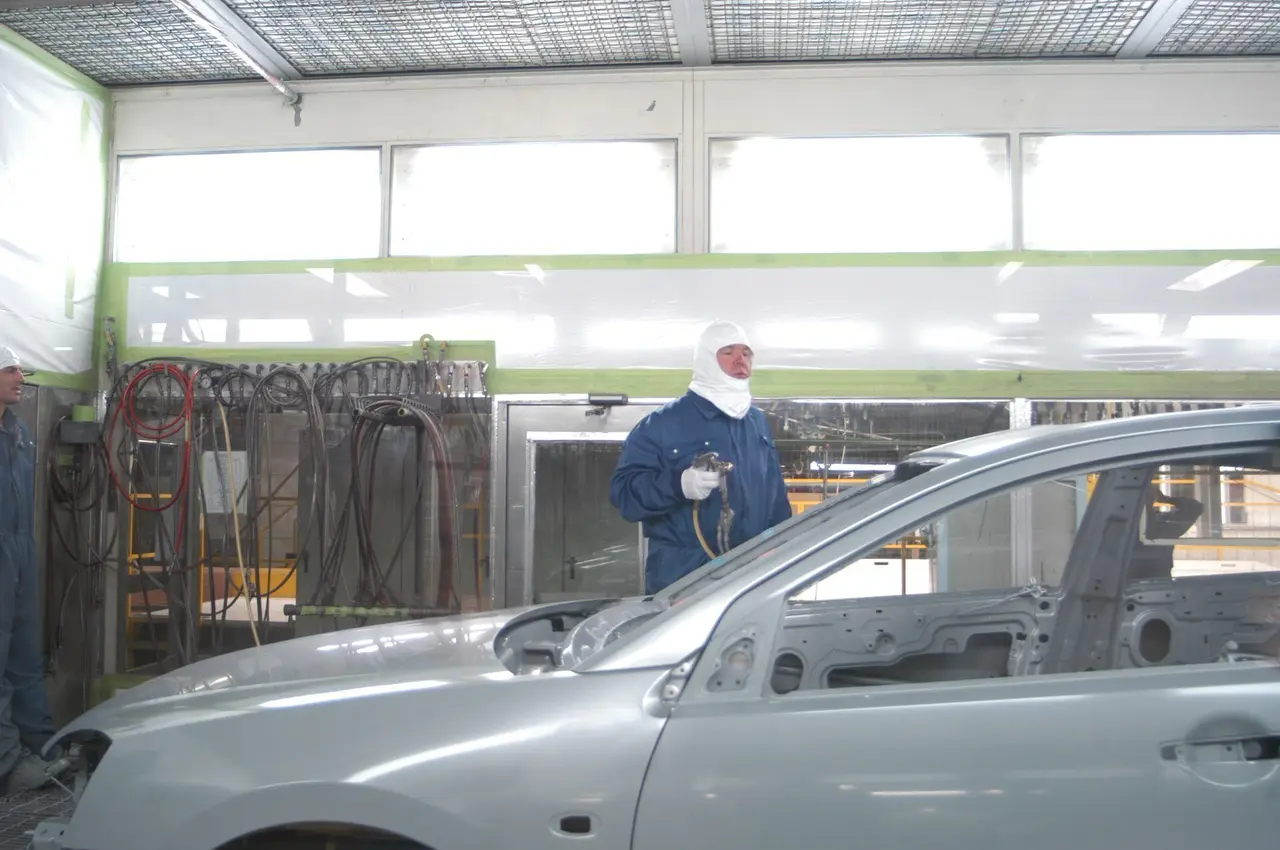
- Basecoat and clearcoat in the booth: spray the colour coats, respect flash-off times, spray clearcoat, cure as the paint maker instructs (Figure 4).
- Polishing: fine wet sanding of dust nibs and orange peel, then multi-stage polishing.
- Refit, inspect, hand over: refit parts, check panel gaps and colour in sunlight, wash the car, and advise the customer to avoid pressure washing or polishing for the first days as the paint maker recommends.
Typical turnaround times
| Scope | Typical time | Why |
|---|---|---|
| One small touch-up | Half a day to 1 day | Primer and clearcoat still need to cure |
| 1–2 panels, small dents | 1–3 days | Beating, filler, primer, colour matching |
| 3–5 panels after a collision | 3–5 days | More removal and blending |
| Full repaint | 7–15 days | Many parts removed, masking, rust repair |
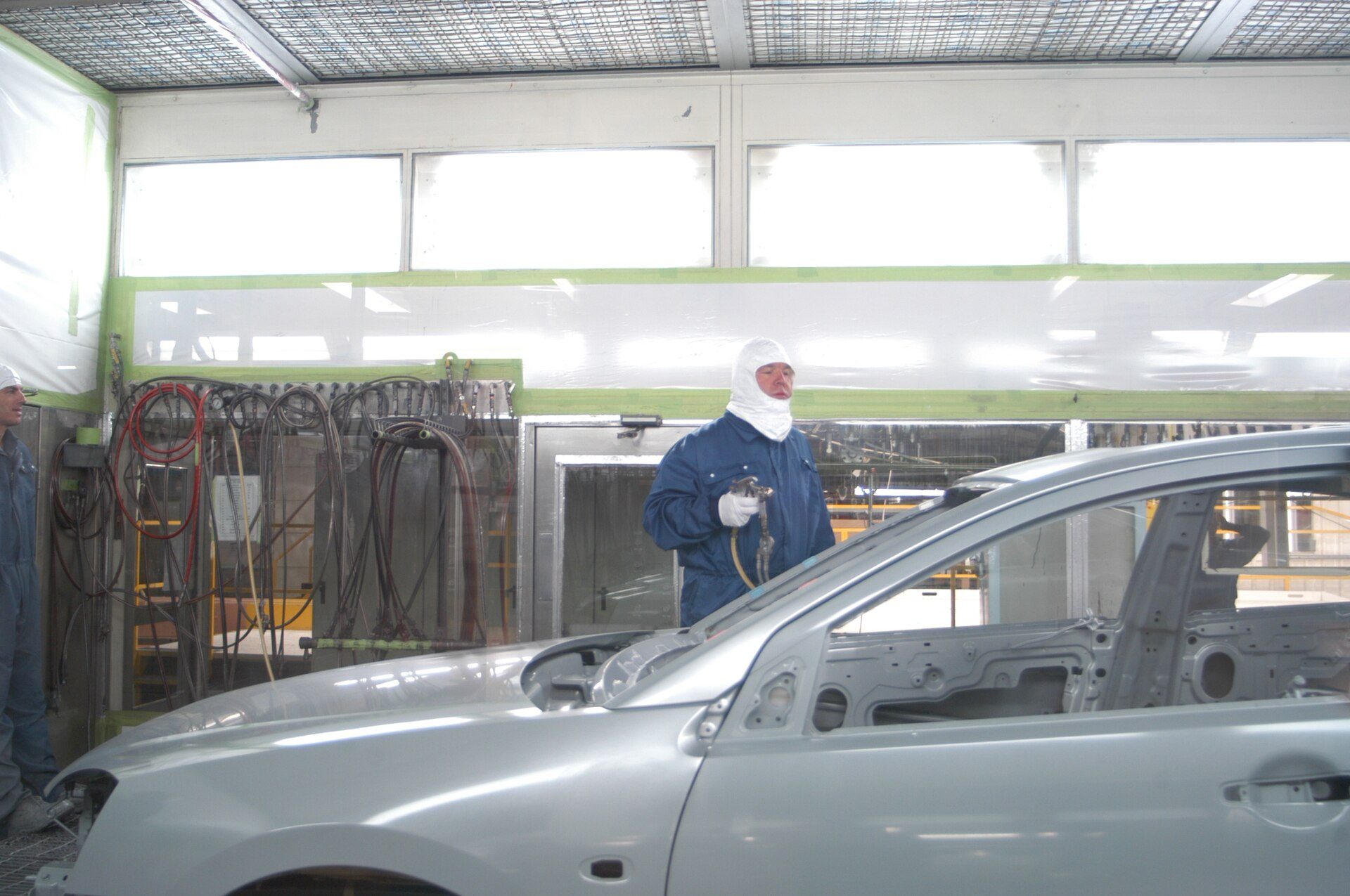
Photo: Chrysler Restorers SA / Wikimedia Commons, CC0
Worked example: quoting a C-segment sedan after a scrape
A customer brings in a silver metallic C-segment sedan. Inspection shows: the right front door has a small dent and a deep scratch, the rear bumper has wide scuffs, and the bonnet has one small scratch down to the colour. The customer is paying privately, not through insurance. Prices follow the table above, 2026 reference.
Breaking down the job
- Right front door: small dent repair and full panel paint.
- Silver metallic is hard to match, so blend the colour into part of the right rear door so the eye cannot see an edge.
- Rear bumper: remove, prepare and paint the whole panel.
- Bonnet: touch up the small scratch.
- Final polish of all painted areas.
The quote
| Item | Calculation | Amount |
|---|---|---|
| Dent repair, right front door | 1 panel × 400,000 VND | 400,000 VND |
| Paint right front door | 1 panel × 1,300,000 VND | 1,300,000 VND |
| Blend into right rear door | Half panel, fixed price | 600,000 VND |
| Paint rear bumper (incl. removal and refit) | 1 panel × 1,200,000 VND | 1,200,000 VND |
| Touch-up of bonnet scratch | 1 scratch × 500,000 VND | 500,000 VND |
| Final polish | Fixed price | 500,000 VND |
| Total (excluding VAT) | 4,500,000 VND | |
Check: 400,000 + 1,300,000 + 600,000 + 1,200,000 + 500,000 + 500,000 = 4,500,000 VND (~US$170). Promised delivery: 3 working days (day 1 removal, dent repair, filler; day 2 primer, colour mixing, spraying; day 3 polishing, refitting, inspection).
Notes on the quote
State clearly: the price may rise if hidden damage is found after removal (broken bumper clips, rust inside the door frame), and the shop will inform the customer before doing extra work; the colour and adhesion warranty follows the shop's policy; aftercare instructions. If the job goes through insurance, the insurer will assess and approve the items; any difference or deductible is paid by the customer according to their policy.
Safety: solvents, paint dust and fire
A cheap quote that skips safety is a wrong quote. Respirators, filters, dust extraction and a proper paint store are essential costs of the trade.
Safety warning: Solvents and the isocyanate hardeners in 2K paint are toxic to inhale and can cause occupational asthma and long-term harm: when spraying, wear a respirator with in-date activated carbon cartridges or an air-fed mask as the paint maker recommends, and spray in a ventilated booth; cloth masks do nothing. Dust from sanding filler and old paint is very fine: wear a certified dust mask and goggles and use dust-extracted sanders. Wear nitrile gloves when mixing paint and never wash your hands in petrol or thinner. Paint and solvents are flammable: no flames, no smoking, no grinding or cutting that makes sparks near the mixing and spraying areas; earth equipment and wear antistatic clothing; put solvent-soaked rags in a lidded metal bin; keep the paint store ventilated with a suitable fire extinguisher. If you feel dizzy, short of breath or nauseous, get to fresh air at once and see a doctor; in Vietnam call 114 for fire and 115 if someone collapses.
Spray guns and pressure
An HVLP spray gun (high volume, low pressure, Figure 5) transfers more paint onto the surface and throws less overspray than a high-pressure gun, saving paint and reducing solvent vapour in the booth. Set pressure and fluid tip according to the gun and paint makers' instructions; do not raise the pressure to "go faster".
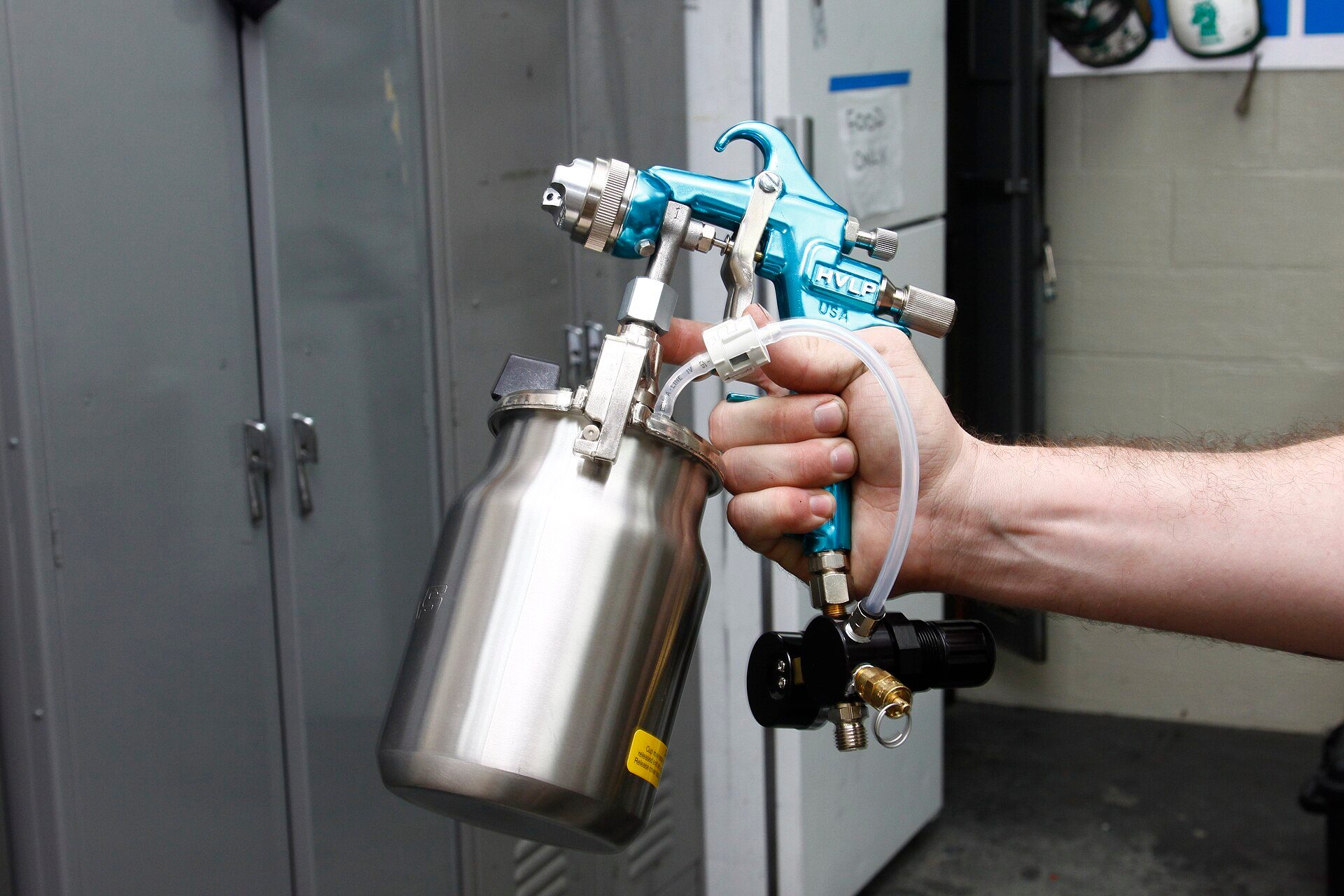
Photo: Cpl. Salvador Moreno / Wikimedia Commons, Public domain
Waste handling
Leftover paint, dirty solvent, paint-soaked masking paper and booth filters are hazardous waste. Collect them separately and hand them to a licensed collector under current rules; never pour them down the drain.
Frequently asked questions
How much does it cost to paint one car door?
For a mainstream car, about 900,000–1,800,000 VND per door excluding dent repair; SUVs and D-segment cars about 1,300,000–2,500,000 VND (2026 reference for Vietnam, varying by region and shop). Hard colours may need blending into the next panel at extra cost.
Is a full repaint worth it?
Yes when the old paint is faded, cracked or peeling in many places, or when you want a colour change and accept the registration paperwork. If only a few panels are damaged, painting per panel is much cheaper and keeps the original factory paint on the good panels.
Will a touch-up show?
Done properly (accurate colour, blending, clearcoat wider than the colour area, polishing), it is very hard to see with the naked eye. Silver, pearl and faded cars show it more easily; tell the customer in advance.
Why are dealer body shops more expensive than independent garages?
Usually because of carmaker-approved materials, booth equipment, inspection and warranty processes and higher running costs. An independent garage with a good booth and skilled painters can still deliver good quality for less.
Practice exercises and self-assessment
- Survey 3 shops near you for the same job, "paint one door of a C-segment sedan", and note whether each has a heated booth.
- Write a quote for a pearl white 7-seat SUV: wide scuffs on the front bumper, a small dent in the left front wing, a scratched left mirror. Use mid-range prices from the table and add 20% to the paint items for pearl.
- Write the 5 notes that must appear on every quote you issue.
Self-assessment criteria
- Pass: your quote separates dent repair, paint, blending and polishing, and the total matches every line.
- Pass: you can explain at least 4 price factors to a customer.
- Pass: your notes cover extra work, warranty, aftercare and the registration point for colour changes.
- Not yet: you give one lump sum without items, or promise same-day delivery for work that needs beating, filler and primer.
This is the last step of the roadmap. To review, go back to Paint chemical, dust & fire safety and work through each step again, redoing the full door restoration. To grow further, study colour matching with a spectrophotometer, luxury and special colours, damage assessment with insurers, or move towards leading a paint shop team.
Review the auto body and paint trade: chemical safety, dent repair, frame straightening, filler, colour matching, spraying, polishing and quoting. See the 8-step auto body and paint roadmap.