“Press harder for me, it's as stiff as a rock. Just crack my neck once and I'll be done.” Office workers who book a 30-minute neck and shoulder massage during their lunch break often say exactly this. They are short on time and want to “feel the relief” fast. A therapist who simply goes along with it can easily make dangerous mistakes: pressing hard on the sides of the neck, kneading directly on the spine, twisting the client's neck, or carrying on even after the client says their arm is going numb.
By the end of this lesson, you will be able to: (1) ask quick screening questions to know which clients you can treat and which you must postpone; (2) choose between a seated chair position and lying face down; (3) perform a roughly 30-minute sequence with the right pressure for each area; (4) recognise the signs that mean you must stop, and give the client aftercare advice.
What a spa neck and shoulder massage is, and what it is not
This is a short relaxation service focused on the back of the neck, the tops of the shoulders and the upper back. The goal is to help the client's shoulders feel more comfortable and lighter, and to give them a real rest in the middle of the working day. It is not physiotherapy, it is not spinal or joint manipulation, and it does not treat disease.
Do not tell the client “after this your neck pain will be gone” or “this cures cervical spondylosis”. Say instead: “I'll give you a relaxing massage on the neck, shoulders and upper back so your shoulders feel lighter. If the pain lasts a long time or your arm goes numb, you should see a doctor.”
What office clients need from a 30-minute session
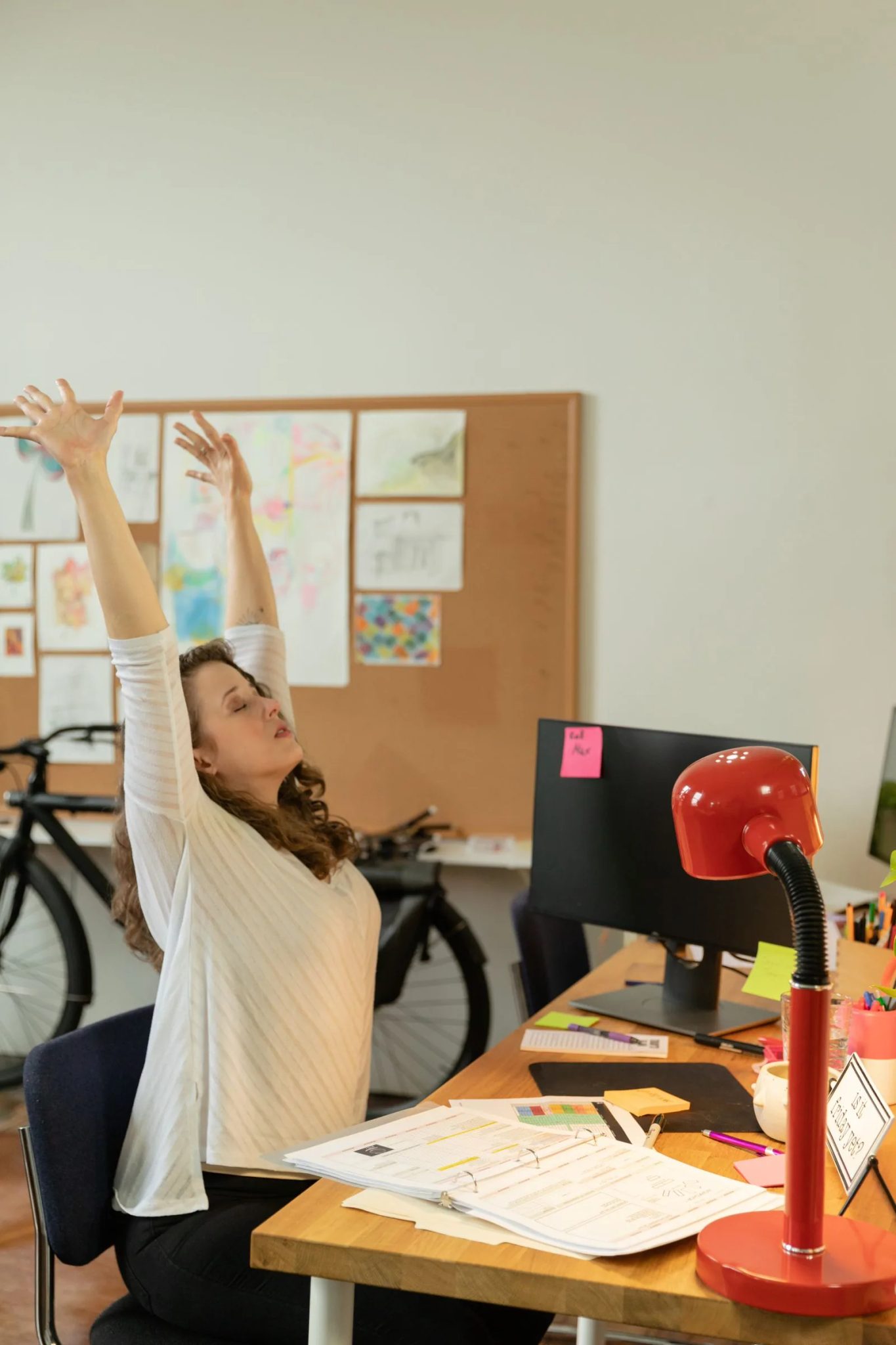
Figure 1. An office worker slumped over his laptop from fatigue. Clients like this usually book a short session mid-day and want genuine rest, not extremely strong pressure. (Photo: Vitaly Gariev, Pexels)
Things you will often notice with office clients:
Tight on time: many come during their lunch break and have to be back on time.
Wearing work clothes: they do not want oil in their hair or on their collar, or a strong essential-oil smell when they walk back into a meeting; they do not want red marks or bruises on the neck and shoulders.
Aches from sitting for long periods: they often describe tired shoulder tops, a stiff back of the neck, aching between the shoulder blades, or a tired mouse arm. You record what the client tells you; you do not “diagnose”.
Want strong pressure: many clients believe that the more it hurts, the better it works. Pressing too hard makes the muscles tense up, bruises easily and leaves the client sore for days.
For these reasons, this session should use little or no oil (or be done through a towel), no heavy scents, moderate pressure, and should end with time for the client to tidy their hair and clothes.
Quick consultation before you start
Even a short session still needs a health form; add a few extra questions specific to the neck and shoulders.
Questions to ask
“Which area would you like me to focus on most: the back of the neck, the tops of the shoulders, or between the shoulder blades?”
“Have you recently had a fall, a motorbike accident, or an injury to the neck or shoulder? Have you had surgery on the neck, shoulder or spine?”
“Do you often get numbness, pins and needles or tingling down the arm or into the fingers? Is it numb right now?”
“Today, do you feel dizzy, have a bad headache, a fever, or unusual tiredness?”
“Are you being treated for blood pressure, taking anticoagulants (blood thinners), do you have osteoporosis, or are you pregnant?”
“Would you like it with oil or without? What time do you need to leave?”
Write the answers on the form, then check them against the table below.
When to postpone, when to work gently
What the client reports or what you see | Decision | What to do |
|---|---|---|
Recent neck or shoulder injury (fall, traffic accident, impact) | Postpone | Advise the client to see a doctor first; do not try to “massage it away” |
Recent surgery on the neck, shoulder or spine | Postpone | Only treat once the treating doctor allows it, and according to spa policy |
Current numbness, pins and needles or weakness in the arm; numbness spreading down the arm when bending or turning the neck | Do not work on the neck or arms | Advise the client to see a doctor |
Severe, sudden headache that is completely different from usual; dizziness, nausea | Do not treat | Advise the client to see a doctor immediately; if accompanied by weakness in the arms or legs or difficulty speaking, call emergency services on 115 |
High blood pressure that is not under control, or the client is unsure | Caution or postpone | See the frequently asked questions below |
Taking anticoagulants, bruises easily | Caution | Light pressure, no deep squeezing, do not work one point for long |
Osteoporosis, elderly; fever, currently unwell | Caution / postpone | Light pressure, do not press on bone; if feverish, rebook for when they are well |
Pregnant | Caution | Follow spa policy; seated with back support or side-lying with pillows, never face down; light pressure; for high-risk pregnancies ask the doctor first |
Unusual lump or swelling in the neck, wounds, sunburn or rash on the shoulders | Avoid that area | Do not press on it; for an unusual lump, advise the client to see a doctor |
When you have to postpone, make it clear that it is for the client's safety: “I'd rather not work on your neck today, because you have numbness going down your arm. Please get it checked first so you can be sure, then come back and I'll look after you.”
Choosing the position: seated chair or face down
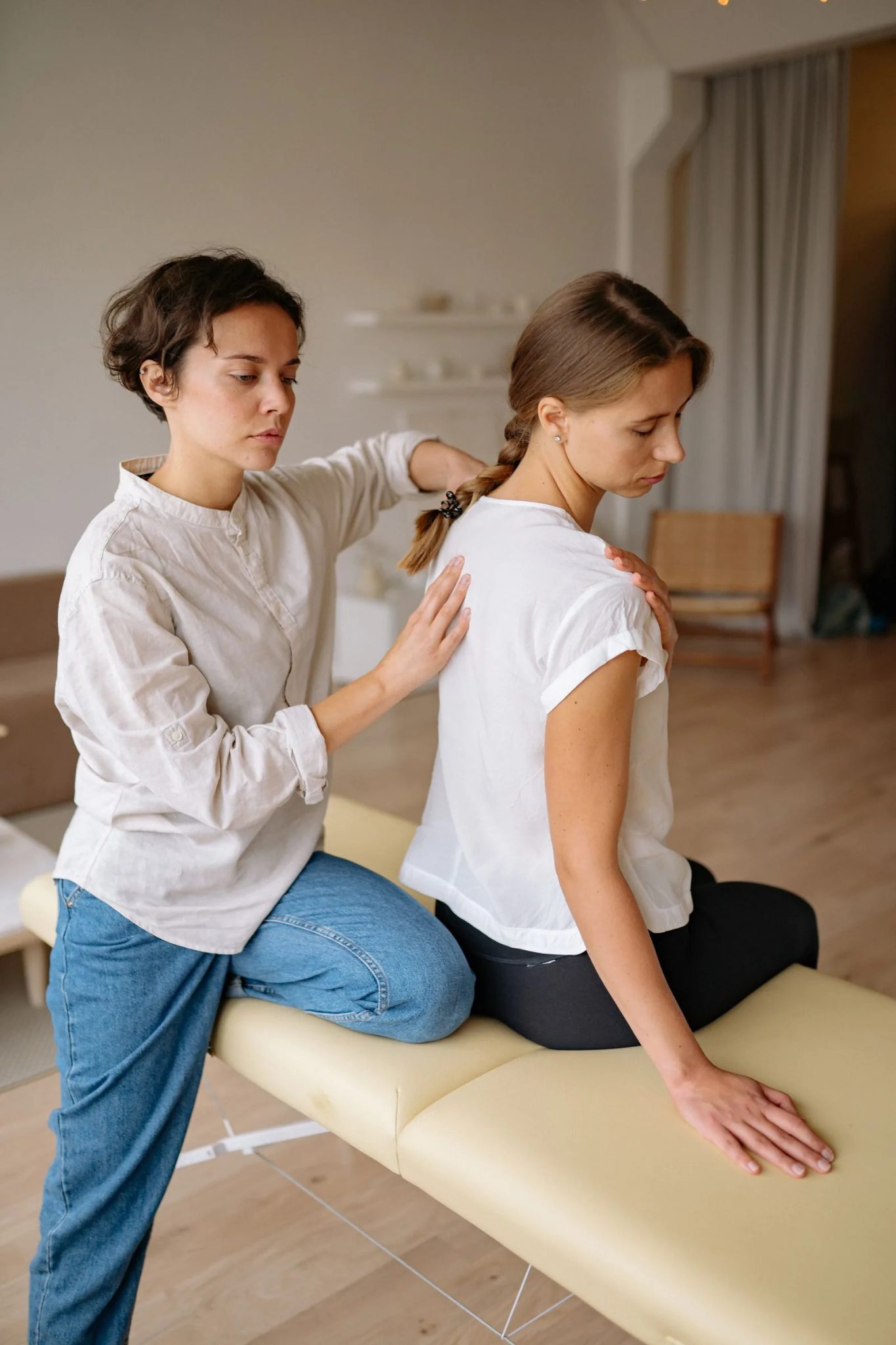
Figure 2. The therapist stands behind the seated client and observes the shape of her shoulders before starting. Observation is only to decide which areas need more attention; never use it to tell the client they are “misaligned” or “ill”. (Photo: Yan Krukau, Pexels)
Dedicated massage chair
The chair has a face cradle, a chest pad and arm rests; the client stays fully clothed. Well suited to short sessions.
Adjust the face cradle so the client's neck is straight and comfortable, with the chin not tucked too deeply and the head not tilted back.
Put a clean paper sheet or towel on the face cradle for each client.
Ask whether the forehead or nose is being squashed or whether it is hard to breathe; adjust immediately if so.
Lying face down on a couch
Suitable when the client wants massage with oil, or when the spa has no dedicated chair.
Use a couch with a face hole or a face cushion; cover with clean paper or a towel.
If the client has a blocked nose, is pregnant, or is uncomfortable face down, switch to the seated position.
Ordinary chair with a support in front
The client sits on a stable chair (no wheels, no swivel), resting the forehead and both arms on a thick pillow placed on a table.
With oil or without
Working through clothing or a thin towel, without oil, suits the seated chair and the lunch break: use pressing, squeezing and rolling, not strong gliding strokes that chafe the skin. Working directly on the skin with a little oil suits the face-down position: ask about scent allergies, keep oil away from the hairline, and wipe clean with a warm towel before the client puts their top back on.
Map of areas to work and areas to avoid
Areas to work
The back of the neck (both sides of the cervical spine), the hairline at the nape, the tops of the shoulders from the base of the neck out to the shoulder joint, the upper back between the shoulder blades and along the inner border of the shoulder blades, the upper arms and the hands. See the table below for pressure in each area.
Areas to avoid
Front of the neck and throat: this is where the windpipe and voice box are. Do not press or squeeze.
Front sides of the neck: where you can feel a pulse. This area contains the large blood vessels leading to the brain; pressing here can make the client faint. Do not press, knead or squeeze hard.
Hollow above the collarbone: blood vessels and nerves run through here down to the arm. Do not push your fingers into this hollow.
Directly on the spine: do not press or knead on the bony points that stick out along the middle of the back and the back of the neck. Work on either side of the spine.
Armpit: do not press into the armpit hollow.
Never crack, twist, jerk or forcefully rotate the neck in any form. Spinal manipulation is outside the scope of a spa therapist.
Table of areas, techniques and pressure (for reference)
Pressure is given on a scale the client rates themselves, from 0 (feels nothing) to 10 (unbearable pain). This is a way of asking so you understand each other; it is not a standard.
Area | Main techniques | Pressure (reference) | Notes |
|---|---|---|---|
Upper back, between the shoulder blades | Palm strokes, palm pressure, thumb rolling on either side of the spine | Moderate, about 4–6/10 | Work beside the spine, not on it; do not lean your whole body weight on a seated client |
Along the inner border of the shoulder blade | Slow rolling with the thumb or the thumb pad, short holds | Moderate, about 4–6/10 | Follow the edge of the bone; do not pry or hook your fingers under the bone |
Top of the shoulder | Kneading with the whole hand, palm pressure | Moderate, about 4–6/10 | Squeeze with the whole hand, do not pinch with the fingertips; do not pull the shoulder upwards |
Back of the neck | Gentle squeezing with the thumb and fingers, small circles | Light to moderate, about 3–4/10 | Back only; support the client's head; do not press the front sides of the neck |
Hairline at the nape | Gentle fingertip circles | Light, about 2–3/10 | Do not press deep, do not hold for long, do not pull the head back |
Upper arm, hand | Gentle squeezing, rubbing the palm | Light to moderate, about 3–4/10 | If the client feels numbness or tingling, stop immediately |
Front of the neck, front sides of the neck, hollow above the collarbone, armpit | Do not work | 0 | Areas to avoid |
The 30-minute sequence (for reference)
The timings are a suggestion for a 30-minute booking slot, including greeting the client and finishing up; each spa may divide the time differently.
Hand pressure: general principles
Build up gradually: start light and only increase pressure after a few passes.
Use your body weight, not straining fingers: stand firmly and transfer pressure through the palm or the thumb pad.
Ask about pressure early and ask again when you move to a new area: “Does this pressure feel light, medium or strong?”
Tell “achy but pleasant” apart from “sharp pain”: if the client grimaces, holds their breath or tenses their shoulders, you are pressing too hard.
Bruising is not a sign of good work.
Step 1. Greet the client, quick questions and choose the position (about 4 minutes)
Confirm what time the client needs to leave, ask the consultation questions, and invite the client to take off necklaces and large hair clips. Choose the position and adjust the face cradle. Wash or sanitise your hands.
Step 2. Placing your hands and connecting (about 2 minutes)
Tell the client first: “I'm going to start now.” Place both palms on the tops of the client's shoulders and hold still for a few breaths. Then stroke lightly from the upper back up to the shoulders and out to the shoulder joints.
Step 3. Stroking and rubbing to warm the upper back and shoulders (about 3 minutes)
Make long palm strokes on both sides of the spine from the middle of the back up to the shoulders and then fan out to the sides; when working through clothing, replace this with palm pressure in stages. Ask about pressure for the first time at the end of this step.
Step 4. Kneading the tops of the shoulders (about 4 minutes)
Place your whole hand on the top of the shoulder, thumb behind and the other fingers in front. Gently lift the muscle and release, moving from the base of the neck out to the shoulder joint and back. The fingers in front only rest lightly to hold; do not press into the hollow above the collarbone.
Scenario: the client says “harder, please”. Increase slightly, then ask again. If you are already at a strong level and the client still wants more, explain: “I'll keep this pressure so your shoulders don't bruise, and I'll spend a bit more time on this spot for you.”
Step 5. Upper back and around the shoulder blades (about 5 minutes)
Use the thumb or the thumb pad to roll slowly along both sides of the upper spine, a small distance away from the vertebrae, not on the spine itself.
Roll along the inner border of the shoulder blade, from top to bottom.
When the client says “that's exactly the sore spot”, hold gentle pressure for a few breaths and then release; do not keep kneading one spot hard.
When the client is in a chair, do not push your whole body forward so that their chest is squashed into the pad.
Step 6. Back of the neck and hairline at the nape (about 4 minutes)
This is the area that requires the most care.
Support the client's head: in a massage chair, the head is already in the face cradle. If the client is sitting upright, support their forehead lightly with one hand and work with the other. If face down, the head rests still in the face hole.
Gently squeeze the back of the neck: place the thumb on one side and the other fingers on the other side at the back of the neck, squeeze gently and release, moving from the base of the neck up towards the hairline. Your fingers must not wrap around to the front of the neck.
Circles along the hairline at the nape: use your fingertips to make small, light circles, working from the centre out to both sides behind the ears. Do not press deep or hold any point for long.
Do not rotate, pull or tilt the client's neck back.
Scenario: the client says “I suddenly feel tingling going down my arm”. Stop immediately and follow the “Signs that you must stop immediately” section; do not “squeeze more to clear it”.
Step 7. Upper arms and hands (about 3 minutes)
Gently squeeze the upper arm from the shoulder down to the elbow, rub the palm, and gently pull each finger (no jerking, no cracking the joints). If the client feels numbness or pins and needles, stop.
Step 8. Finishing (about 3 minutes)
Make a few long strokes from the upper back out to the shoulders, gradually slowing down. Hold gentle pressure on both shoulder tops, then lift your hands away.
Let the client sit up slowly and rest for about one to two minutes (for reference) before standing, especially after lying face down or leaning into the face cradle.
Wipe off any oil with a warm towel and offer a glass of water.
The steps total about 28 minutes, leaving a few minutes in reserve.
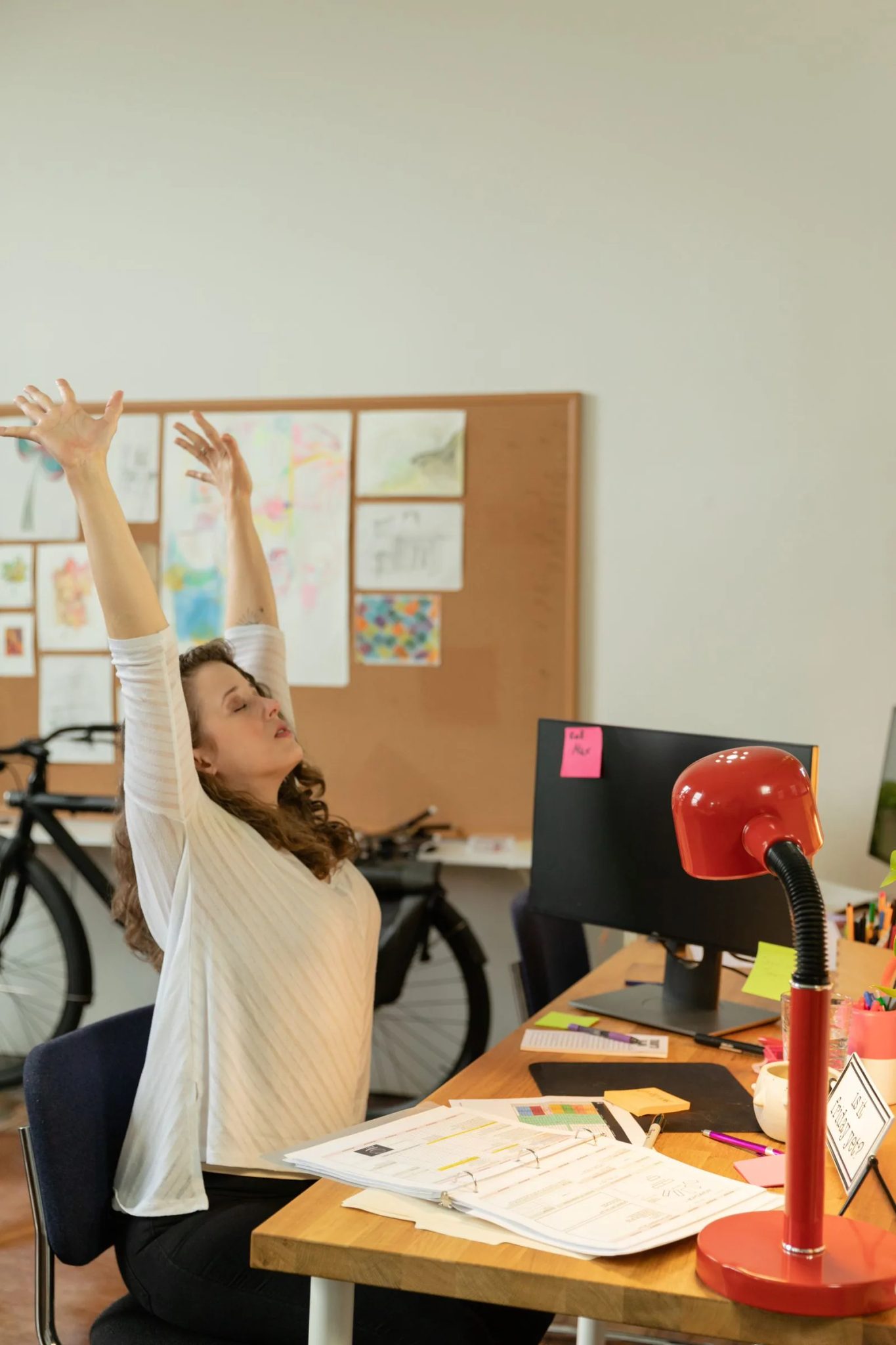
Figure 3. The client is seated and clothed; the therapist places her hands on the shoulder blade area and the top of the shoulder. When working through clothing, use pressing and whole-hand squeezing, do not press on the spine, and do not wrap your hands around the front of the neck. (Photo: Yan Krukau, Pexels)
Signs that you must stop immediately
Stop the massage if, during the session or straight afterwards, the client shows any of these signs:
Numbness, pins and needles, tingling or weakness spreading down the arm or into the fingers.
Dizziness, light-headedness, seeing spots, blurred vision, nausea.
A sudden, severe headache.
Sharp, stabbing or electric-shock-like pain in the neck or shoulder.
Shortness of breath, chest tightness, sweating heavily, an unusually fast heartbeat.
Difficulty speaking, a drooping mouth, weakness or numbness on one side of the face or body.
The client asks you to stop or appears very uncomfortable.
What to do when you have to stop
Take your hands away and stop all movements. Do not try to “press acupressure points to revive them”, do not rub hot balm on the neck, and do not shake or slap the client.
Help the client into a safe position: sitting with firm back support, or lying on their side if they want to lie down. Do not let the client stand up suddenly.
Stay with the client, ask how they feel, call for help and inform the manager.
If there are serious signs such as difficulty speaking, a drooping mouth, weakness on one side of the body, shortness of breath, chest tightness, a sudden severe headache or fainting: call emergency services on 115 immediately.
Even if the client feels completely better, do not continue the session that day; advise them to see a doctor.
Record on the form: the time, the area you were working on, what the client reported and how it was handled.
Your job is to stop, keep the client safe and advise them to see a doctor, not to guess the cause.
Some common scenarios
A female client books at 12:15, must leave at 12:50, and is wearing a white shirt. Choose the chair, work through a thin towel, without oil. Tell the client: “I'll work for 25 minutes, leaving a few minutes for you to tidy your hair and clothes.” Set a timer and finish on time.
A client says “when I sit for a long time my little finger goes numb”, and it is still numb today. Do not work on the neck or arms that day. Advise the client to see a doctor to find out the cause. If the client still wants to relax, you can suggest another service such as a foot massage.
Aftercare advice for the client
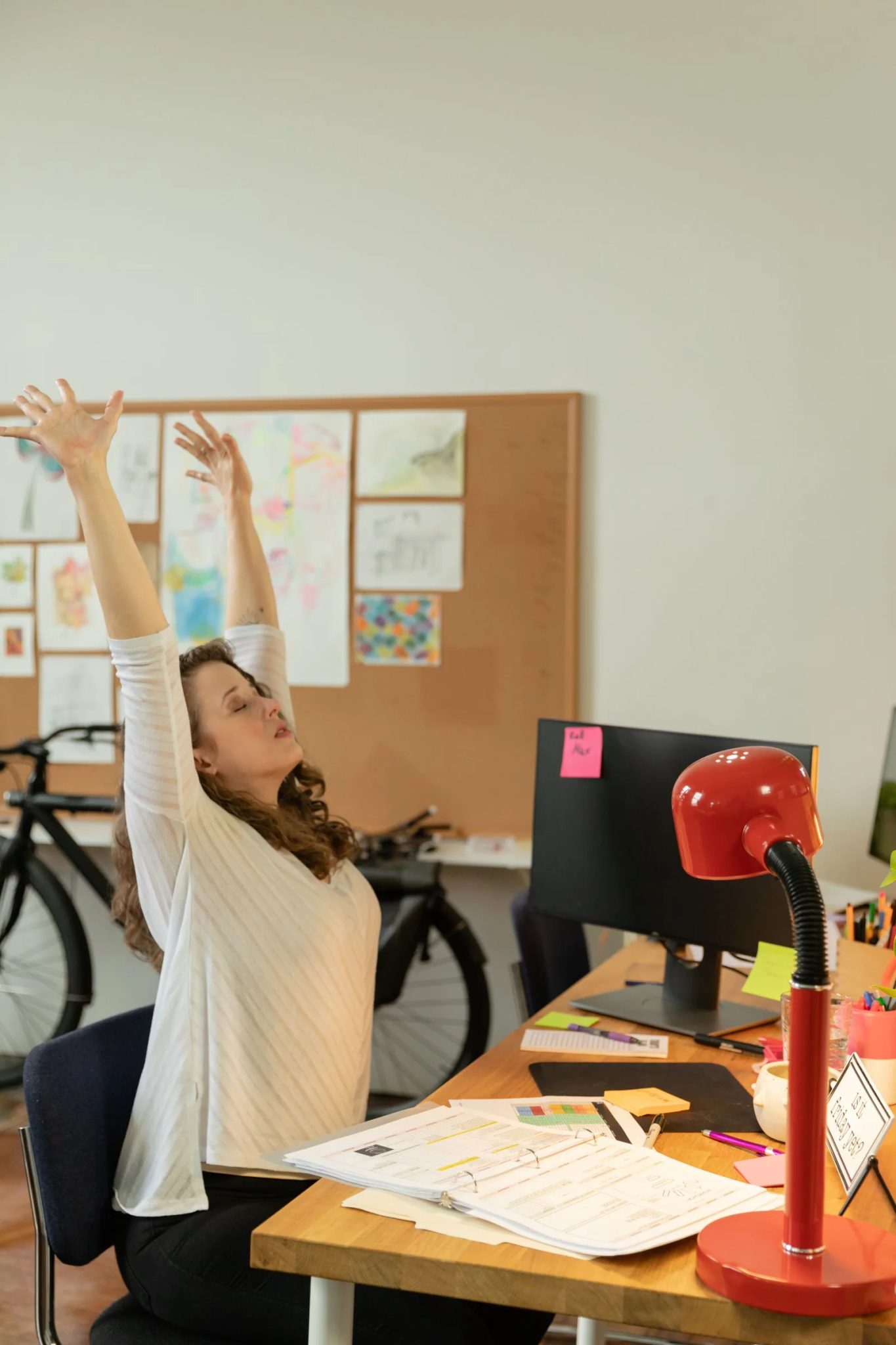
Figure 4. Stretching during the working day. You can suggest that clients stand up and move gently after each long period of sitting, but do not “prescribe” exercises as a therapy. (Photo: RDNE Stock project, Pexels)
The shoulders may feel slightly tender for about a day (for reference), especially after a first session. If the pain increases, or there is swelling, spreading bruising, numbness in the arm or dizziness, see a doctor.
Drink water as normal. Do not say “drink lots of water to flush out toxins”, because that is not something massage does.
Avoid cracking or forcefully twisting your own neck, or asking someone else to crack it.
General suggestion: during the working day, stand up and walk around from time to time, stretch gently, and position the screen so you don't have to bend your head down for long periods.
Clients whose neck and shoulder pain lasts a long time or keeps coming back should see a doctor.
Safety checklist
Before the session
Asked about neck or shoulder injuries and surgery, arm numbness, dizziness, headache, blood pressure, anticoagulants and pregnancy.
Decided whether to treat, work gently, avoid an area or postpone according to the table; recorded it on the form.
The client's position is comfortable, the neck is straight, the nose and forehead are not squashed; the chair is stable with no wheels.
During the session
No pressing on the front of the neck, the front sides of the neck, the hollow above the collarbone or the armpit.
No pressing directly on the spine.
No cracking, twisting, jerking or forceful rotation of the client's neck.
Asked about pressure; reduced it immediately when the client grimaced or tensed.
Stopped immediately if the client had arm numbness, dizziness, a sudden headache or sharp pain.
After the session
The client rested before standing; oil was wiped off, clothes adjusted, water offered.
Gave brief aftercare advice without promising to cure anything.
Completed the form; replaced the paper cover and towels and wiped the face cradle and chest pad for the next client.
Frequently asked questions
Can a neck and shoulder massage cure neck pain or cervical spondylosis?
No. This is a relaxation service that helps the client's shoulders feel lighter and more comfortable. A therapist cannot determine the cause of pain. Clients with long-lasting or worsening pain, or arm numbness, should see a doctor.
What if the client keeps insisting that I crack their neck?
Decline that movement, politely and clearly: “Cracking the neck is a manipulation technique; we don't do it at the spa because it can be dangerous for you. I'll massage the back of your neck and shoulders thoroughly instead.” Then carry on with the massage as normal.
Can I treat a client with high blood pressure?
Ask how the client is being treated and whether the doctor has given any advice. If the blood pressure is not under control, or the client currently has a headache or dizziness, postpone. If you do treat, keep the pressure light, never press on the sides of the neck, and follow spa policy.
How often should a client have this done?
There is no general figure; it depends on the client's needs and how they feel. Do not use frequency to pressure the client into buying a package, and do not say “you have to come regularly for the pain to go away”.
Practice exercises
Draw a diagram of the neck, shoulders and upper back; shade the areas to work in green and the areas to avoid in red. Have your instructor check it.
On a classmate, locate the inner border of the shoulder blade and the bony points of the upper spine by touching gently. Practise rolling your thumb on both sides of the spine without touching the vertebrae.
Practise three pressure levels on a classmate's shoulder tops; your classmate rates them on the 0–10 scale.
Role-play with scenario cards: a client who insists on neck cracking, a client with current arm numbness, a client with high blood pressure, a pregnant client, a client who has only 25 minutes. State your decision and the sentence you would use to explain it.
Perform the full 30-minute sequence on a classmate (who has consented and is healthy) in both the seated chair and face-down positions, with someone timing each step.
Self-assessment criteria — you pass when:
You never start without asking about injuries, arm numbness, dizziness and headache.
You never once press on the front of the neck, the front sides of the neck, the hollow above the collarbone, or the spine.
You do not crack, twist or rotate your classmate's neck; your fingers do not wrap around to the front of the neck when squeezing the nape.
You never say anything to the client promising to cure pain, cure spondylosis or “detox”.
After this lesson, you can add the 30-minute neck and shoulder session to the skill set of the “60-minute relaxing body massage” step as a short service, and use it once you have practised the “Delivering a complete client treatment” step.