The treatment is over and the client is sitting up, smiling. This is exactly when many new spa therapists rush, yet the few minutes after a massage, facial, waxing or body scrub decide a lot: whether the skin stays calm, whether the client knows which small reactions are normal, and whether they call you instead of searching online in a panic that evening. This guide shows what aftercare advice to give for the four treatments new therapists do most often, how to say it in a clear and friendly way, how to write a short aftercare card, and when you must tell a client to see a doctor or get urgent help.
Scope of this guide. Spa aftercare advice is about comfort and protecting the result of a beauty or relaxation treatment. It is not medical advice, and a spa therapist does not diagnose skin conditions or recommend medicines. Times in this article are common practice and are given for reference only; always follow the instructions of the product manufacturer, your spa's written protocol and your supervisor. If a client has a medical condition, is pregnant or takes regular medicine, their doctor's advice comes first.
Why aftercare advice matters
Aftercare is the last step of the treatment, not an optional extra. A first-time waxing client may not know that small red bumps for a few hours are common; a facial client may not know their skin can be more sensitive to the sun for a while. Good aftercare advice protects the client (many reactions are made worse by heat, sun, friction or touching), protects the result, reduces worry and complaints (a client who was told "a little redness is normal" does not panic when it appears) and builds trust and repeat bookings.
Aftercare also starts before the treatment. In the consultation you learned about the client's skin, health, medicines and plans for the day. Use that now: a client who will ride a motorbike across the city at noon, or swim tomorrow morning, needs advice that fits their real day.
The four parts of every aftercare talk
Whatever the treatment, structure your advice in the same four parts. It keeps you from forgetting something, and clients remember information better when it comes in a clear order.
What is normal. Describe the common, harmless reactions the client might notice and roughly how long they usually last.
What to do. Two or three simple actions that help, such as keeping the skin clean, wearing sunscreen or wearing loose clothing.
What to avoid, and for how long. Heat, sun, friction, certain products or activities, with a time frame according to your spa protocol.
When to contact us and when to see a doctor. Clear warning signs, said calmly, with the spa's phone number.
Keep it short. Three to five key points spoken clearly are better than a long list the client forgets before reaching the door. Put the rest on the written card.
How to say it
Speak while the client is dressed, seated and relaxed, not while they are paying.
Use plain words: "the skin may look a bit pink", not "post-treatment erythema".
Be calm. Warning signs should sound like useful information, not a threat.
Personalise: "Because you mentioned the beach this weekend..." shows you listened.
Check understanding with the "teach-back" method: ask the client to repeat the key point in their own words.
Give the card, point to the phone number and invite questions.
A sample spoken script (after a facial)
Adapt the words in brackets to what you did and what the client told you.
"Your skin is looking lovely and calm. Over the next few hours it may look a little pink, especially [on the cheeks where we did the extractions]. That's normal and it usually settles by this evening.
For the rest of today, please don't touch or pick at your face, and keep makeup off if you can. Tonight, a gentle cleanser, lukewarm water and a simple moisturiser are enough.
The most important thing: your skin can be more sensitive to the sun after a facial. I've put sunscreen on for you. You're riding home now, so keep your helmet visor down and wear a clean mask, and please use sunscreen every morning this week.
Please avoid the sauna, swimming and heavy exercise until [tomorrow / the time on your card], and skip scrubs or strong products like [retinol or acid toners] for the next few days.
If the redness gets worse instead of better, or you notice swelling, blisters or anything oozing, please call us on this number and see a doctor. Any swelling of the lips or face, or trouble breathing, is an emergency: call 115 straight away.
Just to check I explained it well, what will you put on your skin tomorrow morning?"
If you work in a Vietnamese spa, you will of course say this in Vietnamese. A short version of the sun advice might be: "Sau khi chăm sóc da mặt, da có thể nhạy cảm với nắng hơn, nên chị nhớ thoa kem chống nắng và che chắn kỹ khi đi xe máy nhé." ("After a facial, your skin may be more sensitive to the sun, so remember to apply sunscreen and cover up well when you ride your motorbike.")
Aftercare reference table by treatment
The table below summarises common aftercare advice for the four treatments. The time frames are common practice and given for reference only; follow the product or manufacturer instructions and your spa protocol. Your spa may use different products and different time frames, especially for stronger exfoliating facials.
Treatment | First 24–48 hours: what to advise | What to avoid (and roughly how long) | When to advise seeing a doctor |
|---|---|---|---|
Body massage (relaxation or deeper pressure) | Get up slowly; rest for a few minutes; drink water if thirsty, for comfort; mild muscle tenderness for a day or two can be normal, especially after firmer pressure | Heavy exercise straight after; a very hot bath or sauna straight after if the client feels light-headed; driving or riding while still dizzy | Pain that gets worse instead of better, large or unexplained bruising, numbness or tingling that does not go away, a swollen, painful, warm calf; chest pain or breathing difficulty is an emergency (call 115) |
Facial (cleansing, mask, gentle exfoliation, extractions) | Gentle cleanser and moisturiser; broad-spectrum sunscreen and physical sun protection; leave extraction areas alone | Makeup for the rest of the day if possible; sauna, steam, swimming and heavy sweating for about 24 hours; scrubs, retinoids and acid products for a few days (per product and spa protocol); picking or squeezing | Blisters, swelling, redness that spreads or worsens after the first day, crusting or oozing, eye pain or eye irritation that does not settle; swelling of lips, face or tongue or trouble breathing is an emergency (call 115) |
Waxing (body or face) | Keep the area clean and cool; loose, soft clothing; small red bumps for a few hours are common; once the skin has settled, gentle exfoliation can help reduce ingrown hairs | Hot baths, sauna, steam, swimming, the gym, sun and tanning for about 24–48 hours; fragranced products, deodorant on freshly waxed underarms and tight clothing for about 24 hours; scratching or picking; shaving between waxes | Raw or lifted skin that does not heal, blisters, spreading redness, pus-filled spots that keep increasing, warmth, pain or fever |
Body scrub (salt, sugar or other exfoliant) | Moisturise; wear sunscreen on exposed skin; the skin may feel tight or slightly pink for a short time | Another scrub or harsh exfoliation for a few days; long sun exposure and tanning; very hot showers or sauna the same day; shaving or waxing the same area straight afterwards (follow spa protocol) | Rash or hives that spread, blisters, stinging that does not ease, signs of infection in any scratch or broken skin; swelling of lips or face or trouble breathing is an emergency (call 115) |
"About 24–48 hours" is a common range in spa training, not a fixed rule; products such as peels may come with their own instructions, and those win. The "see a doctor" column is not for diagnosing: your job is only to recognise that something is outside the normal range and point the client to the right help.
After a massage
What to tell the client
Most clients feel relaxed and a little sleepy after a massage; some feel light-headed when they sit up, especially after a long session or in a warm room. Help them sit up slowly, let them rest a moment on the edge of the table, and wipe oily soles or offer slippers so they do not slip.
After firmer pressure, mild muscle tenderness for a day or two can be normal, a bit like after a workout. Say so in advance: it should be a dull ache that slowly improves, not sharp or worsening pain.
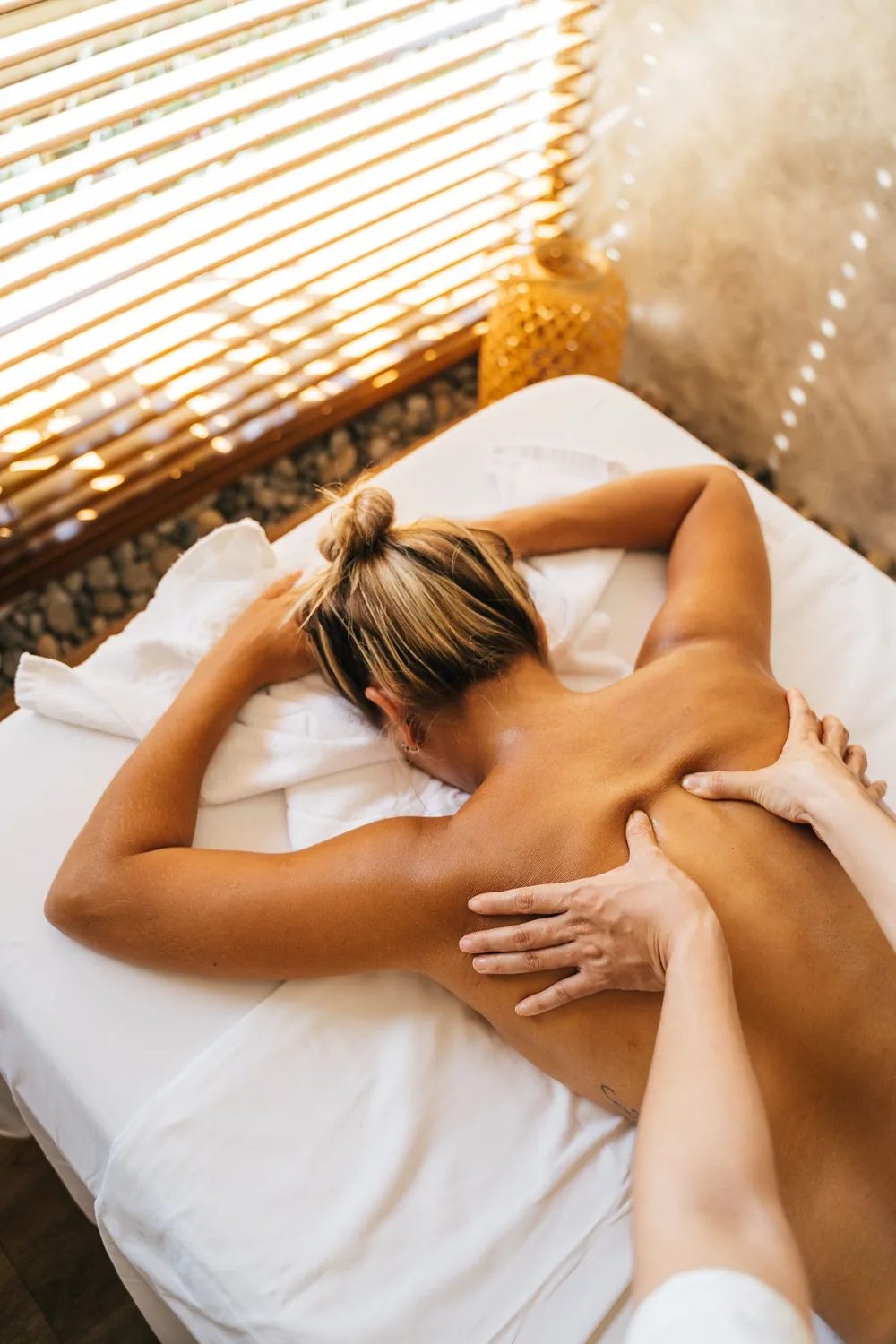
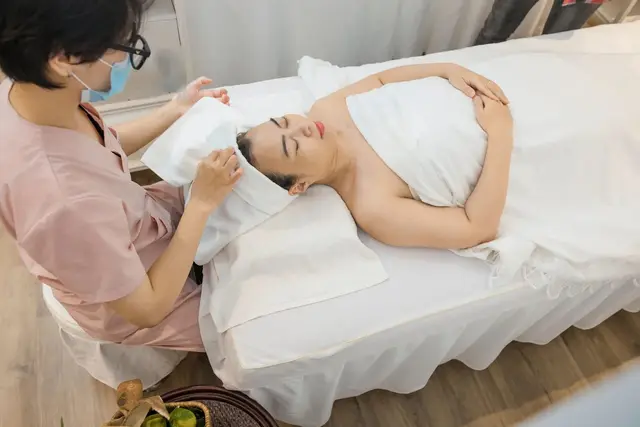
Figure 1. A relaxing back massage on a clean, towel-covered table. Before the client leaves, tell them that feeling sleepy or slightly tender after firmer pressure can be normal, and help them sit up slowly. (Photo: Anna Tarazevich, Pexels)
"Drink water to flush out the toxins": a myth to correct politely
Many clients, and some therapists, believe massage "releases toxins" that water then "flushes out". There is no good scientific evidence for this; the body clears its waste products through the liver and kidneys whether or not you have a massage. The same applies to the idea that soreness after massage comes from "released lactic acid".
Water is still a nice idea. A glass of water or warm tea after a session is a comfortable habit, especially in Vietnam's hot, humid weather. Offer it, but describe it honestly:
"Would you like some water or tea? It's nice to have something to drink after lying down for an hour, especially in this heat."
If a client asks directly about toxins, you can say: "That's a very common belief, but there isn't really evidence that massage releases toxins. Drinking water is still a good idea just to stay comfortable and hydrated." Correct the myth gently; never make the client feel foolish.

Figure 2. Clients resting with a cup of tea in a spa lounge. A drink and a few quiet minutes before leaving are good for comfort, but there is no need to promise that water "flushes out toxins". (Photo: Sergey Torbik, Pexels)
What to avoid and when to get help
Advise against heavy exercise straight afterwards, and against driving or riding until the client feels fully alert. Tell them to see a doctor if pain worsens over the following days, if there is large unexplained bruising, numbness or tingling that does not go away; a swollen, painful, warm calf should be checked promptly. Chest pain or sudden shortness of breath is an emergency: call 115.
After a facial
What to tell the client
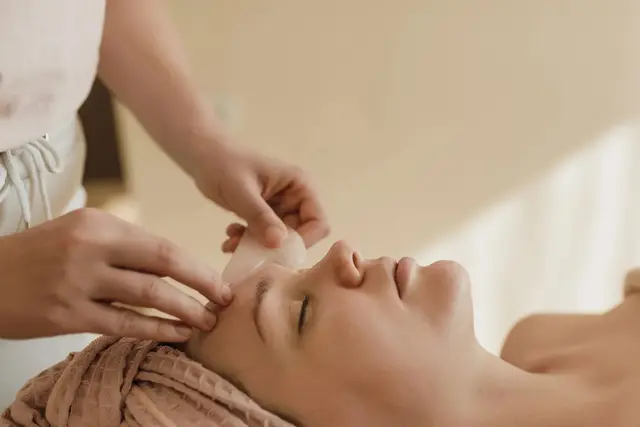
After a facial the skin may look a little pink, particularly where you used steam or extractions. This usually settles within a few hours; extraction marks may take a little longer. Tell the client what you did, so they understand why one area looks different.
Key advice in the first day:
Hands off. Do not touch, pick or squeeze, especially extraction areas.
Keep it simple. A gentle cleanser, lukewarm water and a plain moisturiser are enough. Avoid scrubs, retinoids and strong acid toners for a few days, or as your protocol and products advise.
Makeup. Many spas suggest skipping it for the rest of the day; if the client must wear it, suggest clean brushes and sponges.
Heat and sweat. Avoid sauna, steam rooms, swimming and heavy exercise for about 24 hours.
Sun protection. This is the most important point in Vietnam, where the sun is strong for much of the year.
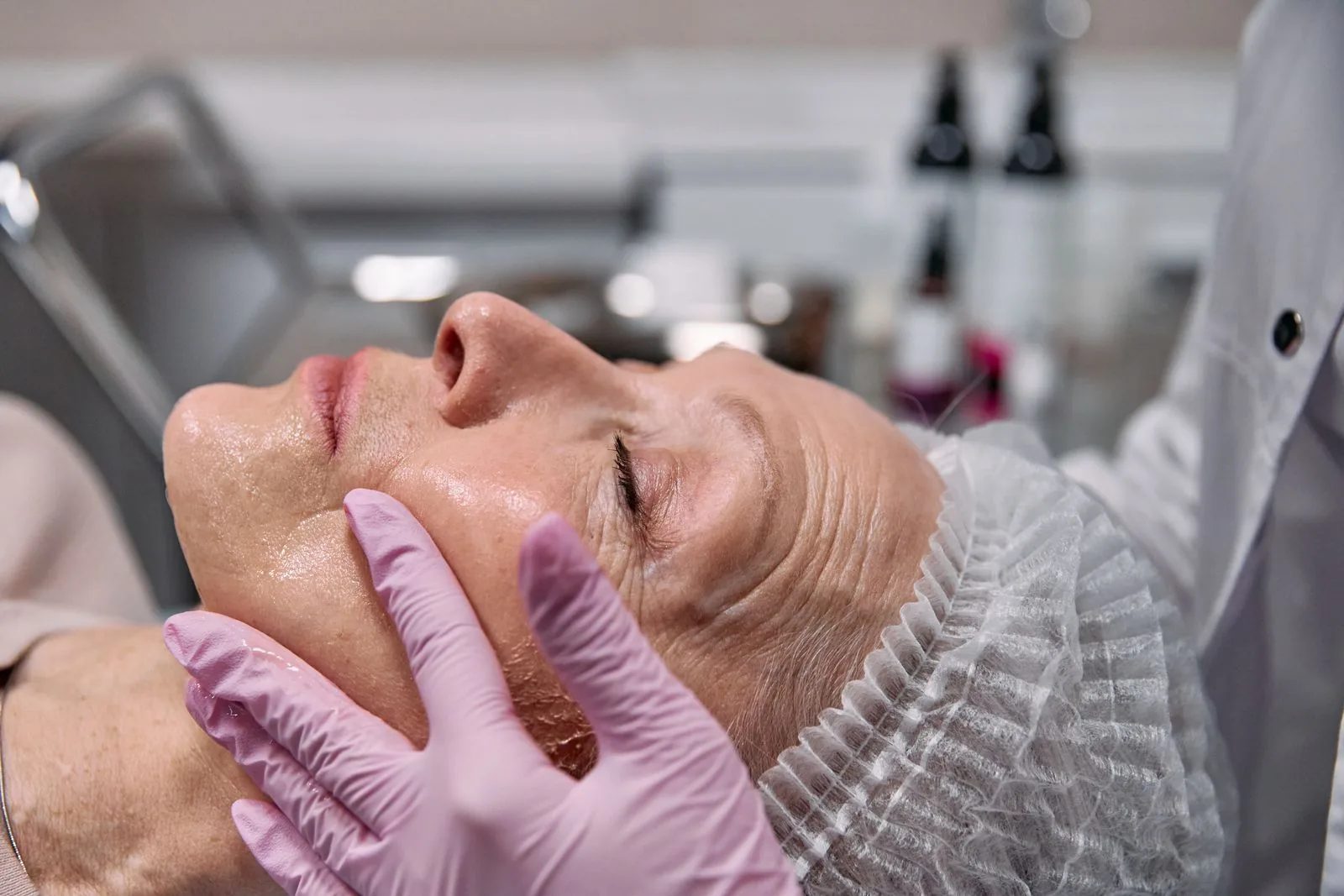
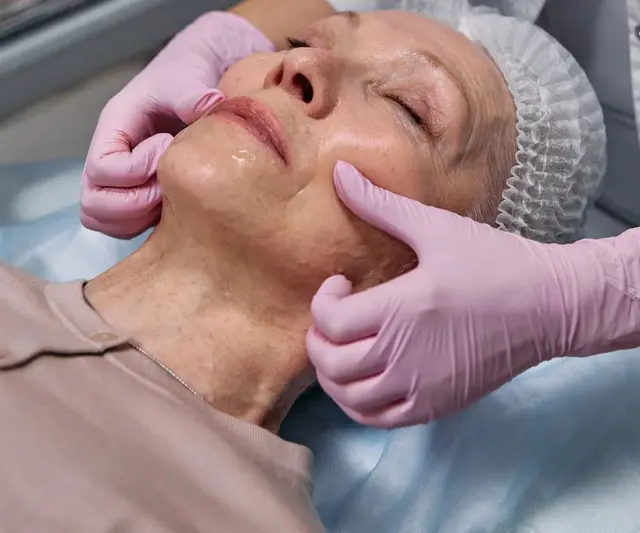
Figure 3. Gloved hands during a facial. Freshly treated skin can be more sensitive, so explain what you did and tell the client how to protect their skin for the next few days. (Photo: cottonbro studio, Pexels)
Sun, heat and motorbikes: aftercare in Vietnam
Many clients leave the spa on a motorbike, sometimes in midday sun. Advise them to:
apply a broad-spectrum sunscreen (many dermatology organisations recommend SPF 30 or higher) before going out, and reapply about every two hours when outdoors or after sweating;
add physical protection: a helmet visor, a hat when walking and a light long-sleeved jacket, as many people in Vietnam already do;
wear a clean mask, because a mask worn all week rubs sweat and dirt into freshly treated skin;
pat sweat away gently with a clean tissue instead of rubbing;
if possible, avoid long periods outdoors in the hottest part of the day for the first day or two.

Figure 4. A conical hat, a face mask and a long-sleeved jacket are everyday sun protection in Vietnam. After a facial or body scrub, remind clients to add sunscreen and to use a clean mask. (Photo: Kushie In Vietnam, Pexels; motorbike model lettering blurred)
When to send the client to a doctor
Tell the client to call the spa and see a doctor if redness spreads or worsens after the first day, or if there are blisters, swelling, crusting, oozing, increasing pain or an eye that stays painful or irritated. Swelling of the lips, face or tongue, or difficulty breathing, may be a serious allergic reaction: call 115 immediately.
After waxing
What to tell the client
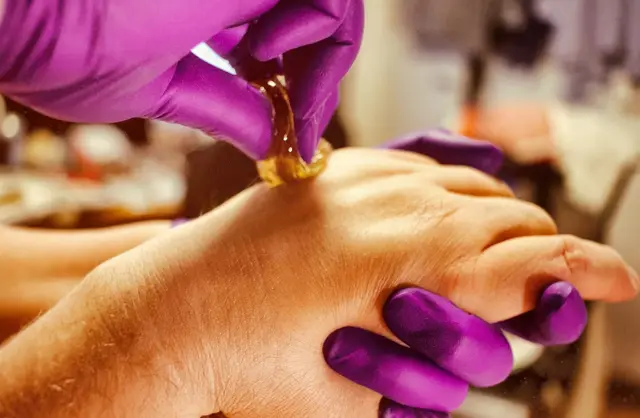
Waxing removes hair from the root, so redness and small bumps around the follicles are common for a few hours, sometimes until the next day, especially for first-time clients and sensitive areas. Tell the client before they see it in the mirror.
Advice for the first 24–48 hours (common practice; follow your wax manufacturer's instructions and spa protocol):
Keep the area clean and cool; do not touch it with unwashed hands.
Wear loose, soft clothing; tight jeans after a leg or bikini wax rub the skin.
Avoid hot baths, sauna, steam, pools and the sea, the gym and heavy sweating.
Avoid sun and tanning on the waxed skin.
Avoid fragranced lotions and, after an underarm wax, deodorant or antiperspirant for about a day.
Do not scratch or pick at bumps.
Longer term, gentle exfoliation once the skin has calmed (a few days later) can help reduce ingrown hairs, and shaving between appointments makes results less smooth. Face-waxing clients need sun protection too.
When to send the client to a doctor
Advise the client to see a doctor if lifted or broken skin does not heal, if blisters form, redness spreads, pus-filled spots keep increasing, or the area becomes hot and painful or they get a fever. If skin lifted during the treatment, you should already have given your spa's first aid, recorded it and told your supervisor before the client leaves.
After a body scrub
What to tell the client
A body scrub removes dead surface skin cells, so the skin feels smoother but may be more sensitive for a day or two, and slightly tight or pink straight afterwards. Salt scrubs sting on tiny cuts or freshly shaved skin, one reason many spas ask clients not to shave just before.
Advise the client to:
moisturise the skin, especially dry areas such as elbows, knees and shins;
wear sunscreen on exposed areas such as arms, shoulders and neck;
take lukewarm rather than very hot showers on the same day;
not use another scrub, exfoliating glove or stiff brush on the same area for a few days;
avoid long sun exposure, tanning, and shaving or waxing the same area straight away (follow your spa protocol on timing).
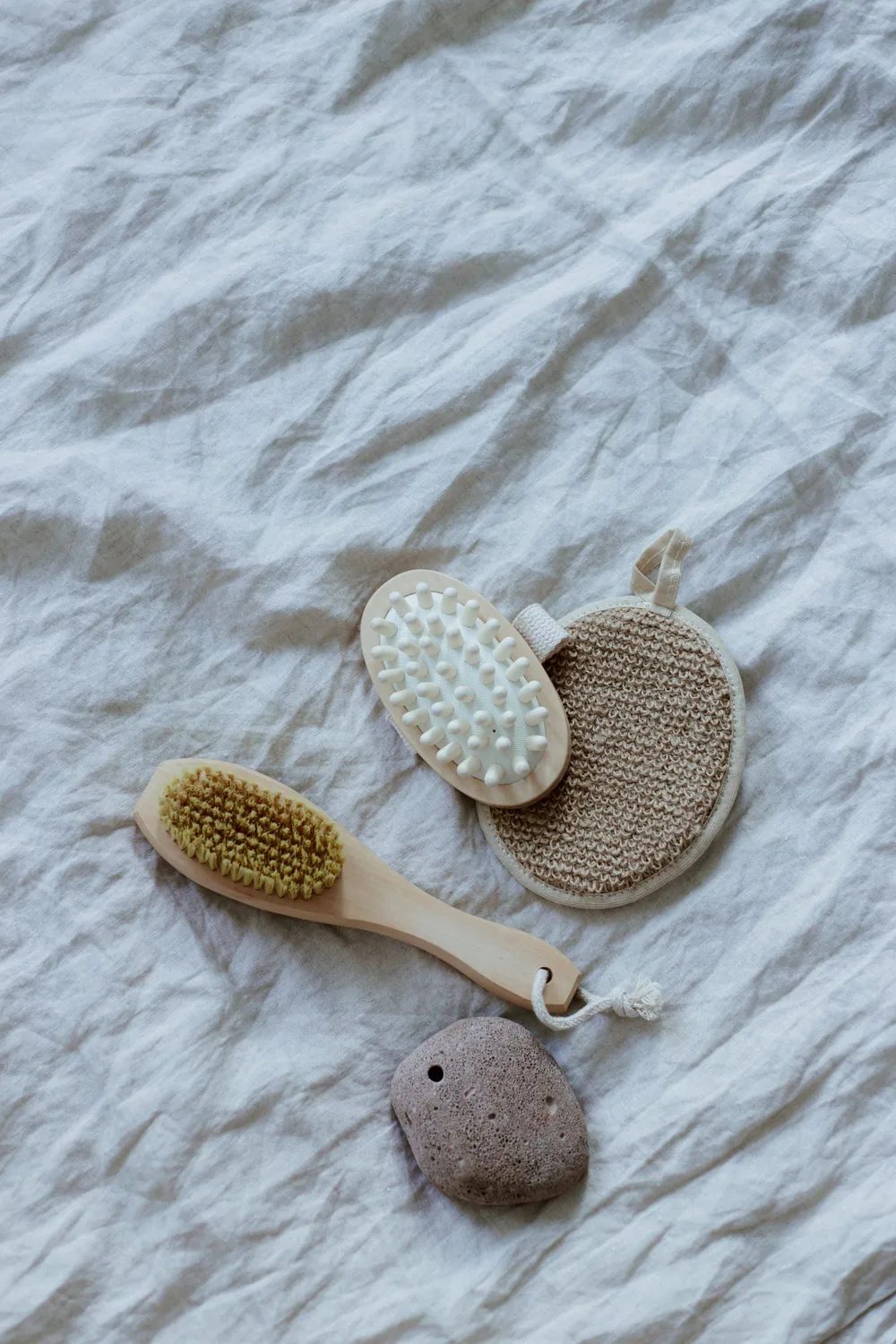
Figure 5. Home exfoliating tools: a dry body brush, a massage brush, a woven loofah pad and a pumice stone. After a spa body scrub, advise clients not to use tools like these on the same skin for a few days. (Photo: Ron Lach, Pexels)
When to send the client to a doctor
Advise a doctor's visit if a rash or hives spread, blisters appear, stinging does not ease, or a scratch becomes red, swollen, warm or oozing. Swelling of the lips or face or trouble breathing is an emergency: call 115.
Writing a printed aftercare card
Spoken advice is easily forgotten. A small printed card (or a message, if your spa sends one) gives the client something to check later. A good card fits on one side, names the treatment, date and therapist, uses short bullet points and plain words, gives time frames from your spa protocol, and has a clear "when to call us / see a doctor" section with the spa's phone number and the emergency number 115.
Sample aftercare card: facial
Your facial aftercare – [Spa name]
Treatment: [Cleansing facial with extractions] · Date: [....] · Therapist: [....]
Normal: slight pinkness for a few hours; small marks where extractions were done.
Please do:
Wash tonight with a gentle cleanser and lukewarm water, then moisturise.
Apply sunscreen every morning and reapply when outdoors. Use a clean mask and your helmet visor on the motorbike.
Please avoid:
Touching or squeezing your skin.
Makeup for the rest of today.
Sauna, steam, swimming and heavy exercise until [time per spa protocol].
Scrubs, retinol and acid products for [number] days.
Call us on [spa phone] and see a doctor if: redness spreads or gets worse after the first day, you notice blisters, swelling, oozing or increasing pain, or your eyes are painful or irritated.
Emergency (call 115 now): swelling of the lips, face or tongue, or difficulty breathing.
Make a version for each treatment your spa offers and have your supervisor approve it. If the spa sells aftercare products, list them separately as optional, so the card never feels like a sales sheet.
Recording what you advised
After the client leaves, note on the client card what you did, any reaction (for example "mild redness on chin, settled before leaving"), the main advice given and that the card was handed over. Report anything unusual through your spa's incident procedure. At the next visit, read your note and ask how the skin felt afterwards.
Aftercare safety checklist
I explained what is normal and how long it usually lasts.
I gave two or three clear "please do" actions.
I gave the "please avoid" list with time frames from our spa protocol.
I adapted the advice to the client's day (sun, motorbike, swimming, sport, work).
I explained the warning signs and when to see a doctor, and that breathing difficulty or face or lip swelling means calling 115.
I did not diagnose, promise medical benefits or recommend medicines.
I did not repeat myths such as "massage flushes out toxins".
The client sat up slowly, felt steady and alert before leaving, and walked on a dry floor.
I checked understanding with a teach-back question.
I gave the printed aftercare card with the spa's phone number.
I wrote the treatment, reactions and advice on the client card.
I reported any unusual reaction to my supervisor.
Frequently Asked Questions
Can I recommend a cream or medicine if the client's skin is red?
Do not recommend medicines or medicated creams; that is outside a spa therapist's role. You can repeat the comfort advice your spa uses, such as keeping the area cool and clean and avoiding heat and friction. If the reaction is more than mild or does not settle, advise the client to see a doctor or pharmacist for advice.
What should I say if a client wants to go straight to the gym or the pool after waxing?
Explain the reason in a friendly way: heat, sweat and pool or sea water can irritate freshly waxed skin and make bumps more likely. Suggest they wait for the time your spa protocol states, often about 24–48 hours. If they choose to go anyway, write on the client card that you gave the advice.
The client calls the next day saying their skin is red. What should I do?
Listen calmly and ask simple questions: where it is, whether it is getting better or worse, and whether there are blisters, swelling, oozing or pain. Do not try to diagnose over the phone. Tell your supervisor and follow your spa's procedure. If the redness is spreading, blistering or swelling, or there are signs of infection, advise the client to see a doctor. If there is any swelling of the face or lips or difficulty breathing, tell them to call 115 immediately.
Should every client get exactly the same aftercare advice?
Use the same structure and the same approved card for each treatment, but adapt the spoken advice to the client: their skin, any reaction you noticed, and their plans for the day, such as a long motorbike ride, swimming or sport.
Practice Exercises
Exercise 1: The four-part talk. Choose one treatment (massage, facial, waxing or body scrub). Write your aftercare advice in the four parts: what is normal, what to do, what to avoid and when to seek help. Keep it to five points or fewer, then say it out loud in under three minutes.
Exercise 2: Role-play with teach-back. With a partner, practise the facial script. Your partner plays a client who is riding a motorbike home at noon and going swimming tomorrow. Adapt the advice to their plans and finish with a teach-back question. Swap roles.
Exercise 3: Correct the myth. Your partner, playing a client, says: "I always drink two litres of water after a massage to flush out the toxins." Practise a polite, honest reply that corrects the myth but still makes the client feel welcome to drink water.
Exercise 4: Design an aftercare card. Using the facial card as a model, write one for a leg wax or a body scrub. Ask your trainer to check the time frames against your spa protocol and product instructions.
Exercise 5: Normal or not? Your trainer reads out situations such as "pink cheeks two hours after a facial", "a blister on the shin the day after a leg wax" or "swollen lips ten minutes after a body scrub". Decide whether each is usually normal, needs a doctor or is an emergency, and say what you would tell the client.