The quick, reliable way to read cosmetic ingredients is to read the INCI list (the international ingredient names printed on the pack or on the Vietnamese sub-label) from the top down: the first ingredients make up most of the product, an active listed near the top is usually present in a higher amount, and whatever comes after the preservative is usually present only in tiny amounts. A cosmetics sales consultant does not need to memorise thousands of chemical names. You need to recognise about 30 common ingredients, know the usual strengths of a handful of key actives, and know when to tell a customer to see a dermatologist. This lesson is written the way a counter manager coaches a new consultant, with one real label read from start to finish and a price-per-ml comparison for a specific customer.
By the end of this lesson, you will be able to:
- Read an INCI list in 4 zones: base, actives, preservatives and the "1% line", fragrance and colourants.
- Recognise niacinamide, retinol, AHA, BHA, vitamin C and common humectants by their INCI names.
- Explain usual active strengths to a customer, and why a higher percentage is not always better.
- Point out which ingredients each type of customer should avoid or treat with care, and when to refer them to a doctor.
- Work out price per ml, price per day of use and the amount of active in a bottle, with figures that add up.
Learning cosmetics consulting properly? Reading ingredients is step 3 of the roadmap, after genuine products and consulting ethics, and skin types and when a doctor is needed. See the 8-step cosmetics sales consultant roadmap to learn in the right order.
What is an INCI ingredient list, and why must a consultant read it?
INCI (International Nomenclature of Cosmetic Ingredients) is the international naming system for cosmetic ingredients. Each country has its own everyday names, but the INCI name is the same everywhere: water is "Aqua" or "Water", glycerin is "Glycerin", vitamin B3 is "Niacinamide". That is why you can read a Korean, Japanese, French or American label the same way (see Figure 1).
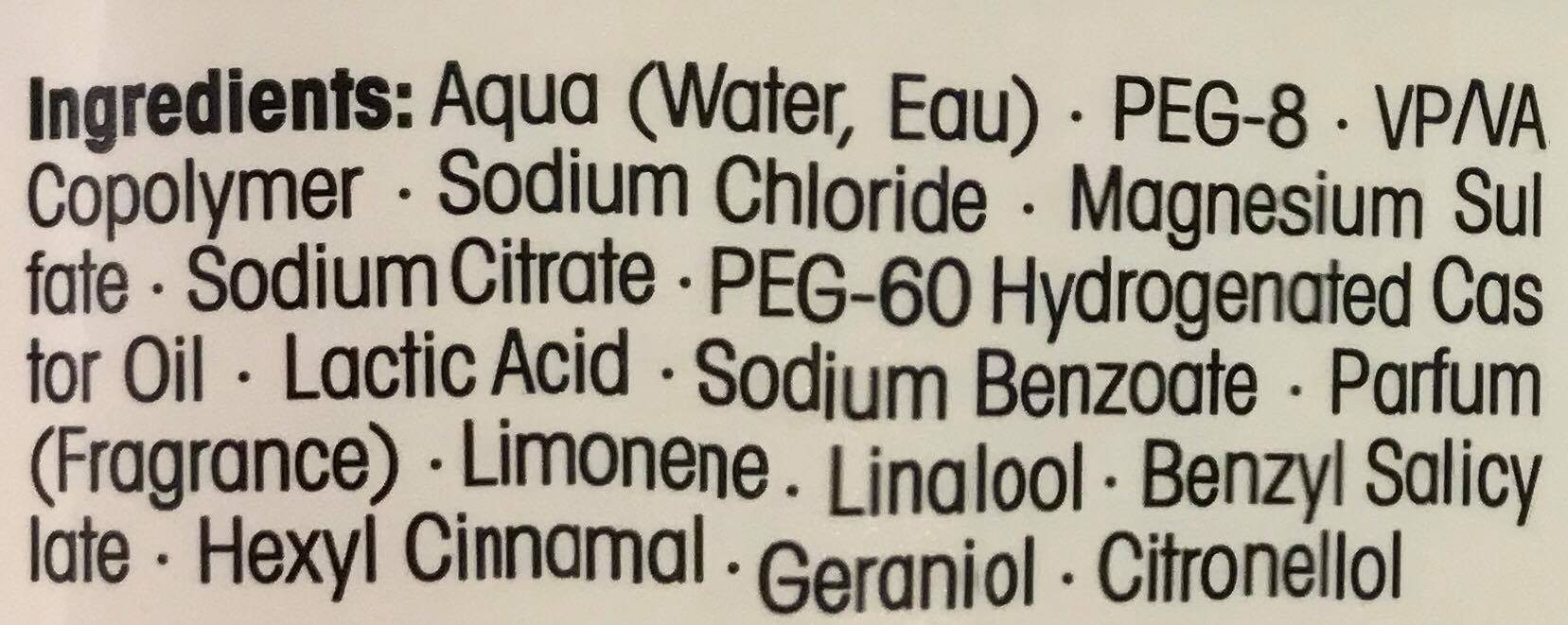
Photo: Lisa1223S / Wikimedia Commons, Public domain
Main label, sub-label and where to find the list
The INCI list is usually printed on the back of the box or bottle, after the word "Ingredients". Imported products sold in Vietnam must carry a Vietnamese sub-label showing ingredients, uses, directions, expiry date and the company responsible for placing the product on the market. The list on the sub-label must match the original label; if they differ a lot, that is a signal to recheck the supply source, as covered in step 1.
Cosmetics are not medicines
Cosmetics are for cleansing, fragrancing, changing appearance, protecting and keeping skin in good condition. They are not for treating disease. So when you consult, say "helps skin look more even" or "helps reduce shine", not "treats melasma", "cures acne" or "clears inflammation". That wording reflects what the product really is, and it keeps you and the shop away from misleading-advertising risk.
How to read cosmetic ingredients in 4 zones
Do not read an INCI list as one endless line. Split it into 4 zones, each answering a different question.
Zone 1: the base, the first 3 to 5 lines
Under common labelling conventions (ASEAN, the EU and many other markets), ingredients above 1% are listed in descending order. So the first 3–5 entries tell you what the product is "made of": water (Aqua), humectants (Glycerin, Butylene Glycol, Propanediol), oils (Caprylic/Capric Triglyceride, Squalane) or alcohol (Alcohol, Alcohol Denat.). A toner with "Alcohol Denat." in second place feels very different on dry skin from one with "Glycerin" in second place.
Zone 2: the actives
Actives are the ingredients behind the main claim on the front of the box, such as Niacinamide, Retinol or Salicylic Acid. Find them in the list: the closer to the top, the more there usually is. If the front says "Vitamin C" in big letters but Ascorbic Acid or its derivative sits after the preservative, the amount is probably very small. A brand that states the percentage ("Niacinamide 5%") makes your job much easier.
Zone 3: preservatives and the "1% line"
Ingredients at 1% or less may be listed in any order after those above 1%. A practical tip: the preservative Phenoxyethanol is usually used at no more than about 1%, so anything listed after it is almost certainly present in a small amount. This is an estimate, not an absolute rule, but it is enough to answer a customer who asks "does this bottle have a lot of green tea extract?"
Zone 4: fragrance, declared allergens and colourants
The end of the list usually holds "Parfum" or "Fragrance" (a blend of many substances), fragrance compounds that must be declared separately such as Limonene, Linalool, Citronellol and Geraniol, and colourants written as "CI" plus a number (CI 77891 is white titanium dioxide). Customers with a history of fragrance allergy need to watch this zone most (look again at Figure 1).
What are niacinamide, retinol, AHA and BHA, and what strengths are common?
This is what customers ask about most. The table summarises the actives you meet at the counter, the INCI names to look for and the strengths commonly seen in over-the-counter cosmetics. The figures are typical market ranges; exact legal maximums depend on each country's rules and the product type.
| Active | INCI name on the label | Common strength | Cosmetic benefit | Consulting note |
|---|---|---|---|---|
| Niacinamide (vitamin B3) | Niacinamide | 2–5%, some products 10% | Supports the skin barrier, reduces shine, more even-looking tone | Sensitive skin should start low |
| Retinol and the vitamin A family | Retinol, Retinal, Retinyl Palmitate, Hydroxypinacolone Retinoate | Retinol about 0.1–1% | Smoother, more even-looking skin over time | Evenings, build up slowly; pregnant or planning pregnancy must ask a doctor |
| AHA | Glycolic Acid, Lactic Acid, Mandelic Acid | About 5–10% for home-use products | Surface exfoliation, brighter and smoother-looking skin | Raises sun sensitivity, sunscreen is a must |
| BHA | Salicylic Acid | About 0.5–2% | Clears pores, suits oily skin | Do not stack several acid products at once |
| Vitamin C | Ascorbic Acid, Sodium Ascorbyl Phosphate, Ascorbyl Glucoside | Ascorbic Acid about 10–20% | Antioxidant, fresher-looking skin | The pure form discolours easily; needs airtight, light-proof packaging |
| Hydrators | Glycerin, Sodium Hyaluronate, Panthenol, Ceramide NP | Varies widely | Hold moisture, ease tight, dry feeling | Suit almost every skin type |
Niacinamide: the "easy-going" active
Niacinamide suits many skin types and combines easily with other products. Even so, 10% or more can sting or slightly redden some people. For a first-time user, suggesting a product at around 4–5% is usually safer than picking the bottle with the biggest number.
Retinol: effective but needs a run-in
Retinol and other vitamin A derivatives easily cause dryness, flaking and redness in the first few weeks. Tell customers to use it in the evening, a pea-sized amount, 2–3 nights a week, then build up, and always wear sunscreen by day. Prescription retinoids such as tretinoin, adapalene and isotretinoin are medicines prescribed by a doctor; a cosmetics consultant never recommends them or adjusts how they are used.
AHA and BHA: chemical exfoliants
AHAs are water-soluble and work on the skin surface; BHA (salicylic acid) is oil-soluble and gets into pores better, so it suits oily skin with clogged pores. The product's pH strongly affects how "strong" an acid feels, so two bottles both labelled 10% glycolic acid can feel very different. High-strength peels are a professional in-clinic service, not something you tell customers to do at home; see also the spa peel procedure and the scope of light AHA/BHA peels.
Higher strength does not mean better
Results depend on strength, the form of the active, pH, the base formula and whether the customer uses it consistently. Too high a strength on sensitive skin causes irritation, and a customer who gives up after a week gets no results at all. A good consultant picks the strength the customer can stick with.
Which ingredients should be avoided? Be accurate, not alarming
There is no universal list of "toxic ingredients". Something that bothers one customer may suit another perfectly. Your job is to ask for the right information, then filter by customer group.
By skin condition
- Sensitive, easily flushed skin: be careful with fragrance (Parfum/Fragrance), essential oils, drying alcohol near the top (Alcohol Denat.) and high-strength acids or retinol.
- Dry skin: avoid cleansers with harsh surfactants such as Sodium Lauryl Sulfate at the top, and alcohol-heavy toners.
- Oily, breakout-prone skin: rich oils and butters in a moisturiser can feel congesting for some people; suggest testing on a small area first.
- Known allergy to a substance: search for its INCI name in every product, including the declared fragrance compounds at the end.
Pregnancy and breastfeeding
For customers who are pregnant, planning a pregnancy or breastfeeding, products containing retinoids (Retinol, Retinal, Retinyl Palmitate and other vitamin A derivatives) need a doctor's advice first. Do not decide "it's fine" or "it's mild, so no problem". A good line: "Please check with the obstetrician or dermatologist who is looking after you; in the meantime I can suggest a basic cleanser, moisturiser and sunscreen."
Products of unknown origin and mixed "whitening creams"
Home-mixed creams, unlabelled creams or labels without an ingredient list must be avoided completely. Such creams may contain corticosteroids or mercury, substances that are banned or only allowed as prescribed medicines, and they cause thinning skin, visible blood vessels and dependence. Do not sell or recommend them, and if a customer using one shows unusual skin changes, advise them to see a doctor.
Safety note for consultants: A cosmetics consultant does not diagnose skin disease and does not replace a doctor. Never say an active "cures" acne, melasma, eczema or dermatitis. Always tell customers to test on a small area before using a product on the whole face. A customer with signs of a severe allergic reaction (swollen face, lips or eyes, spreading hives, difficulty breathing) must stop the product and go to emergency care or call 115 (Vietnam's ambulance number) immediately. Customers who are pregnant, breastfeeding, on prescription acne treatment or using a doctor's topical medicine must ask their doctor before adding a new strong active such as a retinoid or high-strength acid.
A 6-step routine for reading labels with a customer at the counter
A good consultation starts with questions, not products. The routine below keeps your label reading purposeful (see Figure 2).
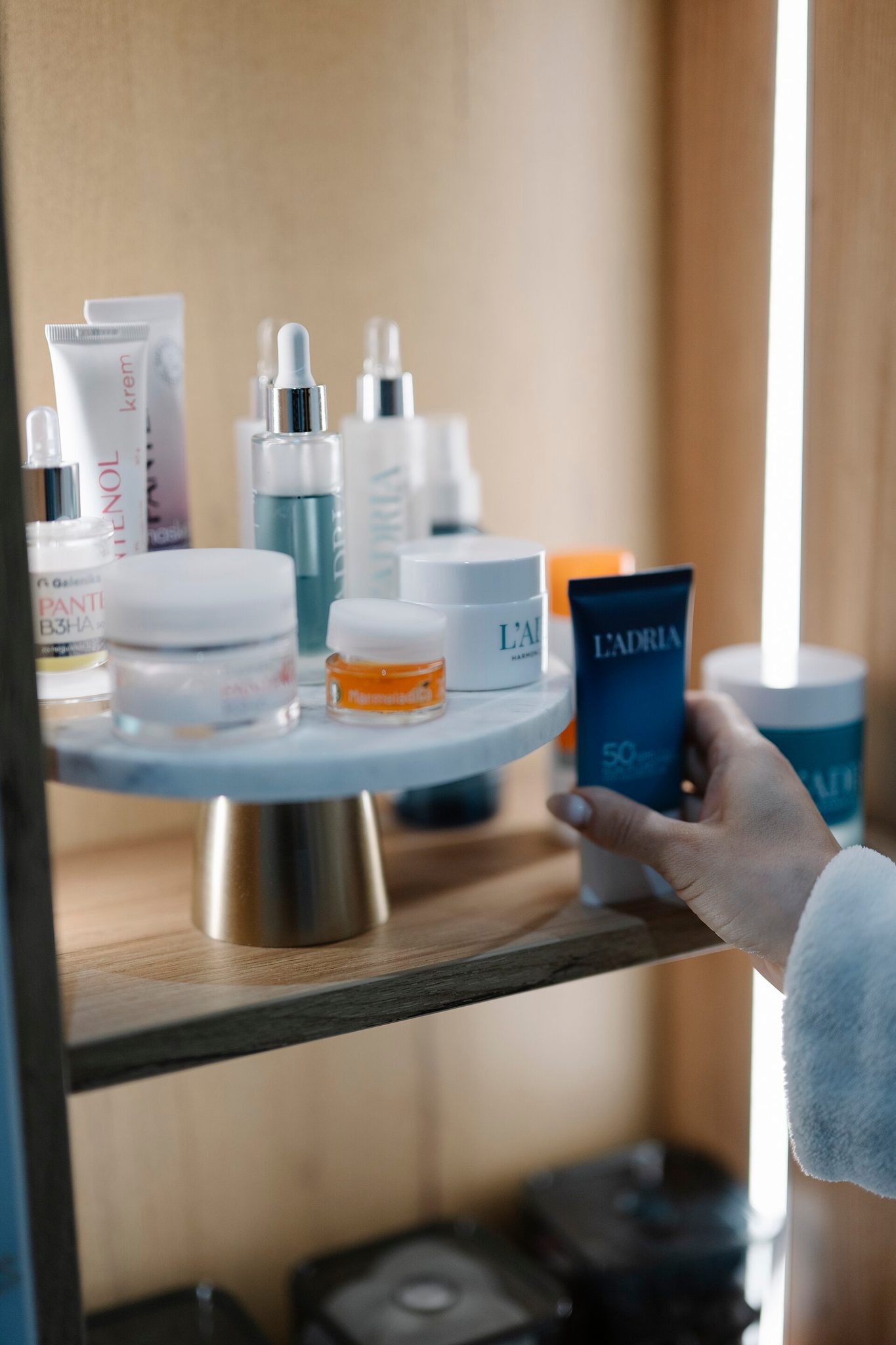
Photo: Shixart1985 / Wikimedia Commons, CC BY 2.0
The steps
- Ask: skin type, the concern, products already in use, allergy history, pregnancy, any dermatology medicines.
- Scan the front: product type (cleanser, toner, serum, moisturiser, sunscreen), the claimed benefit, the active percentage if given.
- Read zones 1–2 of the INCI list: what the base is and where the active sits.
- Read zones 3–4: preservatives, fragrance, declared fragrance compounds, checked against the customer's allergy history.
- Check combinations: does the new product double up a strong active with something already in use (for example two acid products)?
- Explain use: amount, morning or evening, frequency in week one, a patch test, sunscreen, a follow-up after 2 weeks.
Patch testing
Tell the customer to apply a small amount behind the ear or under the jawline, once or twice a day for a few days. If redness, itching or burning persists, stop. This does not rule out every risk, but it catches most reactions early.
Worked example: recommending a niacinamide serum to Ms Hanh
Ms Hanh is 29, an office worker in Hanoi, with combination-to-oily skin, large pores on the nose and cheeks that redden easily when she changes products. She has never used actives, is not pregnant and uses no dermatology medicines. She wants a serum to help with shine, with a budget under 1 million VND for the whole set.
Reading serum A's INCI list
The front says "Niacinamide 5%", 30 ml bottle. Ingredients: Aqua, Niacinamide, Glycerin, Butylene Glycol, Pentylene Glycol, Sodium Hyaluronate, Panthenol, Allantoin, Xanthan Gum, Phenoxyethanol, Ethylhexylglycerin, Citric Acid, Disodium EDTA.
- Zone 1: water base, Niacinamide second, consistent with the stated 5%.
- Zone 2: the main active is Niacinamide; Sodium Hyaluronate and Panthenol add hydration.
- Zone 3: Phenoxyethanol is the preservative; what follows is present in small amounts (pH adjuster, thickener).
- Zone 4: no Parfum and no drying alcohol, which suits her easily flushed cheeks.
Comparing with serum B and the cost per day
Serum B is a 50 ml bottle labelled "Niacinamide 10%", with Parfum at the end of the list. Ms Hanh uses 0.25 ml per application (about 4–5 drops), morning and evening, so 0.5 ml a day. The amount of niacinamide is estimated assuming a serum density of about 1 g/ml.
| Measure | Serum A | Serum B |
|---|---|---|
| Price (2026 reference) | 450,000 VND (~USD 17) / 30 ml | 600,000 VND / 50 ml |
| Price per ml | 450,000 ÷ 30 = 15,000 VND/ml | 600,000 ÷ 50 = 12,000 VND/ml |
| Days of use (0.5 ml/day) | 30 ÷ 0.5 = 60 days | 50 ÷ 0.5 = 100 days |
| Price per day | 450,000 ÷ 60 = 7,500 VND | 600,000 ÷ 100 = 6,000 VND |
| Niacinamide in the bottle | 30 ml × 5% ≈ 1.5 g | 50 ml × 10% ≈ 5 g |
| Fragrance | No | Yes (Parfum) |
Check: 15,000 VND/ml × 0.5 ml = 7,500 VND a day; 12,000 VND/ml × 0.5 ml = 6,000 VND a day, matching the table. Serum B is 1,500 VND a day cheaper, but 10% plus fragrance does not suit a first-time user with easily flushed cheeks. You recommend serum A and explain clearly why you did not pick the "stronger, cheaper per ml" bottle.
Completing the set within budget
- Gentle cleanser with no harsh surfactant at the top of the list: 180,000 VND.
- Serum A, niacinamide 5%: 450,000 VND.
- Broad-spectrum SPF 50 sunscreen, fragrance-free: 320,000 VND.
- Total: 180,000 + 450,000 + 320,000 = 950,000 VND, under the 1,000,000 VND budget with 50,000 VND left.
Tell Ms Hanh to use the serum once each evening in week one after a 3-day patch test under the jawline, and morning and evening from week two. Book a follow-up after 2 weeks and note it in the customer log. Prices are 2026 reference examples only; real prices vary by brand, sales channel and region.
Common mistakes when reading labels and advising on ingredients
Trusting the front more than the back
Sign: you sell a "centella serum" while Centella Asiatica Extract sits after Phenoxyethanol. Cause: reading only the product name and big print. Fix: always turn the pack over and find where the advertised active sits before you say anything.
Labelling whole ingredient groups "toxic"
Sign: telling customers "parabens cause cancer" or "silicones clog pores" as general fact. Cause: online rumours. Fix: say it accurately: "this ingredient is permitted within regulated limits; if you prefer to avoid it for personal reasons, I can suggest another product." Never sell through fear.
Stacking too many actives
Sign: a customer buys an AHA toner, a BHA serum and a retinol cream at once, then comes back red, burning and peeling. Cause: selling a combo without asking what she already uses. Fix: add one strong active at a time and wait 2–4 weeks for the skin to adjust before adding the next.
When must you refer a customer to a dermatologist?
A good consultant knows where their role ends. Some conditions are not about choosing cosmetics, and trying more products only delays proper treatment.
Signs that need a doctor
- Lots of inflamed acne, cystic or nodular acne, acne leaving pitted scars or long-lasting marks.
- Melasma or pigment spots spreading fast, or a mole changing in size or colour, with an irregular border or bleeding.
- Redness, itching or scaling lasting several weeks; suspected eczema, atopic dermatitis, psoriasis or fungal infection.
- Reactions after using a product: burning, blistering, swelling, oozing.
- Customers on prescription acne treatment or steroid creams, or pregnant and wanting strong actives.
How to say it without the customer feeling turned away
"I think a dermatologist should look at this first, because cosmetics can't treat it. Once the doctor gives you a plan, bring it here and I'll read the ingredients to choose a cleanser, moisturiser and sunscreen that won't clash with your treatment." Customers usually come back because they see you are honest.
Frequently asked questions
Does an INCI list show percentages?
Usually not. The INCI list only shows order; percentages are not required. Some brands state active percentages on the front; if not, you can only estimate from the position in the list.
Can retinol be used during pregnancy?
Customers who are pregnant, planning a pregnancy or breastfeeding must ask a doctor before using any retinoid product. A consultant does not answer "yes" or "it's fine" on their own.
What are AHA and BHA, and can dry skin use them?
AHAs and BHA are acid exfoliants. Dry skin usually does better with a low-strength AHA such as lactic acid, 2–3 times a week, with moisturiser and sunscreen; stop if irritation occurs.
Which ingredients should sensitive skin avoid?
Usually be careful with fragrance, essential oils, drying alcohol near the top and high-strength actives. Reactions vary from person to person, so always patch test and note any ingredient that has caused a reaction before.
Practice exercises and self-assessment
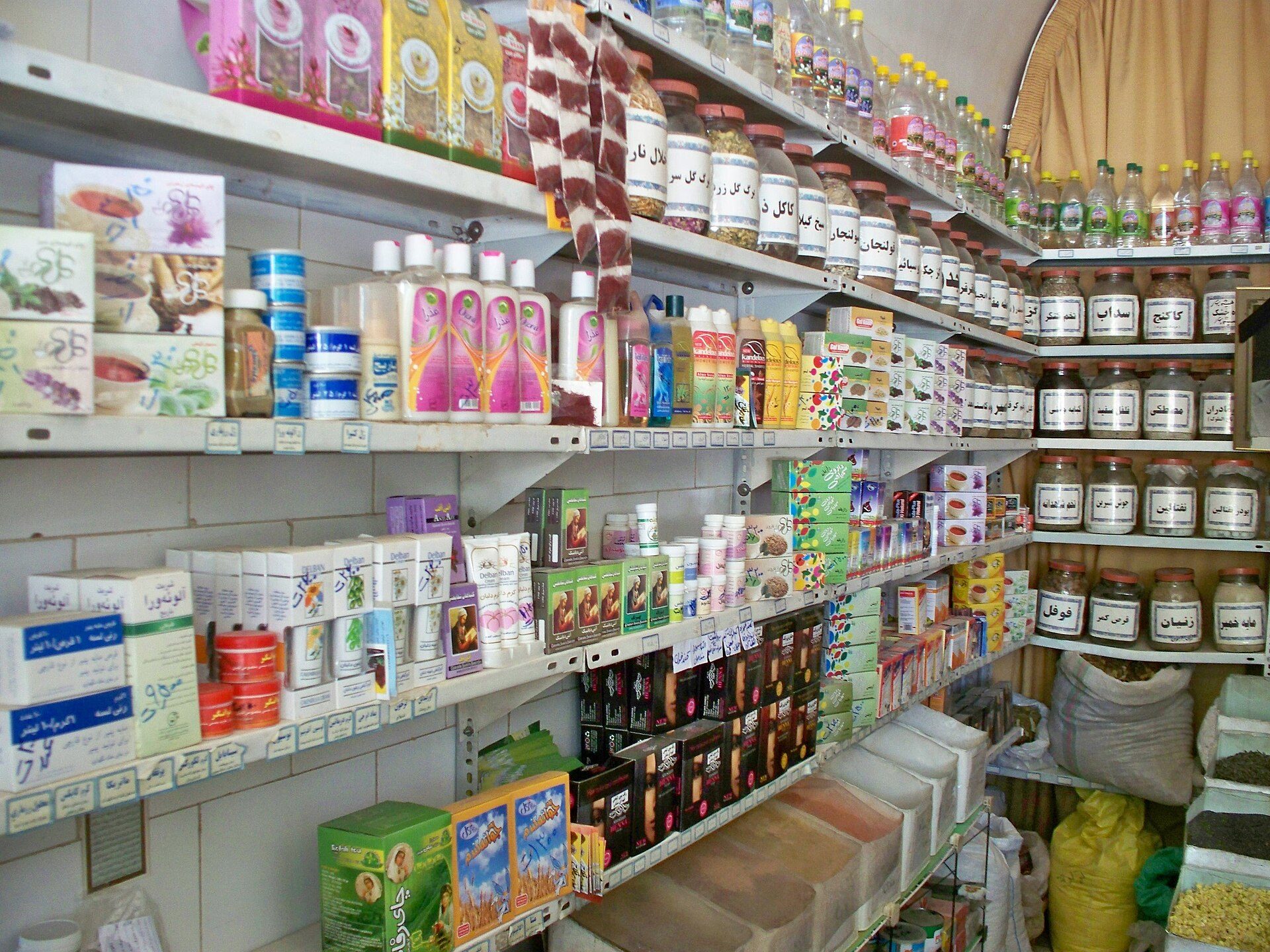
Photo: Sasha India / Wikimedia Commons, CC BY 2.0
- Pick 5 different products from a shelf (Figure 3): cleanser, toner, serum, moisturiser, sunscreen. For each, write down the first 3 ingredients, the main active, the preservative and whether it contains fragrance.
- Role-play with a colleague: one plays a sensitive-skin customer with a fragrance allergy, the other consults using the 6-step routine.
- Work out price per ml and per day for 2 sunscreens of different sizes, assuming 1 ml a day.
Self-assessment criteria
- Pass: you read all 4 zones of an INCI list in under 2 minutes per product.
- Pass: you correctly identify the INCI names for niacinamide, retinol, AHA, BHA, vitamin C and fragrance.
- Pass: your price-per-ml and price-per-day figures match and state the usage assumption.
- Pass: you recognise when to refer a customer to a doctor and can say it naturally.
- Not yet: you use words like "cure" or "treat for good"; you suggest retinoids to a pregnant customer without telling her to ask a doctor; you sell several strong actives at once.
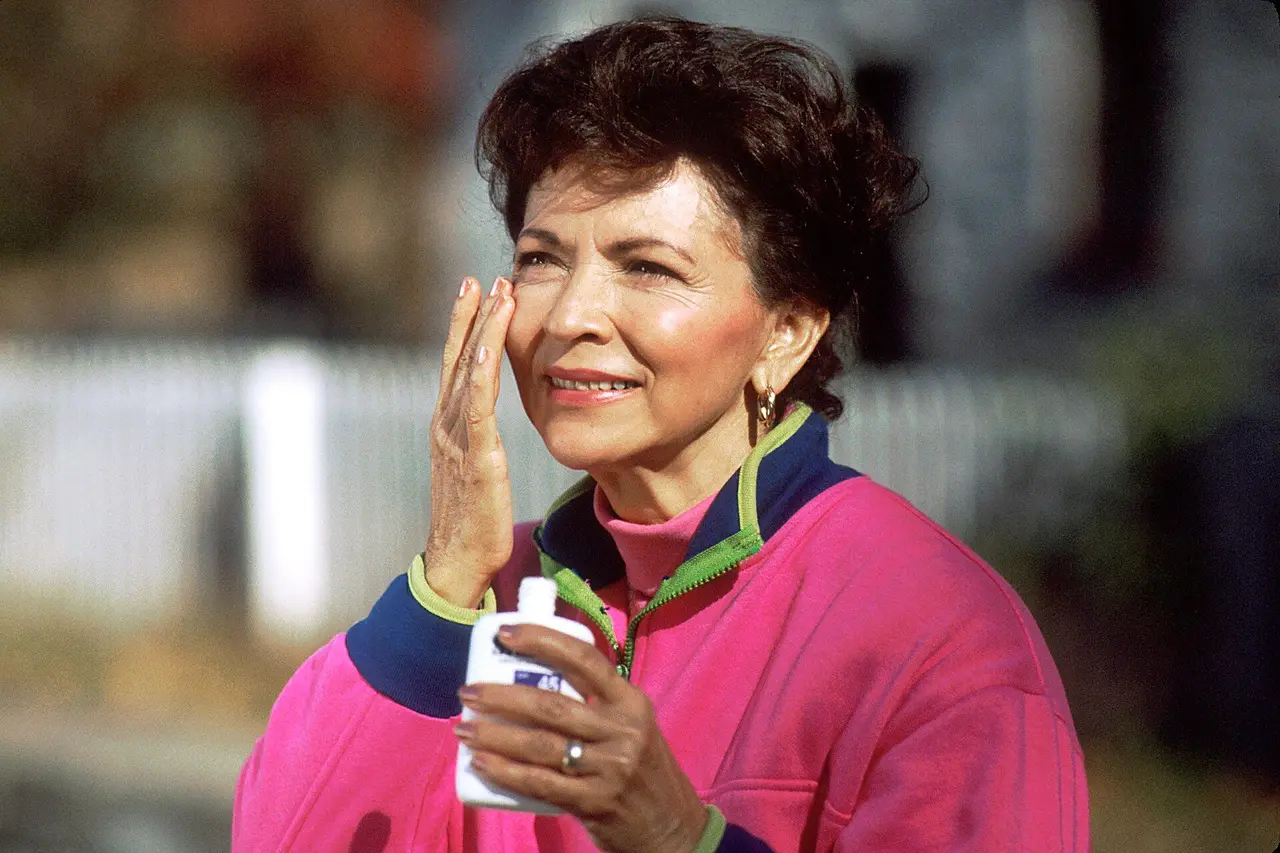
Photo: Bill Branson (photographer) / Wikimedia Commons, Public domain
Now that you can read ingredients, move on to the next step of the roadmap: Building a skincare routine on a budget, where you combine the products you have read into a morning and evening routine that fits each customer's wallet, just as you did for Ms Hanh above.
Keep learning cosmetics consulting: after ingredients come budget routines, makeup trials, needs-based selling and selling online, and a 30-customer consulting project. See the 8-step cosmetics sales consultant roadmap.