A client shows you an unlabelled jar of cream she bought online: "Two weeks and my skin got really white, but lately it keeps going red and itchy." Another client applies retinol every night and has booked a peel and an exfoliation today. Then a sales rep offers your spa a "specialist melasma treatment" serum at a good price. In all three situations the senior therapist must answer by reading the label and understanding the actives, not by gut feeling or advertising claims.
In the previous lesson you learned to analyse skin and complete a skin analysis form. This lesson is the next step: knowing which products suit the skin type and skin condition you recorded, which actives should not be used together, and which products meet the legal requirements to go on the spa shelf.
By the end of this lesson, you will be able to:
- Read a cosmetic product label in about 60 seconds: INCI names, ingredient order, unopened expiry date (EXP) and period after opening (PAO), warnings.
- State the purpose, safe use and points to avoid for 8 common groups of actives: AHA, BHA, retinoids, vitamin C, niacinamide, HA, ceramides and peptides.
- Correctly place a pair of actives into "work well together", "use at separate times" or "do not use", and adjust spa services for a client who is using strong actives or is pregnant.
- Check whether a product is legal in Vietnam: the label, the Vietnamese supplementary label and the product notification number under Circular 06/2011/TT-BYT on cosmetics management.
- Recognise the signs of unregulated mixed creams ("kem tron") and of corticosteroid-damaged skin, and advise the client to see a dermatologist.
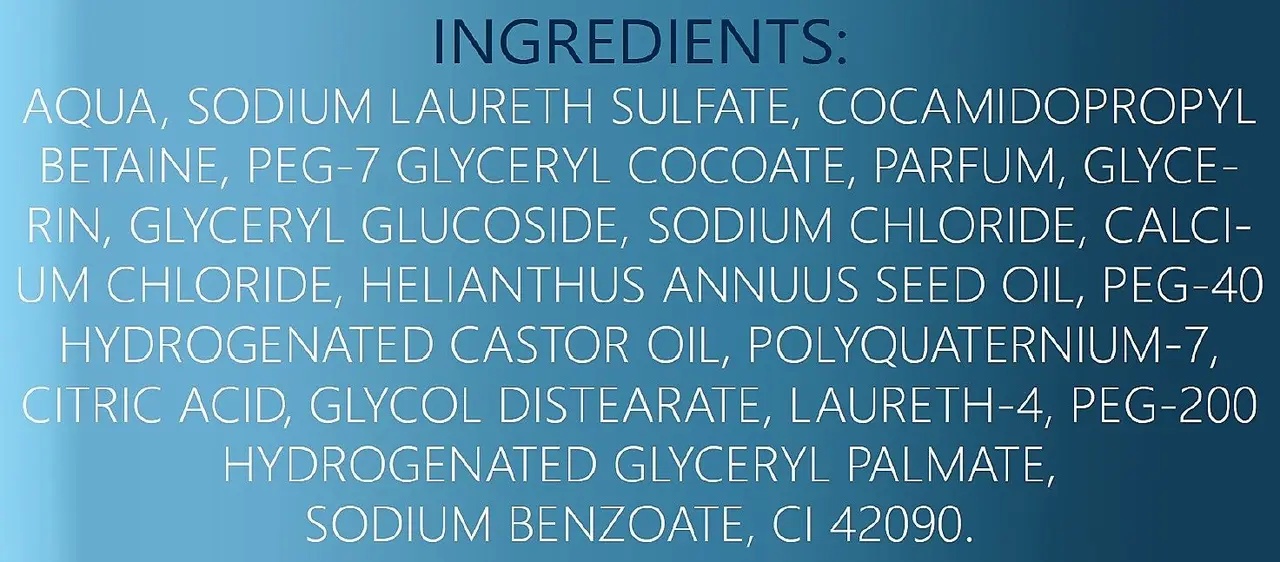
Reading a cosmetic label: INCI and ingredient order
INCI (International Nomenclature of Cosmetic Ingredients) is the international naming system for cosmetic ingredients. Thanks to INCI, the same substance has one name across every brand and every country: water is Aqua (or Water), vitamin B3 is Niacinamide, HA is usually listed as Sodium Hyaluronate, and pure vitamin C is Ascorbic Acid. Learning INCI names stops you being misled by trade names such as "light essence" or "bio-complex".
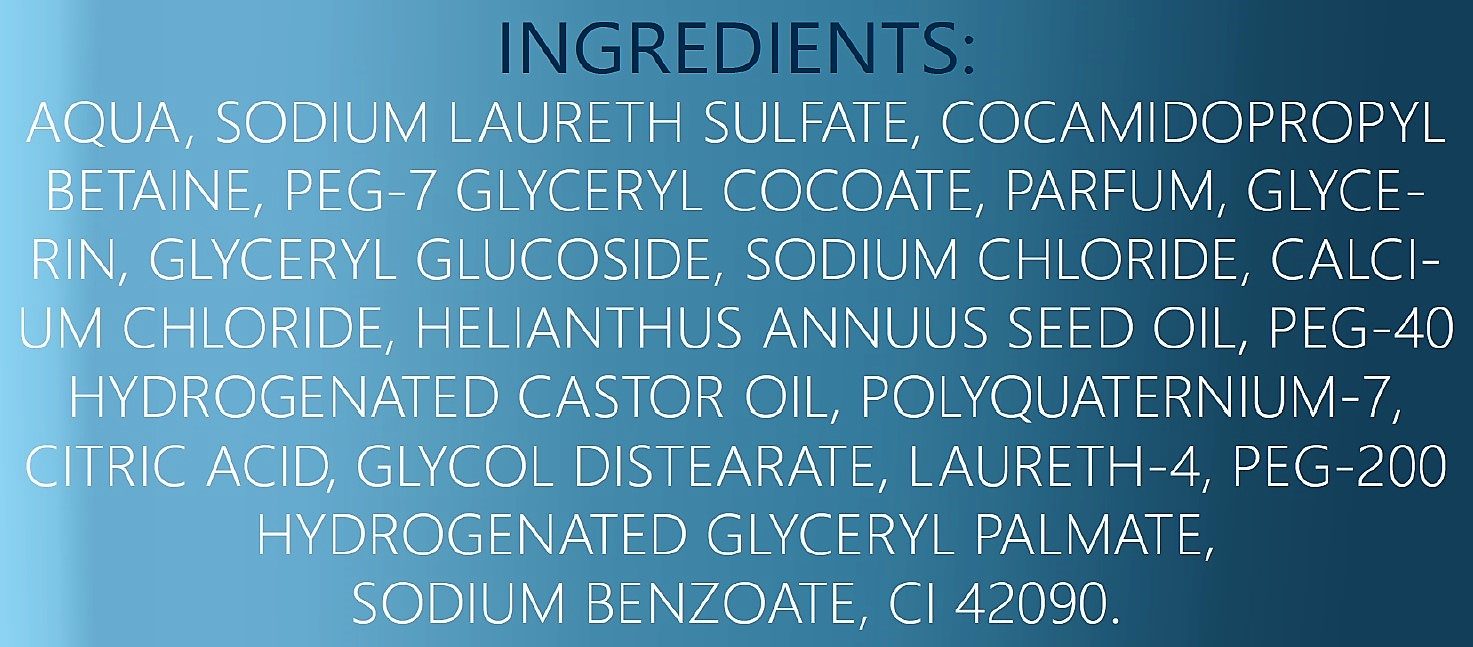
Photo: Sunfink10 / Wikimedia Commons, CC BY-SA 4.0

The ordering rules applied to cosmetics in Vietnam and the ASEAN region:
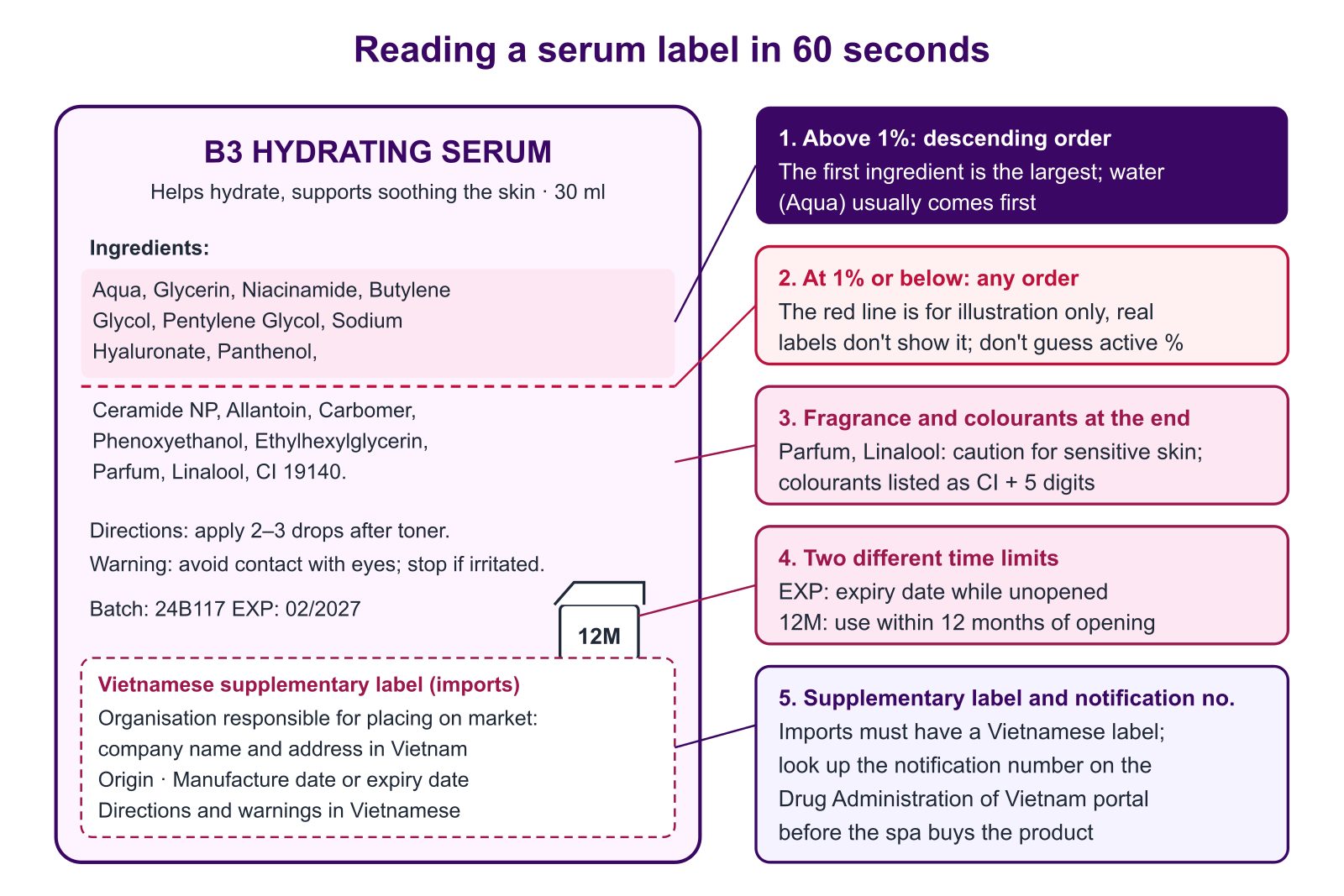
- Ingredients above 1% are listed in descending order. The first ingredient is present in the largest amount; in water-based creams and serums, Aqua is usually first.
- Ingredients at 1% or below may be listed in any order. This means you cannot tell where the "1% line" falls just by looking at the list. Preservatives such as Phenoxyethanol are normally used at low concentrations, so ingredients listed after it are likely to be at low concentrations too, but this is only a hint, not a rule.
- Fragrance and colourants usually come at the end. Fragrance is listed as Parfum or Fragrance, possibly with common allergens such as Linalool, Limonene, Citral. Colourants are listed as a CI code followed by 5 digits.
What this means for the therapist: if a product advertised as "containing vitamin C" lists Ascorbic Acid after the fragrance, it contains very little vitamin C. On the other hand, the label does not tell you exact percentages; if the brand states a concentration (for example "niacinamide 5%"), that is information the brand declares itself.
Shelf life: EXP and PAO are two different dates
- EXP (expiry date) applies to the product unopened and stored correctly.
- PAO (Period After Opening) is the open-jar symbol with a number of months, for example 6M, 12M, 30M: use the product within that number of months from opening.
Products used in the spa are opened and used on many clients, so every bottle and jar must carry a label showing the date it was opened. Once the PAO is over or the EXP has passed, whichever comes first, discard it. Also discard any product that has changed colour or smell, separated or gone lumpy, even if it is still in date.
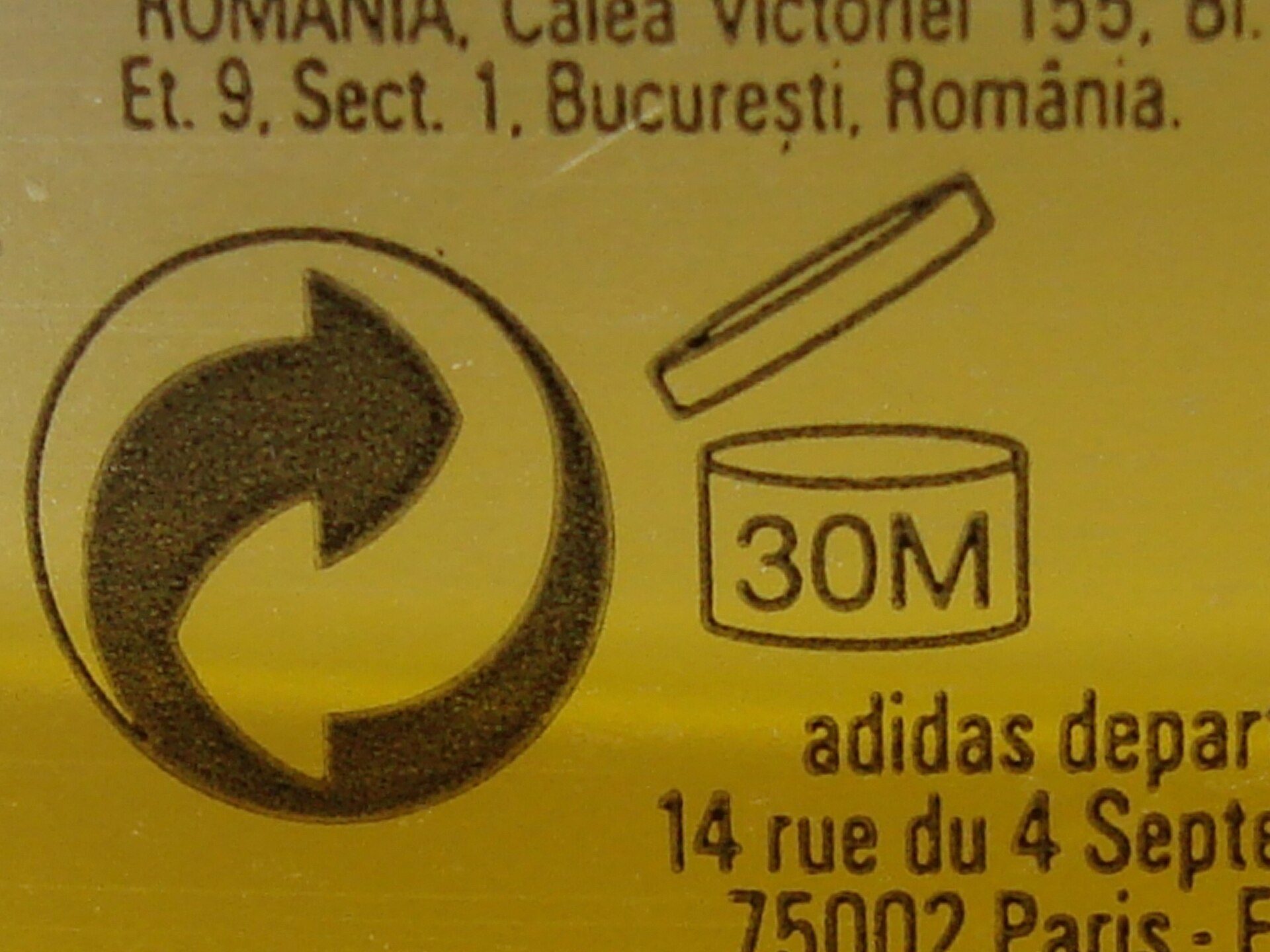
Photo: Trounce / Wikimedia Commons, CC BY-SA 3.0

Eight common groups of actives
The table below is the minimum knowledge of a senior therapist. "Purpose" here means the cosmetic purpose of supporting skin care, not treatment.
| Active (common INCI names) | Main purpose | Safety notes |
|---|---|---|
| AHA: Glycolic Acid, Lactic Acid, Mandelic Acid | Chemical exfoliation of the surface; smoother, more even-toned skin | Makes skin more sun-sensitive; stinging on sensitive skin; high concentration and low pH means a peel procedure |
| BHA: Salicylic Acid | Oil-soluble, gets into pores; suits oily skin with comedones | Drying; do not use on people allergic to aspirin; in pregnancy avoid high-concentration peels |
| Retinoids: Retinol, Retinal, Retinyl Palmitate (cosmetics); tretinoin, adapalene, isotretinoin (medicines) | Support surface renewal, improve sun-related wrinkles and comedones | Redness, peeling, dryness in the early stage; sun sensitivity; do not use in pregnancy or while breastfeeding |
| Vitamin C: Ascorbic Acid; derivatives such as Ascorbyl Glucoside, Sodium Ascorbyl Phosphate | Antioxidant, supports a more even skin tone | Ascorbic Acid oxidises easily (turns yellow, brown), is acidic and may sting |
| Niacinamide (vitamin B3) | Supports the skin barrier, reduces shine, supports an even tone | Usually easy to use; high concentrations can cause redness in some people |
| HA: Sodium Hyaluronate, Hyaluronic Acid | Holds water at the skin surface, hydrates | Very gentle; in very dry climates seal it in with a moisturiser |
| Ceramides: Ceramide NP, AP, EOP | Replenish barrier lipids, reduce dryness and irritation | Very gentle; suit dry, sensitive skin and skin using retinoids |
| Peptides: Palmitoyl Tripeptide-1, Acetyl Hexapeptide-8… | Support a firmer feel and hydration | Low irritation; never promise "a botox alternative" or "wrinkle erasing" |
Three groups you need to understand in more depth
Exfoliating acids (AHA, BHA). AHAs are water-soluble and work on the surface; BHA is oil-soluble and can get into the pores. Home-use products have low concentrations. High-concentration, low-pH peels are procedures; in the spa, use only legal products, exactly as the manufacturer instructs and within the scope the spa is permitted to work in. The spa does not mix its own acids and does not extend the contact time to make it "more effective". Deep peels belong in medical facilities.
Retinoids. Cosmetics contain retinol or retinal; tretinoin and adapalene are topical medicines and isotretinoin is an oral medicine, used as prescribed by a doctor. A client using any of these has thinner skin that peels and grazes easily. The spa does not peel, does not exfoliate strongly and does not wax the area being treated; with oral isotretinoin, do not exfoliate, peel or wax, and ask the client to check with the doctor treating her. Pregnant or breastfeeding women do not use retinoids in any form; if a client tells you she is pregnant, remove every retinoid product from her treatment programme completely.
Vitamin C. Ascorbic Acid is potent but unstable; it needs a dark bottle, a tight cap and quick use after opening. A serum that has turned deep orange or brown has oxidised heavily and should be discarded. Derivatives are more stable and gentler.
Combining actives: together, separate times, do not use
You do not need to memorise every pair. Understand two principles and you can work the rest out: do not stack irritation (acid + acid, acid + retinoid, scrub + acid in the same session), and always add recovery (strong actives go with HA, ceramides and moisturiser).
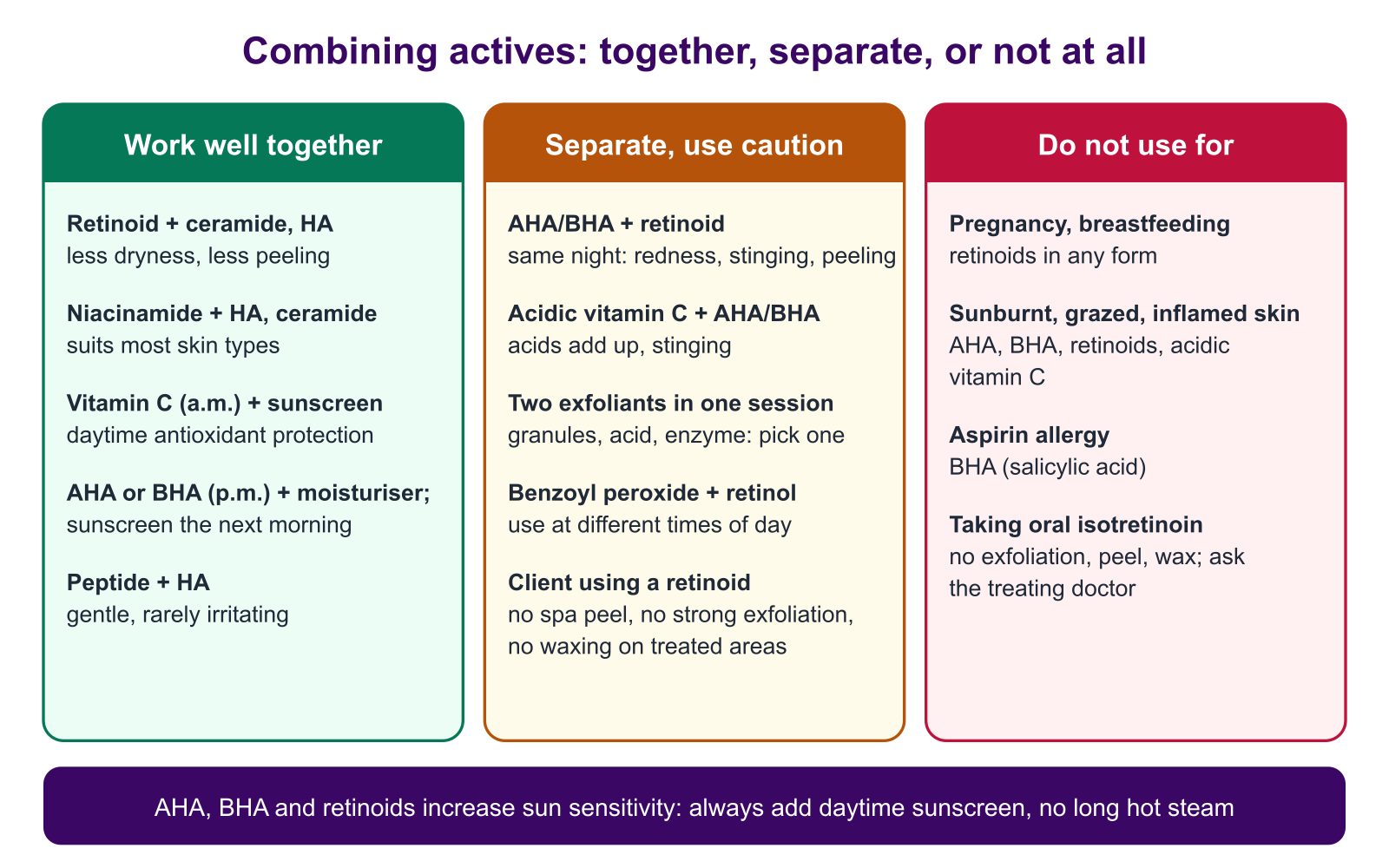
- Work well together: retinoids with ceramides and HA (less dryness and peeling); niacinamide with HA and ceramides; vitamin C in the morning with sunscreen; AHA or BHA in the evening with a moisturiser, and sunscreen the next morning; peptides with HA.
- Separate times, with caution: AHA/BHA with a retinoid on the same evening; acidic vitamin C with AHA/BHA; two kinds of exfoliation (scrub, acid, enzyme) in one spa session, choose only one; benzoyl peroxide and retinol used at different times.
- Do not use: retinoids in pregnancy or while breastfeeding; AHA, BHA, retinoids or acidic vitamin C on sunburnt, grazed or inflamed skin; BHA for people allergic to aspirin.
Niacinamide and vitamin C were once rumoured to be "never used together". With today's products, many people can use them together; if the client gets redness or stinging, separate them into morning and evening. This is an example of why you should rely on the skin's reaction and the manufacturer's instructions rather than rumours.
Sun sensitivity and sun protection
AHAs, BHA and retinoids thin the stratum corneum, so the skin reddens, stings and darkens more easily in the sun. For that reason, any treatment programme using these actives always comes with advice on daily broad-spectrum sun protection, applied in a sufficient amount and reapplied during long periods outdoors or after sweating. When reading a sunscreen label, look for the words "broad spectrum" or a UVA rating (such as PA+++) together with the SPF.
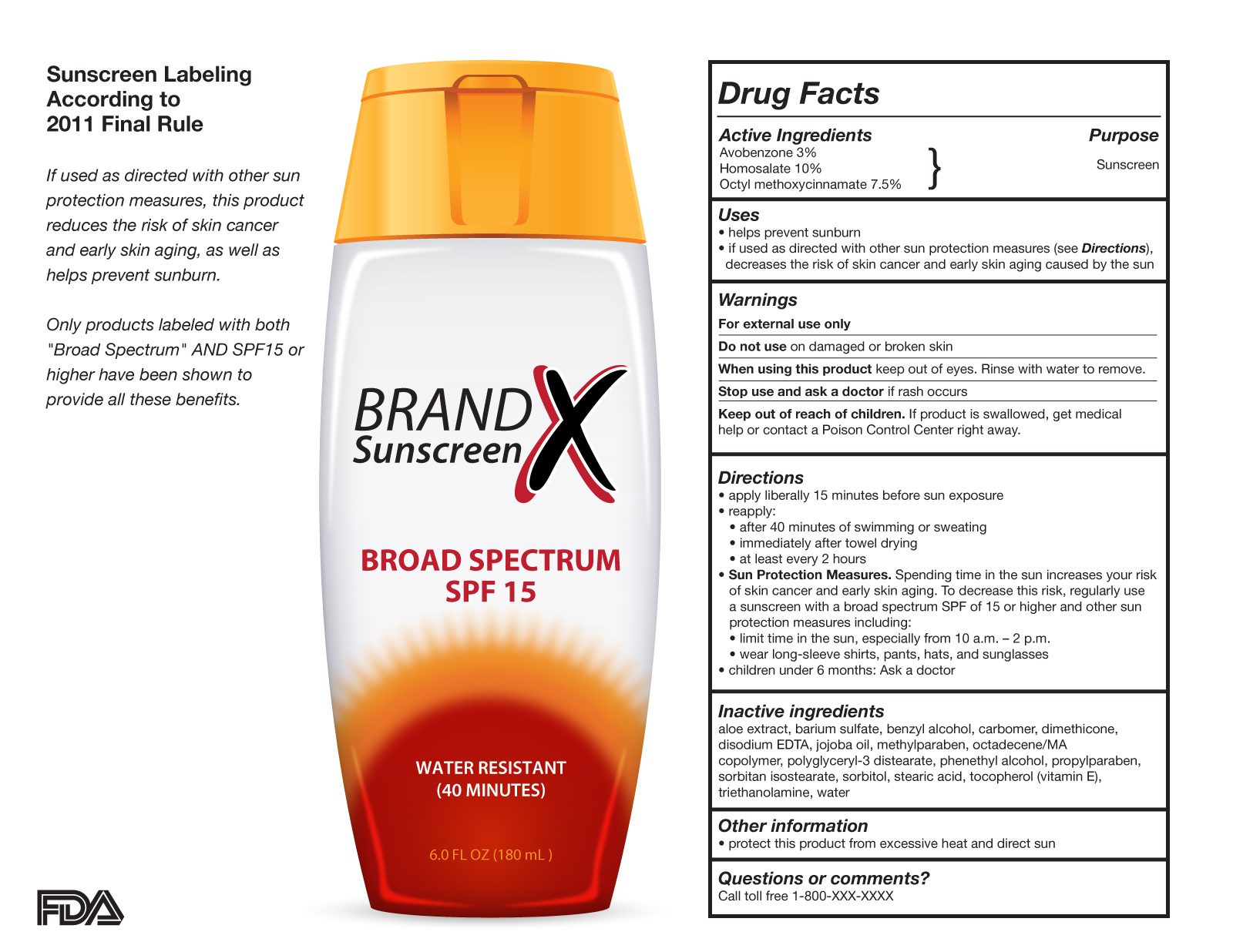
Photo: The U.S. Food and Drug Administration / Wikimedia Commons, Public domain

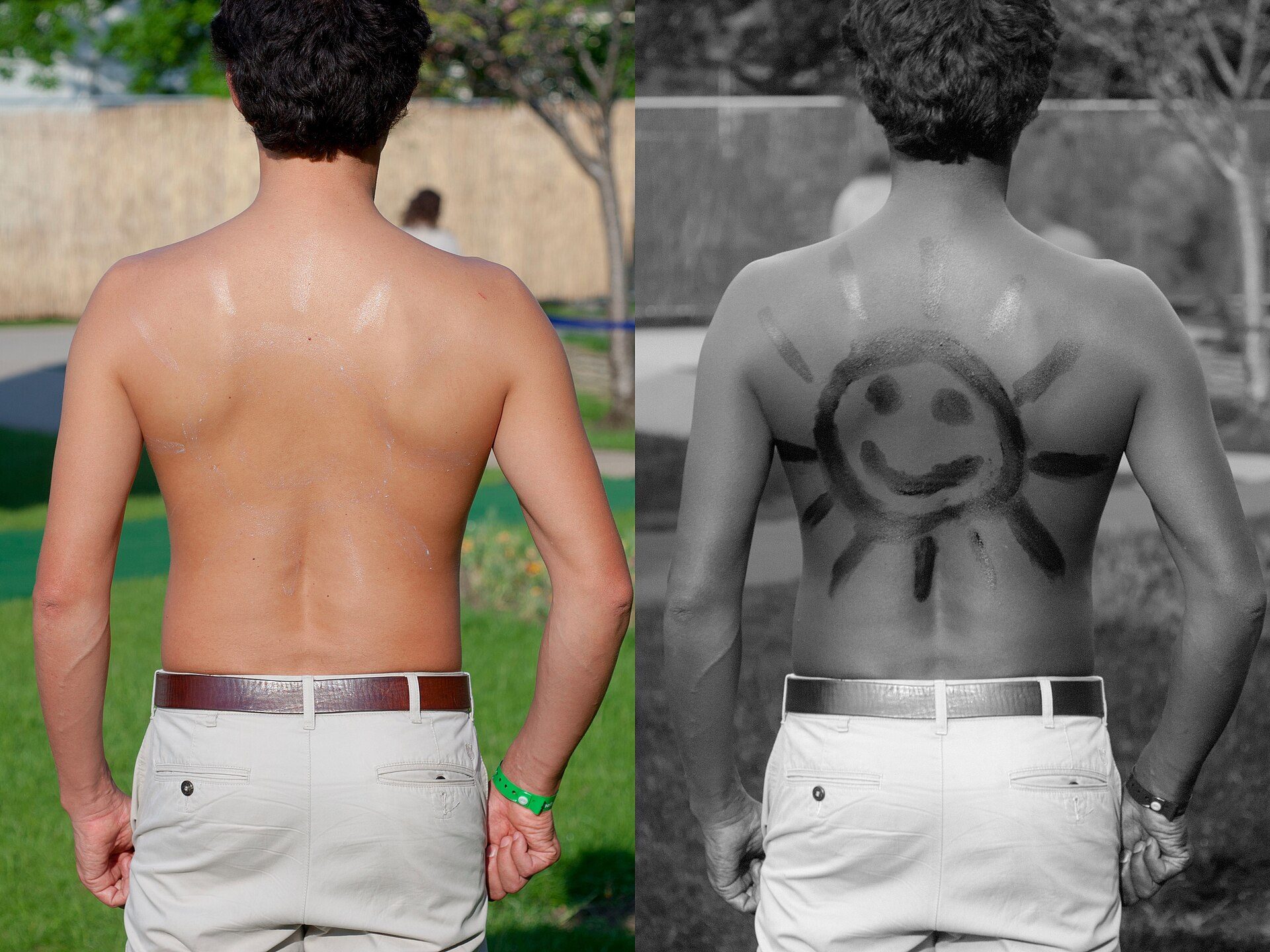
Photo: Photograph by Andrew Steele ( https://andrewsteele.co.uk ), jointly released into the public domain by the person in the photo (wiki user HYanWong ). / Wikimedia Commons, CC0

Adjusting spa services to the actives the client is using
During consultation and skin analysis you asked, "What products are you using at the moment?" Now put that answer to use:
| Client is using | How the spa adjusts |
|---|---|
| Topical retinoid (cosmetic or medicine) | No peel, no scrub, no waxing on the treated area; gentle cleansing, hydration and recovery; you may suggest the client pauses application for a few days before the session if her doctor agrees |
| Oral isotretinoin | No exfoliation, peels or waxing on the face; gentle care only; the client asks her treating doctor about a safe interval after stopping the medicine |
| Daily AHA, BHA | No additional exfoliation in the spa session; avoid long hot steaming |
| Topical medicine containing corticosteroids | No exfoliation, no peel, no firm massage on the treated area; ask the reason and how long she has been using it; if used long-term without a doctor, advise her to see one |
| Pregnant or breastfeeding | Remove retinoid products; avoid high-concentration acid peels; choose gentle products without strong fragrance |
Legal cosmetics in Vietnam
Under Circular 06/2011/TT-BYT on cosmetics management, any organisation or individual placing a cosmetic on the Vietnamese market must notify the product to the regulatory authority and receive a cosmetic product notification receipt number. The notification belongs to one specific product (name, form, brand); a different product "borrowing" that number is treated as having no notification at all. A cosmetic label must show the mandatory information, such as product name, purpose, ingredients, directions for use, batch number, expiry date, and the name and address of the organisation responsible for placing the product on the market. Imported products with an original foreign-language label must have a Vietnamese supplementary label showing the mandatory information.
The notification is an administrative procedure; it is not a certificate that the product is effective, and cosmetics may not be advertised as medicines that cure disease. The Advertising Law 2012 also requires that cosmetic advertising must not mislead people into thinking the product treats disease.
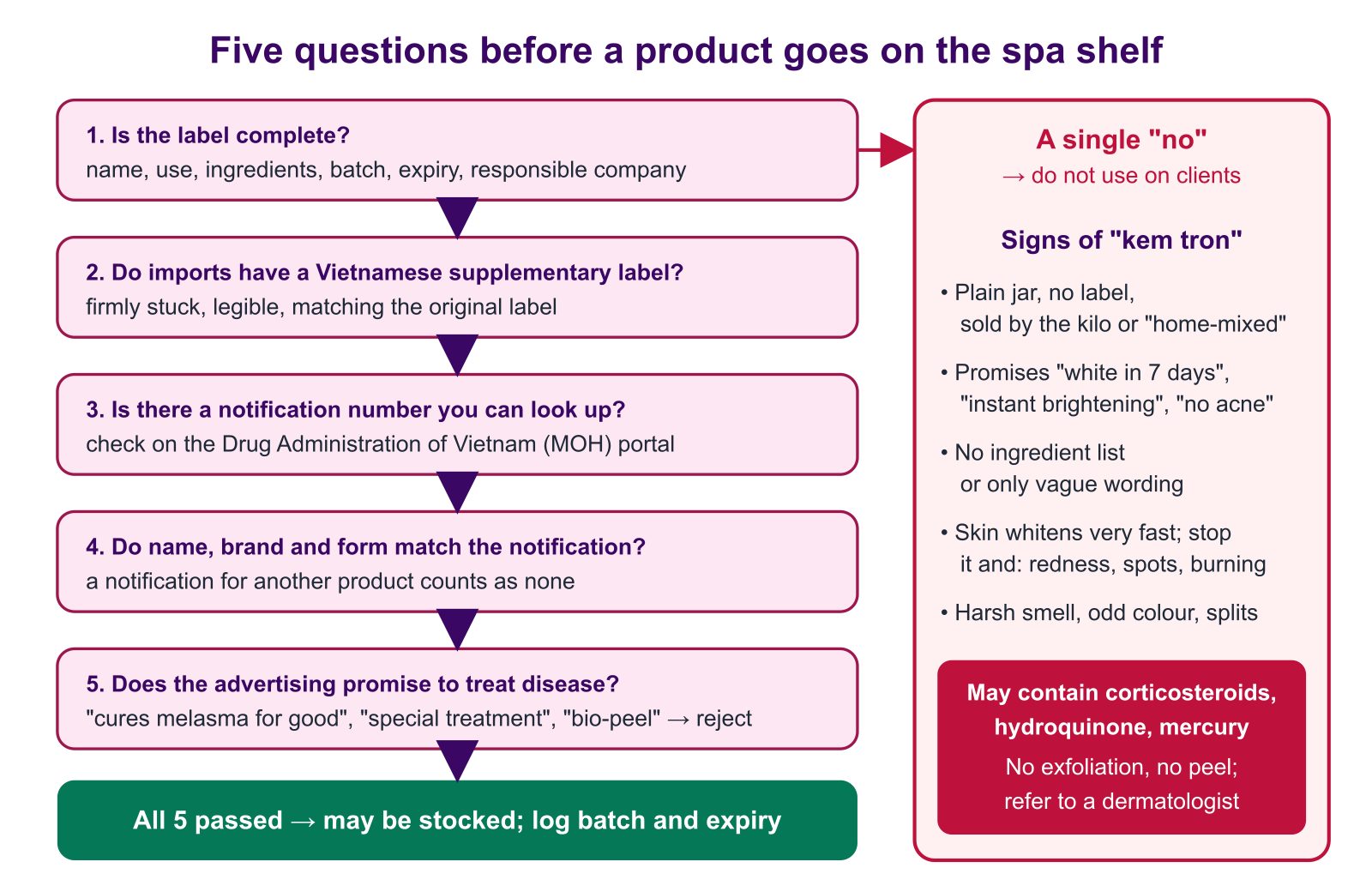
Checking procedure before stocking a product
- Complete label: name, purpose, ingredients, batch number, expiry date, responsible party.
- Vietnamese supplementary label (imported goods): firmly attached, legible, content matching the original label.
- Notification number: ask the supplier for the receipt number, then look it up yourself on the information portal or public services site of the Drug Administration of Vietnam – Ministry of Health. Do not rely only on a photo the supplier sends.
- Cross-check: the product name, brand and form (cream, serum, gel) on the notification must match the product in your hand; check that the notification is still valid.
- Advertising claims: if it says "cures melasma for good", "specialist treatment", "biological skin replacement" or "stem-cell regeneration", reject it.
- Record it: name, batch number, expiry date, date received, supplier, notification number. If a client has a reaction, this log lets you trace the product batch.
Recognising unregulated mixed creams and corticosteroid-damaged skin
"Kem tron" (unregulated mixed creams) is the name for home-mixed creams sold in plain jars or by the kilo, advertised as "fast whitening" or "brightens several shades". Many have been found to contain substances that are banned or prescription-only: corticosteroids (such as clobetasol, betamethasone, dexamethasone), hydroquinone (a depigmenting agent used only on medical advice), and even mercury (banned in cosmetics).
Signs on the product:
- Plain jar with no label or a crudely printed one, no Vietnamese supplementary label, no notification number that can be looked up.
- No ingredient list, or a vague one ("natural extracts", "fresh collagen").
- Promises such as "white in 7 days", "spots gone instantly", "3 shades brighter".
- Pungent smell, odd colour, separation; sold as "the spa's exclusive own blend".
Signs on the skin of a client who has used it for a long time: the skin whitened very quickly, then became thin, red and burning in the sun, with visible broken capillaries, dense tiny spots, increased hair growth and itching; when she stops the cream the redness and breakouts get worse, so the client "doesn't dare stop". This condition needs to be followed by a dermatologist.
What the therapist does:
- Ask gently, without blaming the client: "How long have you been using this, where did you buy it, does it have a label?" Record it on the form.
- No exfoliation, no peel, no extraction, no hot steaming; only very gentle cleansing and light hydration, or postpone the session.
- Advise the client to see a dermatologist and take the cream she is using. Do not tell her to "stop immediately" or "taper off" yourself, because stopping a corticosteroid product needs a doctor's guidance.
- Do not sell a "mixed-cream detox treatment programme" or "corticosteroid detox". That is a treatment promise the spa is not allowed to make.
Common mistakes
| Mistake | Why it is wrong or dangerous | The right way |
|---|---|---|
| Reading "contains vitamin C" and believing it contains a lot | Ingredients listed after the fragrance are usually present in very small amounts | Check its position in the INCI list; the concentration is known only if the brand declares it |
| Using a serum opened last year because it is "still within EXP" | EXP applies to an unopened bottle; past the PAO it spoils and becomes contaminated easily | Label the opening date; discard at the PAO or EXP, whichever comes first |
| Peeling a client who is using a retinoid | Thin skin, easily burnt, peeling, darkened | Ask what she is using; no peel, no strong exfoliation |
| Using a retinol product on a pregnant client | Retinoids are not used in pregnancy or while breastfeeding | Ask about pregnancy at every session; remove retinoid products completely |
| Stocking products based only on a photo of the notification | It may belong to a different product or be fake | Look it up yourself on the Drug Administration of Vietnam portal; cross-check name, brand, form |
| Selling the spa's "own-blend whitening cream" as an add-on | No notification; risk of banned substances; breaches regulations | Use and sell only labelled products with a valid notification number |
| Telling a client using mixed creams to "stop immediately" | Abruptly stopping a corticosteroid product can make the skin flare; the therapist has no medical treatment expertise | Gentle care, advise her to see a dermatologist and bring the product |
Pass criteria for this lesson
- For 3 real products given by the trainer, within 60 seconds each, correctly point out: the first ingredient, the main active, fragrance (if any), EXP, PAO and the Vietnamese supplementary label.
- State the correct purpose and 1 safety note for all 8 groups of actives in the lesson.
- For 10 pairs of actives or situations, correctly place at least 8/10 into "together", "separate times" or "do not use".
- State without hesitation: pregnant or breastfeeding clients do not use retinoids; clients using retinoids get no peel and no strong exfoliation.
- Look up the notification number of 1 product on the Drug Administration of Vietnam portal and correctly cross-check name, brand and form within 10 minutes.
- List at least 4 signs of mixed creams (on the product and on the skin) and role-play advising a client to see a dermatologist within 1 minute, without using diagnostic language and without promising a "detox".
Frequently asked questions
Are "natural" or "organic" products safer?
Not necessarily. Essential oils and plant extracts can still cause allergies; "natural" is neither an INCI name nor a safety standard. Read the ingredients, check the notification and patch test sensitive clients, just as with any other product.
Does having a notification number mean the product is good and effective?
No. The notification number shows the product has been notified for sale in accordance with the regulations and that an organisation is responsible for it. It does not certify effectiveness. A notified product advertised as a "specialist treatment" is still falsely advertised.
A client asks, "Could you mix some extra vitamin C into my cream?"
No. The spa does not mix or add actives into products: you cannot control concentration, stability or cleanliness, and once mixed the product is no longer the notified product. Use finished products according to the manufacturer's instructions.
Can a pregnant client have a facial?
Yes, with a gentle protocol: cleansing, hydration, light massage, a mask without retinoids, no high-concentration peels, no strong heat. If the client has a pregnancy-related medical condition, advise her to ask her obstetrician first.