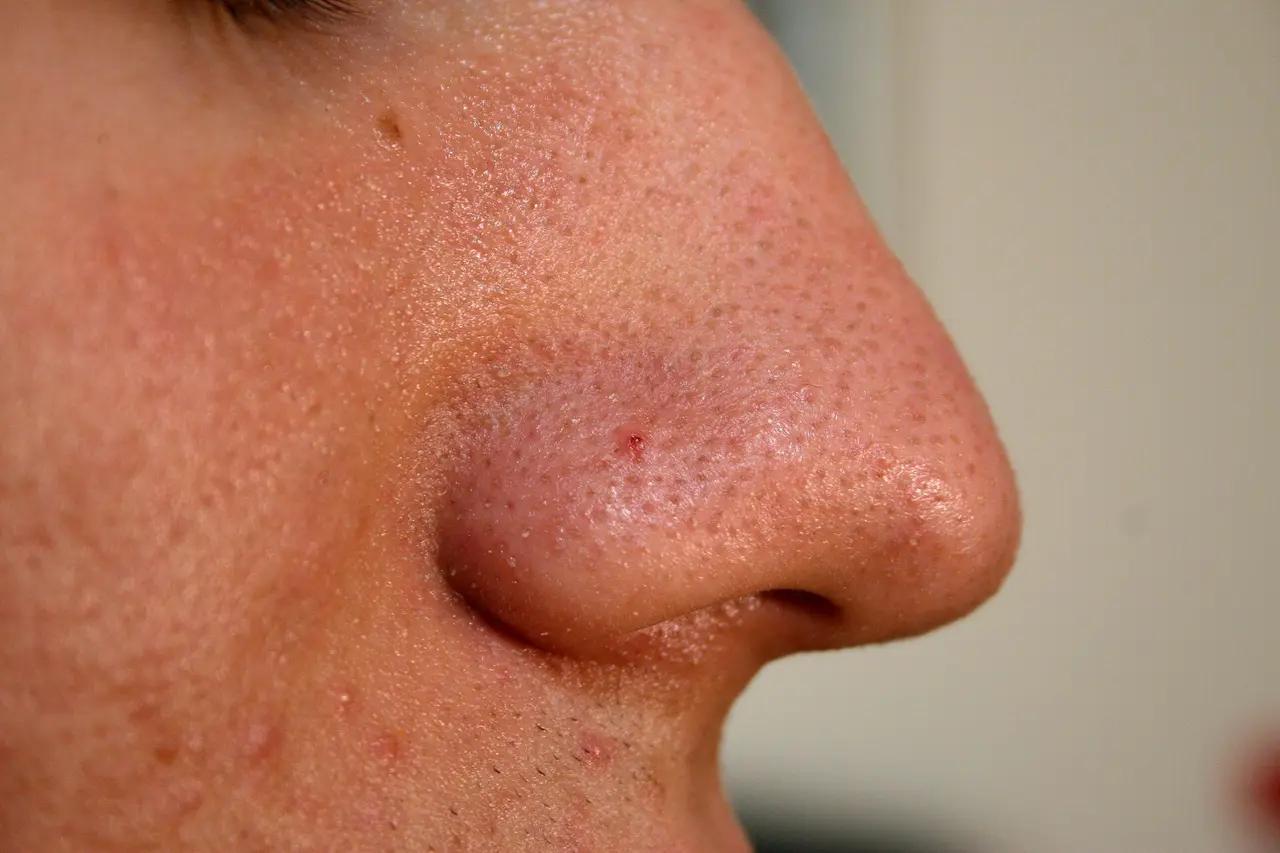
In many Vietnamese spas, extraction is the most requested service after the basic facial. Clients arrive with a nose full of blackheads, a chin dotted with whiteheads, and sometimes a few red, painful spots they have already squeezed at home. The client wants "everything cleared out in one session". This is exactly where the senior therapist must be better than a trainee: knowing which lesions can be extracted, which must never be touched, which clients must be invited to see a dermatologist, and how to extract without leaving marks, scars or infection. One careless extraction session can leave marks that last for months, and the client will remember your spa for those marks, not for the clear skin.
This lesson does not repeat skin structure, hand washing or the 8-step facial cleansing procedure, because you learned them at Level 1. Here we go deeper into how acne forms, how to classify lesions to make decisions, the boundary between the spa and the doctor, and aseptic extraction technique.
By the end of this lesson, you will be able to:
- Explain in simple words the four factors that create a spot: sebum, follicular keratinisation, bacteria and the inflammatory response.
- Correctly classify the six common types of acne lesion (blackhead, whitehead, inflamed papule, pustule, nodule, cyst) when analysing skin under the magnifying lamp.
- Recognise the five situations in which you must stop the extraction service and invite the client to see a dermatologist, and tell the client in the right way.
- Carry out the 8-step aseptic extraction procedure in a maximum of 15 minutes, pressing each lesion no more than 2 times.
- Calm the skin after extraction, give the client homecare advice and avoid the mistakes that cause marks and scars.
How acne forms: four factors acting together
Acne occurs in the pilosebaceous unit. Every pore on the face is the opening of a hair follicle, and inside it is a sebaceous gland that produces oil. Normally the oil flows steadily onto the skin surface and the dead cells in the follicle neck shed cleanly. Acne begins when this flow is blocked. Dermatology sources agree on four factors, and the therapist needs to understand all four because each step of care acts on a different factor.
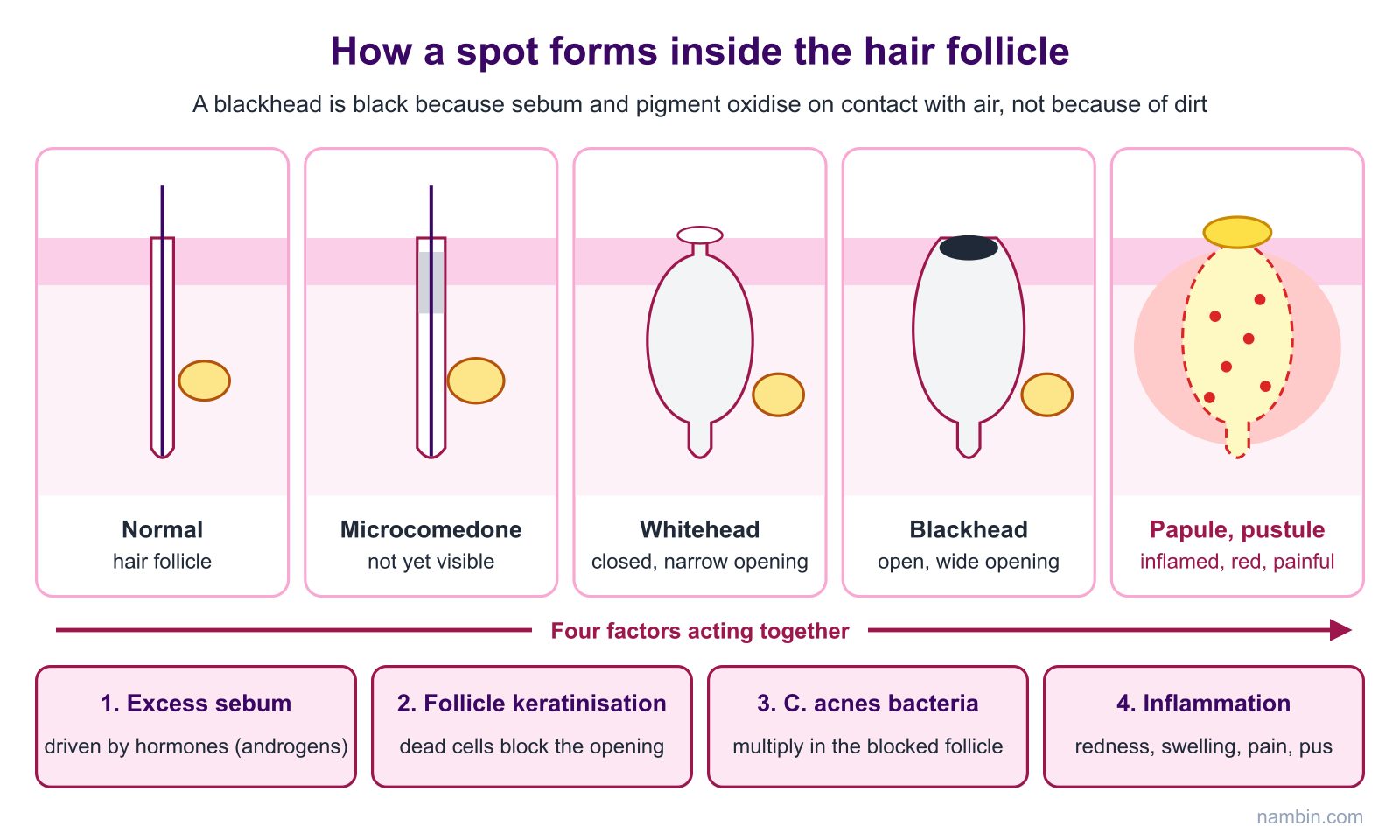
- Excess sebum. The sebaceous glands are influenced by male hormones (androgens), which both men and women have. That is why acne tends to flare at puberty, before a period, and with stress or late nights. The therapist cannot change hormones; we only remove excess oil and avoid over-drying the skin, because stripped skin often reacts by producing more oil.
- Keratinisation of the follicle neck. Keratinocytes in the follicle neck stick together instead of shedding, and mix with sebum into a plug that blocks the opening. A plug too small to see is called a microcomedone. This is why correct exfoliation helps limit comedones, while harsh scrubbing does not.
- C. acnes bacteria. Cutibacterium acnes (formerly Propionibacterium acnes) normally lives on the skin. When the follicle is sealed, oil-rich and low in oxygen, the bacteria multiply rapidly and produce substances that trigger inflammation. Bacteria are not "dirt"; washing the face many times does not kill them all, and should not try to.
- Inflammatory response. The body sends immune cells, causing redness, swelling, pain and sometimes pus. If the follicle wall ruptures (on its own or from hard squeezing), the contents spill into the dermis and the inflammation spreads wider and deeper. This is precisely the mechanism by which incorrect squeezing creates marks and scars.
Understanding these four factors helps you advise correctly. The spa can help with factors 1 and 2 (cleansing, balancing oil, light exfoliation, extracting the right lesions) and reduce irritation for factor 4. Treating bacteria and inflammation with medicines (antibiotics, prescription retinoids, isotretinoin, hormonal medicines) is the doctor's job.
A misconception to correct for the client
Clients often say, "My nose has so much black dirt." The black colour of a blackhead is sebum and melanin pigment that oxidise when the follicle opening is exposed to air; it is not dirt. Explaining this correctly helps clients drop the habit of scrubbing the nose with a brush or using peel-off strips constantly, which irritates the skin and makes pores look larger.
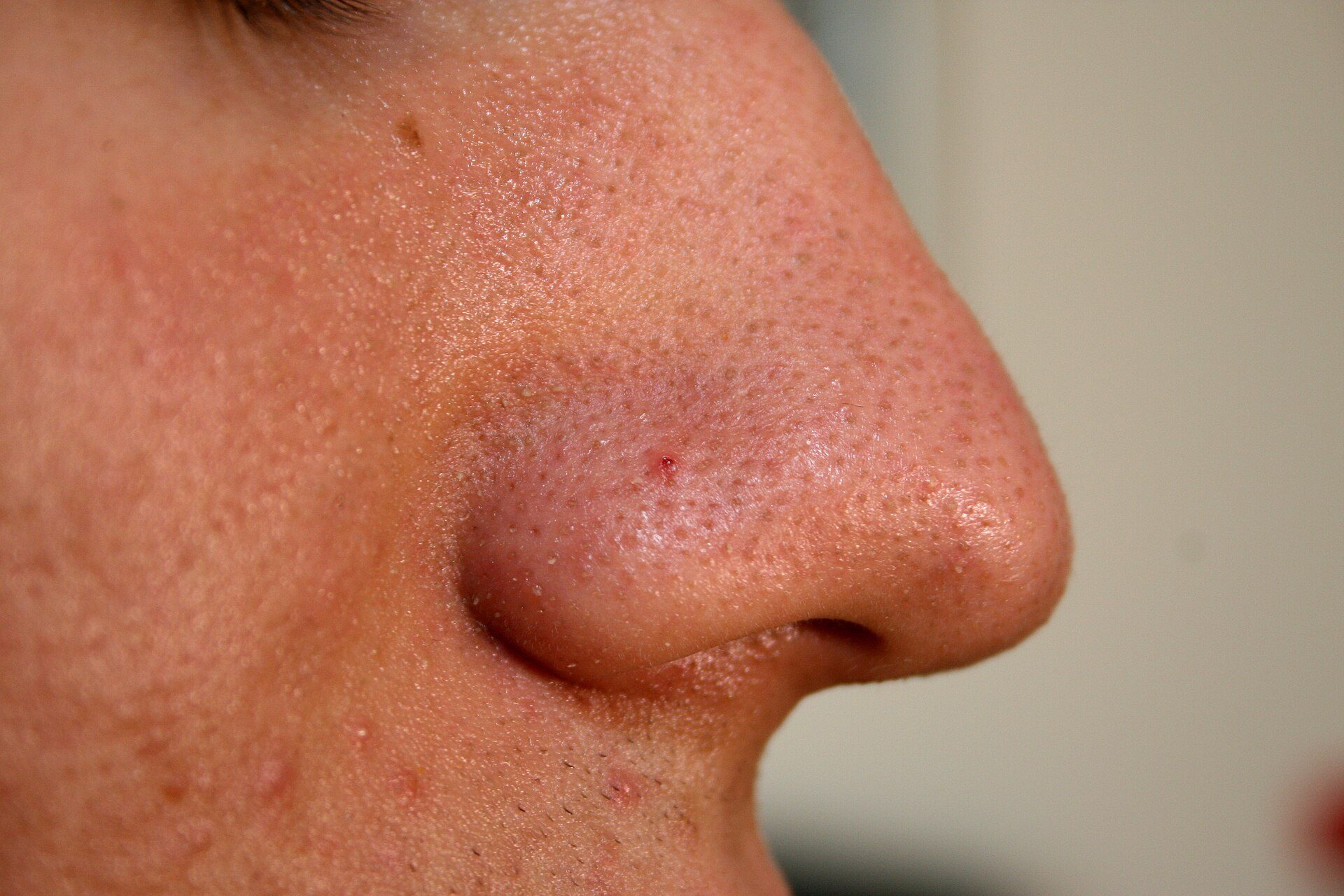
Photo: LBPics / Wikimedia Commons, CC BY-SA 3.0

Classifying acne to make decisions
Before touching any lesion, examine the whole face under the magnifying lamp, divide it into zones (forehead, nose, both cheeks, chin, jawline) and record the type of acne in each zone on the form. The purpose of classifying is not to diagnose a disease but to answer one question: "What is the therapist allowed to do with this lesion?"
- Blackhead (open comedone): a black dot at the pore opening, not red, not painful. Common on the nose, chin and forehead.
- Whitehead (closed comedone): a small skin-coloured or ivory bump with the follicle opening almost closed. Feels gritty like grains of sand under the skin; common on the forehead and chin.
- Inflamed papule: a red, slightly firm spot, painful when pressed, with no pus head yet. This lesion is actively inflamed.
- Pustule: a whitish-yellow pus head with a red base. In the trade it is said to have "come to a head" when the pus is clearly visible, shallow, close to the surface and the red base has shrunk.
- Nodule: a deep, large, hard, aching lump under the skin that lasts many days, with no clear pus head.
- Cyst: a softer, fluid-filled lump lying deep, which easily leaves atrophic (pitted) scars or long-lasting marks.
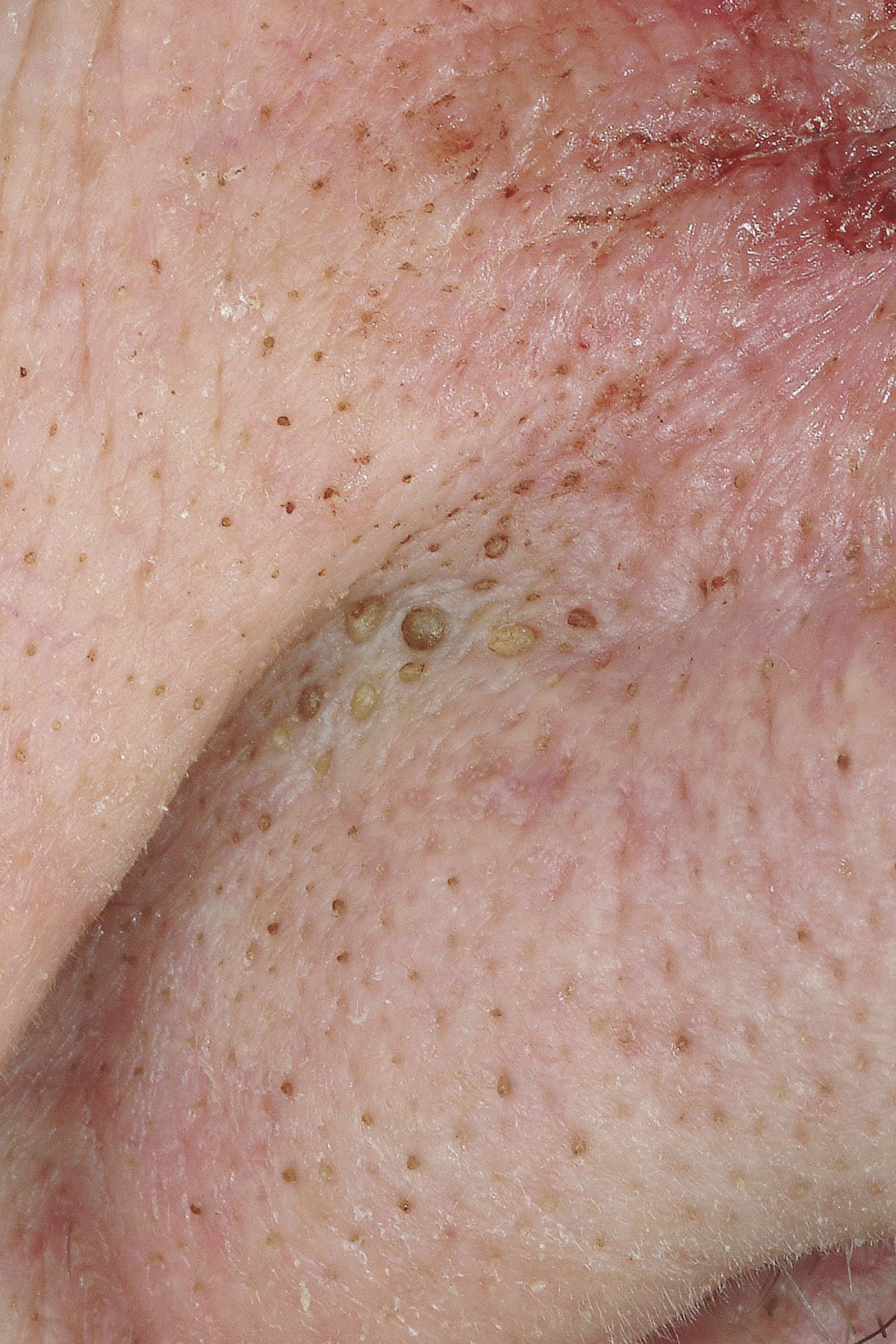
Photo: M. Sand, D. Sand, C. Thrandorf, V. Paech, P. Altmeyer, F. G. Bechara / Wikimedia Commons, CC BY 2.0

The reference table below is a daily working tool. Print it, laminate it and keep it beside the magnifying lamp.
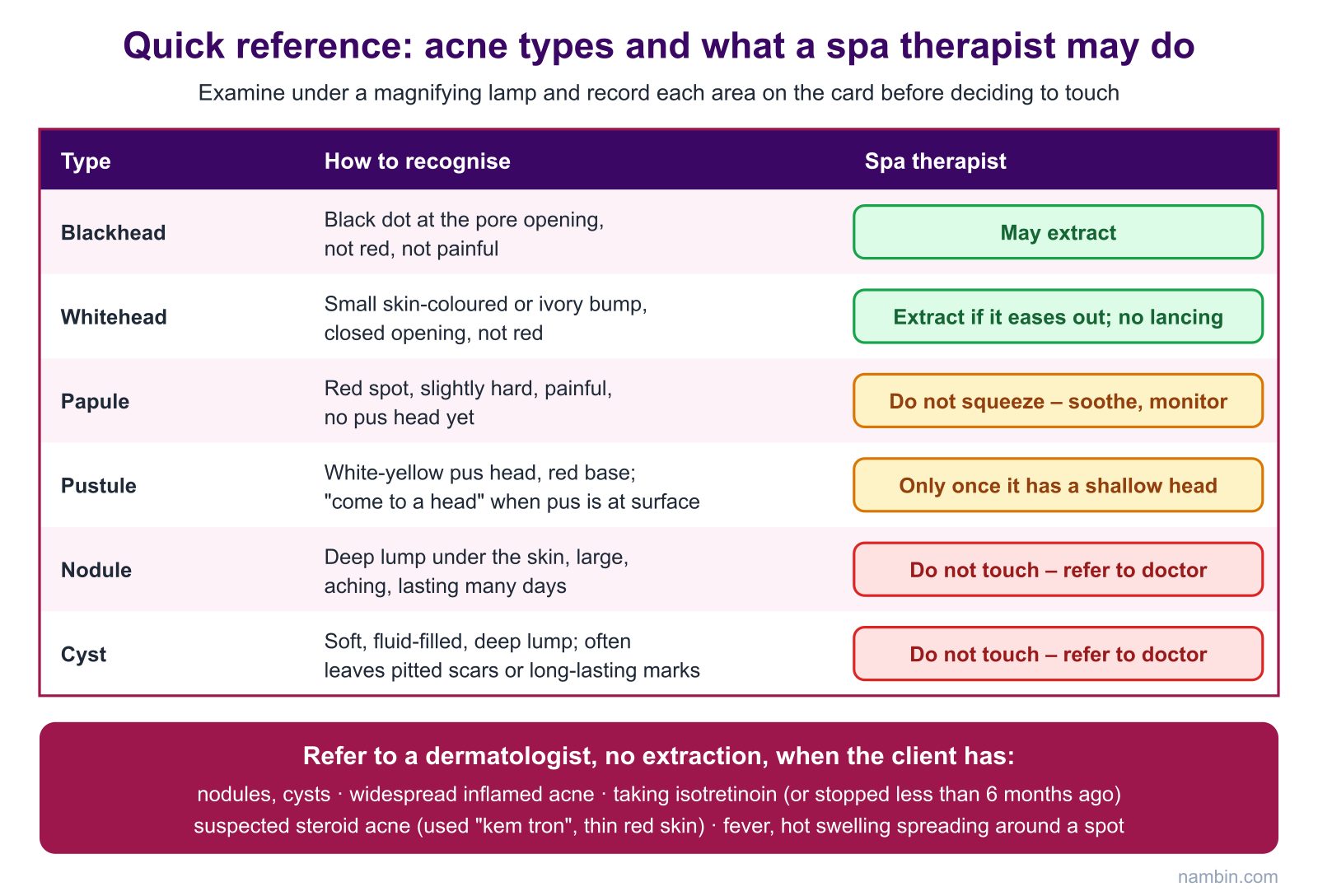
| Lesion type | The spa therapist may | The therapist must not |
|---|---|---|
| Blackhead | Soften, extract with a sterile extractor, press gently around the follicle opening | Press hard, press the same spot repeatedly, squeeze with fingernails |
| Whitehead | Extract if gentle pressure releases the plug; leave it if it does not come out | Prick or cut open the follicle with a needle or blade |
| Inflamed papule | Calm, apply a soothing mask, record on the form, monitor at the next session | Squeeze, scrub, massage over the lesion |
| Pustule | Extract only when it has come to a shallow head and the pus rises with gentle pressure | Squeeze while the base is still large and red and the pus is still deep |
| Nodule, cyst | Do not touch; explain and invite the client to see a dermatologist | Squeeze, prick, "suck out the pus", apply home-made preparations |
What the spa may do, and when to refer to a dermatologist
The spa only provides non-invasive care. Under the Law on Medical Examination and Treatment No. 15/2023/QH15, examination, diagnosis, prescribing and medical interventions belong to licensed practitioners and licensed medical facilities. For acne-prone skin this means the spa may cleanse, exfoliate lightly, extract superficial comedones with sterile instruments, calm the skin and give homecare advice using cosmetics. The spa does not prick or lance, does not inject, does not prescribe medicines, does not sell antibiotics or home-made "specialist treatment creams", and does not promise to "cure acne for good".
In the five situations below, you do not extract; you invite the client to see a dermatologist first:
- Nodular or cystic acne. The lesions sit deep; squeezing only ruptures the follicle wall into the dermis and raises the risk of atrophic scars. This type of acne needs medical treatment.
- Widespread inflamed acne across several zones. When most of the face is red papules and dense pustules, that is inflammation needing treatment, not "spots to squeeze".
- Taking isotretinoin, or stopped less than 6 months ago. Isotretinoin is a prescription acne medicine that makes the skin thin, dry and slow to heal. Extraction, exfoliation or waxing during this period easily grazes the skin, heals slowly and scars. Ask for the name of the medicine, and also ask about prescription topical medicines such as retinoids.
- Suspected corticosteroid-induced acne. The client has used unregulated mixed creams ("kem tron") or "miracle" creams of unknown origin; the skin is thin and red with tiny visible blood vessels and small uniform spots that flare when she stops the cream. You do not conclude "corticosteroid-damaged skin"; you record the signs and invite the client to see a doctor.
- Signs of systemic or spreading infection. The client has a fever, the area around a lesion is swollen, hot and spreading red, very painful, or there are swollen lymph nodes. This needs an early medical visit, possibly urgently.
How to tell the client
How you say it decides whether the client comes back. Do not say, "Your skin is too bad, I can't do it." State the reason clearly and the benefit to the client: "The spots along your jaw are deep under the skin; if I squeeze them they could easily leave pitted scars. A dermatologist has medicines that treat this type much more effectively. Today I'll cleanse and calm your skin and I won't touch those spots. Once you've seen the doctor and they agree, we'll book supporting care sessions." Record on the form: the reason for referral, the date, and what was explained to the client. Do not recommend a "clinic we know" to earn a commission; only advise the client to go to a licensed dermatology facility.
Preparing instruments and asepsis
Extraction is a procedure that can break the skin. That is why the aseptic standard here is higher than in an ordinary facial. You learned 6-step hand washing and instrument disinfection at Level 1; here we only stress the points specific to extraction.
- Disposable nitrile gloves, a fresh pair for every client. Change gloves immediately if they tear or if you touch anything unclean such as a phone, a cupboard handle or the client's hair.
- Sterile metal comedone extractor. One extractor (or one set) per client, cleaned, disinfected according to the spa's procedure, packed and dated. Open the pack in front of the client. Do not use an extractor "standing in a cup of alcohol" shared all day.
- 70% alcohol to disinfect the skin to be extracted and to wipe the extractor tip between zones. 70% alcohol disinfects better than 90% because the water helps the alcohol penetrate the bacterial membrane; let it air-dry for it to work.
- Sterile cotton pads and gauze, single use; clean and dirty trays kept separate; a lidded bin.
- Magnifying lamp wiped clean, warm towels or a steamer, a soothing mask, sunscreen.
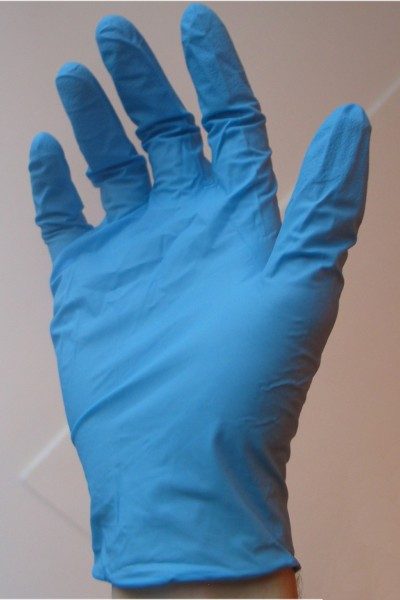
Photo: Không rõ tác giả / Wikimedia Commons, Public domain

About the extractor: the double-ended type usually has a loop end used to press around the plug and a spoon end with a hole. Place the loop around the follicle opening, not pressing down on top of the lesion. Do not use a sharp needle (lancet) to prick lesions open; pricking or cutting the skin is an invasive procedure outside the spa's scope.
The 8-step aseptic extraction procedure
The procedure below follows the basic skin cleansing. The total time for the extraction part (steps 4 to 6) is a maximum of 15 minutes for the whole face. This limit is not about saving time; skin that is pressed for too long becomes red and swollen, its protective barrier is damaged and marks form easily.
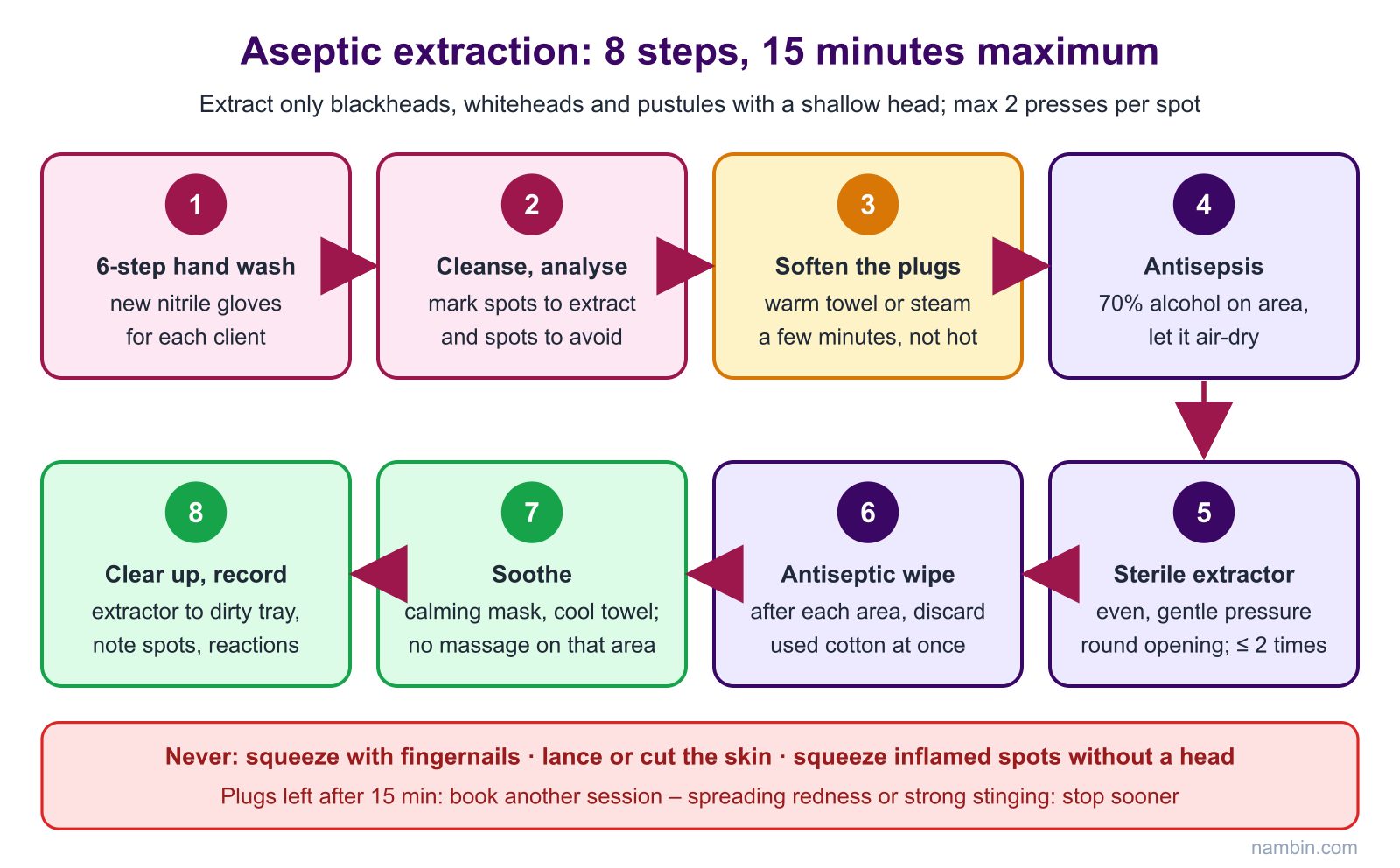
- Wash hands, put on gloves. Wash hands using the WHO 6 steps, dry, put on new nitrile gloves. Open the extractor pack in front of the client.
- Cleanse, analyse, map the zones. Remove make-up and cleanse gently. Examine under the magnifying lamp and identify the lesions to extract and those to avoid, using the table in Figure 4. Tell the client: "Today I'll extract the plugs on your nose and chin. I won't touch the two red spots on your cheek because they're inflamed."
- Soften the plugs. Apply a warm towel or steam for a few minutes so the plugs soften and the follicle openings relax. Warm, not hot; test it on the inside of your own wrist first. For sensitive skin or skin with dilated capillaries, shorten or skip the steam.
- Disinfect the skin. Put 70% alcohol on a cotton pad, wipe the area to be extracted and wait for it to air-dry. For skin too sensitive to alcohol, use a suitable skin antiseptic according to the spa's protocol.
- Extract with the sterile extractor. Gently stretch the skin with two gloved fingers. Place the loop around the follicle opening and press evenly and gently, angling slightly along the direction of the follicle. Blackhead plugs usually come out easily. Press each lesion no more than 2 times; if it does not come out, stop and leave it for the next session. Extract pustules only when they have come to a shallow head: gentle pressure brings the pus up, with no blood. If you see blood or clear fluid, or the client feels a sharp pain, stop on that lesion.
- Antiseptic wipe after each zone. After each zone (nose, chin, forehead…), wipe the skin again with a cotton pad moistened with alcohol or antiseptic, and drop used cotton into the dirty tray at once. Wipe the extractor tip before moving to a new zone. Never reuse a cotton pad that has touched an extracted plug.
- Calm. Apply a soothing mask or a cool towel. No firm massage on the extracted area, no peel-off mask, no exfoliation after extraction.
- Clear up, record. The extractor goes into the dirty tray to be cleaned and disinfected; gloves and cotton go into the lidded bin. Record on the form: zones extracted, estimated number of lesions, lesions avoided, the skin's reaction and the advice you gave the client.
Managing the 15 minutes in practice
Start timing at step 4. Allocate time by priority: the zone the client cares about most first, less important zones afterwards. If plugs remain at minute 15, stop and say: "Your skin has done enough work for today; let's book the rest for the next session so it has time to recover." The interval between two extraction sessions is usually 1–2 weeks or more, depending on recovery; if the skin is still red or still shows pressure marks, do not repeat yet. If during the work the redness spreads, the skin swells or the client feels a lot of stinging, stop before the 15 minutes are up.
Post-extraction care and client advice
After extraction the skin is usually slightly red at the points that were pressed, which can last a few hours. Your job is to help the skin settle and help the client not ruin the result at home.
- During the session: soothing mask, a light non-pore-clogging moisturiser (usually labelled "non-comedogenic"), broad-spectrum sunscreen if the client is leaving during the day.
- In the first 24 hours: no heavy make-up on the extracted area, no steaming, no sauna, no exercise that causes heavy sweating, no swimming in chlorinated pools.
- Over the next few days: wash gently, do not scrub, do not use exfoliating products containing acids or granules, do not squeeze spots at home, do not touch the face, change the pillowcase, wipe the phone screen.
- Daily sun protection: skin that has just been inflamed or extracted easily develops extra pigmentation in the sun; sunscreen is the most important way to prevent marks.
- Signs that must be reported to the spa or seen by a doctor: a lesion that becomes increasingly swollen, red, hot and painful after 1–2 days, new pus around a pressure point, fever.
Give the advice on a printed sheet or by text message, because clients often forget what they hear just after getting up from the treatment bed. Avoid recommending "specialist treatment creams" as if treating disease; only suggest cosmetic products with a notification under Circular 06/2011/TT-BYT on cosmetics management and describe their care purpose accurately.
Common mistakes that cause marks, scars and infection
Post-acne marks (post-inflammatory hyperpigmentation, PIH) are very common in Vietnamese skin, because Asian skin tends to produce melanin strongly when inflamed. Atrophic scars form when deep inflammation destroys collagen in the dermis. Most of these cases can be reduced if the therapist avoids the mistakes below.
| Mistake | Why it is dangerous/wrong | The right way |
|---|---|---|
| Squeezing an inflamed spot that has not come to a head | The pus is still deep; hard pressure ruptures the follicle wall into the dermis, inflammation spreads, marks and pitted scars form easily | Only calm, record on the form, wait for it to come to a shallow head or subside |
| Squeezing with fingernails or bare fingers | Nails leave crescent-shaped marks, introduce bacteria and apply uneven force | Sterile metal extractor, hands in nitrile gloves |
| Pressing the same lesion again and again | Bruising, swelling, damage to surrounding tissue, long-lasting marks | No more than 2 presses per lesion; if it does not come out, leave it for the next session |
| Extracting for more than 15 minutes to "get it all out" | Red, swollen face, weakened barrier, easily irritated by products afterwards | Time it, prioritise the main zones, book another session |
| Sharing extractors, dabbing with the same cotton pad repeatedly | Spreads bacteria from lesion to lesion and from client to client | One sterile set per client, single-use cotton, wipe the extractor between zones |
| Pricking or cutting lesions with a needle or blade | An invasive procedure outside the spa's scope, risk of infection and scarring | Never prick or lance; lesions needing deeper treatment are referred to a doctor |
| Steaming too hot or too long | Dilated capillaries, prolonged redness, mild burns on thin skin | Moderately warm towel, a few minutes, test the temperature first |
| Exfoliating or using a peel-off mask right after extraction | The skin is open; further rubbing grazes it, stings and lets infection in | Only calm; save exfoliation for another session once the skin has healed |
| Not advising sun protection | Inflamed points exposed to UV easily turn into marks that fade slowly | Advise daily sunscreen, give written advice |
Case: the client insists you squeeze a large red spot on her chin
The client points to a red, painful spot on her chin and says, "Squeeze this one for me, it really aches." Under the lamp you see a red, hard spot with no pus head yet. This is an inflamed papule, possibly a deep lesion. You do not squeeze it. You say: "This one hasn't come to a head; if I squeeze it now the pus gets pushed deeper and it's likely to mark and scar. I'll apply something soothing to ease the ache. If it gets bigger or more painful, or you get a fever, please see a dermatologist soon." Then you record it on the form. The client may not be happy at that moment, but she will trust you more when the spot goes down without leaving a scar.
Pass criteria for this lesson
You pass this lesson when you can do the following in front of the trainer:
- State the four factors of acne formation in no more than 2 minutes, in words a client understands, and correctly explain why blackheads are black.
- Analyse one client's skin (or sample photos) and correctly classify at least 5/6 types of acne lesion, recording the correct zones on the form.
- List all 5 situations requiring referral to a dermatologist and role-play telling a client once, without using diagnostic language.
- Carry out all 8/8 steps of the aseptic extraction procedure in the correct order; the extraction part takes no more than 15 minutes; no lesion is pressed more than 2 times; no fingernails are used.
- Use 70% alcohol correctly and wait for it to dry; change gloves at the right moment when the trainer creates a situation of touching something unclean.
- Give the client all 5 groups of post-extraction advice and complete the form fully: zones extracted, lesions avoided, skin reaction.
Frequently asked questions
Does extraction make pores bigger?
Correct extraction does not permanently enlarge pores. Pores look larger when stretched by comedones, or when the skin is inflamed, rubbed or pressed hard many times. Gentle pressure within the limits, followed by gentle care, makes pores look tighter once the plugs are out.
How often should extraction be repeated?
Usually every 1–2 weeks or longer, once the skin is no longer red and shows no pressure marks. Sensitive skin needs longer intervals. Between sessions the client keeps up gentle cleansing and moisturising at home; frequent extraction does not clear acne faster, it just tires the skin.
Can I extract for a client using acne medicine prescribed by a doctor?
Ask for the name of the medicine. With oral isotretinoin, do not extract until she has stopped for a full 6 months. With prescription topical medicines such as retinoids, the skin is usually thin and easily irritated; advise the client to ask her treating doctor before the service, and record it on the form. When in doubt, postpone.
Can "hidden spots" under the skin be extracted?
"Hidden spots" are usually small whiteheads. If, after softening, gentle pressure releases the plug, you may extract it. If it does not come out, you must not prick the follicle open. Leave it, and with cleansing and light exfoliation at other sessions the plugs will come out more easily over time.