Residential Electrician
An 8-step path from electrical safety, reading diagrams and testing to installing and repairing home electrics and taking jobs on your own. Each step has practical reading, a checklist and a hands-on exercise to check your skills.
Start here
Step 1: Electrical safety and basic tools
One short lesson per step, 10–15 minutes on a phone. No sign-up needed.
Hands-on roadmap
Roadmap
Level 1 – Helper
4 stepsElectrical safety, test instruments, cable basics and lighting/socket circuits under supervision.
- Step 1Lesson
Electrical safety and basic tools
How current harms the body, protective equipment, and the isolate – tag – test-again rule before touching any wire. Required before every hands-on step.
- Step 2Skill
Multimeter and voltage tester
Measuring voltage, continuity and resistance; identifying live, neutral and earth; using a voltage tester and clamp meter correctly.
Requires: Electrical safety and basic tools
- Step 3Skill
Wiring lighting circuits, switches and sockets
Running cable in conduit, making proper joints, fitting one-way and two-way switches and earthed sockets; insulation testing before switching on.
Requires: Multimeter and voltage tester
- Step 4Certificate
Level 1 complete – Electrician’s helper
Finish the Level 1 course, score 100% on the safety quiz and pass every module quiz to earn the helper certificate.
Requires: Wiring lighting circuits, switches and sockets
Level 2 – Electrician
5 stepsDrawings, load and cable sizing, protective devices, consumer units, fault finding and handover tests.
- Step 5Lesson
Reading diagrams and calculating household load
Residential wiring symbols, splitting circuits by area, and calculating load to choose the right cable size and circuit breaker.
Requires: Level 1 complete – Electrician’s helper
- Step 6Skill
Home consumer unit: MCB, RCBO and earthing
Laying out the consumer unit, choosing MCB/RCBO/ELCB, connecting busbars, and installing and testing a safe earthing system.
Requires: Reading diagrams and calculating household load
- Step 7Project
Fixing common electrical faults
Tripping breakers, flickering, hot sockets, leakage, lost neutral: isolate → measure → fix → re-test, with a one-page report.
Requires: Home consumer unit: MCB, RCBO and earthing
- Circuit breaker keeps tripping: a 6-step procedure to find the real causeArticleRead
- Socket outlet dead but the circuit breaker hasn't tripped: 7 steps to find the open circuitArticleRead
- Unusually high electricity bill: checking the meter and tracing current leakage in the homeArticleRead
- RCD keeps tripping: 6 causes and how to find the leaking applianceArticleRead
- Water heater leaking electricity: how to test it and when to replaceArticleRead
- Electricity meter running fast: how to check if it is wrongArticleRead
- Step 8Assessment
Safety check and wiring exam
Mandatory safety questions you must pass, and wiring a complete sample circuit within a time limit.
Requires: Fixing common electrical faults
- Step 9Certificate
Level 2 complete – Electrician
Finish the Level 2 course (drawings, load and cable sizing, protection, consumer units, fault finding, handover) and pass the module quizzes.
Requires: Safety check and wiring exam
Level 3 – Master electrician
5 stepsThree-phase, motors and pumps, high loads, lightning, solar PV, ATS/UPS and smart homes.
- Step 10Skill
Three-phase power, motors and pumps
Phase balancing, star–delta, contactors, overload relays, float switches and basic VFDs for pumps, fans and compressors.
Requires: Level 2 complete – Electrician
- Step 11Skill
High-power loads and lightning protection
Dedicated circuits for air conditioners, induction hobs, water heaters and EV chargers; lightning protection and surge protective devices.
Requires: Three-phase power, motors and pumps
No English content for this step yet.
- Step 12Skill
Rooftop solar, ATS and UPS
Grid-tied PV layout, DC-side installation and safety, automatic transfer with a generator, UPS and backup power.
Requires: High-power loads and lightning protection
- Step 13Skill
Smart home and low-voltage systems
Smart switches, sensors and automations; network cabling, cameras and door stations; separating low-voltage from power wiring.
Requires: Rooftop solar, ATS and UPS
- Step 14Certificate
Level 3 complete – Master electrician
Finish the Level 3 course and pass the module quizzes: three-phase, high loads, lightning, solar and smart home on your own.
Requires: Smart home and low-voltage systems
Level 4 – Master contractor
5 stepsDesign, estimating, running jobs and crews, maintenance, mentoring and an electrical business.
- Step 15Project
Designing and estimating a townhouse
A complete electrical design for a townhouse, bill of materials, labour norms and cost estimate.
Requires: Level 3 complete – Master electrician
No English content for this step yet.
- Step 16Skill
Running the job: crew, safety and records
Scheduling, assigning a crew, site safety and legal responsibility, as-built records and handover.
Requires: Designing and estimating a townhouse
No English content for this step yet.
- Step 17Skill
Maintenance, old installations and mentoring
Planned maintenance, assessing and upgrading old installations, mentoring helpers to a skill standard.
Requires: Running the job: crew, safety and records
No English content for this step yet.
- Step 18Skill
Quoting, contracts and running an electrical business
Site surveys, quotes, contracts and warranties; the national skills certificate; building a reputation and running your own electrical service.
Requires: Maintenance, old installations and mentoring
- Step 19Certificate
Level 4 complete – Master
Finish the Level 4 course and pass the module quizzes: design, estimating, running a crew and an electrical business.
Requires: Quoting, contracts and running an electrical business
Courses for this trade
See all Advanced
Residential Electrician
Residential Electrician Level 4 – Master: design, estimating, site management, maintenance and running an electrical services business
The final course of the 4-level residential electrician program. Full electrical design of a townhouse, quantity take-off and labor norms, quotations – contracts – warranties; scheduling and crew management, site safety, as-built records; maintenance and assessment of old installations, mentoring apprentices; national occupational skills certificates and running an electrical services business.
Minh PV10 lessons Advanced
Residential Electrician
Residential Electrician Level 3 – Lead Electrician: three-phase power, motors, high-power loads, lightning protection, solar PV and smart homes
The third course in the 4-level electrician programme. Master three-phase power and phase balancing, motor and pump circuits, high-power loads such as air conditioners, induction hobs and EV chargers; direct-strike and surge lightning protection; rooftop solar PV, generator ATS and UPS; smart homes and low-voltage systems.
Minh PV10 lessons Intermediate
Residential Electrician
Residential Electrician Level 2 – Electrician (Journeyman): circuit design, protective devices, distribution boards and inspection
The second course in the 4-level electrician programme. Read drawings, calculate loads, size cables by current and voltage drop; choose the right type of MCB and RCD; understand earthing systems and measure earth resistance; build an apartment distribution board; diagnose faults, test insulation and complete inspection and test reports.
Minh PV10 lessons Beginner
Residential Electrician
Residential Electrician Level 1 – Electrician's Helper: safety, tools and basic circuit installation
The first course in the 4-level electrician program. Learn electrical safety (a 100% pass is mandatory), how to use tools and meters, the fundamentals of current, voltage and power, cables and joining wires, then wire lighting circuits and earthed sockets yourself and test them before switching on.
Minh PV10 lessons
Articles
 ArticlePower Out in Your House but Your Neighbours Still Have Power? How to Find the Cause Step by StepIt is evening, the fan stops and the lights go out. You look out of the window: the house next door is lit, the street lights are on and the café across the road still has its TV r…
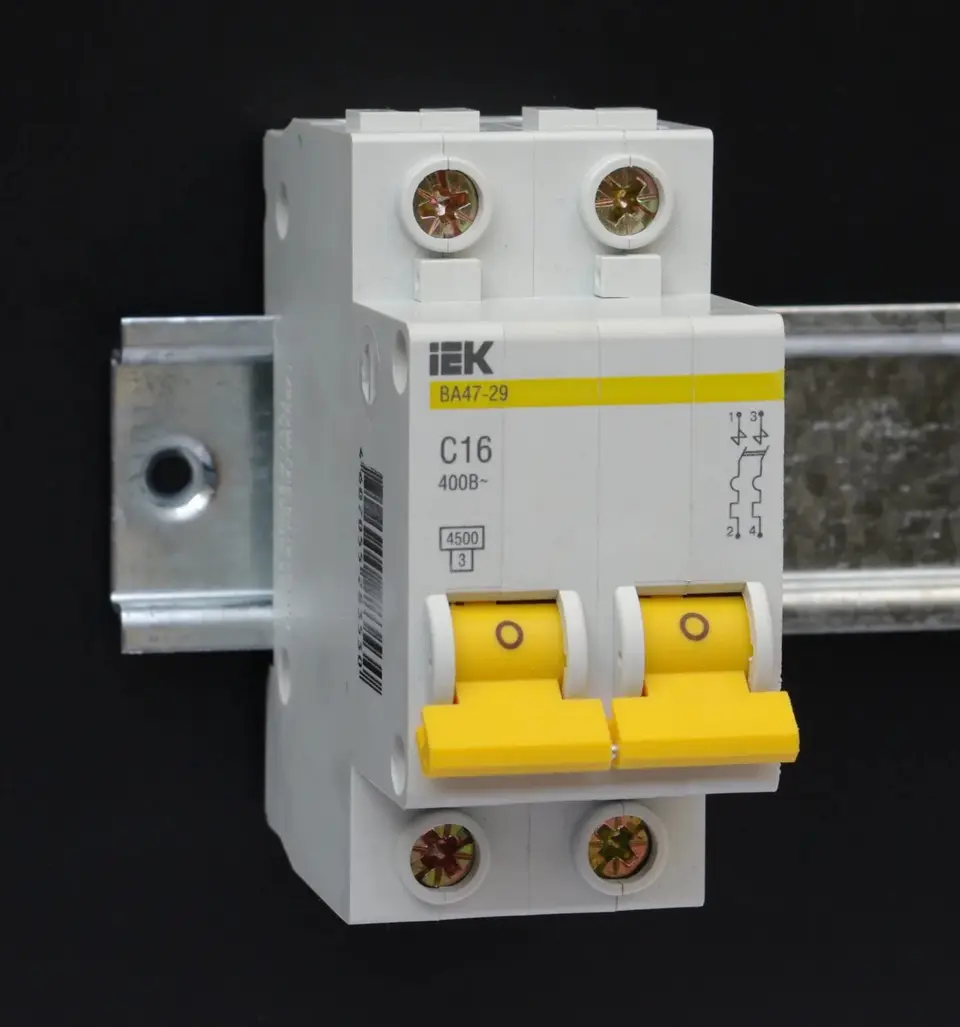 ArticleCircuit Breaker Hot, Buzzing or Won't Reset? How to Check Whether the MCB Itself Is Faulty and Replace It SafelyYou open the distribution board and one miniature circuit breaker (MCB) feels warm through its front, the plastic around its terminal has turned brown, or it gives a faint buzz whe…
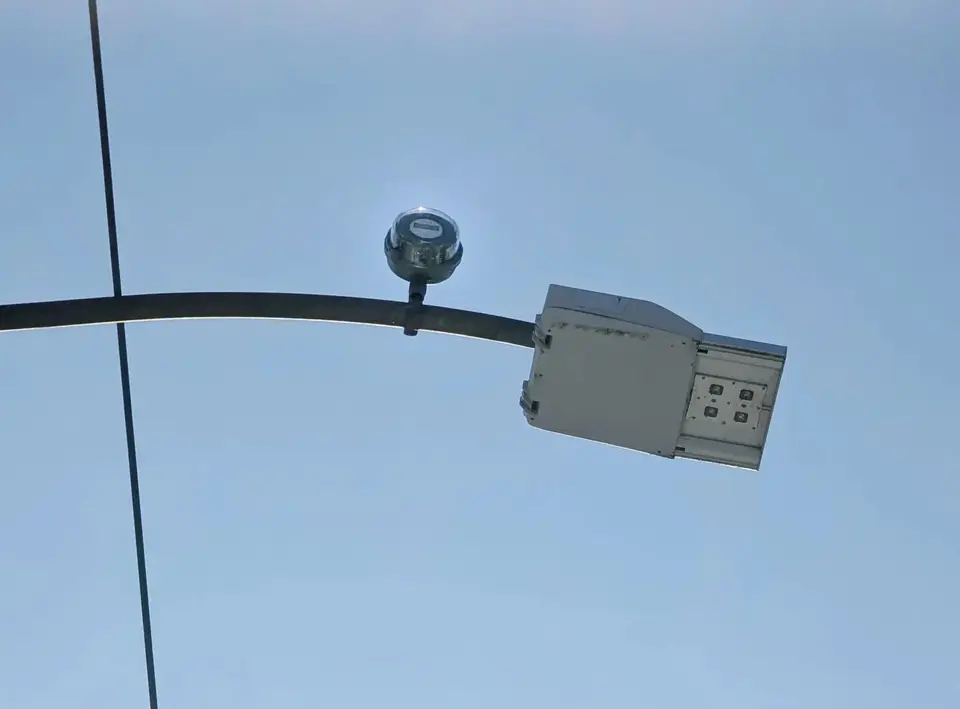 ArticleHow to Install a Photocell (Dusk-to-Dawn) Light Sensor Switch: Choosing the Load Rating, Wiring L, N and Load, Mounting, Adjusting and Fixing Lights That Stay On or CycleA client wants the gate light or signboard to come on by itself every evening and go off in the morning. A timer can do part of this, but sunset shifts through the year and a dark,…
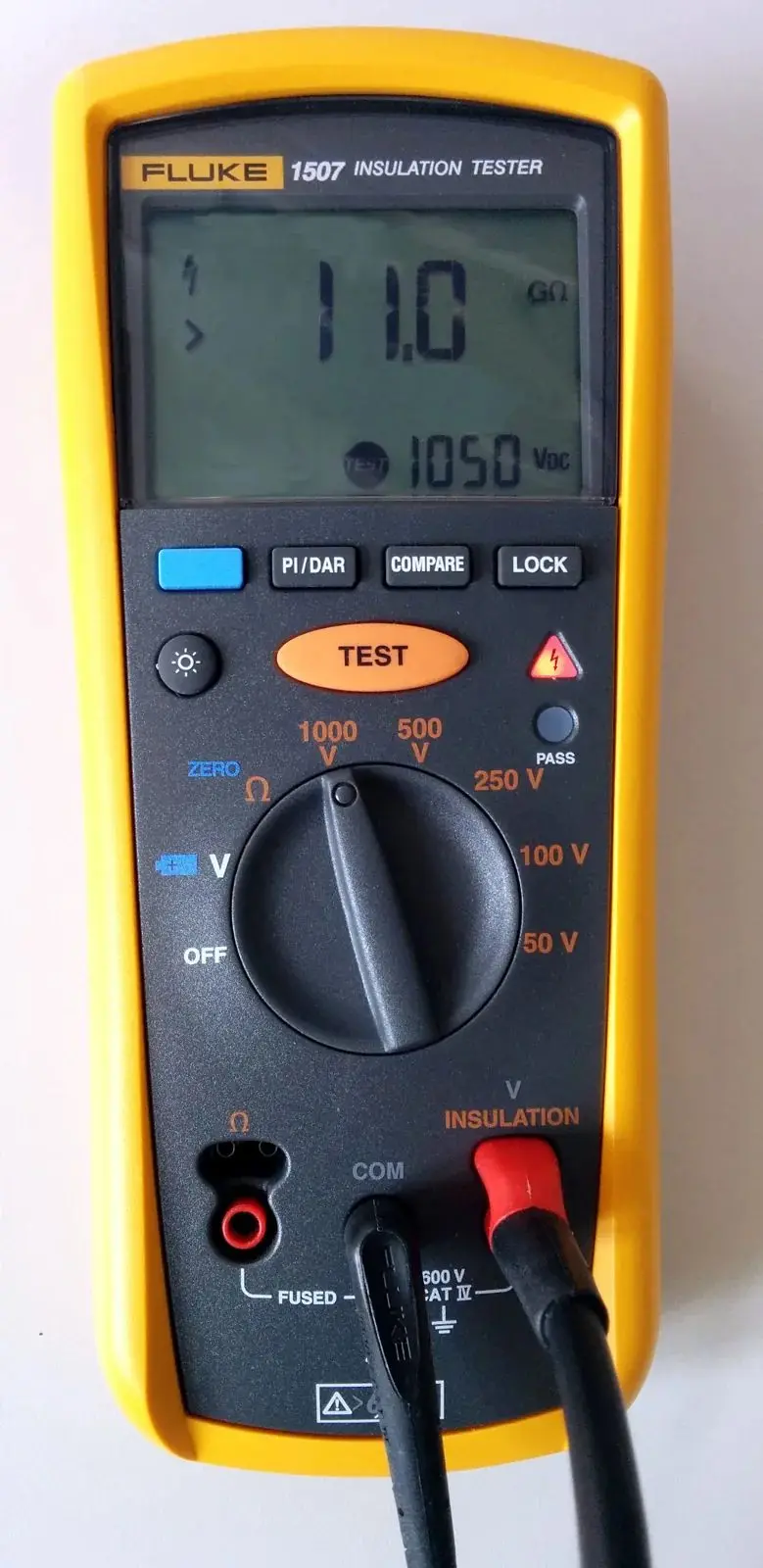 ArticleHow to Do an Insulation Resistance Test on House Wiring: Isolating Safely, Choosing the Test Voltage, L–N and L–E Tests, Reading Megohms and Finding the FaultA house has just been rewired and the client wants the power on today. Another client's ground floor was flooded last week. A third has an RCD that trips "for no reason" every time…
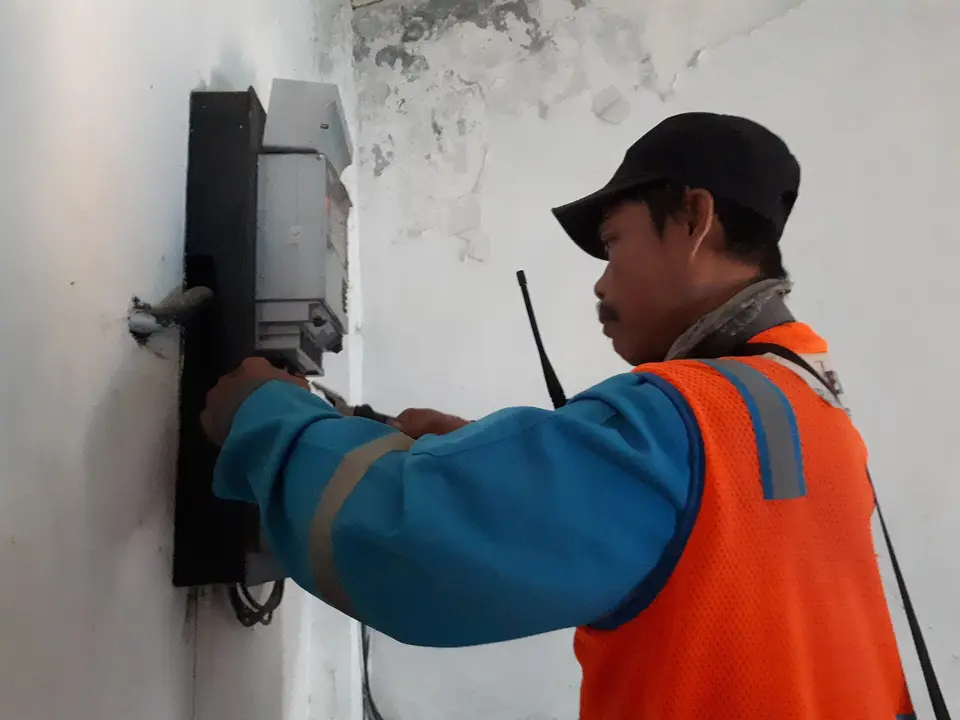 ArticleElectricity meter running fast: how to check if it is wrongWhen an electricity meter seems to be running fast, in most cases the meter is still accurate and something in the house is simply using more power than before . To be sure, switch…
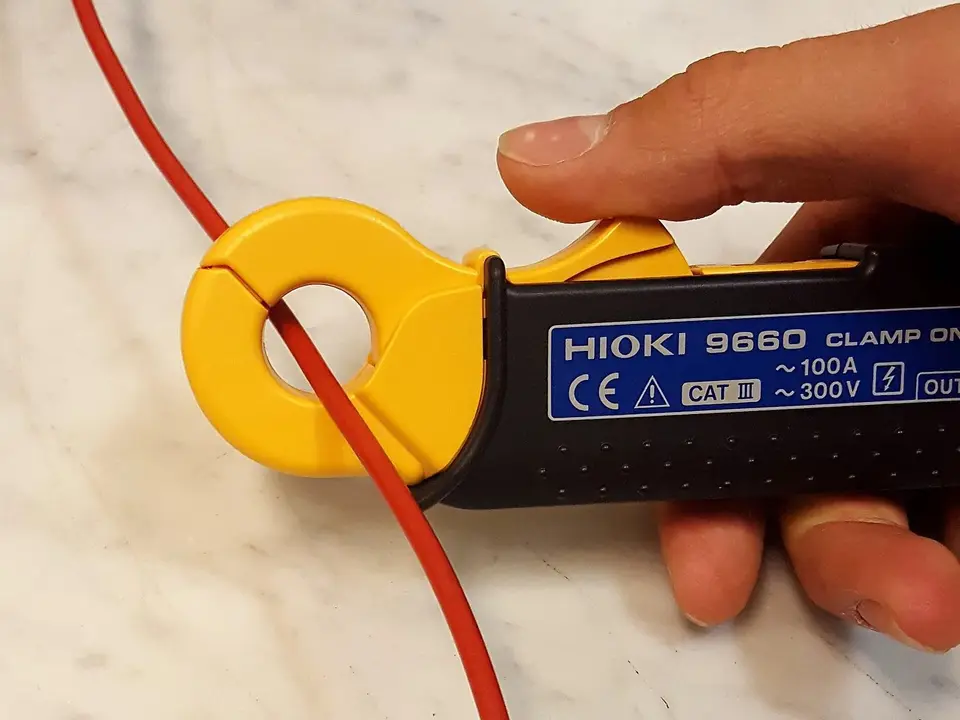 ArticleHow to Use a Clamp Meter: Measuring Load Current Safely, Checking Circuits Against Breaker Ratings, Motor Inrush and Leakage Current BasicsA client says the breaker for the kitchen "trips every evening", another wants to know whether the old cable to the water heater can take a new, bigger unit, and a third suspects t…
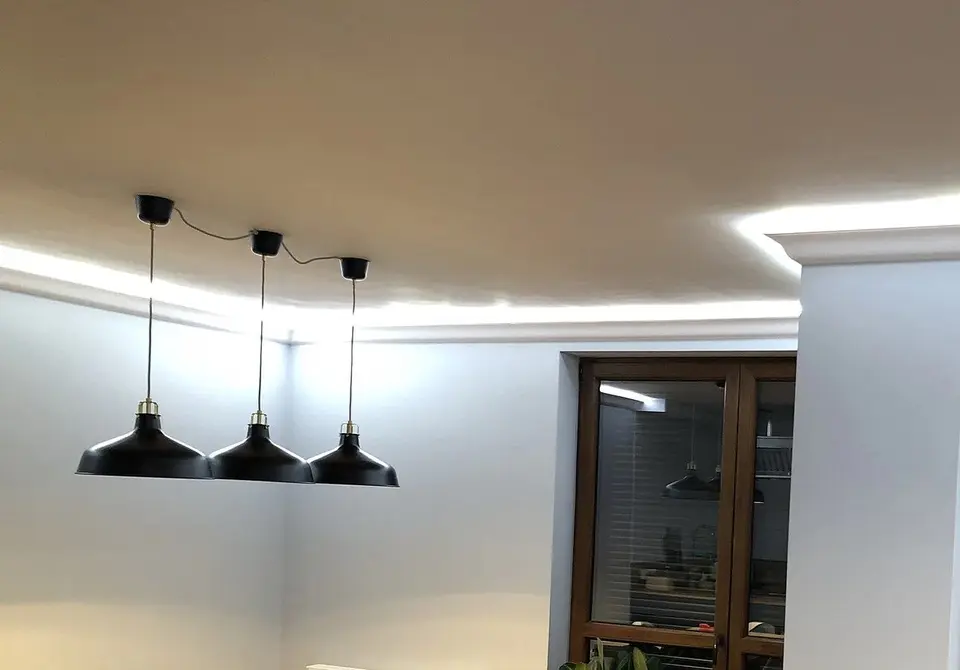 ArticleHow to Install LED Strip Lights: Choosing 12 V or 24 V Strip, Sizing the Driver, Avoiding Voltage Drop, Wiring and Mounting in Aluminium ChannelA client wants a soft glow along the ceiling cove in the living room and bright light on the kitchen worktop under the wall cabinets. LED strip looks easy: peel, stick, plug in. St…
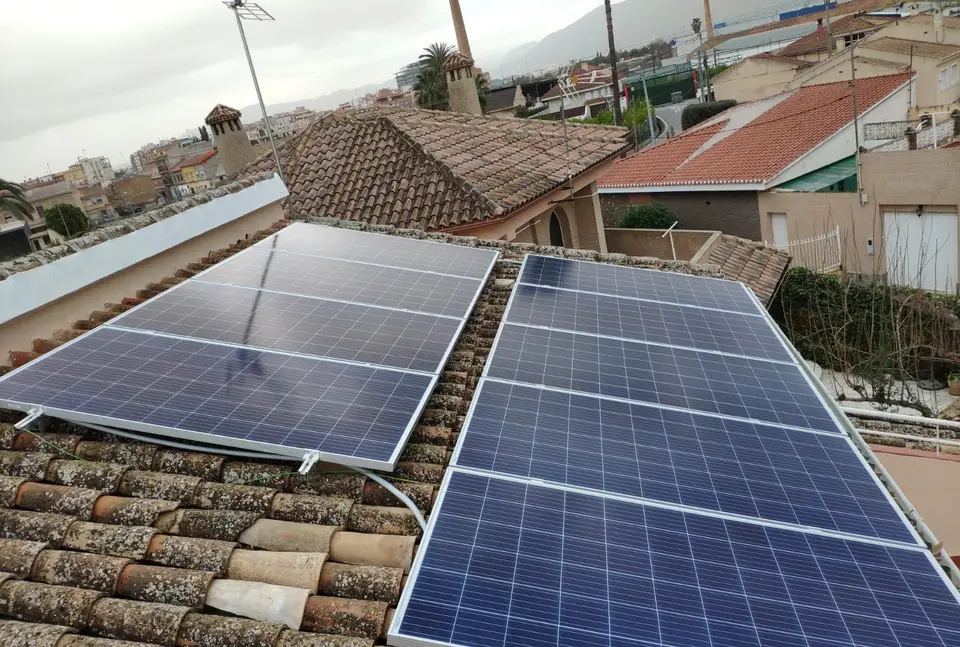 ArticleGrid-tied solar wiring diagram: DC box, AC box and inverterA grid-tied solar wiring diagram for a home runs in one direction: PV array → DC box (DC fuses, DC breaker, DC surge protector) → grid-tied inverter → AC box (MCB/RCBO, AC surge pr…
 ArticleRCD keeps tripping: 6 causes and how to find the leaking applianceA residual current device (RCD) that keeps tripping almost always means current is escaping to earth somewhere — through a water heater element, a pump, a junction box soaked by ra…
 ArticleElectrical wire color codes: live, neutral and earth (IEC, Vietnam)Under the IEC 60445 color code (the system that Vietnam's national installation standards, TCVN, are harmonised with), the live (phase) conductor is brown (three-phase: brown – bla…
 ArticleElectrician salary in Vietnam: helper, electrician and self-employedA residential electrician's salary in Vietnam in 2026 (reference figures, varying by region) is roughly 6–9.6 million VND a month for a helper, 10.8–15.6 million for an electrician…
 ArticleHow to wire an RCD (RCBO/RCCB) at home: 30 mA choice and testingWiring a residual current device (RCD) correctly means: take the phase (L) and neutral (N) from the supply into the two top terminals, take exactly the L–N pair of the protected ci…